The digital landscape is undergoing a seismic shift with the rapid advancement of artificial intelligence, and within this evolving ecosystem, LimeWire has re-emerged, not as the controversial peer-to-peer file-sharing service of the early 2000s, but as a pioneering platform dedicated to generative AI content creation, publishing, and monetization. This transformation represents a significant pivot, aiming to democratize the creation and ownership of digital assets for artists, musicians, and content creators worldwide. LimeWire’s new iteration offers a suite of tools that empower users to generate AI-driven images, with ambitious plans to expand into AI music and video generation in the near future. Beyond creation, the platform facilitates seamless sharing, automatic NFT minting, and innovative revenue streams, positioning itself as a unique hub in the burgeoning creator economy.
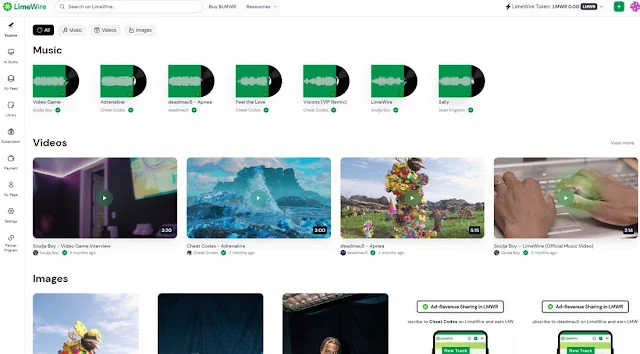
The historical shadow of the original LimeWire, once a ubiquitous but legally contentious platform for sharing copyrighted material, looms large. The company’s resurgence as an AI-centric entity marks a deliberate effort to shed its past and embrace a future defined by innovation and legitimate creative expression. This strategic rebranding and technological overhaul began with a clear vision: to provide creators with accessible, powerful AI tools and a robust ecosystem to share and profit from their digital creations. The platform’s reintroduction has already garnered attention from established figures in the entertainment industry, including artists like Deadmau5, Soulja Boy, and Sean Kingston, who have reportedly begun utilizing LimeWire to publish their work, including NFT music, videos, and images, signaling a potential validation of its creator-centric model.
The Genesis of a New LimeWire: A Timeline of Transformation
The journey from a notorious file-sharing service to a cutting-edge AI platform is a testament to strategic reinvention. While specific launch dates for each phase of the new LimeWire’s development are not extensively documented in public releases, the company’s shift in focus became increasingly apparent in recent years. The initial rebranding and announcement of its AI ambitions marked a critical turning point. This was followed by the development and gradual rollout of its core AI content generation tools, with a particular emphasis on image generation. The integration of NFT capabilities, allowing for the automatic minting of created content, was a crucial step in establishing LimeWire’s unique value proposition. The subsequent introduction of monetization features, including ad revenue sharing and the use of its native LMWR token, has further solidified its ecosystem for creators. The ongoing expansion into AI music and video generation represents the next phase in this ambitious roadmap, demonstrating a commitment to continuous innovation and broadening the platform’s appeal.
LimeWire AI Studio: Empowering Visual Creation
At the heart of LimeWire’s current offering lies its AI Image Generation tool, accessible through LimeWire AI Studio. This platform is designed to be both powerful and user-friendly, catering to a wide spectrum of creative needs, from novice users to seasoned digital artists. The studio supports advanced AI models, including Stable Diffusion 2.1, Stable Diffusion XL, and DALL-E 2, providing a robust foundation for generating high-quality visual content.
Users can initiate the creative process with simple text prompts, akin to many contemporary AI art generators, or opt for more detailed and complex instructions to achieve highly specific artistic outcomes. The flexibility in prompt engineering allows for a nuanced approach to AI art creation, enabling users to translate their ideas into visual realities with remarkable fidelity.
A key differentiator for LimeWire is its seamless integration of multiple AI models and diverse design styles. Users can fluidly switch between different AI engines, exploring a broad palette of aesthetic approaches. The platform offers a curated selection of styles, such as cinematic, digital art, pixel art, anime, and analog film, among others. Each style imparts a distinct visual character to the generated artwork, providing creators with extensive creative control and the ability to experiment with a wide array of artistic expressions. This versatility ensures that users are not confined to a single AI model’s output but can leverage the strengths of various models and styles to achieve their desired results.
Further enhancing the user experience, LimeWire incorporates features like "samplers" that allow for fine-tuning the quality and level of detail in generated images. Comprehensive customization options and prompt guidance are also provided, creating an intuitive interface that lowers the barrier to entry for new users while offering depth for experienced creators. The platform’s commitment to staying at the forefront of AI technology is further underscored by its active development of a proprietary AI model. This in-house development signals an intention to offer even more advanced and potentially unique image generation capabilities in the future, promising to expand the creative horizons for LimeWire users and solidify its position as a dynamic player in the AI art space.
The Blockchain Integration: Minting Content as NFTs
A significant aspect of LimeWire’s strategy is its seamless integration with blockchain technology, specifically through the automatic minting of created content as Non-Fungible Tokens (NFTs). Upon completion of a creative project, users have the option to publish their work, at which point LimeWire automates the minting process onto either the Polygon or Algorand blockchain. This feature imbues digital creations with inherent authenticity, verifiable ownership, and potential for scarcity in the decentralized digital realm.
This automated NFT minting process democratizes a previously complex and often costly procedure. By abstracting the technical intricacies of blockchain transactions, LimeWire makes it accessible for a wider audience of creators to engage with the NFT market. The choice of Polygon and Algorand, both known for their lower transaction fees and environmental sustainability compared to some other blockchains, reflects a practical and forward-thinking approach to NFT creation.
Creators on LimeWire are afforded considerable control over the accessibility and distribution of their NFT creations. They can opt for a public release, making their content discoverable by anyone on the platform and opening avenues for trading within the LimeWire community and potentially beyond. This public accessibility can foster engagement, community building, and broader recognition for the creator’s work.
Conversely, LimeWire acknowledges the value of exclusivity. Creators can choose to designate their posts as subscriber-only content. This allows for the creation of more intimate and personalized experiences for dedicated fans, offering exclusive digital collectibles to a select group. This tiered approach to content distribution caters to different creator strategies and fan engagement models, emphasizing LimeWire’s commitment to providing creators with flexible tools to manage their audience and monetize their art.
Monetization Opportunities: Earning Revenue in the Creator Economy
LimeWire has designed its platform with a strong emphasis on empowering creators to generate revenue from their work, moving beyond simple content creation to build sustainable creative careers. Two primary avenues for monetization are ad revenue sharing and the inherent value of NFTs.
Ad Revenue Sharing: When creators publish their content on LimeWire, they are eligible to earn a share of the advertising revenue generated from users viewing their images, music, and videos on the platform. This model directly rewards creators for the engagement their content attracts. The platform has outlined a tiered ad revenue share, with free users receiving 50% and premium subscribers potentially earning up to 70% depending on their subscription level. This approach ensures that creators are compensated for the audience they bring to the platform and the content that keeps users engaged.
NFT Royalties: The automatic minting of content as NFTs introduces a further layer of monetization. While the initial sale of an NFT represents a direct revenue stream for the creator, LimeWire also implements a creator royalty system. Creators reportedly earn a 2.5% royalty on every subsequent trade of their content within the LimeWire ecosystem. This passive income stream is a significant incentive for creators, providing ongoing financial benefits as their digital assets gain value and are traded within the community. This model aligns with the broader trend in the NFT space, which aims to provide creators with perpetual participation in the secondary market of their work.
LMWR Tokens: The revenue earned by creators is primarily distributed in the form of LMWR tokens, LimeWire’s native cryptocurrency. These tokens are designed to be a versatile medium of exchange within the LimeWire ecosystem and beyond. LMWR tokens can be traded on numerous popular cryptocurrency exchanges, including Kraken, ByBit, and UniSwap, providing creators with liquidity and the ability to convert their earnings into fiat currency or other cryptocurrencies. Furthermore, LMWR tokens can be utilized within LimeWire itself, offering users the option to pay for generative AI prompts, effectively creating a circular economy where earnings can be reinvested into further content creation. This integration of a native token fosters a self-sustaining ecosystem and incentivizes platform participation.
Pricing Plans: Access and Enhanced Features
LimeWire offers a tiered pricing structure designed to accommodate users of varying needs and budgets, from casual creators to power users. The platform provides a free tier that allows individuals to explore its AI tools without an initial financial commitment.
Free Tier: Upon signing up, users receive 10 free credits, enabling them to generate approximately 20 AI images per day. This tier also includes a 50% ad revenue share. This generous free offering serves as an accessible entry point, allowing users to experience the capabilities of LimeWire’s AI tools firsthand and understand the potential for monetization.
Premium Plans: For users seeking expanded capabilities, LimeWire offers several paid subscription tiers, each providing increased credits, higher ad revenue share percentages, and additional benefits:
- $9.99 per month: This tier provides 1,000 credits per month, allowing for up to 2,000 image generations. Subscribers also gain early access to new AI models and maintain the 50% ad revenue share.
- $29 per month: This plan offers 3,750 credits per month, facilitating up to 7,500 image generations. It also includes early access to new AI models and an increased ad revenue share of 60%.
- $49 per month: Users at this level receive 5,000 credits per month, enabling up to 10,000 image generations. Early access to new AI models and a 70% ad revenue share are included.
- $99 per month: The highest tier provides 11,250 credits per month, allowing for up to 22,500 image generations. This plan also includes early access to new AI models and the maximum 70% ad revenue share.
All premium plans come with additional perks, such as a "Pro" profile badge, access to full creation history, faster image generation speeds, and an ad-free experience. These premium offerings are structured to provide escalating value, encouraging users to upgrade as their creative output and monetization goals grow.
Broader Implications and the Future of Digital Content Creation
LimeWire’s reinvention carries significant implications for the future of digital content creation and the creator economy. By seamlessly integrating generative AI, blockchain technology, and direct monetization tools, the platform is building an ecosystem that potentially lowers the barriers to entry for aspiring creators and provides established artists with new avenues for revenue and engagement.
The emphasis on democratizing AI tools means that individuals without extensive technical expertise or financial resources can now participate in the creation of sophisticated digital art, music, and video. This democratization could lead to an explosion of diverse and innovative content, fostering new artistic movements and styles.
The integration of NFTs as a core component of content distribution and ownership offers a compelling model for digital scarcity and verifiable provenance, addressing long-standing challenges in the digital art market. The automated minting process and royalty structures are particularly noteworthy, as they aim to create more equitable conditions for creators in the secondary market, a critical aspect of artist compensation that has historically been difficult to implement.
The company’s strategic roadmap, which includes the planned expansion into AI music and video generation, suggests a comprehensive vision for a multi-modal AI content creation platform. This expansion has the potential to further disrupt traditional media industries and empower creators to produce and distribute a wider range of digital assets. The success of LimeWire’s model could serve as a blueprint for other platforms looking to leverage AI and blockchain to build robust creator economies.
In conclusion, LimeWire’s transformation from a controversial file-sharing service to an innovative AI content creation and publishing platform represents a significant evolution in the digital landscape. By providing accessible generative AI tools, facilitating NFT creation, and offering multiple revenue streams, the platform is actively shaping the future of how digital content is created, owned, and monetized, offering a compelling glimpse into the next era of the creator economy.
About the Author