Ten years ago, on January 18, 2011, Media Molecule’s critically acclaimed platformer, LittleBigPlanet 2, launched, ushering in a new era of player-driven creativity and sonic immersion. The game, a successor to the groundbreaking LittleBigPlanet, expanded upon its predecessor’s foundations, offering players an even more powerful toolkit for creation and a richly curated soundtrack that significantly contributed to its unique atmosphere and gameplay experience. This anniversary serves as an opportune moment to delve into the intricate process behind the game’s licensed music selection, a journey that was as ambitious and multifaceted as the game itself.
The development of LittleBigPlanet 2‘s soundtrack was a testament to the collaborative spirit that defined the project. While the original score composers focused on characterization, drama, and narrative exposition, the licensed soundtrack aimed to imbue the game’s diverse worlds with distinct moods and enhance the player’s sensory engagement. This endeavor required a delicate balance between artistic vision and the practicalities of music licensing, a process that began long before the game’s final release and involved a wide array of creative minds.
The Sonic Palette: Curating for Creativity and Context
The core of the LittleBigPlanet 2 sonic experience lay in its licensed music, carefully selected to complement the game’s overarching themes and specific in-game environments. The game’s thematic shift from LittleBigPlanet‘s "journey around the world" to LittleBigPlanet 2‘s "science through the ages" or "science fiction through the ages" presented a more abstract and challenging canvas for music selection. This provided fertile ground for creative interpretation, pushing the audio team to find musical analogies that resonated with the art direction and the evocative feelings it inspired.
The licensed soundtrack was meticulously categorized to reflect the decision-making process and the breadth of musical exploration undertaken. These categories, as detailed by members of the development team, offer a glimpse into the iterative nature of game audio design:

-
The Official LittleBigPlanet 2 Licensed Soundtrack: This playlist comprises the music that ultimately made it into the final game, forming the familiar sonic backdrop for players. Notably, this collection did not include the licensed music from the first LittleBigPlanet, which was preserved for backward compatibility with player-created levels. The selection process often involved specific edits, remixes, or instrumental versions of tracks that were not readily available on mainstream music platforms, highlighting the unique licensing challenges faced.
-
The LittleBigPlanet 2 Alternate Universe Soundtrack: This compilation features tracks that were seriously considered for inclusion but did not ultimately make the final cut. The vast majority of these omissions stemmed from creative decisions made during development, aligning with the evolving vision for the game. In rare instances, a desired track proved unobtainable due to licensing complications, a fact that reportedly caused significant disappointment.
-
The LittleBigPlanet 2 ‘Brief Says No’ Soundtrack: This playlist showcases music that, while possessing merit and appropriateness in certain aspects, did not align closely enough with the project’s evolving "brief" or overall direction. Many of these selections were from the early stages of the music search and were effective in linear video mock-ups but lacked the necessary energy or specific thematic resonance for interactive gameplay. Nevertheless, these tracks represent a valuable archive of creative exploration and are recognized for their intrinsic quality.
A Decade of Development: Chronology of Sound
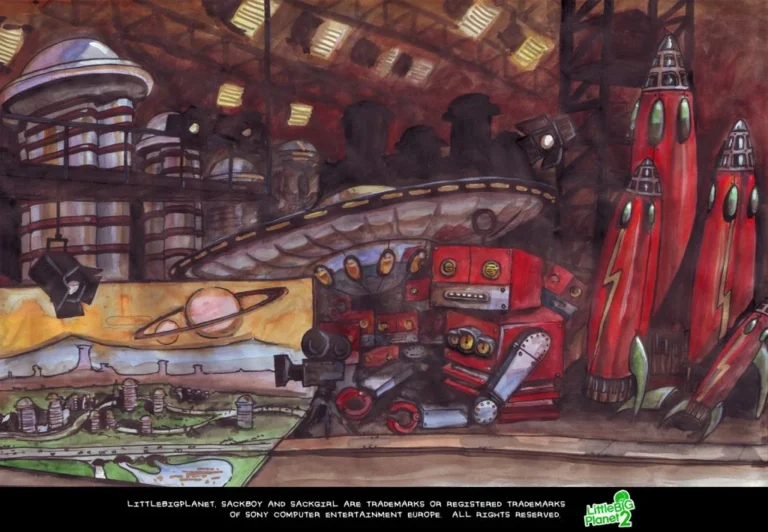
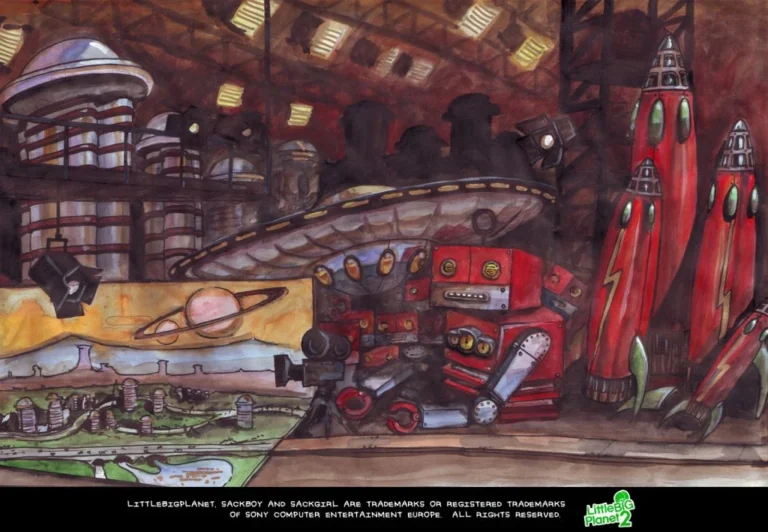
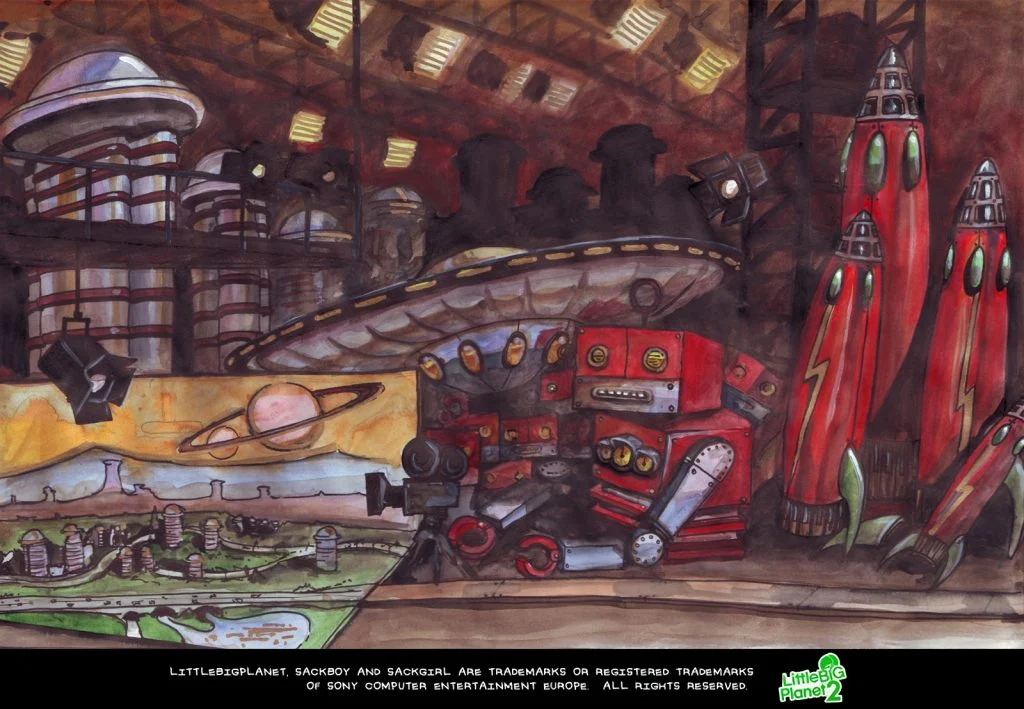
The journey to LittleBigPlanet 2‘s soundtrack was a multi-year process, beginning in the early stages of development. By May 2009, a pre-production phase where not all team members were yet fully engaged with LittleBigPlanet 2, a crucial music montage video was created. This video combined concept art for various game areas with work-in-progress licensed music ideas, serving as an early, albeit rough, visualization of the game’s intended atmosphere. This initial exercise was instrumental in kickstarting the creative momentum and establishing a collective understanding of the project’s sonic identity.
The high-level direction for each game area at this juncture was intrinsically linked to the visual design. For instance, early concepts for "The Cosmos" aimed for a specific sonic tone, while "The Factory" explored themes of industrial innovation. From this initial selection of music, only Ladytron’s "Ghosts" ultimately made it into the final game. However, influential artists like Squarepusher and Röyksopp were already in consideration, albeit with different tracks than those eventually chosen.

A significant challenge in this early phase was the discrepancy between linear video and interactive gameplay. Music that worked effectively in a static visual montage might not translate well to the dynamic pacing and interactivity of a game. This realization underscored the importance of music concept videos not as final selections, but as vital tools for establishing a starting point, a mood board for inspiration, and a means of communicating complex audio-visual ideas to the entire team. This collaborative process was paramount in developing a cohesive experience and marking significant milestones in the project’s progression.
By December 2009, approximately one year before the game’s release, the sonic direction had further refined, reflecting the evolving game design. The number of distinct musical themes was consolidated from eight to six, a process that involved merging overlapping concepts rather than simply discarding ideas. This streamlining was partly driven by reduced content requirements as the full production team onboarded. The music direction also adapted, with a focus on identifying even more suitable music and ensuring better support for the emerging gameplay mechanics.
At this stage, 10 of the 21 tracks that would eventually be licensed were under consideration. While not yet definitive "keepers," their presence indicated a positive trajectory and affirmed the team’s confidence in their direction. The crucial licensing process, which involved securing permission to use the music, had not yet commenced. This necessitated an "overprovision" of suitable music, ensuring ample "Plan B" options to fall back on, a standard practice in licensed soundtracks to mitigate potential licensing roadblocks.
Collaborative Soundscape: A Symphony of Contributions
The development of LittleBigPlanet 2‘s soundtrack was a deeply collaborative effort, extending beyond the core audio team. Initially, music suggestions emanated primarily from within the development team. However, compared to the first LittleBigPlanet, a significantly larger number of individuals contributed ideas. This heightened engagement can be attributed to the success of the first game and the recognition of how music profoundly shaped its identity and reception. Team members were more inclined to invest effort despite the perceived restrictions of the established process.
The evaluation of every proposed track played a crucial role in refining the project’s musical direction, whether by confirming existing ideas, reaffirming their suitability, or identifying areas for improvement. The final soundtrack benefited from contributions from various individuals, including key members of the Media Molecule team such as Dan, John, and Rex, as well as Martin Hewett from the Sony side. Numerous other valuable suggestions came from colleagues like Alex, Costa, Jim, Jonatan, Mark, Martin, and Tom. Even external collaborators, such as Joanna from Sony, provided insightful input. This widespread participation underscored the game’s development as a genuine team effort, fostering a shared sense of ownership over its sonic identity.

The Licensing Labyrinth and Unexpected Hits
The collaboration with Sony’s music licensing department intensified as the game’s announcement loomed, significantly broadening the scope of music review and consideration. This timing proved fortuitous, as the game’s direction had matured sufficiently for Sony’s expertise to yield focused and productive results.
A standout contribution during this period came from Rex, who suggested Passion Pit’s "Sleepyhead" for the announcement trailer. The selection process for this pivotal track was complex, aiming to capture the appropriate emotional tone that conveyed a sense of community, achievement, and forward momentum, while acknowledging the sequel’s more digital aesthetic. Although an initial "Plan A" track was considered, "Sleepyhead" ultimately proved to be the perfect fit for the trailer, its dynamic ebb and flow ideal for building excitement and transitioning between messages. The pitched-up vocals, particularly the Irish Gaelic ones, also harmonized exceptionally well with the game’s distinctive Sackfolk characters.
While "Sleepyhead" was exceptionally well-suited for the trailer, its suitability for direct gameplay integration was less pronounced. This led the team to initially seek a track with more consistent energy for the game itself. However, the desire to have music strongly associated with the project through its marketing appear within the game was a significant consideration. Though it was recognized as unlikely, the team prioritized the announcement trailer’s impact. Ultimately, "Sleepyhead" found a meaningful place in the game’s end credits, providing a poignant musical conclusion.
Towards the latter stages of development, a critical decision was made to adjust the game’s release schedule. The game was delayed from its original target of the crucial Christmas market to January 2011, a move necessitated by the game not being fully "baked." This delay proved beneficial for the soundtrack, as several tracks were not cleared until as late as October 2010, a tight turnaround even with the extended timeline. One particular track took an arduous six months to clear, illustrating the often unpredictable and protracted nature of music licensing negotiations.
Enduring Resonance: The Legacy of LittleBigPlanet 2‘s Soundtrack
The enduring impact of LittleBigPlanet 2‘s soundtrack is evident in player feedback received over the years. Many players fondly recall the game as a significant part of their childhoods, with some continuing to regularly listen to its music. This highlights music’s unique ability to transcend its original context and provide lasting enjoyment. As gaming platforms age and become more difficult to access, the memories and communities fostered by games like LittleBigPlanet 2 can be powerfully invoked and sustained through their soundtracks. The contribution of the featured artists was instrumental in defining the unique identity of LittleBigPlanet 2, solidifying its place in gaming history.

As LittleBigPlanet 2 marks its tenth anniversary, its legacy continues to resonate, a testament to the power of creative collaboration, innovative game design, and the profound impact of a well-crafted sonic experience.
About the Author