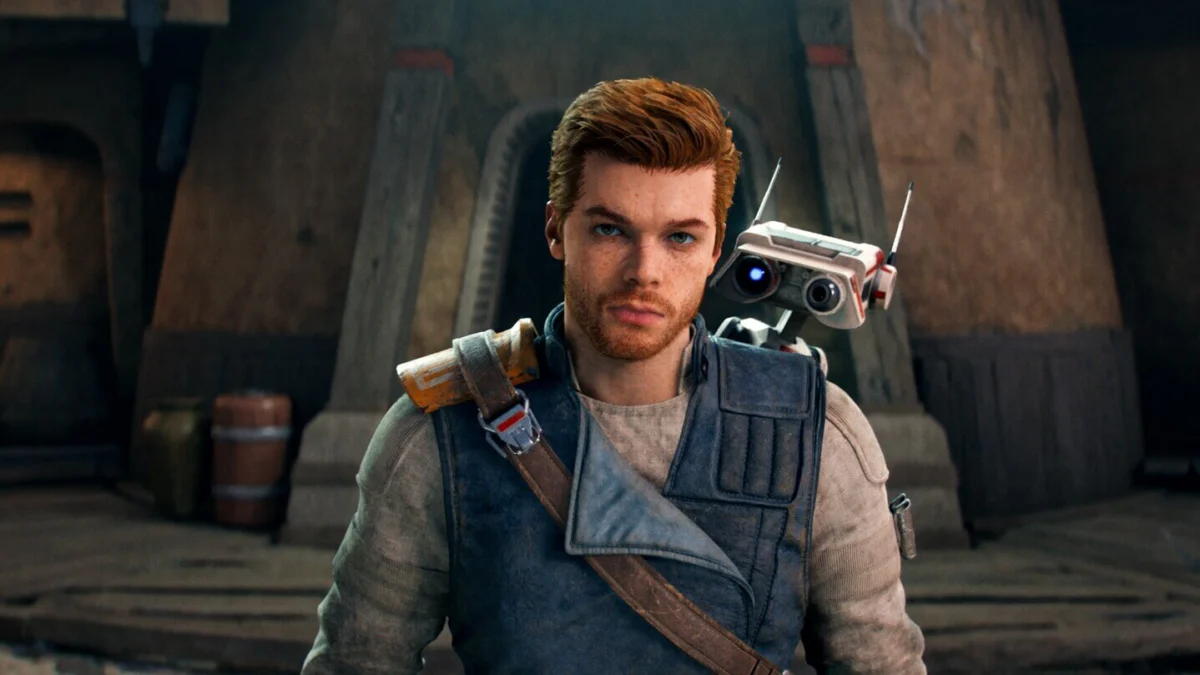
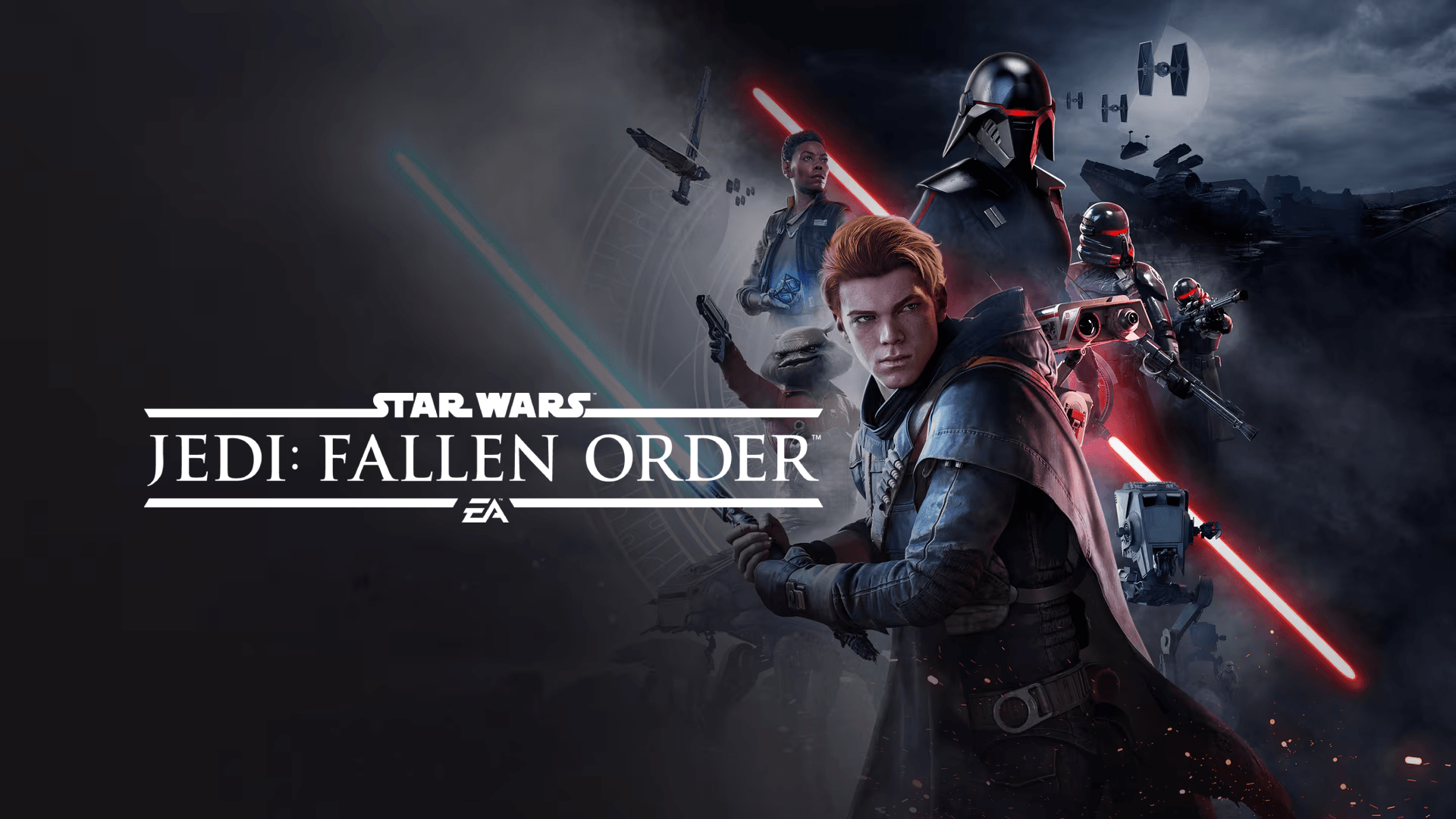
The Star Wars universe stands as one of the most popular and commercially successful franchises in gaming history, yet even this titan has proven susceptible to periods of challenge. Following years marked by controversial struggles and shifting public perception regarding its video game adaptations, the franchise desperately required a significant victory. That triumph materialized definitively with the launch of Star Wars Jedi: Fallen Order in November 2019. Developed by Respawn Entertainment, the title masterfully blended familiar Star Wars lore with compelling new characters, crafting a narrative distinguished by its depth and emotional resonance. This innovative approach earned the game a generally favorable Metacritic score and achieved remarkable commercial success, selling nearly 8 million copies within its first six weeks. Beyond its critical and financial achievements, Star Wars Jedi: Fallen Order resonated deeply with fans through its poignant dialogue, delivering exchanges that deftly navigated themes of hope, heartbreak, and intimidation, leaving an indelible mark long after players completed their journey across the galaxy. This article delves into the game’s pivotal role in revitalizing the Star Wars gaming landscape, its compelling narrative, and the memorable quotes that cemented its place in franchise history.
The Preceding Galactic Storm: A Franchise in Flux
Before Fallen Order‘s arrival, the Star Wars gaming franchise under Electronic Arts (EA) faced a period of significant scrutiny and fan discontent. In 2013, EA secured an exclusive ten-year licensing deal to develop Star Wars games, a partnership that began with high expectations but soon encountered turbulence. The initial release, Star Wars Battlefront (2015), while visually stunning and capturing the essence of large-scale galactic warfare, was criticized for its lack of a single-player campaign and limited content at launch.
The true nadir, however, arrived with Star Wars Battlefront II in 2017. Despite offering a more robust multiplayer experience and introducing a single-player story, the game became embroiled in one of the industry’s most significant controversies surrounding its implementation of loot boxes and pay-to-win mechanics. The unprecedented backlash from players, media, and even governmental bodies led to widespread condemnation and forced EA to significantly alter its monetization strategy. This incident severely damaged public trust in EA’s handling of the Star Wars license and raised questions about the future direction of the franchise’s video game offerings.
Further exacerbating concerns was the simultaneous cancellation of Project Ragtag, a highly anticipated narrative-driven Star Wars game being developed by Visceral Games under the creative direction of industry veteran Amy Hennig. Visceral Games itself was subsequently shuttered, fueling speculation that EA was moving away from single-player, story-focused experiences in favor of live-service, multiplayer-centric titles. This period fostered a pervasive sense that the Star Wars gaming universe was adrift, struggling to deliver experiences that truly captured the magic and narrative depth fans craved.
Respawn Entertainment’s Audacious Gambit
Amidst this backdrop of skepticism, Respawn Entertainment, a studio renowned for its innovative Titanfall series and the wildly successful battle royale Apex Legends, took on the challenge of developing a new Star Wars title. The decision to create Star Wars Jedi: Fallen Order as a purely single-player, narrative-focused action-adventure game was, in itself, an audacious move. It directly countered the prevailing industry sentiment that multiplayer-driven games were the only commercially viable path for AAA development, a sentiment seemingly reinforced by EA’s own actions regarding Battlefront II and Project Ragtag.
Respawn’s design philosophy for Fallen Order was ambitious: blend challenging, Soulslike-inspired combat mechanics with Metroidvania-style exploration, all wrapped in an authentic Star Wars narrative. The game’s development was overseen by Stig Asmussen, known for his work on the God of War series, signaling a commitment to a strong, character-driven story. The team aimed to deliver an experience that felt both fresh and reverent to the established lore, focusing on themes of survival, recovery, and the enduring power of hope. This commitment to a rich, immersive single-player experience was precisely what many fans had been longing for.
A New Hope: Critical Acclaim and Commercial Triumph
Upon its release in November 2019, Star Wars Jedi: Fallen Order was met with widespread critical acclaim, signaling a significant turning point for the franchise. Reviewers lauded its engaging lightsaber combat, which blended parrying, dodging, and Force abilities into a satisfying and challenging system. The Metroidvania-inspired level design, offering intricate environments ripe for exploration and secret discovery, was also frequently highlighted as a strong point. However, it was the game’s compelling story and well-realized characters that truly captivated audiences and critics alike. Many praised its authentic Star Wars atmosphere, its respectful yet fresh approach to the lore, and its ability to tell a personal, emotional story within the vast galactic conflict.
Commercially, the game exceeded all expectations. Selling nearly 8 million copies in its first six weeks, Fallen Order quickly became one of the fastest-selling digital launches for a Star Wars game and a significant financial success for EA. This performance not only provided a much-needed boost to EA’s reputation but also validated Respawn’s vision and the enduring appeal of single-player, narrative-focused experiences within the AAA space. Industry analysts quickly pointed to Fallen Order‘s success as proof that story-driven games were far from dead, prompting a re-evaluation of development strategies across the industry. For EA, it was a clear signal to reinvest in diverse Star Wars projects, including those prioritizing single-player storytelling. Respawn Entertainment, already a respected studio, further cemented its status as a developer capable of delivering high-quality, genre-diverse titles.
Beyond the Lightsaber: The Narrative Heart of Fallen Order
While Star Wars Jedi: Fallen Order delivered on the expected lightsaber combat and Force powers, its strongest moments often transcended the galactic conflict to explore the deeply personal journeys of its characters. The game’s narrative follows Cal Kestis, a former Padawan living in hiding after narrowly surviving the devastating purge of Order 66. When an incident exposes his identity and draws the ruthless Imperial Inquisitors to him, Cal is forced to abandon his anonymity and embark on a perilous quest with the Mantis crew, led by the enigmatic former Jedi Knight Cere Junda and the gruff pilot Greez Dritus. Their mission: to rebuild the shattered Jedi Order, a path fraught with danger, self-doubt, and the specter of a traumatic past.
The core of Fallen Order‘s narrative delves into profound themes: what it means to survive devastating loss, the arduous path of self-forgiveness, and the resilience of the human spirit in the face of overwhelming darkness. It’s a journey about rediscovering one’s connection to the Force, not just as a weapon, but as a source of inner strength and hope. The game skillfully uses its characters’ exchanges to give voice to these struggles, transforming what could have been a conventional action-adventure into a poignant exploration of trauma, mentorship, and redemption. The dialogue, oscillating between moments of profound wisdom, raw vulnerability, and menacing threats, is instrumental in conveying the emotional weight of their journey and the stakes of their desperate fight against the Empire.
The Voice of a Galaxy: Memorable Quotes and Character Depth
The rich tapestry of Star Wars Jedi: Fallen Order‘s narrative is woven through its diverse cast of characters, each contributing memorable lines that resonate with players. From the tentative hope of a survivor to the chilling pronouncements of a fallen Jedi, these quotes encapsulate the emotional core of the game.
Cal Kestis
Cal Kestis, portrayed with earnest vulnerability by Cameron Monaghan, is the game’s central protagonist. A young Jedi Padawan who witnessed the horrors of Order 66, Cal carries the weight of survivor’s guilt and the immense pressure of living up to the Jedi ideal in a galaxy that has largely forgotten them. His dialogue often reflects his struggle with grief, his tentative rediscovery of the Force, and his unwavering, if sometimes naive, desire to do what is right. His lines frequently convey a sense of humility mixed with burgeoning courage.
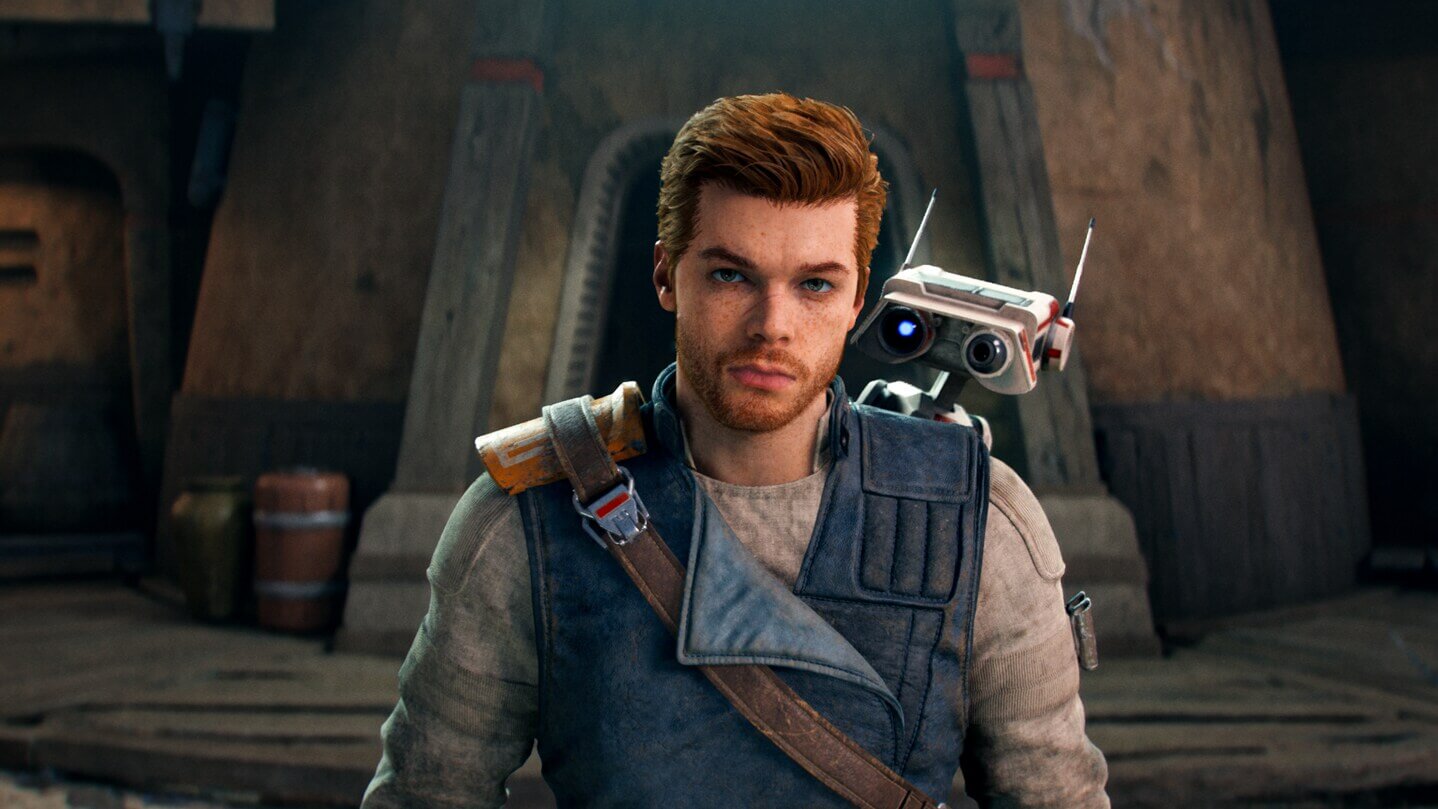
- "The Force connects us all. It always has. It always will." – A statement of his growing understanding and connection to the fundamental truth of the Jedi.
- "I will not let fear control me. I will not fall to the darkness." – A testament to his resolve in the face of internal and external threats, echoing classic Jedi tenets.
- "Hope is not lost. We just have to find it." – Embodying the core theme of resilience and the persistent spark of light in a dark era.
- "I’m a Jedi. It’s who I am." – A declaration of his identity, fully embracing his destiny after years of hiding.
Cere Junda
Cere Junda, voiced by Debra Wilson, is another survivor of Order 66, a former Jedi Knight who takes on the role of Cal’s mentor. Haunted by her own past failures and a traumatic experience that led her to sever her connection to the Force, Cere is a figure of immense wisdom and guarded strength. Her dialogue often imparts hard-won truths, guiding Cal while battling her own inner demons. She embodies the cost of survival and the difficult path to redemption.
- "Do not dwell on the past, Cal, but learn from it. The Force will guide you." – A quintessential mentor’s advice, emphasizing growth over regret.
- "Sometimes, we have to make difficult choices for the greater good." – Reflecting her own complicated history and the moral ambiguities of their fight.
- "You carry your burdens, Cal. It’s what we do with them that matters." – A profound statement on responsibility and processing trauma.
- "Fear is the path to the dark side. But so is anger. And hatred." – A stark reminder of the ever-present temptation of the dark side, particularly resonant given her own struggles.
Trilla Suduri (The Second Sister)
Trilla Suduri, also known as the Second Sister, is the primary antagonist of Star Wars Jedi: Fallen Order, a formidable and ruthless Imperial Inquisitor. Her character arc is one of the game’s most tragic, as she was once Cere Junda’s Padawan, betrayed and tortured by the Empire, ultimately falling to the dark side. Her dialogue is often laced with bitter cynicism, anger, and a chilling manipulation, reflecting her profound sense of betrayal and the corrupting influence of her new masters. She represents a dark mirror to Cal’s own journey.
- "You cling to a dead religion, Padawan. The Jedi are gone, and you will be too." – Her taunts are designed to undermine Cal’s hope and faith.
- "Your master abandoned you, just as mine abandoned me." – A manipulative line that reveals her deep-seated trauma and projects her pain onto Cal.
- "The Force is just a tool, boy. A weapon." – A nihilistic view of the Force, contrasting sharply with the Jedi philosophy.
- "Suffering is the only constant. It’s what makes us strong." – A dark justification for her cruelty, born from her own agonizing experiences.
The Rest of the Mantis Crew and Beyond
The supporting cast also contributes significantly to the game’s memorable dialogue, adding layers of personality and perspective.
- Greez Dritus: The four-armed pilot of the Mantis, voiced by Daniel Roebuck, provides much-needed comic relief and a grounded, often cynical, perspective.
- "Just try not to break my ship, kid. It ain’t cheap to fix." – His constant worry about his vessel and practical concerns.
- "Another day, another galaxy to save, huh? Can we get a vacation after this?" – His weary but loyal nature.
- Merrin: A Nightsister from Dathomir, voiced by Tina Ivlev, Merrin brings a unique perspective on the Force, magic, and the nature of connection.
- "Our magic is powerful, but it cannot mend a broken heart." – A profound statement on the limits of power and the depth of emotional wounds.
- "I have seen the darkness. It is not so different from the light." – Her perspective, born from Dathomir’s unique Force traditions, challenges conventional Jedi/Sith dichotomies.
Lighter Moments in Star Wars Jedi: Fallen Order
Beyond the heavy themes, the game also weaves in moments of levity and camaraderie, crucial for balancing the narrative’s intensity and making the characters feel more human and relatable. These lighter exchanges often highlight the growing bonds between the Mantis crew, offering glimpses of hope and warmth amidst their dangerous quest.
- The playful banter between Cal and BD-1, his loyal droid companion, often through BD-1’s expressive beeps and boops that Cal understands.
- Greez’s exasperated comments about Cal’s recklessness or the constant danger they find themselves in.
- Moments of quiet reflection or shared understanding between Cal and Cere, or Cal and Merrin, which, while not overtly humorous, provide a gentle emotional respite.
A Resurgent Force: Implications and Legacy
Star Wars Jedi: Fallen Order‘s success had profound implications for the Star Wars gaming franchise, Respawn Entertainment, and the broader gaming industry. For the Star Wars universe, it marked a triumphant return to form, demonstrating that a deep, character-driven single-player experience could not only be viable but immensely popular. It effectively reversed the negative sentiment that had plagued EA’s handling of the license and paved the way for future narrative-focused Star Wars titles, most notably its direct sequel, Star Wars Jedi: Survivor. The game re-established the Jedi fantasy in a compelling and emotionally resonant way, giving players a hero to root for and a story that felt authentically Star Wars yet refreshingly personal.
For Respawn Entertainment, Fallen Order further solidified its reputation as one of the industry’s most versatile and talented developers. Having already proven its prowess in first-person shooters (Titanfall) and battle royales (Apex Legends), the studio demonstrated its ability to excel in the action-adventure genre, delivering a polished, critically acclaimed title that resonated globally. This success undoubtedly granted Respawn greater creative autonomy and influence within EA.
More broadly, Star Wars Jedi: Fallen Order served as a powerful testament to the enduring appeal and commercial viability of single-player, story-driven games in an era increasingly dominated by live services and multiplayer experiences. Its success contributed to a discernible shift in industry perception, encouraging other publishers and developers to invest in rich, narrative-focused titles.
Ultimately, the creators of Star Wars Jedi: Fallen Order achieved more than just pulling a major franchise out of a slump. They crafted an epic battle between light and dark that, while familiar, was imbued with a different kind of weight and intimacy. The memorable lines and profound exchanges in Star Wars Jedi: Fallen Order left an impression that transcended the galaxy far, far away, solidifying its legacy as a pivotal moment in Star Wars gaming history and a testament to the power of compelling storytelling.
About the Author