The fundamental human desire to create and share art, often viewed as an inherently social act, faces unprecedented challenges in the contemporary digital landscape. For many artists, the essence of creation lies in the act of sharing their work and eliciting engagement, seeking validation and feedback that affirms connection—whether through understanding a message or resonating with an emotion. This dynamic mirrors basic human communication, where a speaker seeks a listener’s attentiveness, comprehension, and reciprocal interaction. When this connection is forged, it provides validation; when it falters, it offers valuable, constructive insight. However, the internet, once hailed as a democratizing force for artistic expression, has evolved into a system that increasingly hinders this foundational interaction, pushing creators towards an unequal playing field dominated by powerful algorithms and corporate consolidation.
The Evolution of Online Artistic Discovery
The early promise of the internet, particularly in the Web 2.0 era around 2010, envisioned a vibrant ecosystem where creators could establish online communities and engage directly with audiences. This period was characterized by a more open internet architecture that facilitated organic discovery and robust interaction. Independent artists and developers, even those with limited resources, could achieve significant reach and cultivate dedicated fan bases. For instance, the launch of games like "100 Rogues" in 2010 exemplified this era. Despite being a developer’s inaugural published title, reportedly with initial bugs and inconsistent artwork, it garnered substantial community engagement, including fan art, player-uploaded videos, and frequent interviews from various gaming websites. This success was not primarily attributed to extensive marketing budgets or highly polished production values, but rather to the inherent design of the internet at the time, which favored broader discoverability.
This period fostered a "blogosphere" and numerous niche online communities, where content often circulated based on genuine interest and peer recommendation rather than complex algorithmic gatekeeping. Search engines were more direct, and social platforms, while nascent, offered a less filtered feed, allowing for more equitable visibility across a diverse range of creators. The prevailing sentiment was that the internet was a level playing field, a global open mic night where anyone with something to share could potentially find an audience.
The Rise of Algorithmic Gatekeepers and Market Concentration
Over the past decade, this landscape has undergone a profound transformation. A series of strategic decisions by major technology companies, coupled with a lack of responsive regulatory action from governments, has led to an increasingly "top-heavy" internet. This structural shift has resulted in a significant concentration of engagement, where a diminishing number of creators capture an ever-larger share of audience attention. While precise figures vary, industry analysis suggests a dramatic skew in reach: where once tens of thousands of creators might each cultivate modest fan bases, today, a handful of hyper-successful individuals command audiences in the millions, leaving the vast majority struggling for visibility.
This dynamic is not unique to the artistic sphere; it mirrors broader trends of corporate conglomeration observed across various industries. In the gaming sector, for example, the number of independent game companies has dwindled considerably over the last decade, with major entities like Activision Blizzard, Tencent, and Take-Two Interactive acquiring smaller studios and consolidating market share. This centralization of ownership and control directly impacts the creative ecosystem, raising the bar for entry and increasing the algorithmic hurdles for new content to be seen.
Today, achieving prominence as an online creator—be it a game developer, Twitch streamer, or visual artist—often necessitates substantial financial investment in marketing. Moreover, the content itself, and its presentation, must be meticulously optimized for the algorithms that govern visibility on dominant platforms. This means tailoring creative output not primarily for human resonance or artistic merit, but for metrics like watch time, click-through rates, and engagement signals that the algorithms prioritize. The focus shifts from authentic expression to algorithmic compliance, fundamentally altering the creative process and the potential for genuine connection.
Governmental Inaction and the Erosion of Digital Commons
A critical factor contributing to this centralized internet landscape has been the perceived failure of governments to enforce existing antitrust laws or introduce new regulations pertinent to the digital age. Antitrust legislation, historically designed to prevent monopolies and foster fair competition, has not been effectively applied to the rapidly expanding tech sector. This regulatory vacuum has allowed large technology companies to acquire competitors, integrate services, and establish dominant positions without significant checks and balances.
Critics argue that this governmental inaction has permitted the erosion of the "open internet" vision that characterized its early days. The thriving blogosphere, diverse online communities, and functioning search capabilities—all crucial for organic discovery—have largely been supplanted by curated feeds and walled gardens controlled by a few powerful platforms. Discussions around net neutrality, data privacy, and platform accountability continue to highlight the ongoing debate regarding the need for robust regulatory frameworks that can safeguard competition, promote user rights, and ensure equitable access for all creators. While the exact path forward remains contentious, there is a growing consensus that rectifying these systemic issues would require a sustained, multi-year effort to rebuild a more balanced digital environment.
The Enduring Appeal of Physical Spaces: The Open Mic Paradigm
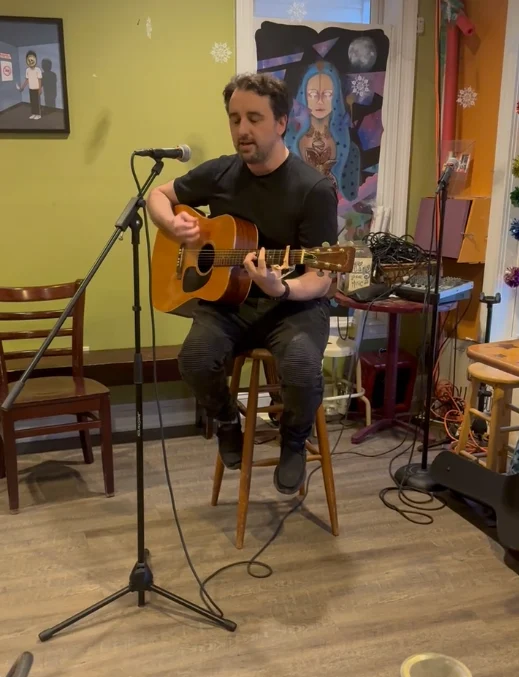
In stark contrast to the algorithm-driven internet, physical spaces offer a compelling alternative for authentic artistic engagement. Events like open mics exemplify an equitable and accessible platform for creative expression. In these real-world settings—whether a coffee shop, community center, or local venue—the hierarchical structures and algorithmic biases prevalent online simply do not exist. Everyone in attendance, regardless of background, experience, or social standing, is afforded an equal opportunity to share their work. Typically, participants are granted a fixed time slot, perhaps three to five minutes, to present anything from poetry and music to stand-up comedy or personal narratives.
This democratic approach transcends the digital world’s barriers of entry, which often include significant marketing budgets or the need to "go viral." At an open mic, there are no algorithms to appease, no corporate gatekeepers, and no multi-million dollar investment required for visibility. The primary requirement is simply physical presence and a willingness to share. This creates an environment of shared curiosity and mutual respect among performers and audience members. Participants from all walks of life—diverse ages, ethnicities, socioeconomic backgrounds, and physical abilities—converge with a common purpose: to connect through shared creative expression.
While it is crucial to acknowledge that the broader "IRL" (in real life) art world can also be plagued by arbitrary barriers, biases, and the influence of corporate interests, open mics represent a unique counter-example. Their power often lies in their non-commercial nature; performers typically do not earn money, nor do they spend significant sums to participate. This absence of direct financial incentive fosters a more pure form of artistic exchange, prioritizing community and creative expression over profit or algorithmic optimization.
Towards a Hybrid Future: Decentralized Digital and Resilient Communities
The dichotomy between the algorithm-dominated internet and the egalitarian open mic suggests a critical need for re-evaluating how artistic engagement is fostered. While the internet is undeniably a pervasive force in modern life, efforts should be directed towards evolving it into a more equitable and open platform. Certain digital spaces, such as well-managed Discord communities, offer a glimpse into this potential future. Within such platforms, all participants often operate on a more equal footing regarding attention and interaction, fostering direct engagement between members without the heavy hand of algorithmic curation. This model, prioritizing community-driven interaction over centralized content delivery, could serve as a blueprint for a more balanced digital landscape.
The aspiration for a "better internet" involves advocating for policies that promote decentralization, open protocols, and user-centric design, thereby re-empowering individual creators and fostering genuine communities. Concurrently, the importance of physical presence extends beyond artistic collaboration. In an increasingly complex and polarized world, actively participating in local communities and physical gatherings serves a broader civic function. Being present in shared physical spaces strengthens social bonds, fosters collective resilience, and provides opportunities for collaborative action and mutual support. Whether for artistic inspiration, community building, or civic engagement, the act of "being there" remains a powerful antidote to the isolating and algorithmically curated experiences of the contemporary digital realm. It underscores the enduring human need for direct, unmediated connection, both in art and in life.
About the Author