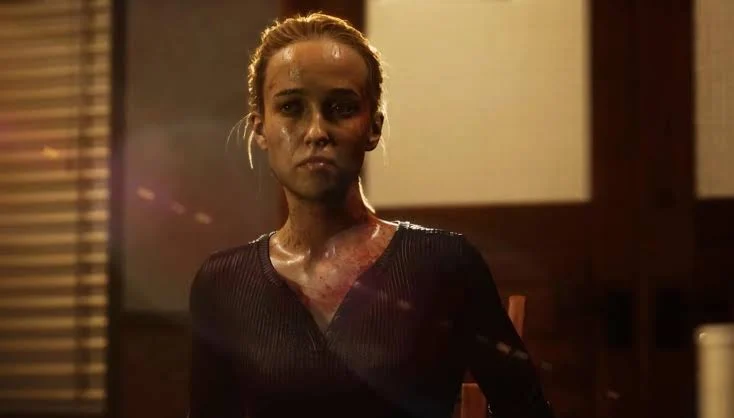
Released in 2022, Supermassive Games’ The Quarry delivered a compelling blend of classic slasher cinema and cutting-edge interactive storytelling, quickly establishing itself as a notable entry in the horror video game landscape. The title, a spiritual successor to the acclaimed Until Dawn, garnered "Generally Favorable" reviews on Metacritic across its various platforms, reflecting its success in crafting a narrative-driven experience where player decisions held significant weight. Commercially, the game demonstrated strong initial performance, reportedly generating $8 million in its first month on Steam alone, underscoring a robust market appetite for its unique blend of horror and choice-driven gameplay. While critical consensus acknowledged minor imperfections, The Quarry‘s remarkable character development and authentic dialogue were consistently highlighted as foundational strengths, allowing its ensemble cast to truly resonate with players. This approach—prioritizing dynamic personalities and nuanced conversations—proved pivotal, transforming the traditional horror setup into a deeply engaging human drama. The game thrives not merely on jump scares or creature features but on the palpable tension and genuine connections forged through its well-crafted script.
Supermassive Games’ Legacy in Interactive Horror
To understand The Quarry‘s impact, it is essential to contextualize it within Supermassive Games’ established pedigree in the interactive drama genre. The British developer first rose to prominence with 2015’s Until Dawn, a PlayStation 4 exclusive that pioneered a highly cinematic, choice-and-consequence horror experience. This critical and commercial success paved the way for The Dark Pictures Anthology, a series of shorter, standalone horror narratives that further refined the studio’s formula, emphasizing player agency, branching storylines, and the "butterfly effect" where seemingly minor choices could have catastrophic outcomes.
The Quarry represented a return to the larger-scale, single-narrative format of Until Dawn, leveraging years of accumulated expertise in motion capture technology, acclaimed voice acting, and intricate narrative design. The studio’s commitment to delivering a movie-like experience meant investing heavily in high-fidelity graphics, realistic character models, and a script that felt authentic to its teen slasher inspirations, yet offered unexpected depth. The development process, spanning several years, focused on perfecting the subtle cues of human interaction alongside the overt horror elements. This rich developmental history provided the bedrock for The Quarry‘s critical and commercial reception, positioning it not as an anomaly but as a refined culmination of Supermassive’s distinct vision for interactive horror.
The Narrative Framework: A Summer Camp Gone Wrong
Set against the picturesque yet increasingly ominous backdrop of Hackett’s Quarry summer camp, the game plunges players into a familiar yet terrifying premise. The story unfolds on the final night of summer camp, where a group of young counselors, despite cryptic warnings and ominous signs from the enigmatic camp owner, decides to throw one last celebratory party. This seemingly innocent decision quickly unravels into a nightmarish struggle for survival as they find themselves hunted by hostile locals and supernatural entities, specifically werewolves, whose origins are slowly revealed through the unfolding mystery.
The narrative meticulously builds suspense, initially lulling players into a false sense of security by focusing on the superficial bonds and playful banter characteristic of young adults. This initial focus on developing rapport among the characters—through awkward flirting, nervous humor, and minor disagreements—serves a crucial purpose: to deepen the player’s emotional investment before the horror truly begins. As the situation escalates, these nascent relationships are tested under extreme pressure, forcing players to confront difficult ethical dilemmas and make life-or-death decisions that ripple throughout the entire story. The game perfectly captures the essence of a standard teen horror setup, drawing players into the characters’ world before abruptly shattering their sense of normalcy.
Unimaginable Choices and Lasting Consequences
At the heart of The Quarry‘s gameplay lies its robust choice-and-consequence system, a hallmark of Supermassive Games. Unlike passive viewing experiences, players are granted unprecedented control over the narrative, shaping the destinies of the nine playable counselors. Every dialogue option, every quick-time event (QTE) response, and every environmental interaction carries potential weight, often determining who lives, who dies, and how the story ultimately concludes. The game masterfully avoids simplistic good-vs-evil binaries, instead presenting moral quandaries where no option feels truly "easy" or consequence-free. Players are tasked with making difficult decisions that challenge their moral compass, such as choosing between saving one character at the potential expense of another, or pursuing information that might lead to a greater understanding of the threat but also increased danger.
This player agency extends beyond mere plot points; it delves into the very core of character development. Decisions made earlier in the game can subtly alter character traits, relationships, and even their chances of survival in later encounters. For instance, choosing to investigate a strange noise might lead to a crucial discovery or a fatal ambush, while an attempt to save one character might inadvertently endanger another. The absence of a clear "right" path compels players to consider the immediate and long-term implications of their actions, fostering a profound sense of responsibility for the unfolding tragedy. This intricate web of choices ensures high replayability, as players can explore myriad narrative branches and outcomes, each offering a distinct perspective on the horrors of Hackett’s Quarry and the diverse fates of its unfortunate protagonists.
The Power of Authentic Dialogue and Voice Acting
While the interactive choices are the engine of The Quarry, its finely tuned dialogue and exceptional voice acting are the fuel that drives its emotional impact. The game’s success in making players care about its characters stems directly from the authenticity of their conversations. The script captures the cadence, humor, and vulnerabilities of real teenagers, making their interactions feel organic rather than purely expositional. From sarcastic quips to heartfelt confessions, the dialogue serves multiple functions: it builds character, injects levity amidst terror, foreshadows dangers, and allows for the exploration of thematic elements like trust, betrayal, and self-preservation. This realism is crucial in a game where character survival hinges on player investment.
A significant factor contributing to this authenticity is the game’s stellar cast of established actors, many recognizable from film and television. The ensemble includes talents such as David Arquette (Jacob), Brenda Song (Kaitlyn), Lance Henriksen (Jedediah), Ted Raimi (Travis), Ariel Winter (Abigail), Justice Smith (Ryan), Skyler Gisondo (Max), Siobhan Williams (Laura), and Halston Sage (Emma), among others. Their performances imbue each character with distinct personalities, making their fears, hopes, and internal conflicts palpable. This professional voice work elevates the cinematic quality of the game, making every line resonate and every emotional beat land with impact, reinforcing the idea that The Quarry works best as a horror game when its characters are allowed to simply talk and interact naturally.
Exploring Key Personalities
The character roster in The Quarry is meticulously designed, presenting a diverse array of personalities that often align with, or cleverly subvert, classic slasher archetypes. Their interactions are the bedrock of the game’s emotional core.
- Laura Kearney: As one of the central figures, Laura embodies resourcefulness and a strong sense of curiosity. A veterinary student, she is often proactive, taking charge when she believes action is necessary. Her dialogue frequently reflects her determination and the high stakes she perceives, driving much of the plot’s investigative elements. Her willingness to push forward, even in the face of daunting odds, often proves crucial to survival.
- Max Brinly: Laura’s boyfriend, Max, serves as her foil. He is portrayed as carefree, humorous, and somewhat sarcastic, often deflecting tension with jokes. His generally passive nature contrasts sharply with Laura’s assertiveness, yet his dialogue often reveals a deep affection for her and the other counselors. His character provides moments of much-needed levity and human connection amidst the escalating horror.
- Ryan Erzahler: The brooding sailing instructor, Ryan, is initially perceived as an outsider, preferring solitude. However, his quiet demeanor belies a deeper resolve, and he often emerges as the game’s reluctant hero. His dialogue is typically reserved but can turn sharply insightful or decisive when circumstances demand it. Ryan’s journey from a withdrawn observer to a key player in the fight for survival is one of the narrative’s compelling arcs.
Beyond these three, the ensemble cast further enriches the narrative tapestry: Abigail Blyg, artistic and shy, often finds herself caught in the emotional crosscurrents of the group; Dylan Lenivy, witty and sarcastic, uses humor as a coping mechanism, often delivering memorable one-liners even in dire situations; Emma Mountebank, an aspiring influencer, is initially preoccupied with documenting her experiences, but her resilience is tested as the horror unfolds; Jacob Custos, the jock of the group, is driven by a misguided attempt to extend the summer, leading to unforeseen consequences; Kaitlyn Ka, practical and quick-thinking, often takes charge in dangerous situations, relying on her street smarts; and Nick Furcillo, sweet and sensitive, whose character arc is one of the most tragic, highlighting the brutal nature of the threats. The interplay between these distinct personalities, often conveyed through their unique dialogue patterns and responses, ensures that the player is continually engaged with their fates.
Thematic Resonance and Broader Implications
Beyond its immediate thrills, The Quarry delves into deeper thematic territory, elevating it beyond a simple slasher flick. The game explores the profound consequences of human choice, not just in terms of survival but in morality and interpersonal relationships. Secrets, both personal and generational, play a destructive role, unraveling trust and exacerbating danger among the counselors and the mysterious Hackett family. Under extreme pressure, characters are forced to confront their deepest fears and make agonizing sacrifices, illuminating the fragility of life and the primal instincts for self-preservation. The narrative subtly critiques tropes while building its own unique mythology.
The Quarry‘s success further solidifies Supermassive Games’ position as a leader in narrative-driven interactive entertainment. It demonstrates that a compelling story, coupled with meaningful player agency and stellar character work, can resonate deeply with a broad audience. The game’s blend of cinematic presentation and video game interactivity represents a continued evolution of storytelling in the medium, blurring the lines between film and gaming. Its critical reception and commercial performance suggest a sustained appetite for sophisticated horror experiences that prioritize character development and player choice, influencing future titles within the genre and reinforcing the artistic validity of interactive drama. The lingering impression of The Quarry is not just of its scares, but of the indelible choices made and the unforgettable characters encountered, cementing its place as a benchmark in modern horror gaming.
About the Author