Mass Effect 2, BioWare’s critically lauded action role-playing game, continues to resonate with players over a decade after its initial release, cementing its status as a benchmark for narrative depth and character development in the video game industry. While newcomers might question its persistent acclaim, seasoned fans unequivocally understand the magnetic pull that draws them back to its galaxy-spanning saga. At the core of this enduring appeal lies BioWare’s masterful construction of a crew so profoundly realized that they transcend the typical boundaries of video game characters, evolving into figures for whom players feel genuine, often visceral, loyalty and affection. This profound emotional connection is neither accidental nor a stroke of luck; it is the direct result of exceptionally compelling writing, a quality that has garnered Mass Effect 2 numerous prestigious awards from various industry bodies for its narrative excellence.
The game’s dialogue, a rich tapestry woven from serious introspection, biting sarcasm, genuine humor, and high-stakes pronouncements, consistently elevates its moments far beyond conventional video game exchanges. This intricate blend ensures that every conversation feels organic and impactful, contributing significantly to the game’s immersive qualities. BioWare’s success in crafting such an engaging video game experience is evident in the memorable quotes that punctuate the journey, serving as testament to the meticulous design behind its narrative.
The Genesis of a Masterpiece: Mass Effect 2’s Development and Release Context
Released on January 26, 2010, Mass Effect 2 arrived as the highly anticipated sequel to BioWare’s original Mass Effect, which had already established a strong foundation for a cinematic, choice-driven space opera. BioWare, a studio renowned for its rich narrative RPGs like Baldur’s Gate and Star Wars: Knights of the Old Republic, brought a wealth of experience to the Mass Effect universe. For Mass Effect 2, the development team aimed to refine the core gameplay mechanics, making combat more fluid and action-oriented, but crucially, they doubled down on the narrative and character elements that had defined its predecessor. The gaming landscape of 2010 was increasingly embracing cinematic experiences, and Mass Effect 2 positioned itself at the forefront of this trend, blending action, RPG elements, and a compelling story with unparalleled cohesion.
The game’s narrative thrust players into the shoes of the resurrected Commander Shepard, brought back from the brink of death by the enigmatic pro-human organization Cerberus, under the direction of its shadowy leader, the Illusive Man. Shepard’s new mission: to assemble a diverse and formidable team of human and alien operatives. Their objective is to halt the Collectors, a mysterious insectoid race, from abducting entire human colonies across the galaxy. This mission is presented from the outset as a suicide mission, one that few, if any, are expected to survive. This premise immediately establishes a pervasive sense of urgency and high stakes, fundamentally shaping every subsequent decision and interaction.
Beyond the Mission: The Emotional Core of Player Choice
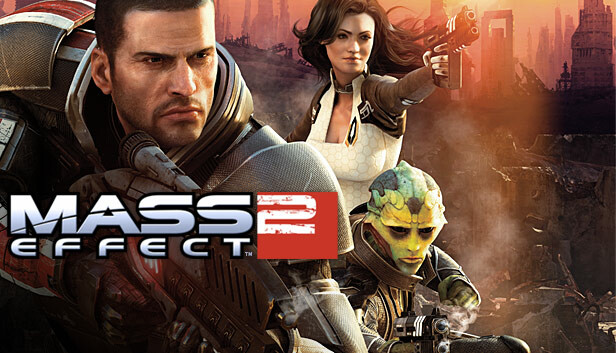
While the overarching goal is the grand, galaxy-saving assault mission, Mass Effect 2’s true genius lies not merely in this epic gesture of sacrifice. What renders the game truly unforgettable is its capacity to deliver profound emotional impact through the accumulation of "little things that matter." Players are empowered with choices – decisions that critically influence the survival of their squadmates, shape dialogue branches, and ultimately determine the outcome of the story. This sophisticated system transforms squad management from a purely tactical exercise into an emotional minefield. Who Commander Shepard recruits, who receives vital upgrades, and who is strategically placed in positions of leadership or vulnerability during the final assault are all consequential decisions. BioWare’s deliberate design philosophy, which centered the game around the player’s agency and its palpable impact, elevates Mass Effect 2 far beyond a simple character-building exercise.
In essence, the "suicide mission" is not primarily a test of combat prowess against alien adversaries; it is, more profoundly, a rigorous examination of loyalty, trust, and leadership. This theme permeates the game’s extensive dialogue, making every conversation, every personal quest, and every shared moment a reinforcement of the bonds being forged (or neglected) between Shepard and their crew. The careful cultivation of these relationships directly impacts the final mission’s success, imbuing player choices with significant emotional weight and narrative consequence.
A Masterclass in Character Writing: The Unforgettable Crew
The adventure derives much of its unique charm from the richly drawn characters of Mass Effect 2. Each squadmate possesses a distinct personality, a compelling backstory, and a personal quest that deepens their characterization and tests Shepard’s leadership. These elements combine to create a cast that elicits genuine emotional investment from players.
Commander Shepard: The Player’s Reflection
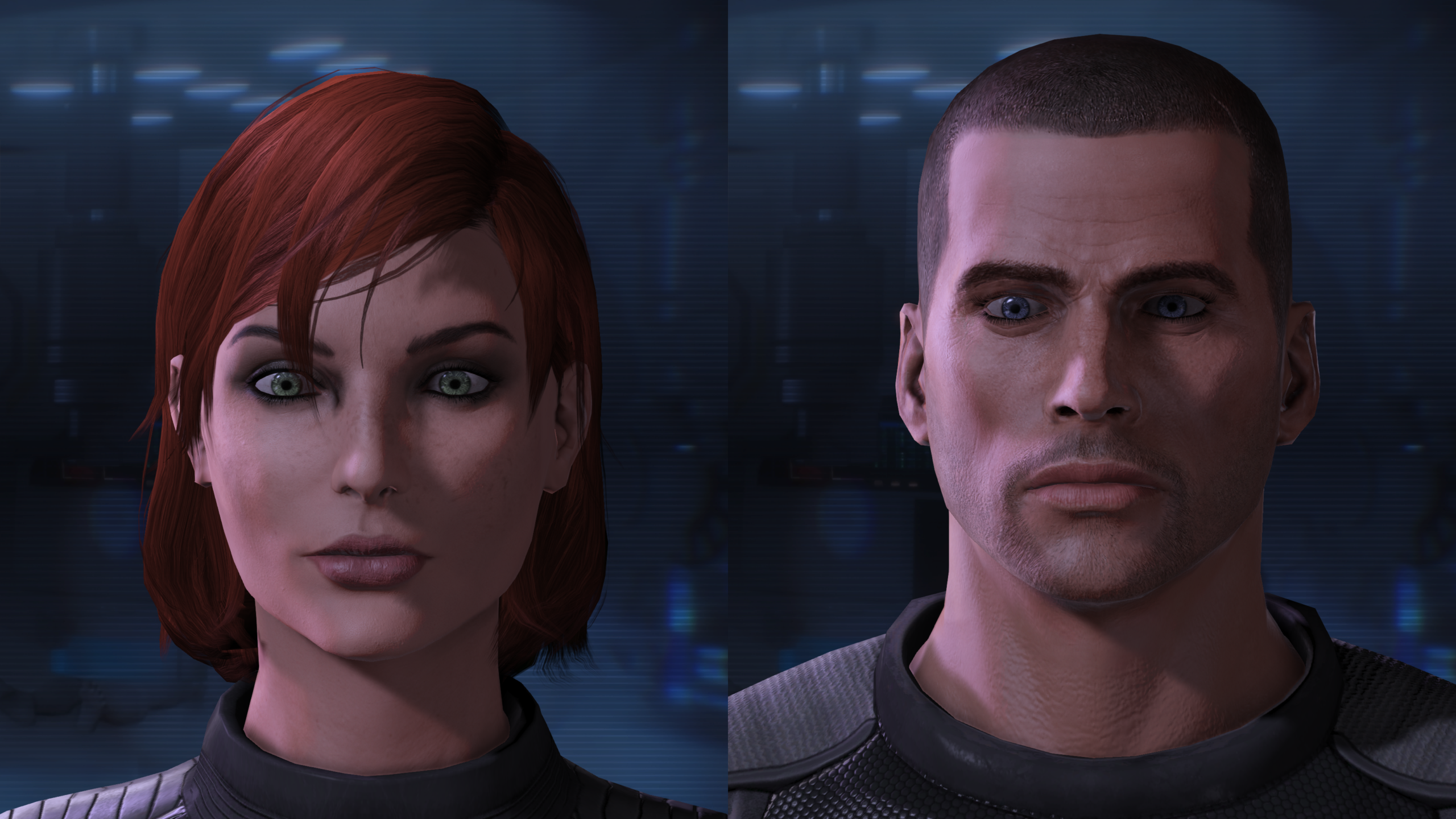
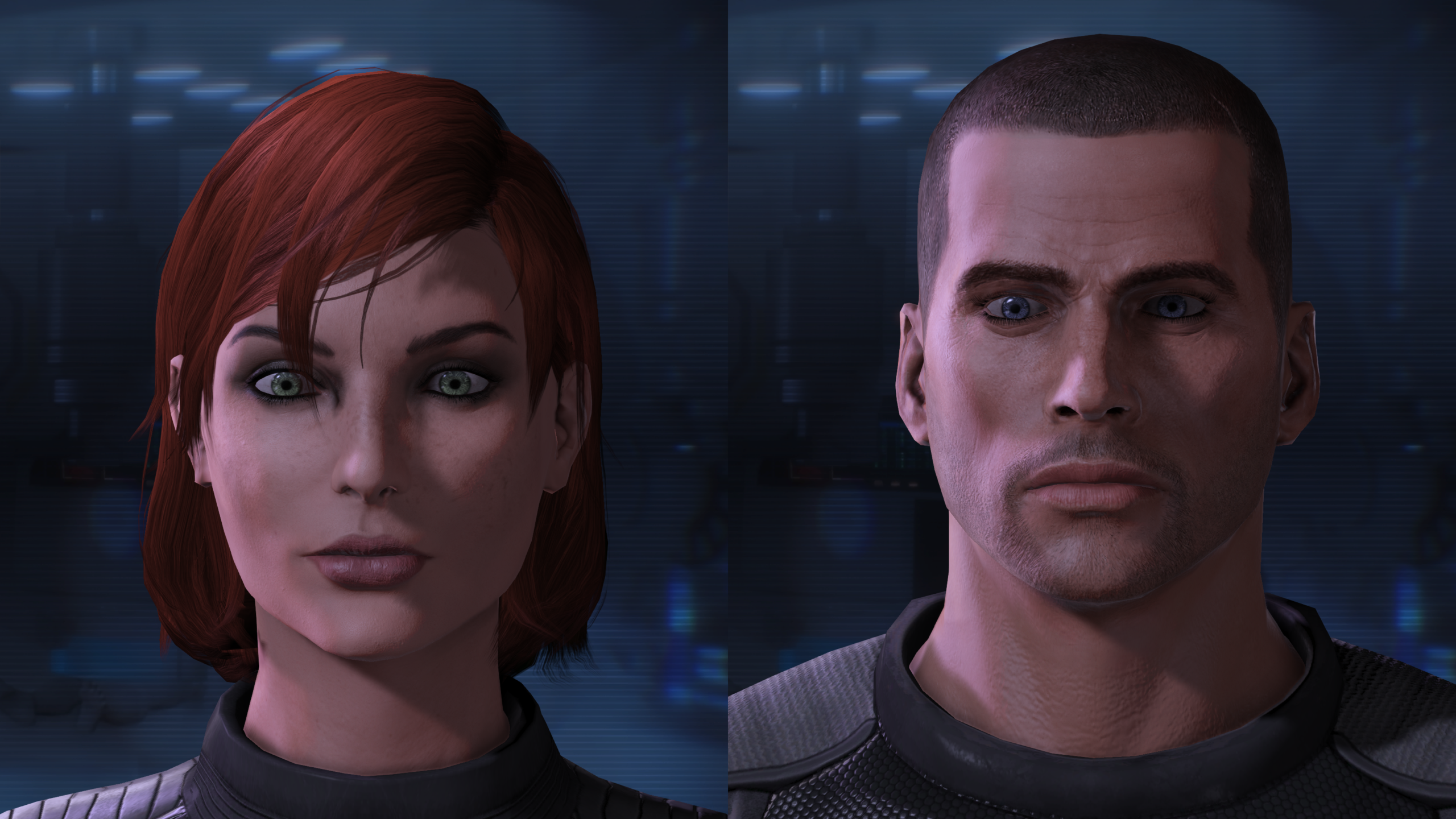
At the epicenter of Mass Effect 2’s narrative is Commander Shepard, the player’s avatar. Customizable from background (Spacer, Earthborn, or Colonist) to psychological profile (War Hero, Sole Survivor, or Ruthless), Shepard’s personality is further shaped by the player’s choices – whether to be a paragon of compassion, a pragmatic diplomat, or a ruthless pragmatist. Regardless of their chosen path, Shepard consistently delivers lines that underscore their unwavering authority, determination, and often, their sardonic wit.
- "I’m Commander Shepard, and this is my favorite store on the Citadel." (A classic line showcasing Shepard’s often dry sense of humor, becoming an iconic meme.)
- "We will hold the line!" (A rallying cry that embodies Shepard’s leadership and resolve in the face of overwhelming odds.)
- "The Collectors are attacking human colonies. I’m going to stop them. That’s all you need to know." (Demonstrates Shepard’s directness and singular focus on the mission.)
- "I don’t need luck. I have a highly trained team and a mission." (Highlights Shepard’s confidence in their crew and strategic approach.)
Miranda Lawson: The Burden of Perfection
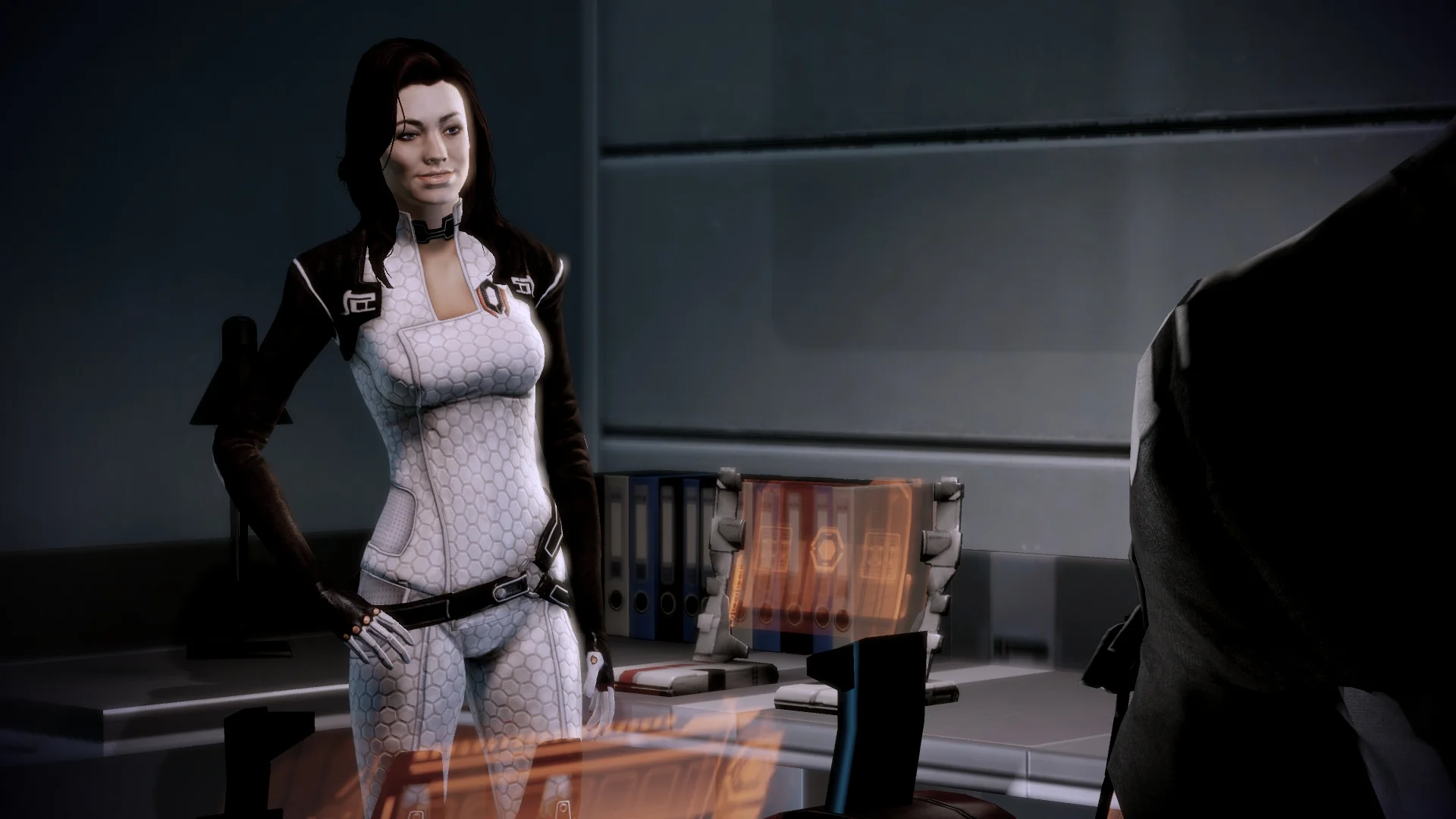
Miranda Lawson, one of the first individuals Shepard encounters post-resurrection, serves as Cerberus’s highly capable second-in-command. Her genetically engineered perfection and demanding upbringing forged a confident, often opinionated, and seemingly unyielding personality. Yet, Mass Effect 2 expertly peels back these layers, revealing a character grappling with profound issues of control, the weight of expectations, and the relentless pressure to prove her worth beyond her genetic design. Her loyalty mission delves into her complex relationship with her sister and abusive father, humanizing her significantly.
- "I am a perfect human specimen. I’ve been designed to be superior." (A statement of fact for her, yet hints at the internal pressure she carries.)
- "Don’t worry, Commander. I have everything under control." (Her characteristic confidence, often bordering on arrogance, yet also a genuine desire to protect her team.)
- "I’m tired of running from him. It’s time I faced my father." (Reveals her vulnerability and determination to break free from her past.)
- "My sister deserves a life, a choice, something I never had." (Underscores her deep-seated desire for agency, projecting it onto her sibling.)
Mordin Solus: The Moral Calculus of Survival
Mordin Solus, a Salarian geneticist, former Special Tasks Group operative, and one of Shepard’s most idiosyncratic recruits, stands out with his rapid-fire speech and ceaselessly analytical mind. Mordin is a character of immense scientific brilliance and profound moral complexity, famously involved in the genophage, a bioweapon designed to control the Krogan population. His personal journey in Mass Effect 2 explores the ethical dilemmas of his past actions and the consequences of scientific intervention on a galactic scale.
- "Had to be me. Someone else might have gotten it wrong." (His iconic line, embodying his utilitarian mindset and readiness to make difficult decisions for the greater good.)
- "Difficult, yes. But necessary. Greater good." (A recurring theme in his philosophy, grappling with the morality of his scientific choices.)
- "Information is currency. Always. More knowledge, more power." (Reflects his scientific drive and pragmatic view of the universe.)
- "Not many left. Too much death. Too much regret." (A rare moment of vulnerability, hinting at the toll his past decisions have taken.)
The Ensemble: Diverse Voices, Shared Destiny
Beyond these central figures, Mass Effect 2 boasts an impressive roster of companions, each contributing uniquely to the game’s narrative and thematic richness:
- Garrus Vakarian: The Turian vigilante, a fan-favorite, whose cynical wit and unwavering loyalty evolve into a deep camaraderie with Shepard.
- Grunt: A tank-bred Krogan super-soldier struggling with his identity and purpose, representing the raw, untamed force of his species.
- Thane Krios: A Drell assassin, spiritual and philosophical, facing a terminal illness, whose reflections on life, death, and duty offer profound insights.
- Tali’Zorah vas Neema: The Quarian engineer, whose journey for her people’s future and her personal growth from an innocent pilgrim to a capable leader is compelling.
- Jack: The volatile biotic convict, whose tortured past and fierce independence mask a deep-seated vulnerability.
- Samara: The Asari Justicar, bound by an ancient code, who embodies unwavering justice and the heavy price of her oath.
- Jacob Taylor: A former Alliance soldier now working for Cerberus, whose pragmatism and sense of duty provide a grounded perspective.
- Legion: A Geth artificial intelligence, who challenges preconceived notions of AI and sentience, sparking philosophical debates about life itself.
Lighter Moments: The Humanity in the Machine
Amidst the galaxy-threatening stakes and profound moral quandaries, Mass Effect 2 frequently injects moments of levity and character-driven humor. These lighter exchanges serve to humanize the crew further, providing welcome respites and strengthening the bonds between Shepard and their squad.
- "Shepard." "Wrex." "Shepard." "Grunt." "Shepard." (The often-repeated, gruff, yet endearing greetings between Krogan and Commander, highlighting their mutual respect.)
- "I enjoy the sight of humans on their knees." (Morinth, or Samara’s daughter, a chilling line demonstrating her dark nature, but often taken out of context for dark humor among players.)
- "Does this unit have a soul?" (Legion’s profound and recurring question, often delivered with an earnestness that makes it both thought-provoking and endearing.)
- "Emergency Induction Port." (Tali’s humorous explanation for drinking through her helmet, a charming insight into Quarian life.)
- "I should go." (Shepard’s iconic, sometimes awkwardly timed, exit line, which has become a running gag within the community.)
These interactions, whether a philosophical debate with Legion, a cynical quip from Garrus, or a moment of awkward humor with Tali, are instrumental in making the characters feel like genuine companions rather than mere gameplay mechanics.
Lasting Impact and Critical Acclaim
Mass Effect 2 was met with near-universal critical acclaim upon its release. Review aggregators like Metacritic show the game consistently scoring in the mid-90s, with many outlets hailing it as a masterpiece. Critics lauded its refined combat, stunning visuals, and, most prominently, its unparalleled narrative and character development. The game earned numerous "Game of the Year" awards from prestigious publications and organizations, with its writing frequently cited as a standout feature. The Academy of Interactive Arts & Sciences (AIAS) notably awarded it "Outstanding Achievement in Story" at the 2011 D.I.C.E. Awards, among other accolades.
Its commercial success was also significant, selling millions of copies worldwide and solidifying the Mass Effect trilogy as one of the most important science fiction sagas in video game history. Beyond sales and awards, its true legacy lies in its influence. Mass Effect 2 set a new standard for character-driven narratives in action RPGs, demonstrating how deep emotional investment in a cast of characters could elevate a game beyond its mechanics. It showed that player choices, when given genuine weight and consequence, could forge unforgettable, personal stories that resonate long after the credits roll.
In conclusion, Mass Effect 2 remains a towering achievement in video game storytelling. Its strength lies not just in its epic scale or refined gameplay, but in the intricate web of relationships, moral dilemmas, and impactful choices it presents to the player. BioWare’s commitment to crafting a memorable crew, whose personalities and struggles are etched into the player’s memory, ensures that the game continues to "hold up" and captivate new generations of gamers, proving that exceptional writing and character design are indeed the keys to timeless appeal.
About the Author