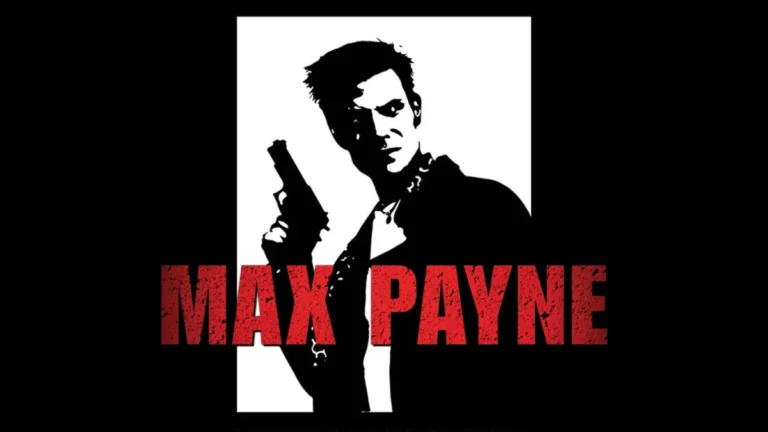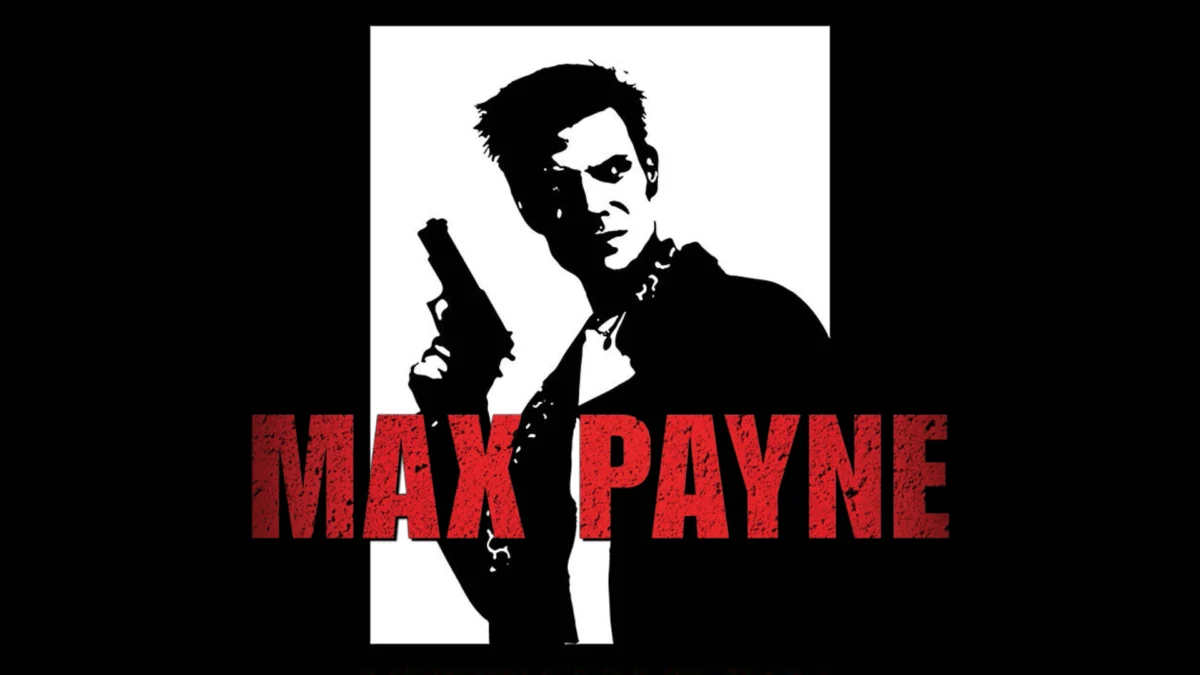
Remedy Entertainment’s 2001 release, Max Payne, carved a distinctive niche in the landscape of action-adventure video games, not merely through its innovative gameplay mechanics but through a narrative depth and stylistic coherence that set it apart. While many players might initially recall the game for its groundbreaking "Bullet Time" slow-motion combat, a feature that allowed for cinematic gunfights reminiscent of Hong Kong action cinema, it was the meticulously crafted hardboiled noir narration that truly cemented its status as a classic. This distinctive voice, steeped in cynicism and existential dread, transformed a high-octane shooter into an interactive crime novel, resonating deeply with critics and players alike, a sentiment echoed in contemporary reviews and ongoing discussions within communities like Reddit. The game’s dialogue and internal monologues delivered a narrative impact that often surpassed the visceral thrill of its gunplay, creating a truly memorable experience.
A New York Nightmare: The Genesis of Max Payne’s Story
Max Payne plunges players into the gritty, snow-swept underbelly of New York City, casting them as Max Payne, a detective for the NYPD. Max’s world is shattered when his wife and infant daughter are brutally murdered by junkies high on a new designer drug called Valkyr. This horrific event serves as the catalyst for Max’s descent into a personal hell, driving him to go undercover within the mafia to dismantle the drug’s distribution network and uncover the truth behind his family’s assassination.
The narrative quickly escalates as Max is framed for the murder of his partner, Alex Balder, transforming him into a fugitive hunted by both the police and the criminal underworld. His relentless quest for justice evolves into a desperate struggle for survival, exposing a vast, insidious conspiracy involving a shadowy military-industrial complex, corrupt government officials, and the highest echelons of power. The game’s story, delivered through a blend of in-engine cinematics and distinctive graphic novel-style cutscenes, meticulously weaves a tale of betrayal, revenge, and the corrosive nature of obsession. Max’s journey is not just a series of shootouts but a psychological odyssey through grief and nihilism, where the pursuit of retribution offers no true closure or healing, a profound theme expertly integrated into the gameplay and player’s actions.
Development and Release: A Chronology of Innovation
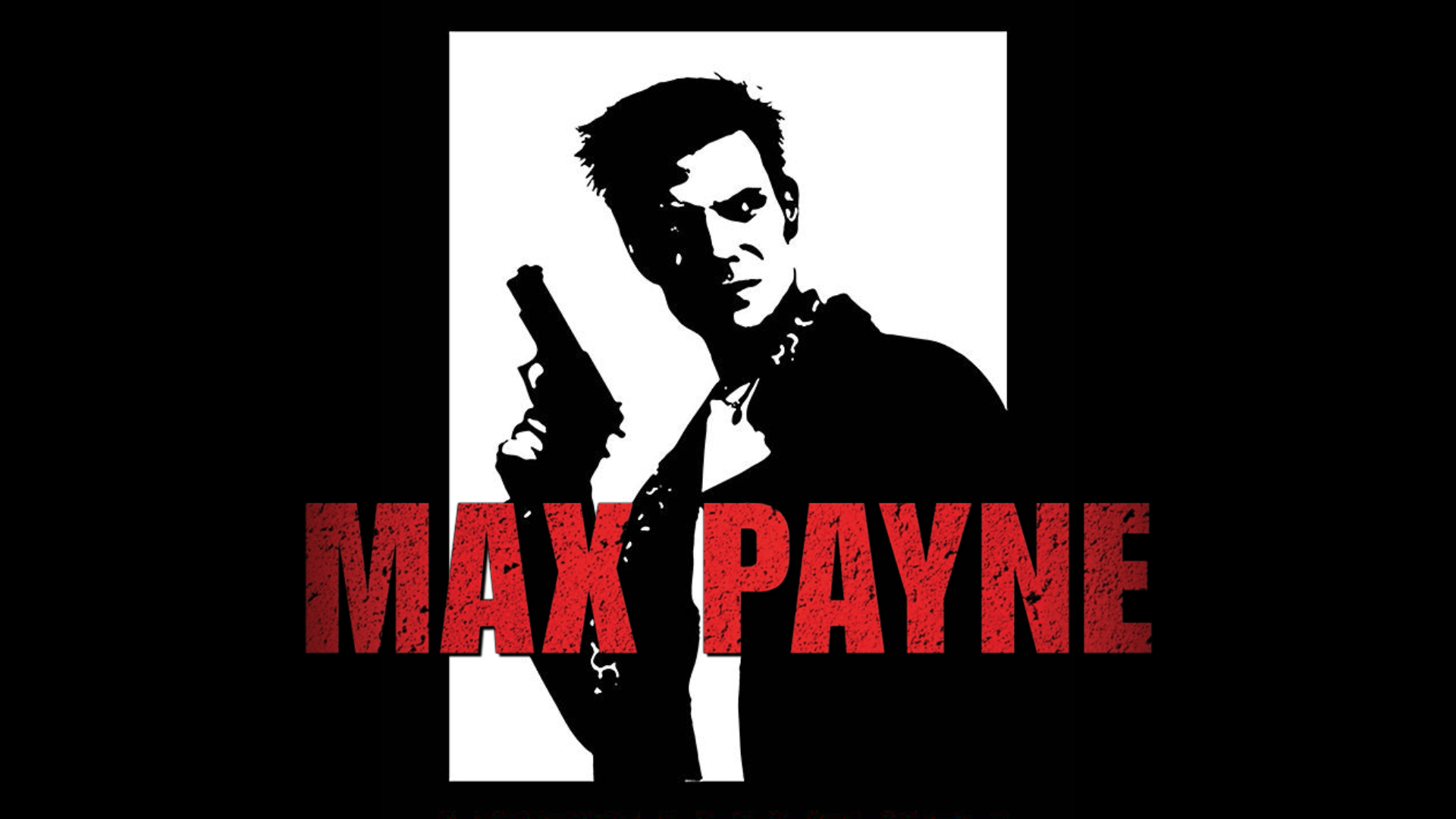
Remedy Entertainment, a Finnish studio previously known for titles like Death Rally, embarked on Max Payne‘s development in the late 1990s. The game was initially showcased at E3 1998, generating significant buzz for its ambitious visuals and concept. The development cycle was lengthy, spanning over three years, with a reported budget of over $2.5 million, a substantial sum for a PC game at the time. Key figures in its creation included Sam Lake, who not only wrote the game’s script but also served as the face model for Max Payne, and Petri Järvilehto, the lead programmer and co-designer. Their vision was to merge the kinetic action of John Woo films with the dark, introspective narrative style of hardboiled detective fiction.
Max Payne officially launched for PC on July 23, 2001, to widespread critical acclaim. Later that year, it was ported to the PlayStation 2 and Xbox, with Rockstar Games handling the console publishing, expanding its reach to a broader audience. The game’s success led to two sequels: Max Payne 2: The Fall of Max Payne in 2003, which continued Max’s story and further explored the themes of love and loss; and Max Payne 3 in 2012, developed by Rockstar Games, which took Max out of New York and into a new, sun-drenched, yet equally dangerous, environment. In April 2022, Remedy Entertainment, in partnership with Rockstar Games, announced remakes of Max Payne and Max Payne 2: The Fall of Max Payne, to be developed on Remedy’s Northlight Engine, signaling the enduring cultural relevance and demand for the franchise.
Supporting Data and Critical Acclaim
Upon its release, Max Payne garnered exceptional critical praise. The PC version holds an aggregate score of 89 out of 100 on Metacritic, indicating "universal acclaim." Critics lauded virtually every aspect of the game, from its groundbreaking "Bullet Time" mechanic and intense gunplay to its stunning graphics and atmospheric setting. However, it was consistently the narrative, writing, and voice acting that received the highest accolades. IGN’s review, for instance, highlighted the game’s "superb story and dialogue," noting that it "elevates Max Payne above your average action game." GameSpot praised the "intricate, film noir-style story" and the "dark, cynical internal monologue" that provided a unique narrative framework.
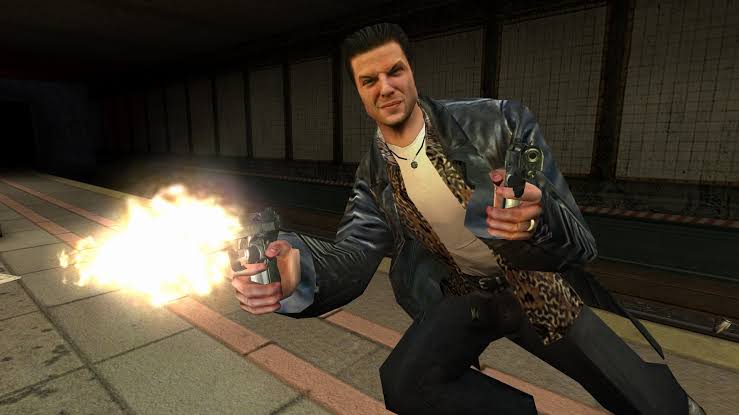
Commercially, Max Payne was a significant success. It sold over 2 million units worldwide by 2002, a strong performance for a new IP, particularly in the competitive PC gaming market. The game received numerous awards and nominations, including the British Academy Games Award for Best PC Game in 2001 and several "Game of the Year" honors from various publications. Its impact was so profound that it led to a 2008 film adaptation starring Mark Wahlberg, further cementing its place in popular culture, despite the film receiving mixed reviews. The enduring discussion on platforms like Reddit, where players continue to dissect its narrative nuances and memorable lines, underscores its lasting appeal and influence.
The Art of the Monologue: Iconic Lines and Narrative Impact
What truly distinguished Max Payne was its unwavering commitment to the hardboiled noir aesthetic, primarily conveyed through Max’s extensive internal monologue. This narrative device transformed the game into an interactive novel, allowing players to delve into Max’s tormented psyche, understand his motivations, and experience the world through his jaded, cynical lens. The dialogue, both spoken and internal, consistently struck a chord, making the game feel like a gritty paperback crime novel come to life.
Max Payne, as the central character, is a portrait of a man consumed by grief and vengeance. His lines are often imbued with a poetic fatalism, reflecting his exhaustion and the absurdity of his predicament. His internal thoughts provide the game’s unmistakable voice, offering philosophical observations and dark humor amidst the chaos. For example, his reflection, "The past is a gaping wound. I’m an empty shell," encapsulates his profound loss and the existential void that drives him. Another iconic line, "They were all dead. The final gunshot was an exclamation mark to everything that had led to this point. I had put an end to her. And in doing so, I had put an end to myself," highlights the self-destructive nature of his quest. These monologues were not just exposition; they were character development, mood-setting, and thematic exploration, all rolled into one.
The supporting cast also contributed significantly to the rich tapestry of the narrative. Mona Sax, a contract killer, stands as a formidable counterpart to Max. Her confidence and bluntness, devoid of any damsel-in-distress tropes, made her a compelling figure. Mona’s pragmatism and often cynical wit provided a contrast to Max’s brooding intensity, making their interactions charged with a unique dynamic. Vladimir Lem, a Russian arms dealer, initially appears as an ally, presenting himself as an old-fashioned bad guy with a twisted sense of honor. His colorful personality and often philosophical pronouncements added layers to the criminal underworld, challenging conventional notions of good and evil within the game’s dark narrative.
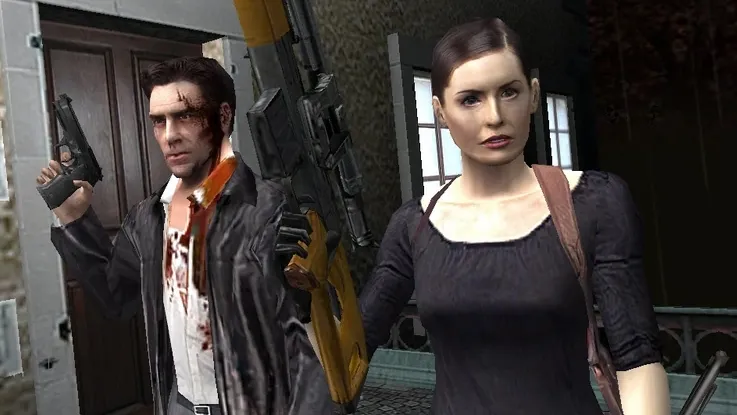
Even in its darkest moments, Max Payne offered brief, often darkly comedic, respites. These "lighter moments," often found in environmental storytelling or Max’s sardonic internal observations, served to underscore the game’s noir sensibilities by highlighting the inherent absurdity and bleak humor present even in the most dire circumstances. They reinforced that the dialogue and narrative were not merely a means to connect shootouts but an integral, defining feature of the entire experience.
Broader Impact and Implications
The narrative design of Max Payne had a lasting impact on the video game industry. It demonstrated that a linear action game could possess a deep, character-driven story without sacrificing intense gameplay. The use of internal monologues, graphic novel cutscenes, and a consistent noir tone provided a blueprint for future games aspiring to more cinematic and narratively rich experiences. It influenced a generation of developers to consider how story and gameplay could be more intimately intertwined, rather than existing as separate entities.
Furthermore, Max Payne‘s success helped solidify Remedy Entertainment’s reputation as a studio committed to strong narratives and innovative game design, a legacy they continued with titles like Alan Wake and Control, both of which feature distinct narrative voices and intricate storytelling. The game’s exploration of themes like grief, obsession, and corruption, through the lens of a relentless pursuit of revenge, offered players a more mature and introspective experience than many of its contemporaries. It challenged the notion that action games were purely about mindless violence, proving that they could also be powerful vehicles for complex emotional and philosophical narratives.
The enduring appeal of Max Payne, evidenced by the continued discussions among its fanbase and the recent announcement of a remake, speaks volumes about its quality and timelessness. Its narrative craftsmanship, anchored by Max Payne’s iconic voice and the game’s commitment to its hardboiled noir roots, remains a benchmark for storytelling in the interactive medium, proving that sometimes, the words hit harder than the bullets.
About the Author