Ten years ago, on January 18, 2011, Media Molecule’s critically acclaimed puzzle-platformer, LittleBigPlanet 2, launched, inviting players back into its vibrant, tactile world of imagination and creativity. More than just a sequel, LittleBigPlanet 2 represented a significant leap forward for the franchise, expanding upon the core mechanics of its predecessor and introducing a wealth of new tools for player expression. Central to the game’s immersive experience was its carefully curated licensed soundtrack, a sonic tapestry that underscored the game’s thematic evolution from global exploration to a celebration of scientific discovery and imaginative invention. This article delves into the creation and impact of LittleBigPlanet 2‘s licensed music, exploring the creative process, the challenges faced, and the enduring legacy of its diverse soundscape.
A Sonic Evolution: From Global Journeys to Scientific Frontiers
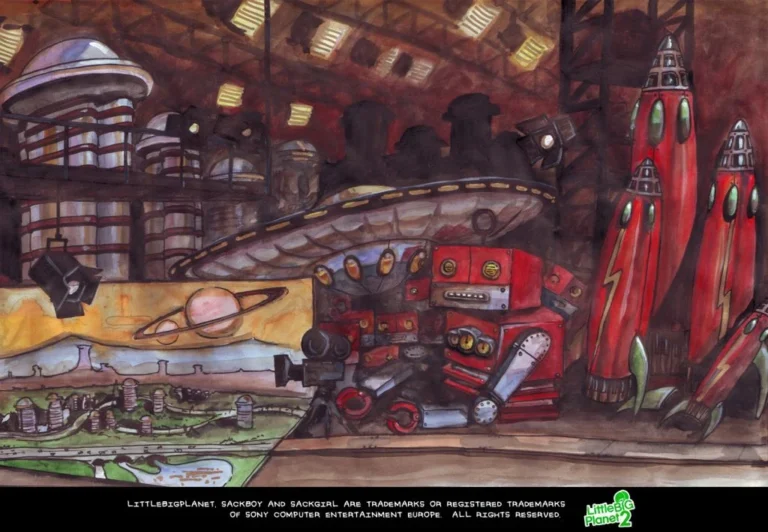
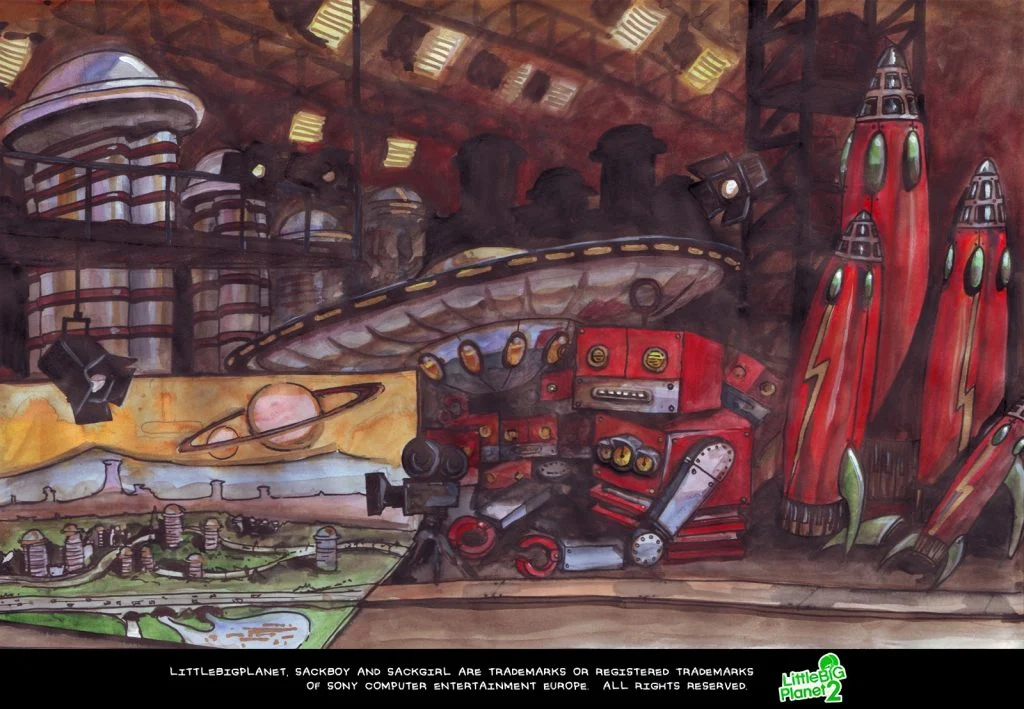
The genesis of LittleBigPlanet 2‘s soundtrack can be traced back to the ambitious thematic shift from the first game’s "journey around the world" to a more abstract yet equally inspiring concept: "science through the ages" or "science fiction through the ages." This pivot presented a unique challenge for the audio team. While the art department found rich visual inspiration in these themes, translating them into a cohesive and appropriate musical identity required a more nuanced approach.
The original score for LittleBigPlanet 2 was tasked with characterization, drama, and exposition, laying a strong foundation for the game’s narrative. The licensed soundtrack, however, was designed to complement this by providing sonic analogies that resonated with the art direction and the underlying emotions and ideas it evoked. This strategic division of labor allowed for a more focused and impactful selection of licensed tracks, avoiding redundancy and ensuring each musical element served a distinct purpose within the game.
The Playlist Architect: Crafting the Sonic Identity
The process of selecting music for LittleBigPlanet 2 was an iterative and collaborative endeavor, spearheaded by the game’s sound designer, who acted as the primary architect of its sonic identity. This involved not only identifying suitable tracks but also meticulously categorizing them based on their thematic relevance and potential fit within the game’s various environments and gameplay mechanics. This categorization resulted in three distinct playlists that offer a fascinating glimpse into the music evaluation process:
1. The LittleBigPlanet 2 Licensed Soundtrack
This playlist comprises the licensed tracks that ultimately made it into the final game, forming the familiar auditory backdrop for players. It’s important to note that, for backward compatibility with LittleBigPlanet 1 player-created levels, the game technically included all licensed music from its predecessor. However, for clarity and focus, these tracks were intentionally omitted from the curated retrospective playlist.
A significant challenge encountered during this phase was the availability of specific versions of licensed music. The team often licensed instrumental, remix, or edited versions of songs that were not readily available on mainstream music platforms like Spotify. These unique versions, often sourced from unofficial channels, were crucial for achieving the precise sonic texture and mood required for particular game segments. This highlighted the often-unseen complexities of music licensing in game development, where bespoke edits are frequently necessary.

2. The LittleBigPlanet 2 Alternate Universe Soundtrack
This collection represents a treasure trove of music that was considered for LittleBigPlanet 2 but ultimately did not make the final cut. These tracks were integral to the game’s conceptualization, offering alternative sonic palettes that were explored during development. While many of these tracks were unavailable on commercial platforms, they provide valuable insight into the creative detours and decisions made during the game’s production.
The majority of these tracks were excluded due to creative choices and evolving design directions rather than any inherent lack of quality. In rare instances, a desired track could not be licensed, a situation that, as the author notes, could be heartbreaking. This underscores the delicate balance between artistic vision and the practical realities of music licensing negotiations.
3. The LittleBigPlanet 2 ‘Brief Says No’ Soundtrack
This playlist showcases music that, while potentially interesting and thematically relevant, did not align with the project’s evolving "brief" or overall direction. Many of these selections originated from the early stages of the music search, proving useful for initial mock-ups and video concepting. As the project’s vision solidified, these tracks were eventually sidelined, either because they no longer fit the refined aesthetic or lacked the necessary energy to support dynamic gameplay. Despite their exclusion, these tracks represent valuable creative explorations and are well worth a listen for their own merits.
Chronology of Creation: From Pre-Production to Polished Product
The journey of LittleBigPlanet 2‘s soundtrack was a multi-year process, intricately linked with the game’s development cycle.
May 2009 (Pre-Production Phase): As development for LittleBigPlanet 2 began to ramp up, and before the entire team was fully engaged, the sound designer initiated the process of defining the game’s musical direction. A pivotal early step involved creating a music montage video. This video paired concept art for each game area with work-in-progress licensed music ideas. While rudimentary, this "quick and dirty" approach served as a powerful tool for kickstarting the creative process. It allowed for the visualization of how music could enhance the game’s thematic elements and provided a tangible starting point for discussions with the team.
During this initial phase, the high-level direction for each game area was heavily informed by the visual art direction. For instance, early explorations included concepts that would later evolve into distinct themes. Only one track from this initial selection, Ladytron’s "Ghosts," ultimately made it into the final game. However, prominent artists like Squarepusher and Röyksopp were already in consideration, albeit with different tracks than those ultimately chosen.
The creation of these music concept videos, akin to 2D visual concept art or reference material, was crucial. They served as a "mood board" and a communication tool, helping to coalesce disparate visual and aural ideas into a cohesive experience. This marked an important milestone, enabling the team to develop a shared understanding of the project’s aesthetic goals.

December 2009 (Evolving Vision): Approximately a year before the game’s release, the musical ideas had undergone further refinement, beginning to resemble the sonic landscape of the finished product. At this stage, the game’s thematic structure had evolved from an initial eight areas to six, reflecting a merging of overlapping concepts and a streamlining of content requirements as full production commenced. The music direction mirrored this evolution, with a focus on both refinement and better supporting gameplay.
However, certain creative aspects remained fluid. The "Soviet/Hollywood mashup" for Clive’s Factory, the definition of "organic" for Eve’s Asylum in the context of high-intensity gameplay, and the development of the music sequencer gadget for the 8-bit sounds of The Cosmos were still areas of active development.
Significantly, by December 2009, approximately 10 out of the 21 licensed tracks that would eventually be featured in the game were being considered. While not yet definitively "keepers," their presence indicated a strong direction was emerging. Crucially, the licensing process itself had not yet begun. This meant that securing the rights to use any of the selected music was not guaranteed, emphasizing the need for an "overprovision" of suitable music to allow for backup options.
May 2010 (Office Relocation): The team moved out of their original office on Mary Road, the birthplace of the first LittleBigPlanet, in May 2010, shortly after LittleBigPlanet 2‘s announcement. This physical relocation symbolized a new chapter for the studio and the project.
October 2010 (Licensing Hurdles and Schedule Adjustments): As development neared its end, a significant decision was made to delay the game’s release from the crucial Christmas market to January 2011. This delay, though challenging, was necessary to ensure the game was fully polished. The extended timeline proved beneficial for the soundtrack, as several tracks were not cleared until as late as October 2010. One particular track took an arduous six months to secure licensing approval, a testament to the often-unpredictable nature of music rights negotiations.
The Collaborative Symphony: A Team Effort in Sonic Discovery
The selection of licensed music for LittleBigPlanet 2 was not the work of a single individual but a testament to a collaborative spirit. While the sound designer played a central role, input and suggestions flowed from various team members and external collaborators.
Initially, music suggestions primarily came from within the Media Molecule team. The success and impact of the first game’s soundtrack had fostered a keen interest among staff to contribute to the sequel’s audio landscape. This collective enthusiasm led to a broader range of ideas and a more diverse pool of potential tracks.

By the time the game neared its announcement, collaboration with Sony’s music licensing team significantly expanded the scope of music review and consideration. This partnership proved highly effective, as the project’s musical direction had matured sufficiently for Sony’s searches and suggestions to be focused and productive.
Key individuals who contributed significantly to the soundtrack’s development included:
- From Media Molecule: Dan, John, Rex, Alex, Costa, Jim, Jonatan, Mark, Martin, and Tom.
- From Sony: Martin Hewett and Jo.
This broad participation highlights the inclusive nature of the creative process, demonstrating how diverse perspectives can enrich a project’s final output. Many of the tracks found in the "Alternate Universe" and "’Brief Says No’" playlists originated from these collaborative efforts, showcasing the breadth of musical exploration undertaken.
Data-Driven Decisions: Analyzing the Soundtrack’s Impact
While specific sales figures for the LittleBigPlanet 2 soundtrack are not publicly available, its critical reception and player feedback provide strong indicators of its success. The game itself sold over 3 million units worldwide, a significant commercial achievement that speaks to its broad appeal. The licensed music played an integral role in creating the game’s unique atmosphere and emotional resonance, contributing directly to its positive reception.
Player comments shared over the years consistently praise the soundtrack, with many fans recalling its impact on their childhoods and noting that they continue to listen to it regularly. This enduring connection underscores the power of music to transcend its original context and foster lasting emotional bonds with audiences. The ability of game music to be enjoyed independently of the game itself is a crucial factor in its long-term relevance, particularly as gaming platforms age and become less accessible.
Thematic Resonance: "Sleepyhead" and the Announcement Trailer
A particularly noteworthy instance of music selection was the use of Passion Pit’s "Sleepyhead" for the announcement trailer. This choice, initially suggested by Rex, was a strategic decision to capture a specific emotional tone that would resonate with the game’s themes of community, achievement, and forward momentum, while also acknowledging the sequel’s more digital aesthetic.
The selection process involved exploring various options, including an initial "Plan A" track that ultimately wasn’t licensed. The ebb and flow of "Sleepyhead," with its smooth build-up and sharp descent, proved ideal for the trailer’s pacing, allowing for dynamic shifts in messaging and sustained audience engagement. The pitched-up vocals, particularly the Irish Gaelic samples, were noted as a charming and fitting complement to the game’s Sackfolk characters.

Although "Sleepyhead" was not a perfect fit for the game’s core gameplay mechanics, its strong association with the project’s marketing made its inclusion desirable. The team ultimately found a meaningful place for it in the game’s end credits, demonstrating a commitment to integrating key marketing music into the final product where possible. This highlights the complex interplay between marketing and in-game audio design.
Broader Implications: Music as a Vehicle for Memory and Community
The enduring appeal of LittleBigPlanet 2‘s licensed soundtrack speaks to the profound impact music can have on our memories and sense of community. The game’s vibrant worlds, engaging gameplay, and the diverse musical landscape it presented collectively forged strong emotional connections with players.
The fact that many fans still actively listen to the soundtrack years later is a testament to its quality and its ability to evoke cherished memories of their childhoods and the game’s unique community. In an era where digital experiences can sometimes feel ephemeral, music provides a tangible anchor, allowing individuals to revisit those formative moments and reconnect with the experiences that shaped them.
The contribution of the licensed music to making LittleBigPlanet 2 truly "itself" cannot be overstated. It was not merely background accompaniment but an integral component of the game’s identity, enhancing its imaginative scope and emotional depth. As the game celebrates its tenth anniversary, its soundtrack stands as a powerful reminder of the collaborative spirit, creative vision, and the enduring magic that defined this beloved title. The legacy of LittleBigPlanet 2‘s licensed soundtrack continues to resonate, proving that great music can indeed live on long after the game has been put away.
About the Author