Digital entertainment forms like video games and webtoons have mastered the art of generating momentum, transforming brief engagements into sustained, immersive experiences. This phenomenon, characterized by continuous progression, compelling narratives, intriguing characters, and the perpetual promise of new discoveries, captivates audiences, making these mediums exceptionally difficult to disengage from once initiated. The allure lies in their sophisticated design, which expertly leverages human psychological triggers to foster deep investment and sustained curiosity.
The Irresistible Pull: Deconstructing Binge Behavior
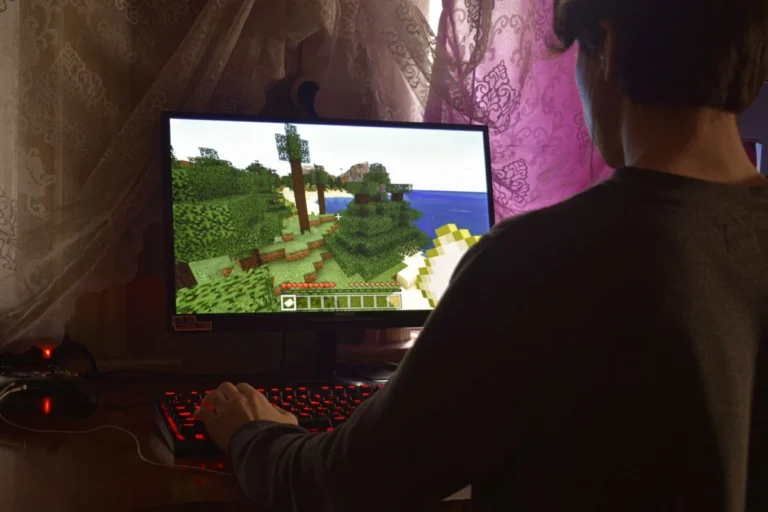
The experience is remarkably consistent across both platforms. A gamer intends to play for thirty minutes, completes a mission, only to find a new area unlocked or a companion revealing a critical plot twist. The decision to play "just a bit longer" invariably leads to hours slipping by unnoticed. Similarly, a webtoon reader finishes an episode, encounters a sharp cliffhanger, and with the next chapter merely a scroll away, a quick reading break escalates into an extended marathon. While outwardly distinct—gaming offers interactive control over action and strategy, whereas webtoons present a linear, scrolling narrative—both formats employ strikingly similar psychological mechanisms to maintain engagement. The common denominator is the promise of perpetual discovery and advancement, ensuring "there is always something waiting around the corner."
Academic research consistently highlights the efficacy of reward and progression systems in digital engagement. A study published in Computers in Human Behavior (2017) emphasized how games utilize such mechanics to propel players forward. Webtoons mirror this by delivering new episodes, unfolding character developments, and strategically deploying cliffhangers, creating an identical cycle of anticipation and reward. This systematic engagement is not accidental; it is the result of deliberate design choices rooted in behavioral psychology.
Progression as a Foundational Pillar of Engagement
Progression is not merely a feature; it is a foundational pillar of compelling digital design. In games, players are almost invariably working towards a goal, be it leveling up a character, mastering a new skill, or uncovering the next chapter of an overarching narrative. Each minor achievement or "win" acts as a positive reinforcement, fueling the desire to discover what lies ahead. Research on video game engagement, such as that found in Psychological Science (2010), suggests that games are profoundly motivating when they instill a sense of competence and connection in players. The continuous feedback loop of accomplishing goals, however small, affirms a player’s growing mastery and investment.
This constant sense of forward movement is crucial for maintaining interest. When a player perceives continuous progress and readily attainable next goals, sustained investment is significantly easier than when levels or chapters feel disconnected or repetitive. Expert game designers understand that a truly engaging experience does not rely on a single mechanic but on an intricate interplay of systems that collectively make the journey rewarding. From skill trees and unlockable abilities to expanding maps and escalating challenges, these systems work in concert to provide a dynamic and evolving experience.
Webtoons achieve a remarkably similar sense of momentum. While the reader’s interaction is limited to scrolling, the narrative itself acts as the progression system. Readers are driven forward by character arcs, plot developments, and the incremental reveal of information. The "next" chapter isn’t just a new page; it’s the next emotional destination, the next piece of the puzzle. The medium changes, but the fundamental human desire for progression—for growth, understanding, and resolution—remains constant, powerfully compelling readers to continue their journey.
The Narrative Imperative: Giving Movement Meaning
While progression provides the structural framework for engagement, a compelling story imbues that movement with genuine meaning and emotional weight. A game might boast cutting-edge graphics and innovative mechanics, but without a strong narrative core, its long-term appeal can wane. It is the story that often distinguishes a memorable experience from a fleeting one. When players develop an emotional connection to characters—their struggles, triumphs, and vulnerabilities—they become deeply invested in their fates.
Questions like, "Will my companion survive the impending battle?" or "What dark secret is the villain concealing?" transform passive gameplay into a personal odyssey. This explains why story-driven games like The Last of Us or Red Dead Redemption 2 resonate for years, their narratives etched into players’ memories. They are not merely completing tasks; they are living through a meticulously crafted journey. This same phenomenon occurs with webtoons; readers become emotionally entangled with characters, transforming from passive observers into deeply invested participants in their unfolding sagas. The narrative provides the "why," making every scroll and every action meaningful.
The Cliffhanger: Architect of the "One More" Effect
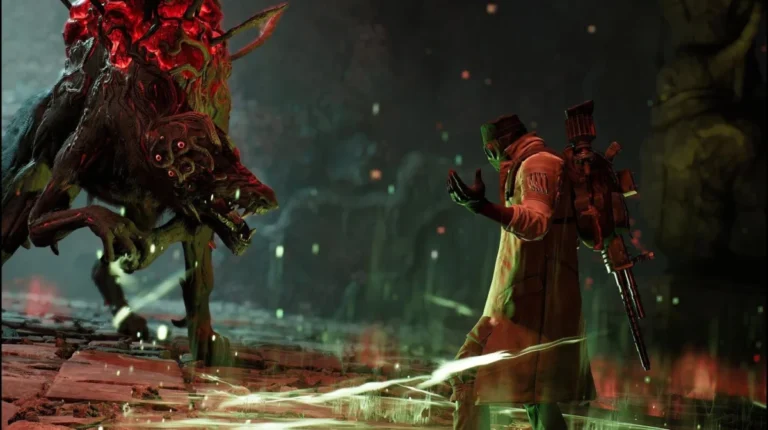
The "one more" effect is perhaps the most potent psychological tool employed by binge-worthy entertainment, and the cliffhanger is its master architect. A well-executed cliffhanger creates an immediate, almost unbearable information gap. Just as a protagonist uncovers a profound betrayal or an antagonist steps menacingly from the shadows, the narrative abruptly cuts, leaving the audience suspended in a state of heightened anticipation. This sudden spike in tension and unresolved curiosity triggers a powerful craving for immediate resolution.
This psychological phenomenon is often linked to the Zeigarnik effect, which suggests that people remember unfinished or interrupted tasks better than completed ones, leading to an intrinsic motivation to seek closure. Game designers strategically employ similar structural techniques. They often answer one lingering question only to introduce two new mysteries, subtly guiding players through a labyrinth of interconnected narratives and challenges. The end of a major quest might resolve a plot point but simultaneously open a new questline with even higher stakes.
Webtoons, by their very episodic nature, are perfectly suited for this architectural approach. Each episode delivers a localized payoff—a moment of triumph, a minor revelation—while simultaneously planting seeds of curiosity for the next installment. This expert management of information ensures that the audience never feels completely "finished," always leaving them with a compelling reason to scroll to the next chapter. The digital format, which allows for instant access, amplifies this effect, removing any friction between the desire for resolution and its immediate gratification.
The Convergence of Engagement: Why Gamers Become Binge Readers
Gamers are inherently conditioned to continuous entertainment loops. From the endless grind for loot to the overarching narrative arcs that span dozens of hours, the gaming experience trains players to anticipate and seek out sustained engagement. This conditioning makes them particularly receptive to webtoons, which establish a parallel rhythm of episodic progression and narrative payoff.
The two formats, despite their operational differences, share fundamental storytelling DNA. Modern game design increasingly emphasizes narrative depth, character development, and emotional resonance. Not every gaming session needs to be about intense action; often, players seek a rich story to get lost in. Webtoons offer precisely this—an accessible, narrative-rich experience that can be consumed at leisure. The ubiquity of smartphones further facilitates this cross-pollination of habits; with a device always at hand, transitioning from a gaming session to a webtoon reading session is seamless, tapping into the same psychological need for continuous story and progression.
The Digital Ecosystem: Enabling Uninterrupted Flow
Convenience plays a pivotal role in sustaining engagement. If finding the next episode or level requires significant effort or navigation, the delicate thread of immersion can easily break, leading to a loss of interest. Platforms that offer a streamlined reading or playing experience, an easily browsable library, and quick, friction-free access to new content are crucial for maintaining momentum.
For readers exploring platforms for webtoons and manhwa, factors such as the size and diversity of the catalog, the user interface, and the subscription model are critical considerations. Services that offer subscription-based access to a vast library, rather than charging for individual chapters, enhance the perception of value and reduce barriers to continuous consumption. Questions regarding access, such as "Is HoneyToon free?" or "Is HoneyToon Safe & Legit?", are common queries users have before committing to a platform, reflecting the importance of transparent and trustworthy access in sustaining digital consumption habits. The seamlessness of the digital ecosystem—from intuitive apps to synchronized progress across devices—is designed to minimize interruptions and maximize the potential for extended, binge-worthy sessions.
Broader Implications and the Future of Digital Storytelling
The rise of binge-worthy entertainment carries significant societal and economic implications. Economically, it has fueled the explosive growth of the gaming and webtoon industries, creating multi-billion dollar markets. The global video game market, for instance, was valued at over $200 billion in 2023, while the webtoon market is rapidly expanding, particularly in Asia, with significant growth projected worldwide. This growth is driven directly by the ability of these mediums to capture and retain audience attention for extended periods.
Societally, the prevalence of binge consumption reflects a broader cultural shift towards on-demand, personalized entertainment. While offering unparalleled access to diverse stories and experiences, it also raises questions about time management, digital well-being, and the potential for addiction. The constant availability of "one more" chapter or mission challenges individuals to practice self-regulation in an environment designed for continuous engagement.
Looking ahead, the lines between these entertainment forms are likely to blur even further. We may see more interactive webtoons incorporating elements of choice and progression, and games integrating even deeper, more complex narrative structures with episodic releases that mimic traditional storytelling formats. The core principles of progression, compelling narrative, character investment, and strategic cliffhangers will remain central, continually evolving to keep pace with technological advancements and shifting consumer preferences.
Conclusion
The phrase "one more" encapsulates the profound appeal of modern digital entertainment. One more mission. One more level. One more episode. One more chapter. Despite their differing formats, video games and webtoons tap into remarkably similar psychological drives. Audiences continue to engage when they feel deeply invested in the experience and perpetually curious about what lies ahead.
For designers and creators, this underscores that engagement transcends mere mechanics or aesthetics. It is a holistic endeavor where progression, masterful storytelling, relatable characters, and the strategic cultivation of curiosity coalesce to create an irresistible pull. For consumers, it explains why a planned 30-minute gaming session or a quick webtoon read can effortlessly expand into an entire evening of immersive entertainment. The best digital experiences do not merely vie for our attention; they provide compelling, psychologically resonant reasons to keep going, crafting a cycle of engagement that is both rewarding and remarkably difficult to break.
About the Author