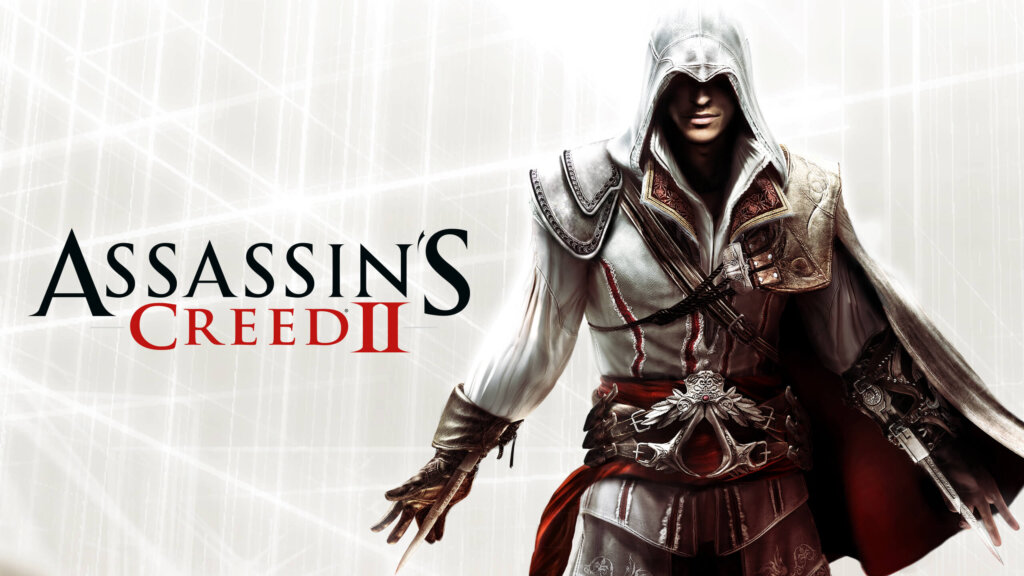
Ubisoft Montreal’s Assassin’s Creed franchise debuted robustly in 2007, but its initial offering was met with notable feedback from players and critics regarding its repetitive mission structure and somewhat detached protagonist. Recognizing these areas for improvement, the development studio meticulously addressed these concerns, culminating in the release of Assassin’s Creed II in 2009. This sequel not only rectified its predecessor’s shortcomings but also significantly elevated the series, earning widespread critical acclaim and establishing itself as a benchmark for open-world action-adventure games. It achieved universal acclaim on Metacritic, boasting scores such as 91/100 for PlayStation 3 and Xbox 360, and 86/100 for PC, a stark improvement that underscored its refined gameplay, captivating narrative, and indelible character development.
From Promise to Perfection: Addressing Early Criticisms
The original Assassin’s Creed laid crucial groundwork, introducing the core gameplay loop of parkour, stealth, and combat within meticulously recreated historical settings. Its premise of a secret war between Assassins and Templars, intertwined with a modern-day genetic memory exploration, was groundbreaking. However, the game faced criticism for its lack of mission variety, often boiling down to repetitive information-gathering tasks leading to a single assassination. The protagonist, Altaïr Ibn-La’Ahad, while stoic and formidable, was perceived by some as less emotionally engaging. Ubisoft Montreal, a studio known for its ambitious projects, took these critiques seriously. Post-launch surveys and critical reviews provided invaluable data, informing a comprehensive development strategy for the sequel. The goal was not merely to iterate but to innovate, creating a game that retained the core appeal of its predecessor while expanding its narrative depth, gameplay mechanics, and player agency.
A New Dawn for the Animus: The Narrative and World of Assassin’s Creed II
Assassin’s Creed II immediately immersed players back into the modern-day plight of Desmond Miles, who, under the guidance of a new Assassin cell, re-enters the Animus to delve deeper into his genetic past. This time, the journey transported players to Renaissance Italy, a period of unparalleled artistic, scientific, and political ferment, through the eyes of Ezio Auditore da Firenze. Born into a noble Florentine family in 1459, Ezio’s initial carefree existence as a charming, if somewhat reckless, young man is brutally shattered by the execution of his father and brothers. This traumatic event propels him into a quest for vengeance, which gradually evolves into a deeper understanding of the ancient conflict between the Assassins and the Templars.
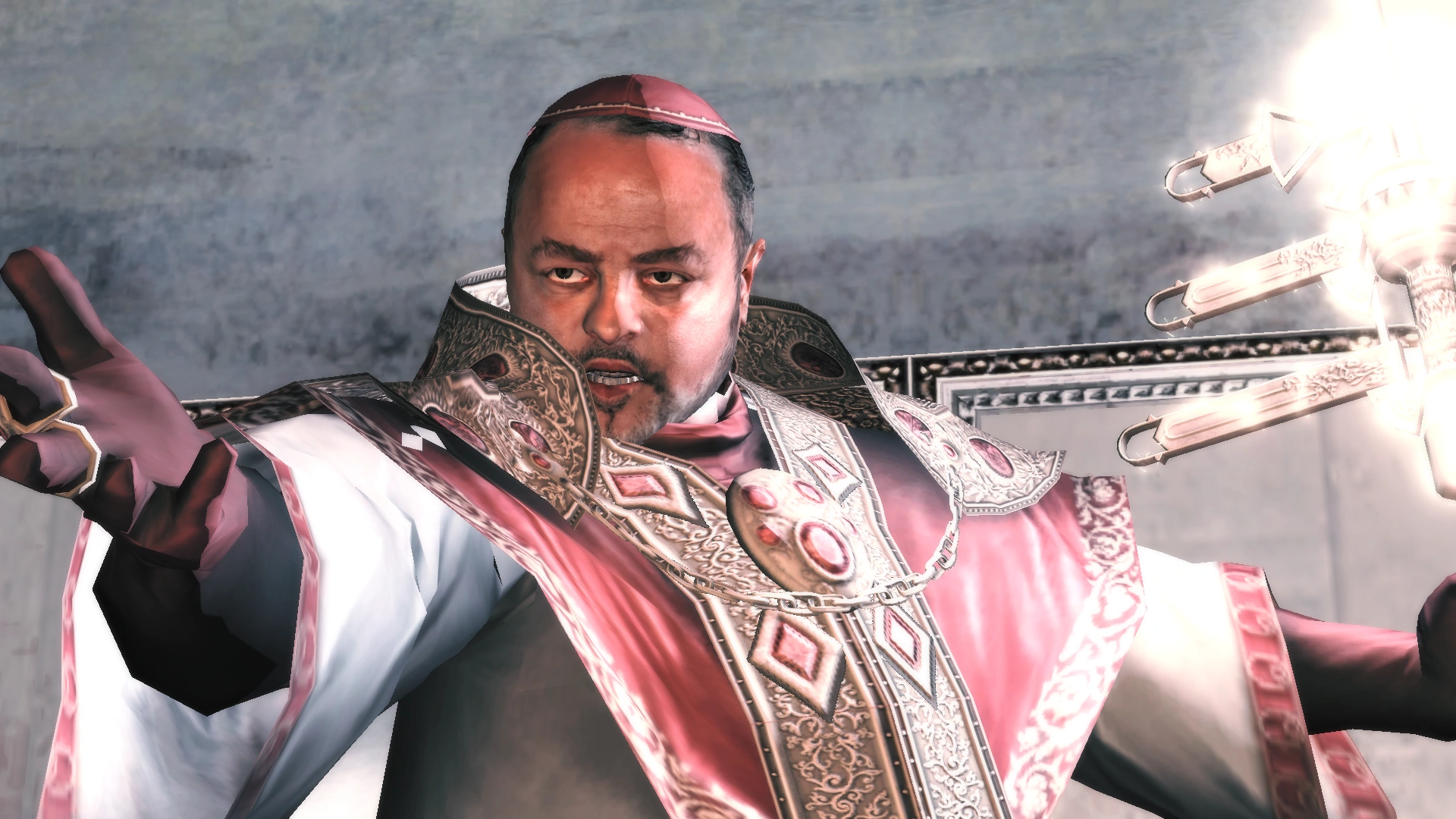
The narrative skillfully weaves historical intrigue, personal vendetta, and a grand secret war. Players encounter iconic historical figures such as Leonardo da Vinci, Niccolò Machiavelli, Lorenzo de’ Medici, and even Pope Alexander VI (Rodrigo Borgia, the primary antagonist). These characters are not merely cameos but integral to Ezio’s journey, offering assistance, challenges, and context to the unfolding conspiracy. The story masterfully balances the personal tragedy of Ezio’s family with the broader ideological struggle, exploring themes of justice, fate, purpose, and the moral complexities of power. The shift from a simple vendetta to a nuanced exploration of history’s role and the fight for free will resonates profoundly, elevating the narrative beyond a typical revenge plot. This thematic richness, combined with a highly engaging protagonist, became a cornerstone of the game’s enduring appeal.
Gameplay Evolution: Refinements and Innovations
The developmental efforts poured into Assassin’s Creed II were evident in its vastly improved gameplay experience. The fluid parkour system, a hallmark of the series, was enhanced with new moves and greater environmental interaction, allowing for more dynamic and intuitive navigation across the meticulously recreated cities of Florence, Venice, Forlì, San Gimignano, and Monteriggioni. Combat received a significant overhaul, introducing disarming maneuvers, a wider array of weapons (swords, daggers, hidden blades, smoke bombs, throwing knives), and a more responsive parry system. Leonardo da Vinci’s workshop became a hub for technological innovation, providing Ezio with upgrades like the iconic dual hidden blades and even a rudimentary flying machine, adding exciting new dimensions to infiltration and traversal.
Mission variety, a major criticism of the first game, was dramatically expanded. Assassin’s Creed II offered a rich tapestry of main quests, side missions, and optional activities. Players engaged in intricate assassinations, stealth-based infiltration, chase sequences, investigations, races, beat-ups, and even economic management. The introduction of the Auditore Villa in Monteriggioni allowed players to invest in its restoration, generating income and providing a tangible sense of progression and connection to Ezio’s ancestral home. This economic system, alongside the notoriety system that tracked Ezio’s public profile, added layers of depth and strategic choice, empowering players to approach the open world with unprecedented freedom. The ability to hire various factions—mercenaries, courtesans, and thieves—to aid in missions further expanded tactical possibilities, ensuring that each encounter felt fresh and engaging.
The Art of Dialogue: Crafting Memorable Characters and Themes
One of the most praised aspects of Assassin’s Creed II was its exceptional writing and character development, which earned it multiple writing award nominations, including a Writers Guild of America Award nomination for Best Videogame Writing. The dialogue was sharp, witty, and profoundly impactful, giving nearly every character something memorable to say and contributing significantly to the game’s immersive atmosphere and emotional resonance.
Ezio Auditore da Firenze: The Journey of a Florentine Nobleman
Ezio Auditore da Firenze stands as one of the most recognizable and beloved protagonists in video game history. His journey from a carefree ladies’ man to a mature, principled Master Assassin is a masterclass in character evolution. His early lines reflect his impulsive, charming nature: "It is a good life we lead, brother," he might quip to his sibling Federico, before the tragedy strikes. As he embarks on his path of vengeance, guided by his uncle Mario, his determination hardens, but his wit and humanity remain. His iconic creed, "Requiescat in pace" (Rest in peace), uttered after each assassination, evolves from a simple declaration of vengeance to a solemn prayer for the fallen, reflecting his growing understanding of the Assassin’s burden. By the game’s conclusion, Ezio’s philosophical musings, particularly in his confrontation with "The Prophet" Minerva, underscore his transformation: "I have seen enough for one lifetime." His arc resonated deeply with players, making him a character whose growth felt earned and authentic.
Mario Auditore: The Mentor’s Wisdom
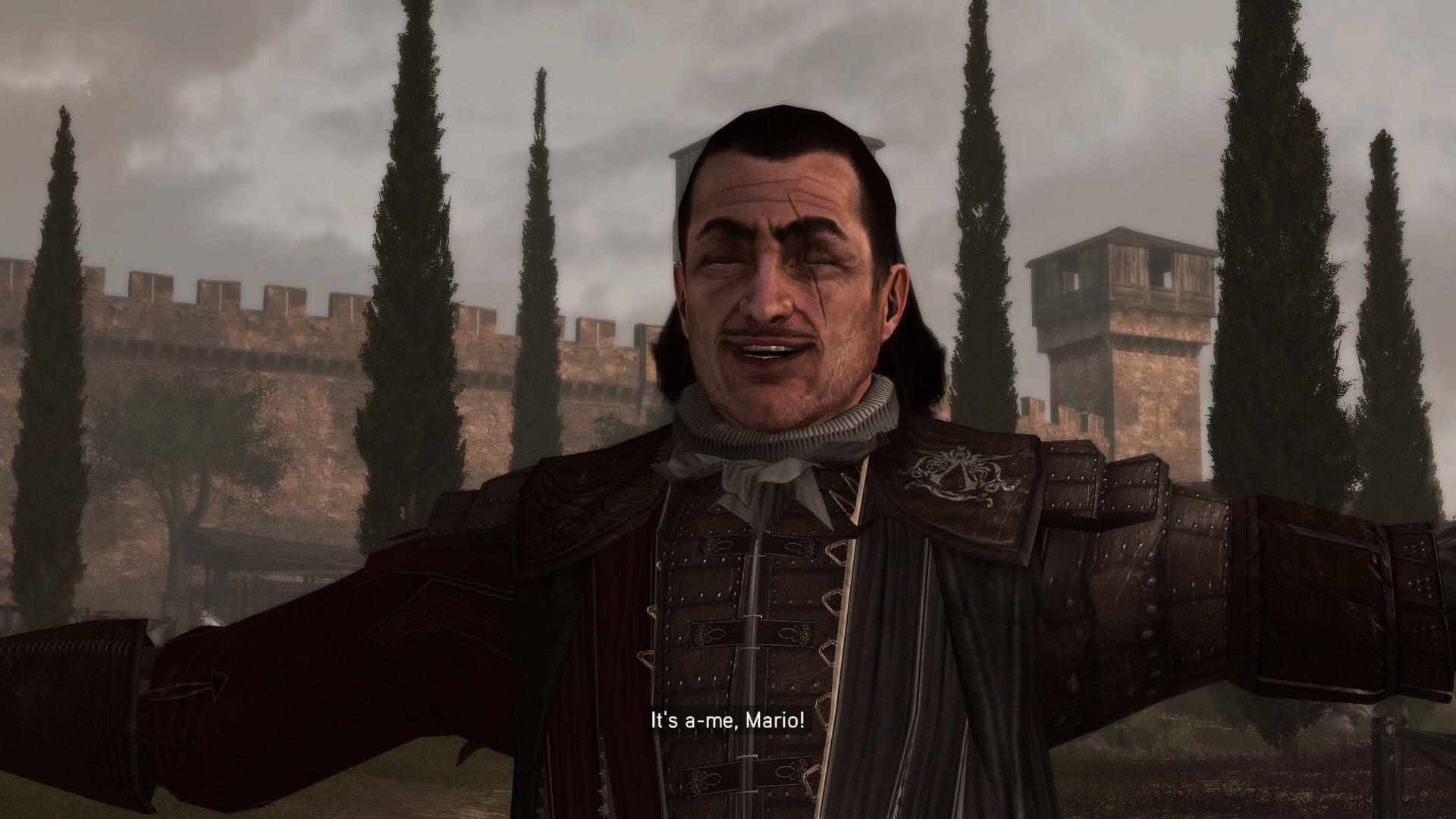
Ezio’s uncle, Mario Auditore, serves as a crucial mentor figure, embodying the blunt, practical, and experienced wisdom of the Assassin Order. A seasoned mercenary commander, Mario introduces Ezio to the family’s secret legacy and begins his training. His no-nonsense approach and powerful presence are captured in lines that are both instructive and memorable. Upon Ezio’s arrival at Monteriggioni, Mario famously exclaims, "It’s-a me, Mario!" a playful nod to the iconic Nintendo character, which instantly humanized him while also emphasizing his strong family connection. More profoundly, he teaches Ezio about the weight of his new path: "To say that our family name is ‘Auditore’ is to say that we are strong. We are proud. We are Assassins." Mario’s guidance is instrumental in shaping Ezio from a vengeful youth into a disciplined warrior, providing both practical combat skills and a philosophical foundation for his role in the Assassin Brotherhood.
Rodrigo Borgia: The Ambitious Adversary
Rodrigo Borgia, the central antagonist of Assassin’s Creed II and later Pope Alexander VI, is a formidable and chilling villain. As the Grand Master of the Templar Order, his ambition is boundless, his methods cruel, and his belief in absolute control unwavering. He is not merely evil for evil’s sake; he genuinely believes that humanity requires the Templars’ guidance to achieve order, even if it means sacrificing individual freedom. His declaration, "I will be God!" encapsulates his ultimate desire for power and control, viewing himself as the rightful steward of humanity’s destiny. His clashes with Ezio are not just physical but ideological, representing the eternal struggle between freedom and control. Borgia’s well-crafted dialogue cemented him as a truly compelling antagonist, providing a worthy foil to Ezio’s developing heroism.
The Rest of the Ensemble and Lighter Moments
Beyond the core trio, Assassin’s Creed II is populated by a vibrant cast of characters whose dialogue enriches the world. Leonardo da Vinci, Ezio’s eccentric and brilliant friend, offers both technological marvels and moments of genuine companionship. His often-exasperated but ultimately supportive lines ("Don’t worry, Ezio, I’ll fix it!") add a touch of levity and intellectual curiosity. The courtesans, mercenaries, and thieves, each with their own distinct personalities and often humorous or insightful lines, make Renaissance Italy feel like a truly lived-in world. Even the simple greetings and interactions with townspeople contribute to the game’s immersive quality. These moments, whether profound or lighthearted, collectively build a narrative tapestry that is rich in character, emotion, and historical context.
Critical Acclaim and Commercial Triumph
Upon its release, Assassin’s Creed II was met with rapturous critical praise. Reviewers universally lauded its significant improvements over its predecessor, particularly highlighting the captivating narrative, the charismatic Ezio, the enhanced mission variety, and the refined gameplay mechanics. The Metacritic scores of 91/100 for consoles positioned it among the highest-rated games of its year, with many publications awarding perfect or near-perfect scores. IGN called it "a triumph," while GameSpot praised its "magnificent" world and "deep, engaging story."
Commercially, the game was an immediate and resounding success. It sold over 1.6 million units in its first week across North America and Europe, quickly surpassing the sales performance of the original Assassin’s Creed. By 2010, Ubisoft announced that the game had sold over 9 million units worldwide, solidifying its status as a commercial juggernaut and a major pillar of the burgeoning franchise. This commercial triumph underscored that Ubisoft Montreal’s strategic pivot to address player feedback had paid off handsomely, creating a title that resonated broadly with the gaming public. The game’s success was not just in sales but also in its recognition through numerous industry awards, including multiple nominations for its writing, game design, and overall excellence from prestigious bodies like the BAFTA Game Awards and the Golden Joystick Awards.
Lasting Legacy and Franchise Impact
Assassin’s Creed II did more than just improve upon its predecessor; it established the definitive template for the Assassin’s Creed franchise for years to come. The emphasis on a compelling, evolving protagonist, diverse mission structures, and a meticulously detailed historical open world became the series’ blueprint. Its success directly led to subsequent titles featuring Ezio, such as Brotherhood and Revelations, forming the "Ezio Trilogy" which remains a fan favorite.
Beyond the franchise, Assassin’s Creed II significantly influenced the broader landscape of open-world game design. Its blend of historical tourism, engaging narrative, and player freedom set a high bar for environmental storytelling and character-driven experiences. The game demonstrated that player feedback, when actively integrated into the development process, could transform a promising concept into a universally celebrated masterpiece. Its enduring appeal is a testament to its masterful storytelling, innovative gameplay, and the unforgettable journey of Ezio Auditore da Firenze, a character whose philosophical evolution and personal struggles resonated with millions. While the original Assassin’s Creed laid the narrative and technical groundwork, Assassin’s Creed II was the true Renaissance of the series, demonstrating the profound potential of video games as a medium for rich, interactive narratives that continue to be quoted and revered by fans worldwide.
About the Author