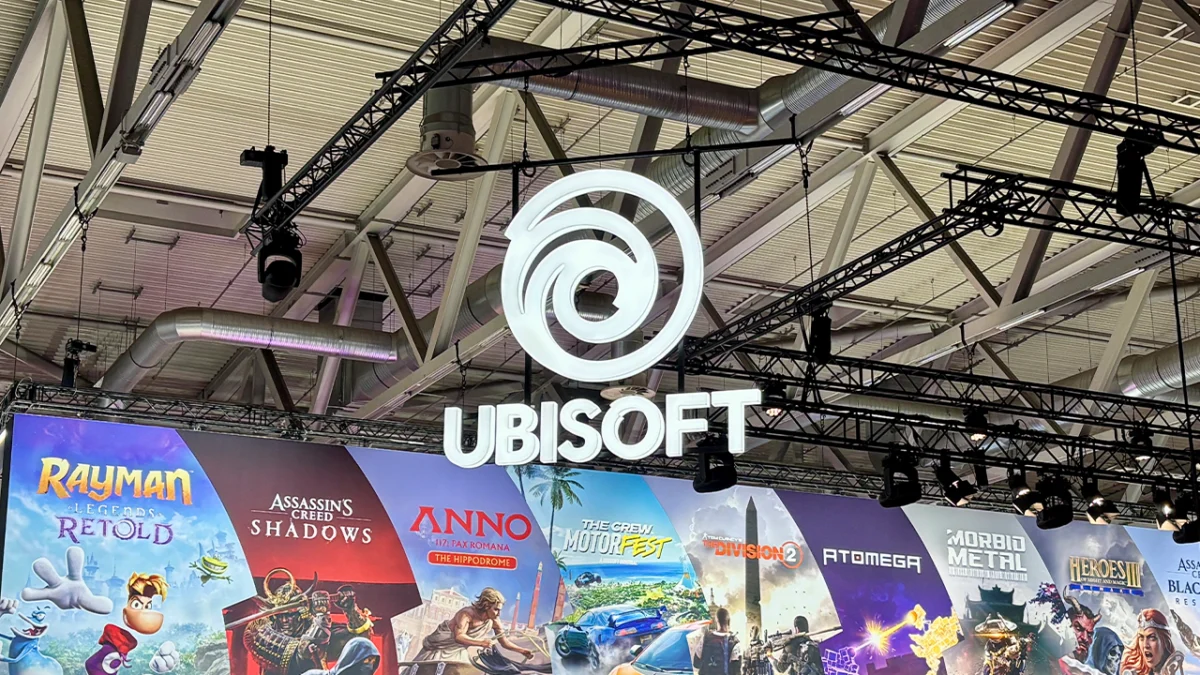
Spanish union Coordinadora Sindical del Videojuego (CSV) has initiated a call for a series of staggered strike actions, demanding that employees at Ubisoft Mobile Barcelona withhold labor for three days every two weeks, commencing in September 2026. This significant industrial action, driven by widespread opposition to a new return-to-office (RTO) mandate, underscores a growing tension between corporate directives and employee preferences in the post-pandemic landscape of the global video game industry. The union is specifically urging workers to participate in strikes on September 1, 2, 3, 16, 17, and 18, with a public protest also slated for Tuesday, September 1, outside the offices of the studio, known for its work on titles such as Invincible: Guarding the Globe.
The Genesis of the Dispute: A Mandated Return
The core of the conflict lies in Ubisoft’s directive for a more stringent return-to-office policy, perceived by the union and its members as an imposition rather than a collaborative decision. CSV, a branch of the Confederación General del Trabajo (CGT), one of Spain’s largest and most historically significant trade union federations, asserts that Ubisoft has systematically refused to engage in meaningful dialogue or negotiation with employee representatives regarding the RTO policy. According to a statement provided to Game Developer by a spokesperson from trade union coordinator CSVI, the strike was formally communicated to the company in early August 2026. Despite this clear notification, workers’ representatives claim they are still awaiting an official response from Ubisoft. The only discernible change observed by the union has been a unilateral delay of the RTO implementation, shifting it from October 2026 to January 2027, a decision reportedly made without any prior communication or consultation with staff representatives.
This current standoff is not an isolated incident but rather the culmination of previous attempts by Ubisoft to enforce increased office presence. As far back as 2025, the union alleges, an additional day of office work was coercively imposed upon employees. These instances were reportedly negotiated individually with each worker, often under the explicit threat that failure to accept the extra day would result in the complete revocation of their remote work privileges. Such tactics have fostered a deep sense of distrust and resentment among the workforce, laying the groundwork for the current, more organized strike action.
Ubisoft’s Global Restructuring and the RTO Imperative
The contentious RTO mandate at Ubisoft Mobile Barcelona must be viewed within the broader context of Ubisoft’s ongoing, company-wide strategic overhaul. Earlier in 2026, the French video game giant embarked on a sweeping restructuring initiative, publicly framed as an effort to accelerate "cost reduction initiatives" and to sharpen its focus on its core strengths: open-world experiences and games-as-a-service projects. This strategic pivot came on the heels of a substantial financial injection, a $1.25 billion investment secured from the Chinese conglomerate Tencent, intended to bolster Ubisoft’s long-term stability and growth.
Paradoxically, despite this significant capital infusion, Ubisoft indicated a necessity to "rightsize" its operations. This "rightsizing" has translated into tangible, often painful, measures across its global network of studios. The company has either downsized or outright shuttered several internal studios, including notable closures of its Winnipeg and Belgrade branches, accompanied by further rounds of layoffs affecting various departments. Concurrently, the restructuring plan detailed the implementation of a new RTO policy that mandates all teams to work on-site five days a week. This aggressive push for full office attendance stands in stark contrast to the hybrid or fully remote models adopted by many other technology and creative companies post-pandemic. Furthermore, the shakeup involves the establishment of five ‘Creative Houses,’ which are envisioned to become the central hubs responsible for the development and strategic direction of Ubisoft’s key franchises, such as Assassin’s Creed, Far Cry, and Rainbow Six Siege.
The company’s official rationale for these moves emphasizes operational efficiency, enhanced collaboration, and a unified corporate culture, all aimed at fostering innovation and delivering high-quality, "gamer-centric" experiences. However, from the perspective of the employees and their union representatives, these top-down directives appear to prioritize corporate interests and financial metrics over employee well-being, work-life balance, and the flexibility that many have come to expect and value since the widespread adoption of remote work during the COVID-19 pandemic.
An Industry-Wide Battle Over the Future of Work
The dispute at Ubisoft Mobile Barcelona is emblematic of a larger, industry-wide struggle over the future of work in the post-pandemic era. Across the technology and creative sectors, including video game development, companies have grappled with the implementation of return-to-office policies. While some companies have successfully transitioned to hybrid models that balance in-office collaboration with remote flexibility, others, like Ubisoft in this instance, have opted for more traditional, full-time office attendance mandates.
Employee resistance to these mandates is a pervasive trend. Numerous surveys and anecdotal reports from the past few years indicate a strong preference among knowledge workers, particularly those in creative and technical roles, for continued flexibility. Developers, artists, designers, and other professionals in the game industry often cite improved work-life balance, reduced commute times, enhanced focus, and personalized work environments as key benefits of remote or hybrid arrangements. The abrupt imposition of a five-day on-site requirement, especially after an extended period of successful remote work, is frequently met with skepticism and frustration, leading to decreased morale, increased attrition, and, as seen in Barcelona, organized labor action.
The video game industry, traditionally known for its demanding work culture and long hours, had, in many respects, begun to embrace more flexible models out of necessity during the pandemic. Many studios found that productivity could be maintained, and even enhanced, through remote collaboration tools and practices. The push to revert entirely to pre-pandemic norms by some larger publishers, often citing nebulous benefits of "spontaneous collaboration" or "company culture," is increasingly being challenged by a workforce that has experienced the advantages of greater autonomy.
The Spanish Labor Landscape and Union Strength
The decision by CSV to call for a strike is also informed by the robust labor rights framework and the historical strength of unions in Spain. The Confederación General del Trabajo (CGT), to which CSV is affiliated, has a long tradition of advocating for workers’ rights and is known for its militant stance on labor issues. Spanish labor law provides significant protections for workers and the right to strike, making collective action a powerful tool for employees to voice their grievances and demand negotiation.
The game development scene in Barcelona has grown significantly over the past decade, establishing itself as a vibrant hub for talent and innovation within Europe. Ubisoft Mobile Barcelona plays a notable role in this ecosystem, contributing to local employment and economic activity. A prolonged labor dispute at such a prominent studio could have ripple effects, potentially influencing labor relations at other game development companies in the region and setting a precedent for how RTO mandates are challenged. The economic implications of sustained strike action, including potential delays in project development, reduced productivity, and increased operational costs, add another layer of complexity to the situation for Ubisoft.
Statements, Reactions, and the Path Forward
As of the article’s publication date, Ubisoft has not issued a specific public statement directly addressing the impending strike at its Barcelona mobile studio. This silence, as noted by the union, is a key point of contention, exacerbating the sense of disenfranchisement among employees. However, the company’s broader corporate communications regarding its restructuring initiatives generally emphasize a commitment to "operational excellence" and a desire to foster a more "gamer-centric" approach. These statements often frame the difficult decisions, including studio closures and revised work policies, as necessary steps for the company’s long-term health and ability to compete effectively in a rapidly evolving global market.
From the union’s perspective, as articulated by the CSVI spokesperson, the lack of engagement from Ubisoft leadership is unacceptable. They reiterate their commitment to defending worker rights and ensuring fair treatment, emphasizing that collective negotiation is the only legitimate pathway to resolving such disputes. The planned protest on September 1 is intended not only to amplify the workers’ demands but also to draw public attention to what they perceive as a unilateral and coercive corporate policy.
The workers themselves, many of whom have likely been working remotely for several years, are inferred to be deeply concerned about the impact of a full five-day RTO on their personal lives, family responsibilities, and overall well-being. The memory of previous "coercive" attempts to increase office presence likely fuels their resolve, transforming what might have been individual discontent into a collective, organized resistance.
Implications for Ubisoft and the Wider Industry
The unfolding situation at Ubisoft Mobile Barcelona carries significant implications, both for the company and for the broader video game industry. For Ubisoft, a prolonged and contentious labor dispute could lead to several challenges:
- Reputational Damage: Negative press and public perception could tarnish Ubisoft’s image as an employer, potentially impacting its ability to attract and retain top talent in a highly competitive industry.
- Development Delays: Strike action inevitably disrupts workflow, potentially causing delays in project timelines for Invincible: Guarding the Globe and other mobile titles developed at the Barcelona studio.
- Employee Morale and Productivity: Even for employees not actively striking, the atmosphere of conflict and dissatisfaction can severely dampen morale, leading to reduced productivity and engagement.
- Financial Costs: Strikes can incur direct financial costs through lost workdays and indirect costs through damaged reputation and operational inefficiencies.
- Effectiveness of Strategy: If employee resistance to the RTO policy is widespread, it could undermine the stated goals of Ubisoft’s global restructuring, particularly its aim to foster greater collaboration and a unified culture, if these are built on a foundation of employee resentment.
For the game industry at large, the strike at Ubisoft Mobile Barcelona serves as a stark reminder of the ongoing tension between corporate mandates and evolving employee expectations regarding work flexibility. It highlights the growing willingness of workers, particularly those in creative and tech sectors, to organize and take collective action when they feel their concerns are ignored. This case could set a precedent, potentially encouraging similar unionization efforts or collective bargaining actions at other studios grappling with similar RTO policies. It underscores the critical need for transparent communication, genuine negotiation, and a balanced approach that respects both business imperatives and employee well-being in shaping the future of work. The resolution, or lack thereof, of this dispute will undoubtedly be closely watched by developers, publishers, and labor organizations across the globe.
About the Author