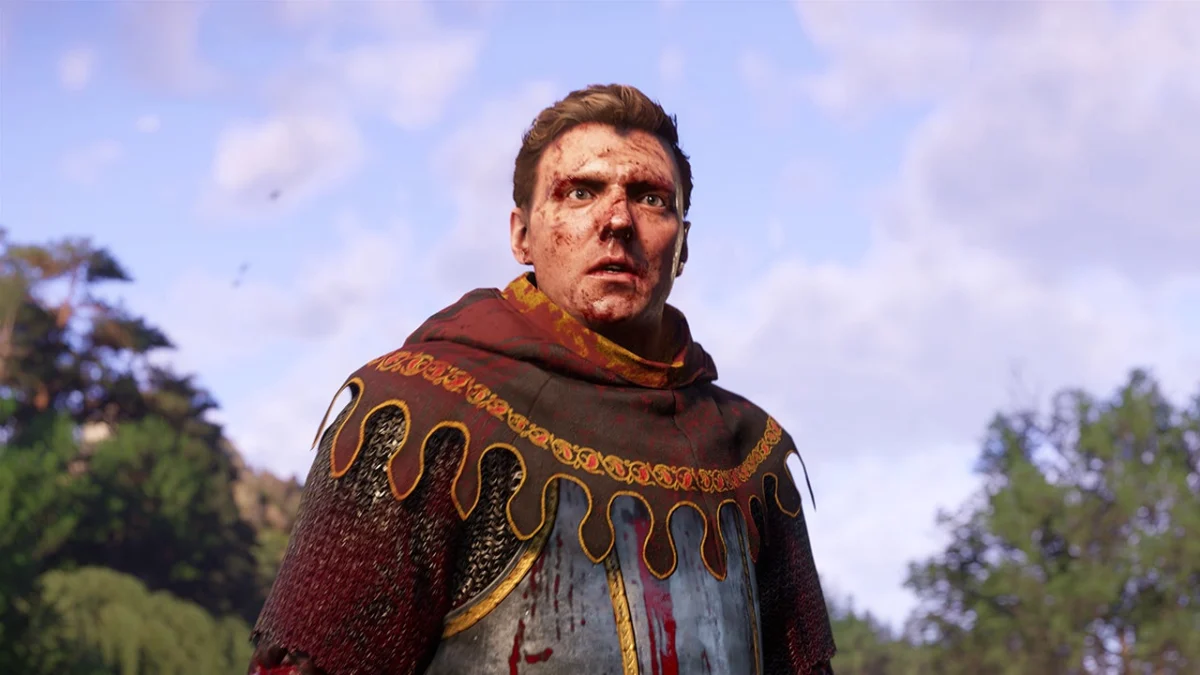
The announcement, made public today via a statement on the studio’s official website, confirms the breach, though the full scope and nature of the compromise are still under active investigation and have not yet been comprehensively detailed. This incident marks a critical juncture for the Czech Republic-based studio, renowned for its commitment to historical accuracy and immersive role-playing experiences. The breach immediately triggered a comprehensive response, with Warhorse Studios engaging cybersecurity experts to manage the crisis and mitigate potential damage.
Immediate Response and Official Statement
Following the detection of the unauthorized access, Warhorse Studios moved swiftly to address the security incident. Martin Frývaldský, CEO of Warhorse Studios, underscored the gravity of the situation in an official statement. "This is a serious incident for Warhorse Studios and everyone affected," Frývaldský conveyed. "Our immediate priority is to secure our systems, establish the full extent of the breach, and take the necessary steps to protect our employees, partners, and community. We are dedicating the resources needed to address this situation and will communicate further information as soon as we responsibly can."
This statement reflects the standard protocol for organizations facing such sophisticated threats: prioritizing system security, conducting a thorough forensic investigation, and maintaining transparent communication with stakeholders. The collaboration with external cybersecurity specialists is a crucial step, bringing specialized expertise to analyze the attack vectors, identify compromised data, and reinforce defenses against future incursions.
Warhorse Studios: A Profile in Innovation
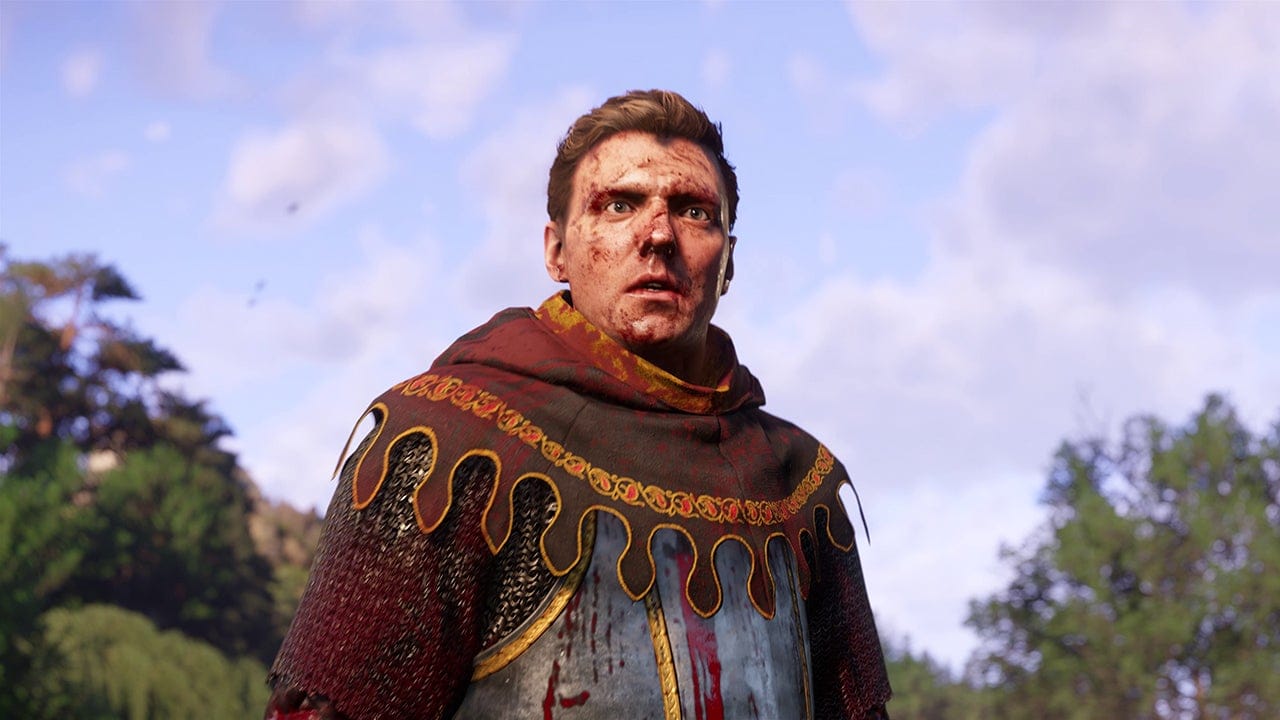
Founded in 2011, Warhorse Studios quickly garnered international acclaim with its debut title, Kingdom Come: Deliverance, released in 2018. The game, lauded for its ambitious open-world design, historical authenticity set in 15th-century Bohemia, and challenging RPG mechanics, sold millions of copies and established Warhorse as a significant player in the global gaming landscape. Its success was largely attributed to its unique premise of a narrative-driven, historically accurate experience without magic or fantastical elements, a stark contrast to many contemporary RPGs.
The studio’s reputation for crafting deep, narrative-rich experiences has only grown with the confirmed development of a sequel to Kingdom Come: Deliverance and an entirely new RPG set within the beloved Lord of the Rings universe. These projects represent considerable investments in time, talent, and intellectual property, making any breach of their development environment particularly concerning.
Warhorse Studios operates as a wholly-owned subsidiary of Fellowship Entertainment, which itself is a spin-off of the larger Swedish holding company, Embracer Group. This corporate structure implies a broader network of interconnected systems and data, potentially widening the scope of concern for the parent entities. Cybersecurity incidents at one subsidiary can have ripple effects across the entire corporate family, necessitating coordinated responses and potentially impacting stock performance and investor confidence.
The Escalating Threat: Cyberattacks in the Gaming Industry
The cyberattack on Warhorse Studios is not an isolated incident but rather the latest in a troubling trend of increasing digital security breaches targeting the video game industry. The sector, a lucrative and technologically advanced domain, presents an attractive target for cybercriminals seeking financial gain, intellectual property theft, or even geopolitical disruption.
Over the past few years, numerous high-profile gaming companies have faced similar, often devastating, attacks. In 2024, Pokémon developer Game Freak experienced a significant data breach that exposed the personal data of approximately 2,600 employees. More alarmingly, this incident also led to the public release of confidential development information, including unannounced game plans, concept art, and internal assets, providing a stark illustration of the potential consequences of such a compromise. The leaked data offered an unprecedented glimpse into the studio’s future roadmap, posing significant competitive and financial risks.
Other notable incidents include the 2021 attack on CD Projekt Red, where hackers gained access to the source code for Cyberpunk 2077 and The Witcher 3, along with internal documents, which were subsequently held for ransom and later sold. Similarly, Insomniac Games, a prominent PlayStation studio, suffered a major breach in late 2023, resulting in the leak of sensitive employee data, detailed development roadmaps for future titles like Marvel’s Wolverine, and even early playable builds. Capcom, a Japanese giant, also faced a significant ransomware attack in 2020 that compromised customer and employee data and led to the theft of internal files.
These incidents highlight several critical vulnerabilities within the industry:
- Highly Valuable Intellectual Property (IP): Unreleased game designs, source code, character models, and narrative details are immensely valuable to competitors or for illicit resale.
- Sensitive Personal Data: Gaming companies store vast amounts of employee data (payroll, social security numbers, health information) and customer data (payment details, personal identifiers), making them prime targets for identity theft and financial fraud.
- Network Complexity: Modern game development involves complex global networks, external contractors, and a myriad of software tools, each representing a potential entry point for malicious actors.
- Rapid Development Cycles: The pressure to meet deadlines can sometimes lead to overlooked security protocols or insufficient investment in robust cyber defenses.
Reports from cybersecurity firms consistently show a rise in attacks targeting the gaming sector. The average cost of a data breach has steadily increased, with some industry estimates placing it in the millions of dollars, encompassing direct costs like forensic investigations, legal fees, regulatory fines, and indirect costs such as reputational damage and loss of customer trust.
Potential Ramifications of the Warhorse Studios Breach
While Warhorse Studios has not yet detailed the full extent of the compromised data, the nature of such attacks allows for an analysis of potential ramifications across several key areas:
-
Employee Data Exposure: The most immediate and personal threat often involves the exposure of employee data. This can include names, addresses, phone numbers, email addresses, payroll information, bank details, and even social security numbers or their international equivalents. Such information is highly sought after by cybercriminals for identity theft, phishing scams, and other forms of financial fraud. The psychological impact on employees, coupled with the practical burden of monitoring credit and securing personal accounts, can be significant.
-
Intellectual Property Theft and Project Leaks: For a game development studio, the exposure of internal project files is arguably the most damaging consequence. This could involve:
- Game Builds and Source Code: Leaked early versions of Kingdom Come: Deliverance 2 or the Lord of the Rings RPG could spoil surprises, invite premature criticism, or provide competitors with valuable insights into development techniques and proprietary engine features. The theft of source code can also facilitate cheating or piracy.
- Concept Art, Character Designs, and Story Details: Unauthorized release of these assets can undermine marketing campaigns, reveal plot points, and diminish the impact of official announcements.
- Development Roadmaps and Business Strategies: Knowledge of future project timelines, budgets, and strategic partnerships can give competitors an unfair advantage.
-
Financial and Operational Impact:
- Recovery Costs: The immediate costs associated with a cyberattack are substantial, including forensic analysis, system hardening, legal counsel, and public relations efforts.
- Regulatory Fines: Depending on the type of data compromised and the geographical locations of affected individuals, Warhorse Studios and its parent companies could face significant fines under data protection regulations such as GDPR (General Data Protection Regulation) in Europe, which mandates strict data handling practices and timely breach notifications.
- Development Delays: If core systems are severely compromised, or if the studio needs to dedicate significant resources to remediation, development cycles for ongoing projects could be disrupted, leading to delays in release dates and subsequent financial penalties or loss of revenue.
- Reputational Damage: Even if no critical data is leaked, the perception of a studio as being vulnerable to attacks can erode trust among players, partners, and investors. Rebuilding this trust can be a long and arduous process.
-
Competitive Disadvantage: The unauthorized release of unannounced game details or proprietary technology can severely compromise a studio’s competitive edge. In an industry where innovation and surprise are key marketing tools, such leaks can be devastating.
Inferred Reactions and Broader Industry Implications
As a subsidiary of Fellowship Entertainment, and by extension, Embracer Group, it is highly probable that the parent companies are providing extensive support and oversight during this crisis. Embracer Group, with its vast portfolio of studios and publishers, likely possesses robust internal cybersecurity teams and incident response protocols that would be activated to assist Warhorse. Their primary concerns would align with Warhorse’s: containing the breach, protecting IP, and safeguarding employee and customer data across the entire ecosystem. Any official statements from Fellowship Entertainment or Embracer Group would likely mirror the cautious, fact-based approach taken by Warhorse, emphasizing cooperation with authorities and commitment to security.
The incident serves as yet another wake-up call for the entire video game industry. It reinforces the necessity for continuous investment in advanced cybersecurity measures, employee training on phishing and social engineering tactics, multi-factor authentication, robust data encryption, and comprehensive incident response plans. Developers, publishers, and platform holders are increasingly becoming targets, and proactive defense is paramount.
The Road Ahead for Warhorse Studios
For Warhorse Studios, the immediate future will be dominated by the ongoing forensic investigation and remediation efforts. This process is often complex and time-consuming, requiring meticulous analysis to understand how the attackers gained entry, what data was accessed or exfiltrated, and how to prevent future occurrences.
Transparent and timely communication with affected parties – including employees, development partners, and the player community – will be critical in managing expectations and maintaining trust. While the studio has committed to providing further information responsibly, balancing the need for transparency with the need to avoid hindering ongoing investigations or inadvertently revealing more vulnerabilities is a delicate act.
The gaming community, keenly awaiting the next installments from Warhorse Studios, will undoubtedly watch these developments closely. The resilience of the studio in overcoming this challenge will not only define its immediate future but also serve as another case study in the ever-evolving landscape of digital security for the global entertainment industry. The incident underscores the pervasive and sophisticated nature of cyber threats, demanding unwavering vigilance and adaptability from all organizations operating in the digital realm.
About the Author