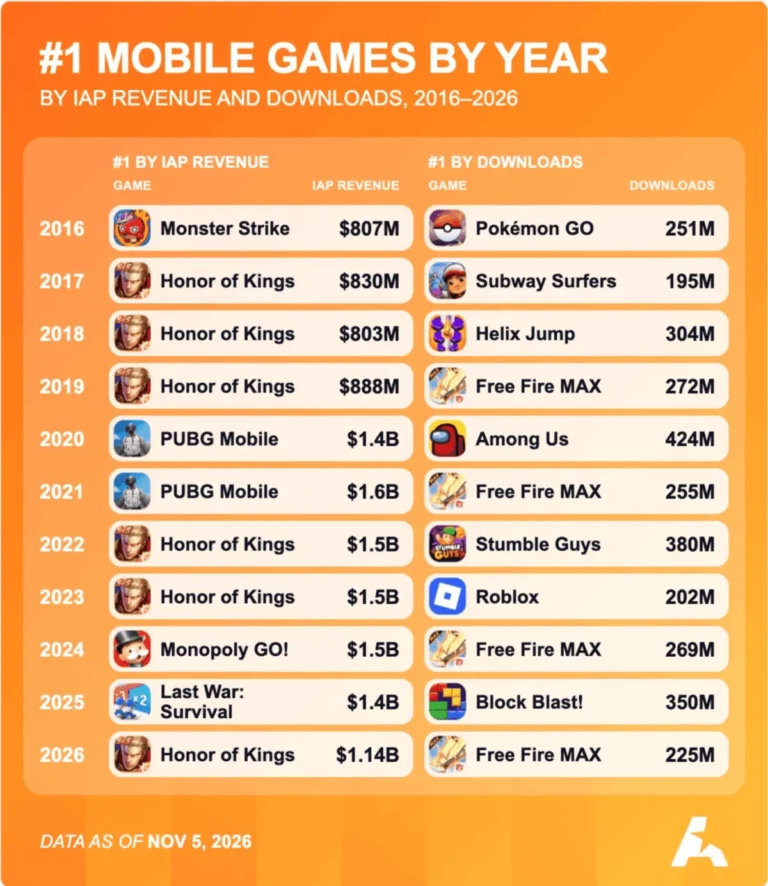
The mobile gaming industry, currently valued at approximately $100 billion globally, has entered an era of unprecedented volatility and structural transformation. In response to this increasingly complex environment, the mobilegamer.biz podcast has established itself as a pivotal resource for industry executives, developers, and analysts. Spearheaded by Neil Long, a veteran journalist and the founder of mobilegamer.biz, the podcast serves as a concise, high-utility digest designed to strip away the "banter" often found in gaming media, providing instead a focused analysis of the economic and technological drivers of the sector. As the industry grapples with the fallout of privacy-related tracking changes, the rise of alternative payment systems, and a cooling venture capital climate, the demand for streamlined, expert-led information has reached a critical juncture.
The Evolution of Trade Journalism in the Mobile Sector
The emergence of the mobilegamer.biz podcast, now reaching its 69th episode as of late 2024, reflects a broader shift in how business intelligence is consumed within the technology sector. Historically, gaming journalism was bifurcated between consumer-facing enthusiast press and dense, often prohibitively expensive corporate intelligence reports. Neil Long, leveraging his background as a former editor at high-profile publications such as Edge, identified a gap in the market for "banter-free" B2B communication. The podcast’s format—typically a 20-minute briefing recorded during a walk—deliberately mirrors the fast-paced nature of the industry it covers, catering to professionals who require high-density information without the time-intensive commitment of traditional long-form broadcasts.
This streamlined approach is not merely a stylistic choice but a strategic response to "information fatigue" within the tech sector. By distilling the week’s most significant developments into a digestible window, the podcast acts as a curator of the "Great Reset" currently occurring in mobile gaming. This reset is characterized by the transition from the hyper-growth seen during the 2020–2021 period to a more disciplined, margin-focused reality in 2024.
Chronology of the Mobile Games Market Transition
To understand the context of the podcast’s insights, one must examine the timeline of the industry over the last three years. In 2021, the mobile market reached an all-time high, driven by global lockdowns and a surge in disposable time. However, 2022 and 2023 saw the first-ever year-on-year declines in spending, according to data from Sensor Tower and Newzoo. This downturn was precipitated by several factors that have become recurring themes in the mobilegamer.biz digest:
- The Post-IDFA Reality (April 2021 – Present): Apple’s App Tracking Transparency (ATT) framework fundamentally broke the user acquisition (UA) models that had fueled the "hypercasual" boom. Developers lost the ability to target "whales" with precision, leading to a drastic increase in the Cost Per Install (CPI).
- The Rise of Hybrid-Casual (2022 – 2023): As pure hypercasual games became unprofitable due to high UA costs, the industry shifted toward "hybrid-casual" models, which combine simple mechanics with the deep meta-progression and monetization strategies typically found in midcore titles.
- Regulatory Intervention and Alternative App Stores (2023 – 2024): The European Union’s Digital Markets Act (DMA) began forcing Apple and Google to open their ecosystems to third-party stores and payment processors. This shift is central to the podcast’s frequent discussions on revenue diversification.
Strategic Support and the Role of Xsolla
The podcast is supported by Xsolla, a global video game commerce company that has become a central figure in the movement toward "web shops." This sponsorship is indicative of the current trend in the mobile business: bypassing the traditional 30% platform fee imposed by the Apple App Store and Google Play Store.
Industry data suggests that top-tier mobile publishers are increasingly migrating their high-value players to external web-based storefronts. By offering incentives such as discounted virtual currency or exclusive bundles, companies like Supercell and Playtika are successfully reclaiming a significant portion of their margins. The mobilegamer.biz podcast frequently analyzes these maneuvers, providing a platform for discussing how alternative payment rails are not just a technical change, but a fundamental shift in the relationship between platforms and publishers.
Data-Driven Analysis of Current Market Trends
Recent episodes of the podcast have focused on the stabilization of the market in 2024. According to Newzoo’s Global Games Market Report, mobile gaming revenue is expected to grow by approximately 3% year-on-year in 2024, reaching $92.6 billion. While this growth is modest compared to the pre-2021 era, it signifies a "new normal."
The podcast’s analysis often touches upon the following data points:
- The Decline of the Mid-Tier: Data indicates that the "middle class" of mobile developers is shrinking. While the top 1% of games continue to generate the lion’s share of revenue, and small indie "breakout" hits occasionally surface, mid-sized studios are facing extreme pressure from rising development and marketing costs.
- The Influence of External IP: A significant trend highlighted by industry analysts is the reliance on external Intellectual Property (IP). Titles like Monopoly GO! and Royal Match have dominated charts, suggesting that in a post-privacy world, brand recognition is one of the few remaining levers for effective user acquisition.
- Emerging Markets: While growth in Tier-1 markets like the US and Japan has plateaued, the podcast tracks the rapid expansion of the mobile business in Southeast Asia, Latin America, and India, where smartphone penetration continues to rise.
Industry Reactions and the Need for Concise Intelligence
While formal statements from major publishers like Electronic Arts or Take-Two regarding specific podcasts are rare, the "reaction" can be measured by the shifting habits of industry professionals. The rise of Substack newsletters and specialized podcasts like mobilegamer.biz indicates a move away from generalist news toward niche expertise.
Inferred reactions from the development community suggest a high value placed on "signal-to-noise" ratios. As one senior producer at a major European studio noted (speaking anonymously on the state of trade media), "We don’t have time for hour-long roundtable discussions where people talk over each other. We need to know: what did Unity change in its pricing today, and how does it affect our Q4 projections?" The 20-minute, solo-hosted format of the mobilegamer.biz podcast directly addresses this need for professional efficiency.
Broader Implications for the Future of Mobile Gaming
The insights provided by the podcast point toward a future where the mobile games business is increasingly defined by "platform agnosticism." As mobile devices become more powerful and cloud gaming technologies mature, the distinction between a "mobile game" and a "PC/Console game" is blurring. Companies like HoYoverse, with titles like Genshin Impact and Honkai: Star Rail, have proven that high-fidelity, cross-platform experiences are the new gold standard.
Furthermore, the podcast explores the implications of Artificial Intelligence (AI) in game production. AI is being touted not just as a tool for creating assets, but as a means to optimize live operations (LiveOps), allowing smaller teams to manage massive player bases with the efficiency previously reserved for global corporations. The podcast serves as a critical filter for these claims, distinguishing between genuine technological breakthroughs and venture capital-driven hype.
Accessibility and Multichannel Distribution
To maximize its reach within the professional community, mobilegamer.biz utilizes a multi-platform distribution strategy. While Apple Podcasts remains the primary hub for listeners—reflecting the high iPhone penetration among the executive class—the show is also available on Spotify and YouTube. The use of "audiograms" on YouTube caters to the visual-centric nature of social media platforms like LinkedIn and X (formerly Twitter), where industry discourse is most active.
This cross-platform presence ensures that the digest remains accessible regardless of a professional’s preferred workflow. The integration with a Substack newsletter further solidifies the brand as a comprehensive intelligence suite rather than a standalone media product.
Conclusion: The Strategic Value of Focused Reporting
As the mobile games industry navigates the complexities of 2024 and looks toward 2025, the role of focused, high-frequency intelligence becomes paramount. The mobilegamer.biz podcast, through its commitment to a "banter-free" and concise format, provides a necessary service in an era of information overload. By connecting the dots between regulatory shifts, technological advancements, and economic data, the podcast enables industry stakeholders to make more informed decisions in a high-stakes market.
In a landscape where a single change to an app store policy can wipe out millions in projected revenue, the ability to receive a weekly 20-minute executive summary is not just a convenience—it is a competitive necessity. As Neil Long continues to document the evolution of this $100 billion sector, the podcast stands as a testament to the enduring value of specialized, professional journalism in the digital age.
About the Author