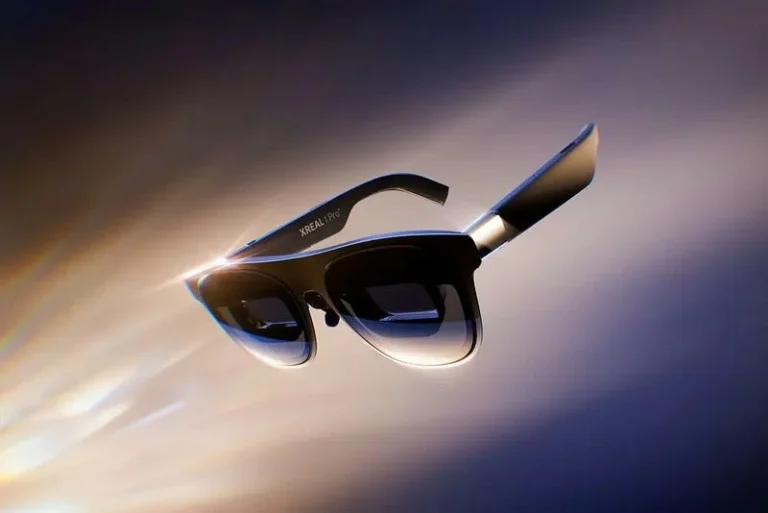
Meta Platforms Inc. has officially entered a new phase of its hardware roadmap with the launch of the Meta VR Glasses, a device that represents a significant departure from the bulky form factors of the Quest series. Following its debut at the Meta Connect 2026 conference, the device has ignited a global debate regarding the future of the extended reality (XR) ecosystem. Positioned as a high-end, lightweight alternative to traditional head-mounted displays (HMDs), the Meta VR Glasses seek to bridge the gap between immersive virtual reality and wearable everyday technology. Priced at $1,300, the device targets a specific segment of the market focused on productivity and media consumption, placing it in direct competition with the Apple Vision Pro and emerging lightweight solutions from manufacturers like XREAL and RayNeo.
Technical Specifications and Design Philosophy
The Meta VR Glasses utilize a "split compute" architecture, often referred to in the industry as an "all-in-two" design. Unlike the Meta Quest 3, which houses all processing components within the headset, the VR Glasses offload the battery and processor to a wired external "puck" or computational unit. This design choice allows the eyewear itself to weigh approximately 100 grams, a drastic reduction compared to the 600-plus grams of the Apple Vision Pro or the 515 grams of the Quest 3.
The device features high-resolution micro-OLED displays and pancake optics, prioritizing visual clarity and text legibility. However, to achieve this miniaturized form factor, Meta has made a calculated compromise on the field of view (FOV). While traditional VR headsets aim for a FOV of 110 degrees or higher to maximize immersion, the Meta VR Glasses offer a more constrained FOV of approximately 90 degrees. This specification has become a focal point of criticism among hardcore VR enthusiasts, who argue that the reduced peripheral vision diminishes the sense of "presence" essential for high-end gaming and 360-degree cinematic experiences.

A Chronology of Meta’s Hardware Evolution
The path to the Meta VR Glasses can be traced back to the company’s shift in strategy following the acquisition of Oculus in 2014. Initially focused on high-end, PC-tethered experiences with the Oculus Rift, Meta pivoted toward the mainstream with the launch of the standalone Oculus Go in 2018 and the Quest in 2019.
- 2014–2018: Focus on PC-VR and early mobile VR (Gear VR).
- 2019–2023: Dominance of the standalone Quest series, prioritizing gaming and affordability.
- 2024–2025: Success of the Ray-Ban Meta smart glasses, proving consumer appetite for non-immersive, stylish wearables.
- 2026: Launch of the Meta VR Glasses, blending the high-fidelity visuals of the Quest Pro line with the lightweight philosophy of smart glasses.
This timeline illustrates Meta’s ongoing effort to move away from the "tech-heavy" aesthetic of early VR. By branding the new device as "Glasses" rather than a "Headset," the company is making a deliberate attempt to improve social acceptance and encourage usage in public spaces, such as during air travel or in office environments.
The Competitive Landscape: Meta vs. Apple
The launch has inevitably drawn comparisons to the Apple Vision Pro, which debuted in early 2024. While both devices target the "spatial computing" market, their engineering priorities differ significantly. Apple’s Vision Pro emphasizes high-fidelity passthrough and a premium, all-in-one (albeit battery-tethered) experience. Meta’s response focuses on weight reduction and a lower price point, undercutting the Vision Pro’s $3,499 launch price by more than $2,000.
Industry analysts note that the press reception has frequently framed the Meta VR Glasses as "what the Vision Pro should have been" in terms of wearability. This narrative has created friction within the XR community, particularly among Apple loyalists who argue that the Vision Pro’s superior sensor suite, M-series silicon, and expansive FOV justify its weight and cost. Conversely, Meta’s leadership has publicly leaned into this comparison. During the Connect keynote, CEO Mark Zuckerberg highlighted the comfort advantages of the glasses-style form factor, a move interpreted by many as a direct critique of the Vision Pro’s ergonomic challenges.

Market Positioning and Demographic Disconnect
Meta’s strategic goal remains the pursuit of a "mainstream" audience—a target of one billion users in XR. However, the current market data suggests a divide between Meta’s vision and the existing user base. The "hardcore" VR community, characterized by users who prioritize gaming, social VR platforms like VRChat, and maximum immersion, has expressed skepticism toward the VR Glasses. For this demographic, the tethered cable and reduced FOV are seen as regressions rather than innovations.
Market research indicates that the potential buyers for the Meta VR Glasses fall into three primary categories:
- The Mobile Professional: Users seeking a portable, multi-monitor setup for work-from-anywhere scenarios.
- The Media Enthusiast: Consumers who want a private, high-resolution theater experience for movies and streaming.
- The Tech Early Adopter: Individuals who prioritized the Ray-Ban Meta glasses but desire more functionality than simple audio and camera features.
Despite the positive press, analysts project that the $1,300 price tag will limit the device to a niche market in its first year. Historical sales data for high-end XR devices suggest that pricing above the $1,000 threshold often results in adoption rates similar to those of professional-grade workstations rather than consumer electronics.
Official Responses and Industry Implications
While Meta has not released specific sales targets, company representatives have emphasized that the VR Glasses are a "foundational" product meant to establish a new category. Chief Technology Officer Andrew Bosworth stated in a post-launch interview that the company expects the "all-in-two" form factor to become a standard for the industry as developers seek to balance thermal management with user comfort.

Competitors have already begun to react to the Meta VR Glasses. Reports suggest that Samsung and Google have recalibrated their upcoming XR collaboration to ensure their hardware remains competitive in weight and aesthetics. Similarly, companies like XREAL have accelerated the development of their own computational "hubs" to offer a comparable ecosystem of apps and services.
The broader implications for the XR ecosystem are twofold. First, the emphasis on "VR Glasses" signals a potential end to the "Spatial Computing" terminology wars, as Meta reaffirms the "VR" branding. Second, the successful miniaturization of these components validates years of investment in pancake lenses and micro-OLED technology, likely driving down costs for future iterations of the more affordable Quest line.
Conclusion and Future Outlook
The Meta VR Glasses represent a pivotal moment in the evolution of wearable technology. By prioritizing ergonomics and social acceptability over absolute immersion, Meta is betting that the future of VR lies in devices that can be worn for hours rather than minutes. While the device faces significant hurdles—including a high price point, the inconvenience of a tethered compute puck, and a skeptical enthusiast base—its role as a catalyst for competition cannot be understated.
As the market moves toward 2027, the success of the Meta VR Glasses will likely be measured not by sheer volume of units sold, but by its ability to redefine the public’s perception of virtual reality. If Meta can successfully demonstrate that XR is a "must-have" tool for productivity and daily life, the VR Glasses may well be remembered as the device that finally moved the medium out of the basement and into the boardroom.
About the Author