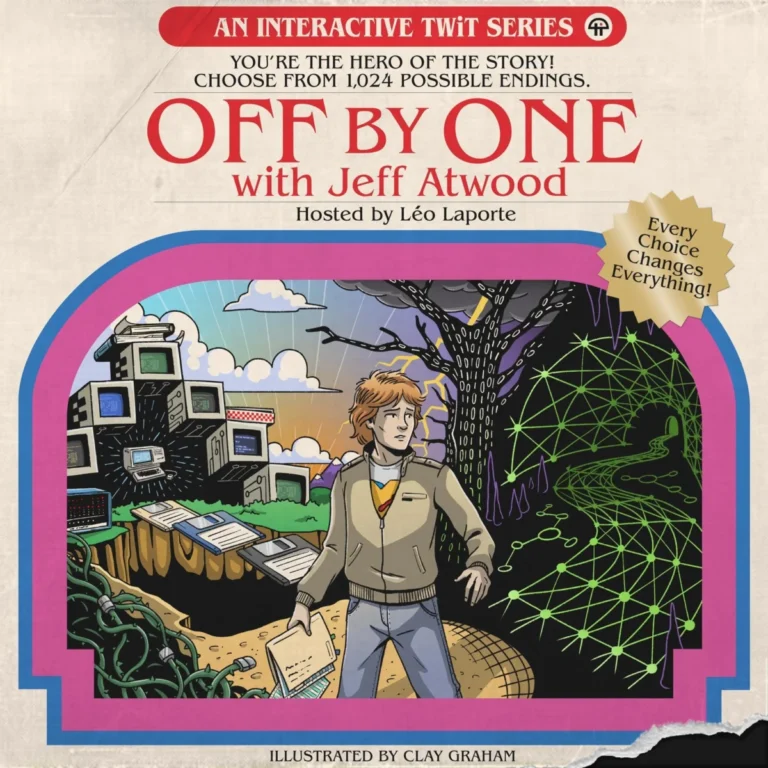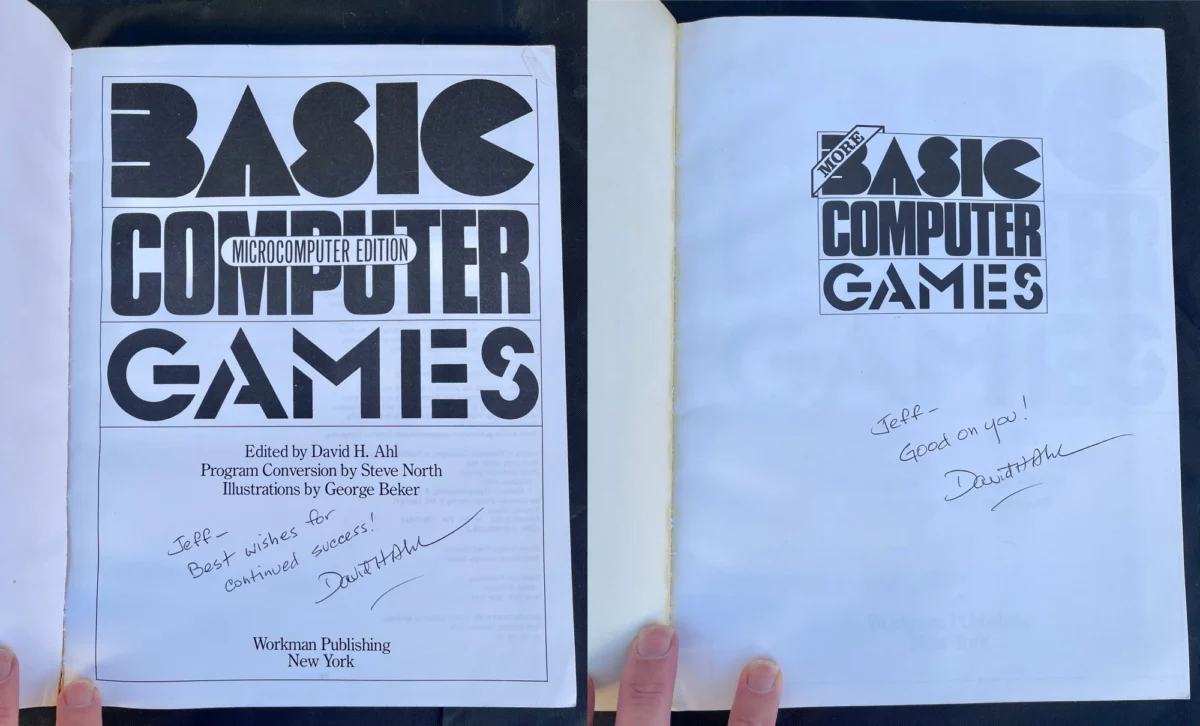
In a significant move to bridge the foundational era of computing with modern programming paradigms, Jeff Atwood, widely known for co-founding Stack Overflow and the Coding Horror blog, has launched a collaborative open-source initiative to comprehensively update David H. Ahl’s iconic "101 BASIC Computer Games." This ambitious project, hosted on GitHub, aims to re-implement the classic games in ten contemporary, memory-safe, general-purpose scripting languages, inviting developers worldwide to contribute to preserving and revitalizing a pivotal piece of computer history.
The initiative acknowledges the profound influence of Ahl’s book, which served as a gateway to programming for an entire generation. Atwood explicitly states, "In a way, these two books are responsible for my entire professional career," underscoring the personal and collective impact of learning to code through these simple BASIC programs. The project not only seeks to modernize the code but also to foster a collaborative spirit reminiscent of the early days of computing, yet leveraging the global connectivity of today’s internet.
The Dawn of Personal Computing and BASIC’s Enduring Legacy
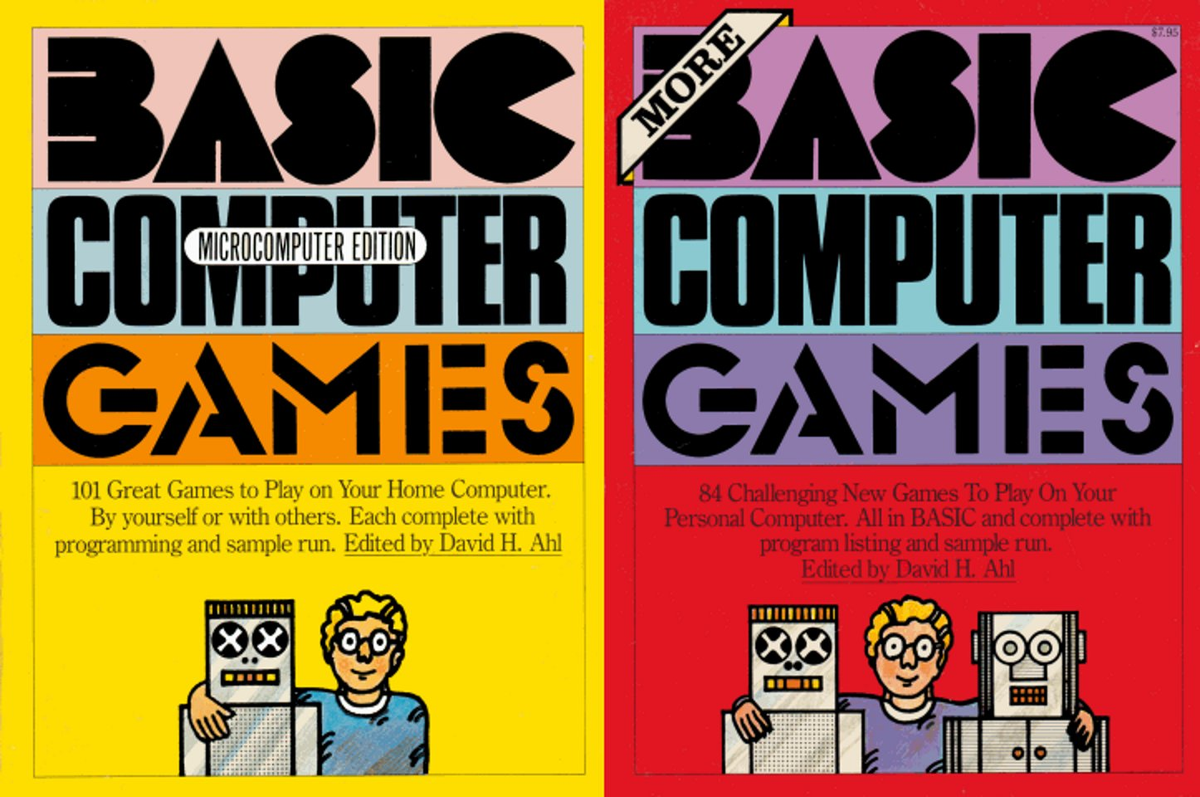
To fully appreciate the scope of Atwood’s project, it is essential to delve into the computing landscape of the 1970s and early 1980s. Unlike today’s intuitive graphical user interfaces (GUIs), early personal computers booted directly into a command-line interface. For many enthusiasts, the experience of interacting with these machines involved a stark, text-only screen, demanding precise commands to initiate any function. Storage options were rudimentary; while cassette tape drives offered a glimpse of program loading, they were often expensive add-ons. Consequently, a vast number of early computer users, particularly those with affordable home computers like the TRS-80, Apple II, or Commodore 64, relied on a more fundamental method: manually typing programs from printed books.
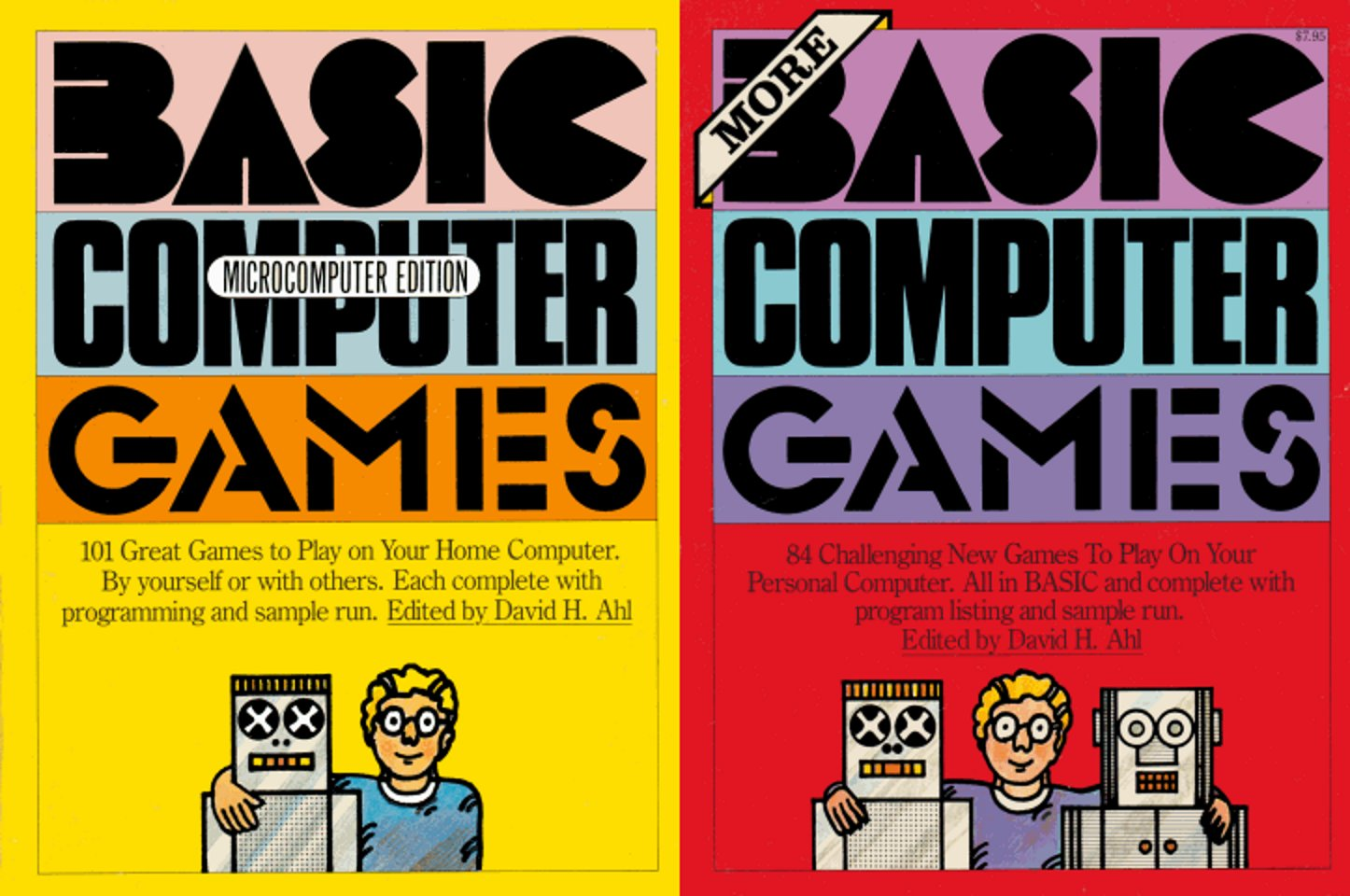
"101 BASIC Computer Games," first published by Digital Equipment Corporation (DEC) in 1973 and later expanded and published by David H. Ahl himself, became the quintessential resource for this era. Ahl, a former education marketing manager at DEC and founder of Creative Computing Magazine, recognized the burgeoning interest in personal computing and the need for accessible programming content. His magazine, launched in 1974, quickly became a cornerstone of the nascent microcomputer community, providing articles, reviews, and, crucially, program listings that readers could type into their own machines.
The book itself was a compilation of games and simulations originally published in Creative Computing and other early computer science contexts. Ahl’s entrepreneurial spirit and dedication were evident in the magazine’s early days. He recounted in an interview, "As soon as Ahl made up his mind to leave DEC, he started laying the groundwork for Creative Computing… By October 1974, when it was time to specify the first print run, he had just 600 subscribers. But Ahl had no intention of running off just 600 issues. He took all the money he had received, divided it in half, and printed 8000 copies with it." This bold decision to print far more copies than subscribers highlights Ahl’s foresight and commitment to democratizing computer literacy.
The impact of "101 BASIC Computer Games" was monumental. It quickly went into multiple printings, selling an unprecedented number of copies. Historical accounts confirm that at one point, there were more copies of this book in print than there were personal computers available. This incredible statistic underscores its role as a primary catalyst for computer engagement. It holds the distinction of being the first computer book to sell over a million copies, solidifying its place as arguably the most influential programming book of its time. For countless individuals, the act of typing in lines of BASIC code from its pages, debugging syntax errors, and finally seeing a simple game come to life was their first, exhilarating introduction to the power of computational logic. This tactile, hands-on experience, though laborious, fostered a deep understanding of program flow and problem-solving that laid the groundwork for many professional careers in software development.

The Evolution of Programming: From GOTO to Modern Modularity
While immensely influential, the BASIC programs of the 1970s reflected the limitations of the hardware and programming paradigms of their era. Programs were often monolithic, relying heavily on GOTO statements and line numbers to control flow. This "spaghetti code" approach, while functional, lacked the structure, readability, and maintainability that are hallmarks of modern software development. The absence of robust subroutines or functions, as they are understood today, meant that code repetition was common, and complex logic was often difficult to decipher and debug.
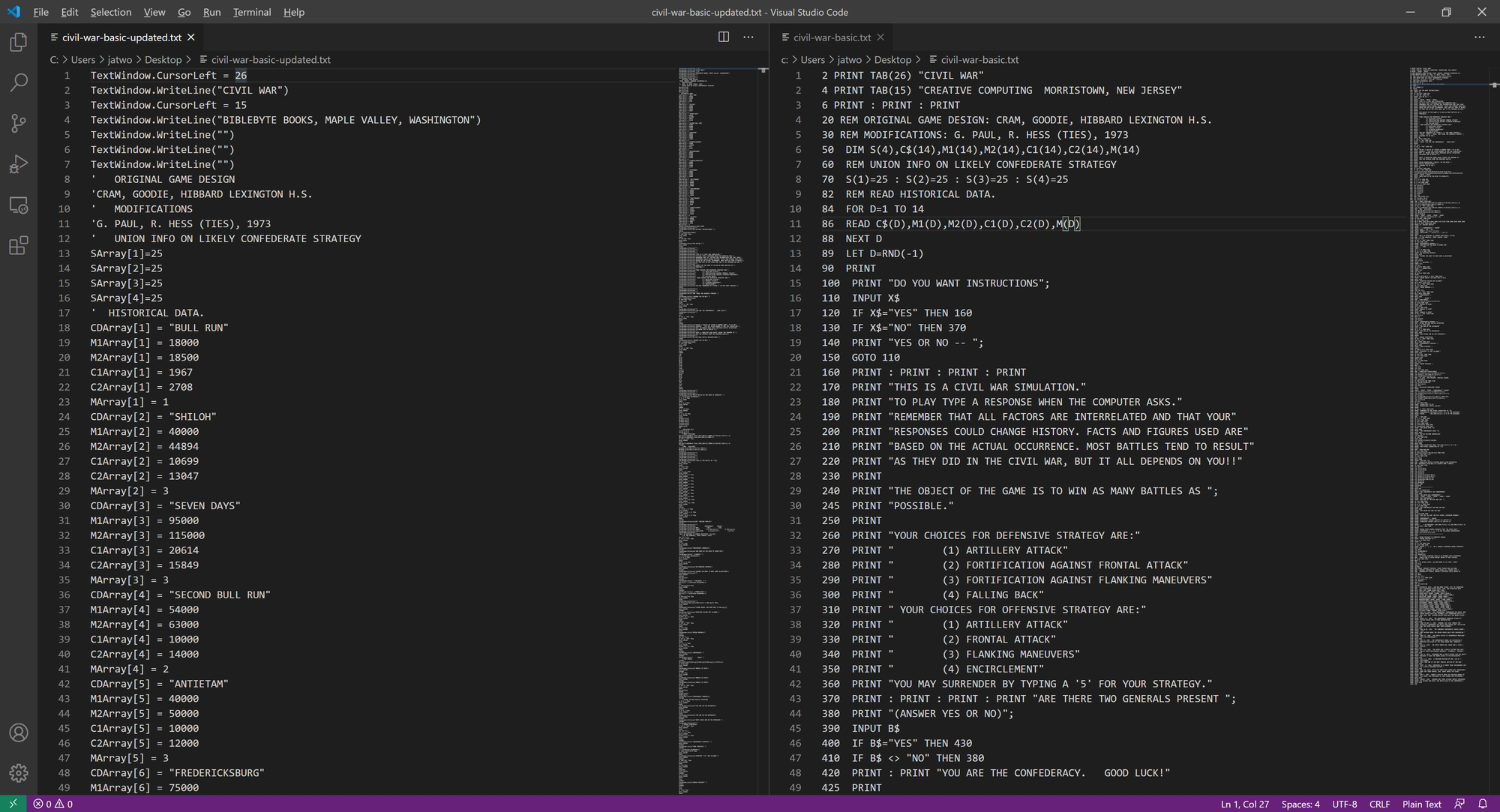
A previous attempt in 2010 to modernize these programs using SmallBasic, while well-intentioned, fell short in Atwood’s assessment. He noted that these ports primarily focused on superficial changes, such as removing line numbers, rather than fundamentally updating the code to align with contemporary programming practices. Comparing the original 1973 BASIC "Civil War" game with its 2010 SmallBasic port reveals this point vividly. Crucially, the concept of a subroutine – described by Atwood as "the greatest invention in computer science" for its role in promoting modularity and code reuse – was largely absent or poorly implemented in such adaptations. This highlighted a significant gap between merely making old code runnable and truly bringing it into the 21st century.
A New Vision: The Collaborative Modernization Project
Recognizing this unmet need, Jeff Atwood embarked on a more ambitious modernization effort. The project began with a crucial step: securing permission from David H. Ahl himself. Ahl, recognizing the enduring legacy of his work and the value of its preservation, enthusiastically granted permission, paving the way for the community-driven initiative.
The core of Atwood’s project is a GitHub repository, serving as the central hub for contributions. The goal is to re-implement each of the 101 games in a selection of ten modern, memory-safe, general-purpose scripting languages. The chosen languages, reflecting current industry trends and best practices, include Python, JavaScript, Ruby, Go, C#, Rust, Lua, Kotlin, PHP, and Swift. This diverse selection ensures broad accessibility and relevance across various development domains.
The emphasis on "memory-safe languages" is particularly pertinent in today’s cybersecurity landscape. Unlike older languages where manual memory management could lead to vulnerabilities, these modern languages offer built-in mechanisms to prevent common memory-related errors, enhancing the robustness and security of the re-implemented games. Furthermore, the project mandates the adoption of modern programming practices, including the extensive use of subroutines (functions/methods), modular design, and clear, commented code. This ensures that the modernized versions are not just functional but also serve as exemplary educational resources.
Encouraging Participation and Broader Impact

The project is designed as a fully collaborative open-source endeavor, inviting programmers of all skill levels to contribute. Atwood contrasts this modern, connected approach with the solitary experience of early programmers, who often spent hours alone, meticulously typing code and debugging typos. The GitHub platform facilitates collective effort, code reviews, and shared learning, embodying the spirit of community development.
To further incentivize participation and align with a broader social mission, Atwood has pledged a donation of $5 to Girls Who Code for every functioning program submitted in each of the ten target languages by the end of 2022. Girls Who Code is a prominent non-profit organization dedicated to closing the gender gap in technology, providing computing education and opportunities for young women. This charitable component adds a significant dimension to the project, transforming a historical preservation effort into a vehicle for promoting diversity and inclusion in the tech industry. The initiative thus moves beyond mere technical modernization to foster future generations of programmers.
The project guidelines, available on the GitHub repository’s README, detail the specific requirements for contributions, ensuring consistency and quality across all language implementations. A dedicated discussion forum on Coding Horror’s Discourse platform also provides a space for contributors to ask questions, share insights, and collaborate effectively. Atwood has also expressed a desire to find project co-owners, individuals who are passionate about the initiative and can help organize and steer its direction, further decentralizing and strengthening the community aspect.
Educational Value and Future Implications
Beyond the immediate goal of code modernization, this project carries significant educational and archival implications.
-
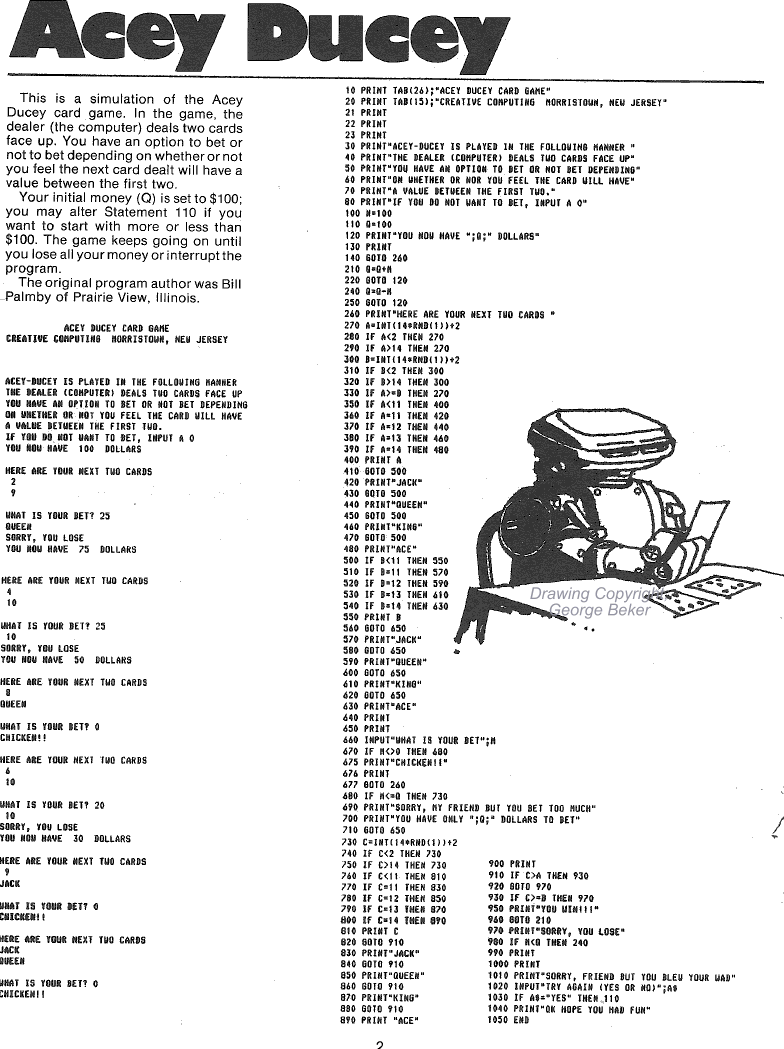
Historical Preservation: It ensures that precious artifacts of early computing, including the charming original artwork by George Beker that accompanied many of the games, are preserved in a functional and accessible format for future generations. These simple games offer a tangible link to the origins of interactive software.
-
Educational Resource: The re-implemented games will serve as an excellent learning tool. Aspiring programmers can examine simple game logic written in modern languages, understanding fundamental concepts like input/output, conditional statements, loops, and modular functions, all within an engaging context. It offers a unique pedagogical bridge, allowing new learners to trace the evolution of programming thought from its rudimentary beginnings to contemporary best practices.
-
Showcasing Open Source: The project itself is a testament to the power of open-source collaboration. It demonstrates how a global community can collectively tackle a complex task, contributing diverse skills and perspectives to achieve a common goal. This model of distributed development is a cornerstone of modern software innovation.
-
Inspiration and Engagement: By making these foundational games accessible and understandable in modern languages, the project aims to inspire a new wave of developers, much as the original book inspired Atwood’s generation. It highlights that even simple ideas, when implemented well, can have a profound impact.
The project is a powerful blend of nostalgia, education, and forward-thinking development. It honors the pioneering spirit of individuals like David H. Ahl, whose work laid the groundwork for the digital age, while simultaneously embracing the collaborative and innovative ethos of today’s tech community. As Jeff Atwood encourages, developers are invited to "carve off some time to take part in our project to update a classic programming book — one of the most influential books in computing history — for 2022 and beyond!" The successful completion of this endeavor will undoubtedly leave a lasting mark, reminding us of computing’s past while actively shaping its future.
About the Author