Jeff Atwood, co-founder of Stack Overflow and prolific technology blogger behind Coding Horror, has announced a significant philanthropic commitment, pledging $50 million towards the Rural Guaranteed Minimum Income Initiative (RGMII). This substantial investment, representing half of his remaining wealth, aims to address systemic poverty by providing direct cash transfers to families in underserved rural communities across the United States. The initiative marks a pivotal expansion of Atwood’s "Share the American Dream" pledge, initially launched a year prior, which called for both immediate support to those in need and long-term efforts to ensure the American Dream remains attainable for all.
A Philanthropic Journey: From Immediate Aid to Systemic Change
The journey towards this multi-million-dollar commitment began in early 2025, when Atwood first articulated his vision for "Share the American Dream." The pledge was structured around two core tenets: first, to support organizations effectively assisting those most in need across America immediately; and second, to contribute public dedications of time or funds towards longer-term efforts to sustain the American Dream for future generations within five years.
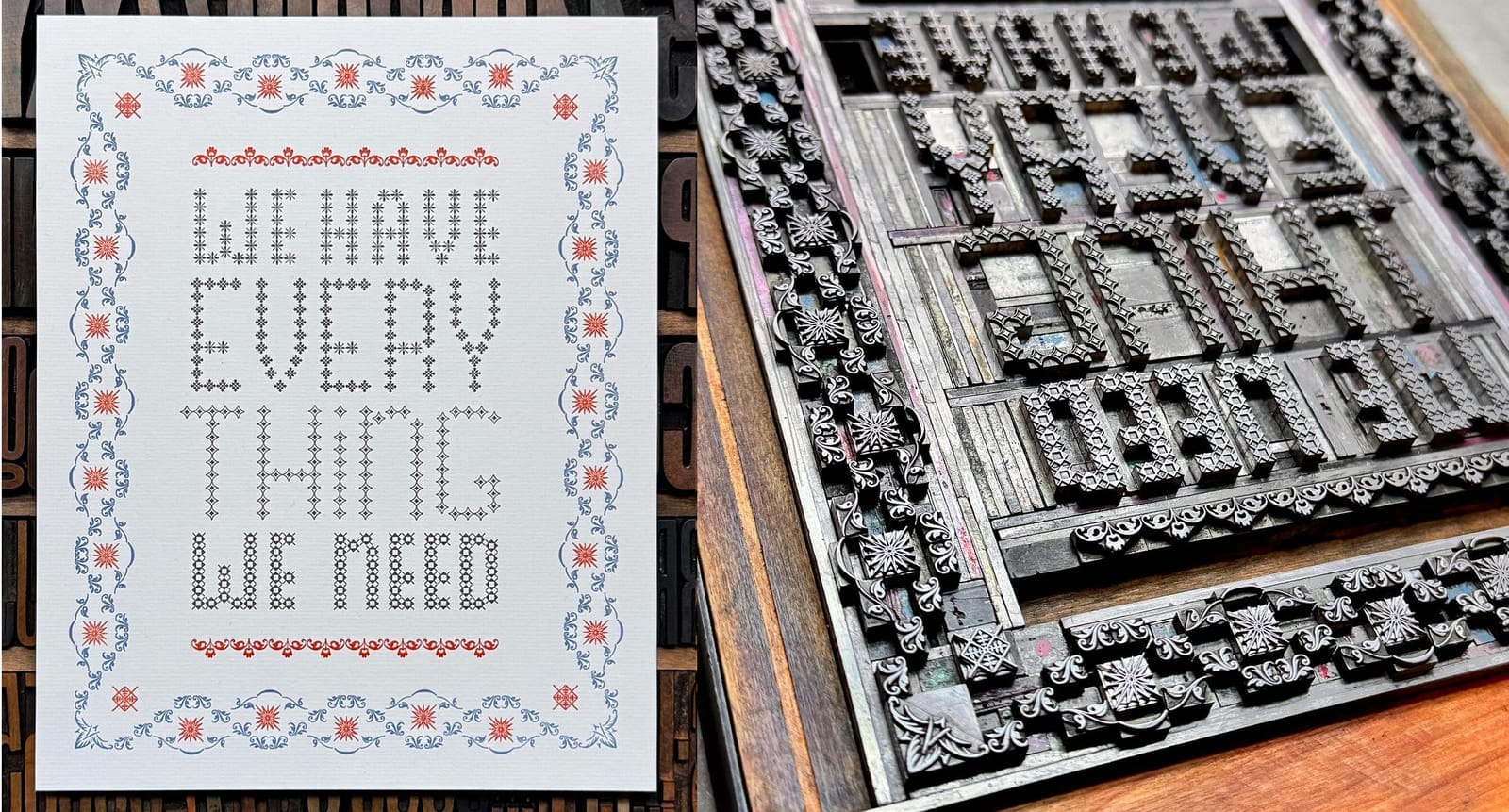
Atwood’s personal motivation stems from a profound reflection on wealth and responsibility, particularly following the 2021 acquisition of Stack Overflow by Prosus for a reported $1.8 billion. This event prompted the fundamental question: "When, exactly, is enough?" He cites a powerful quote from Mary Gates, mother of Microsoft co-founder Bill Gates: "From those to whom much is given, much is expected." This sentiment resonated deeply, leading Atwood and his wife, Betsy, to adopt a philosophy of generous giving. As Betsy Atwood articulated in a recent podcast, their focus shifted from having "everything we need" to ensuring "everybody has what they need," encompassing basic necessities like housing, food, and healthcare.
The initial phase of the "Share the American Dream" pledge saw rapid action. In January 2025, the Atwood family committed $1 million to eight carefully selected nonprofit charities, focusing on immediate impact. Recognizing the escalating urgency of societal needs, this initial sum was swiftly augmented by an additional $13 million in donations within a few months, bringing the total immediate aid to $21 million. These funds were directed to organizations evaluated for their effectiveness by platforms like Charity Navigator, ensuring that resources reached those most vulnerable.

However, Atwood recognized that reactive "firefighting" of individual crises, while necessary, was not a sustainable solution. A more profound, systemic approach was required to address the root causes of poverty and inequality. This led to the second, longer-term component of his pledge: investing in initiatives that improve foundational conditions to prevent such crises in the first place.
The Evolution of a Strategic Vision: From Think Tank to GMI
Initially, Atwood had explored several speculative ideas for long-term impact. One concept, inspired by the RAND Corporation and modernized along the lines of Lever for Change, envisioned a new organization that would empower experts to devise realistic pathways to preserve the American Dream. By March 2025, this exploratory phase coalesced into a clear strategic direction: Guaranteed Minimum Income (GMI).
The decision to champion GMI was rooted in extensive research and a belief in its potential for transformative change. GMI is presented as an evolved and refined version of Universal Basic Income (UBI). While UBI often entails providing a set income to all citizens regardless of their economic status, GMI strategically directs financial aid to those who need it most, with a particular focus on families experiencing generational poverty. This targeted approach aims to maximize impact by addressing specific areas of acute economic vulnerability, ensuring that funds are utilized where they can make the most significant difference in stabilizing lives and fostering upward mobility.
The Rural Guaranteed Minimum Income Initiative (RGMII): A Targeted Approach
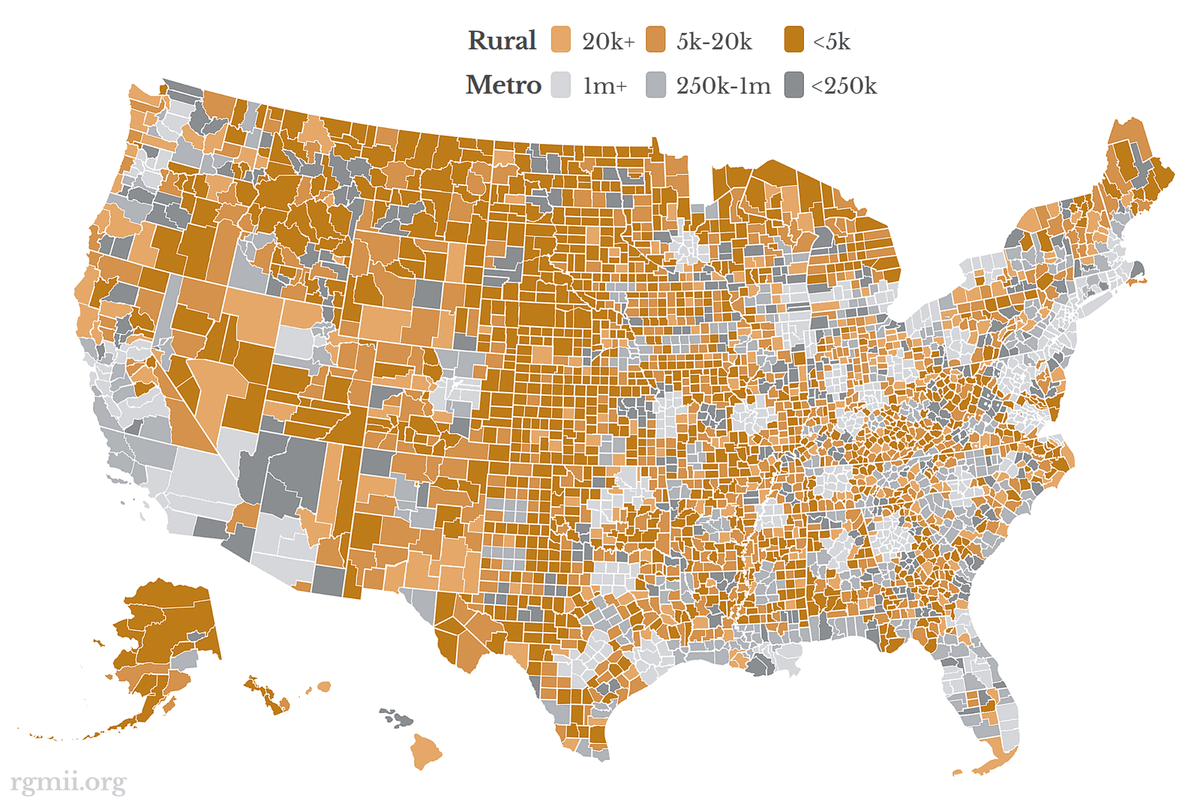
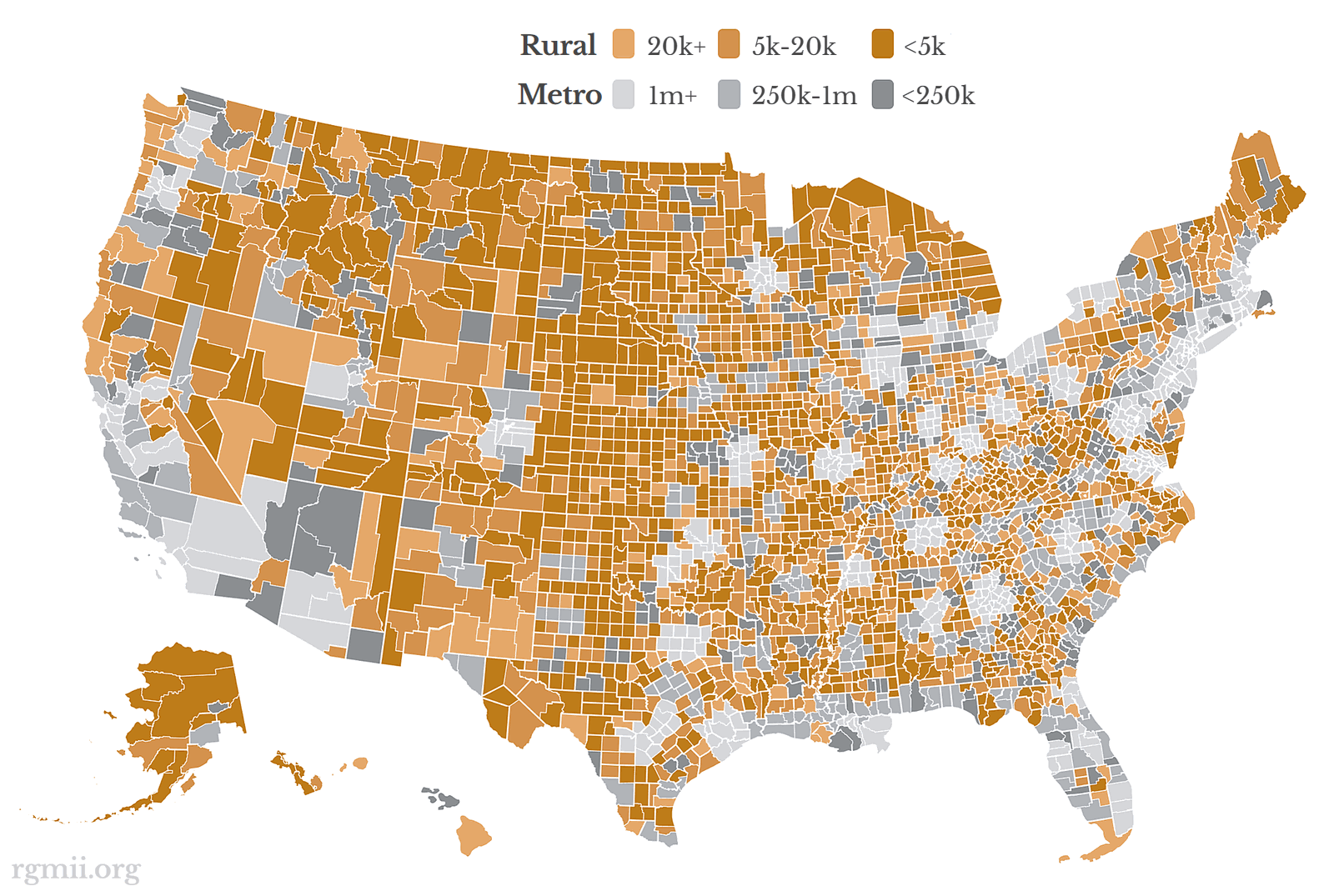
The core vehicle for this $50 million commitment is the newly established Rural Guaranteed Minimum Income Initiative (RGMII). Atwood, himself hailing from a rural background, emphasizes the initiative’s deliberate focus on rural counties across the United States. This strategic choice is driven by several factors:

- Economic Efficiency: Dollars often stretch further in rural economies compared to urban centers.
- Prevalence of Poverty: Rural areas frequently exhibit higher rates of entrenched poverty, often overlooked by broader national initiatives.
- Population Size for Studies: Smaller, more contained populations in rural counties allow for tighter, more controllable studies and data collection, facilitating robust analysis of GMI’s effectiveness.
- Untapped Potential: Atwood believes rural communities possess immense, often undervalued, talent and potential that can be unleashed through economic stability.
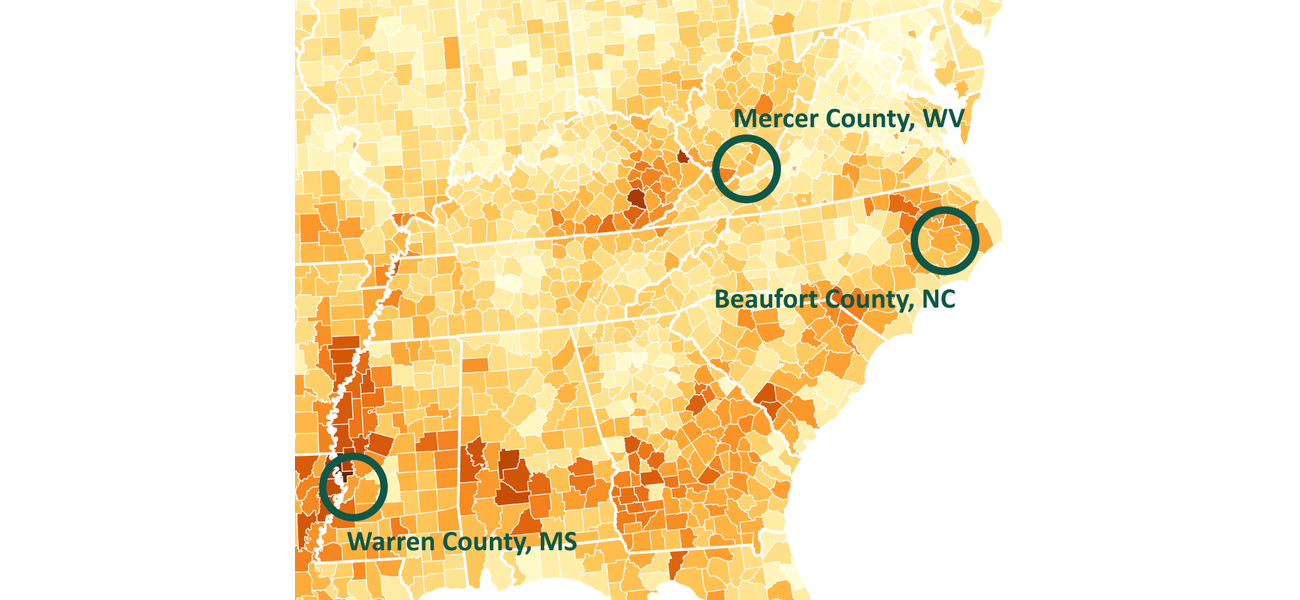
The RGMII is already well underway, having funded pilot programs in three distinct county-level locations: Mercer County, West Virginia; Beaufort County, North Carolina; and Warren County, Mississippi. These programs are designed to provide financial support to thousands of individuals, lifting them out of poverty for a sustained period of 16 months. A critical component of these initiatives is the commitment to sharing data and results globally, contributing to the growing body of evidence surrounding direct cash transfer programs.
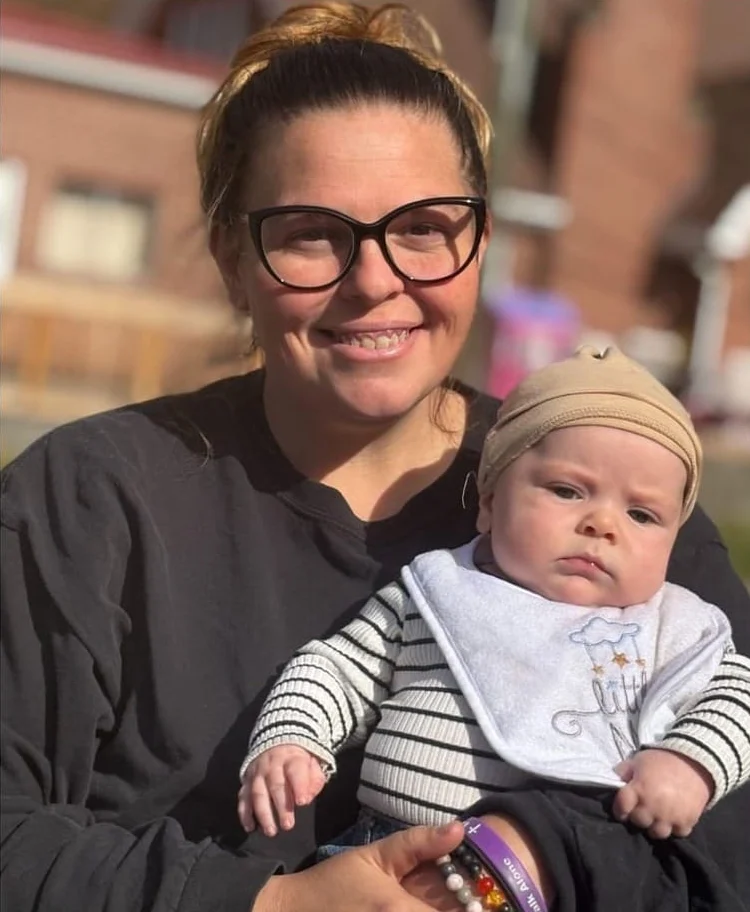
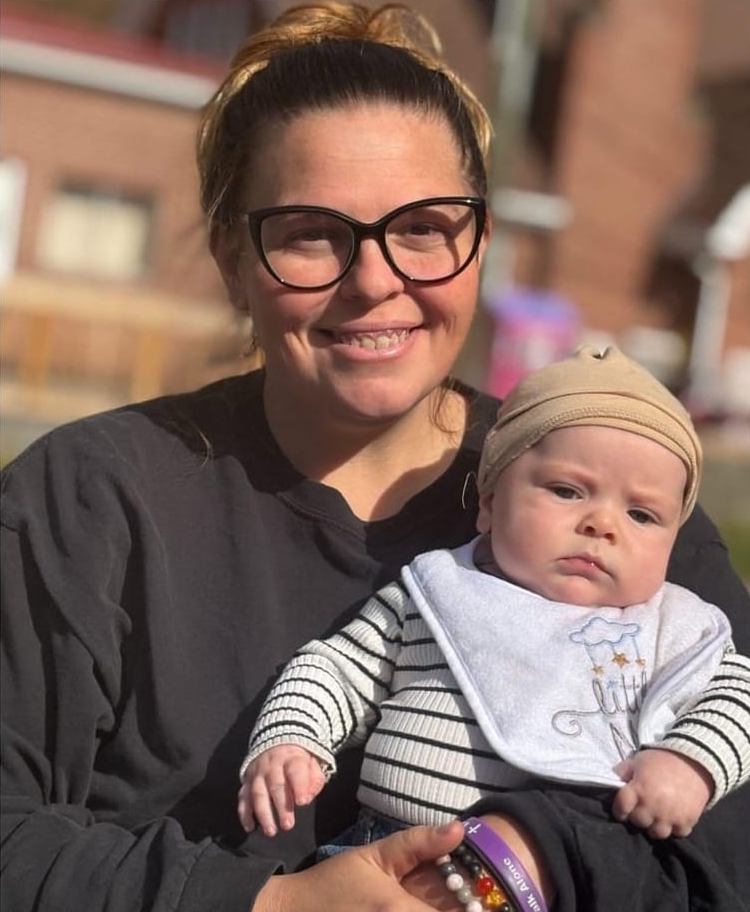
The personal narratives emerging from these pilot programs underscore the immediate and profound impact of GMI. Stacy D., a recipient from West Virginia’s RISE program, shared her story, highlighting the isolation and hardship faced by families without a local support network. Pregnant and high-risk after a decade of trying for a child, Stacy stopped working. The subsequent breakdown of her family’s only vehicle—essential for transporting her five children—plunged her into a cycle of dependence and stress. "You don’t know how hard it is to ask people, hey, can I get a ride to the grocery store? Or, hey, my baby has two month shots. I had to borrow a vehicle," she recounted. The GMI assistance, she states, is "going to do a lot!" by enabling her to repair her car and regain independence, illustrating how direct aid can break down immediate barriers to stability and self-sufficiency.
The Broader Context of Guaranteed Minimum Income

The concept of direct cash transfers and guaranteed income has a rich and often debated history, extending back decades. Early proponents, including economists and social reformers, have explored various models of universal or targeted income support. For instance, experiments in the 1970s in Manitoba, Canada (the Mincome experiment), demonstrated positive outcomes, including improved health metrics and reduced hospitalization rates among recipients. More recently, projects like the Stockton Economic Empowerment Demonstration (SEED) in California have provided valuable contemporary data, showing that recipients of unconditional cash aid experienced reduced income volatility, increased full-time employment, and improved overall well-being.
The arguments in favor of GMI often center on its potential to:
- Reduce Poverty and Inequality: Directly addresses material deprivation.
- Improve Health Outcomes: Reduces stress associated with financial insecurity, leading to better physical and mental health.
- Boost Local Economies: Recipients tend to spend the money on essential goods and services, stimulating local businesses.
- Increase Agency and Dignity: Provides individuals with the flexibility to address their unique needs without bureaucratic restrictions.
- Foster Entrepreneurship and Education: With basic needs met, individuals may be more inclined to pursue education or entrepreneurial ventures.
However, GMI and UBI models also face criticisms, primarily concerning their cost, potential disincentives to work, and inflationary pressures. Proponents of GMI, like Atwood, counter these arguments by emphasizing the targeted nature of the program, focusing on those genuinely in need and often facing significant barriers to employment. Furthermore, numerous studies suggest that recipients often use the funds to stabilize their lives, enabling them to seek better employment, pursue education, or address health issues that previously hindered their ability to work. The RGMII’s commitment to transparent data sharing is crucial for providing empirical evidence to inform these ongoing policy debates.
Looking Ahead: Scaling and Impact
Atwood’s ambition for the RGMII extends far beyond the initial three pilot counties. The long-term vision is to expand the initiative to all 50 states, building a comprehensive body of evidence that can inform national policy. This scaling effort will rely on continued philanthropic support and a collaborative approach.
The RGMII website serves as a central hub for information, providing access to GMI study analysis, the history of GMI, and ways for the public to get involved. Educating the public and policymakers about the mechanics and benefits of GMI is a key objective, as many still harbor misconceptions about direct cash transfer programs. Atwood believes that understanding the "path of love" – the harder, but ultimately survivable path of compassion and collective responsibility – is paramount for the nation’s future.
Atwood’s Enduring Legacy: A "Third and Final Startup"
Describing the RGMII as his "third and final startup," Jeff Atwood underscores the deep personal significance of this endeavor. Unlike a traditional foundation, his aim is not to build a lasting personal institution but to advance a fundamental concept: the power of direct cash transfers to uplift individuals and communities. This approach is rooted in the belief that simply giving money to those most in need is "perhaps the most radical act of love we can take on."
The available data, as highlighted by Atwood and various studies, consistently indicates that direct cash transfers work. They empower individuals to afford basic necessities, maintain stable housing, and manage unexpected expenses, thereby fostering greater stability and opportunity.
The call to action from Atwood is clear: "If you, or someone you know, is ‘those to whom much is given,’ and in a position to sponsor county-scale work, please join us in bringing a GMI study to a new rural county and reach all 50 states." The ultimate goal is to continue generating open data and evidence, demonstrating that "Dreams, like happiness, are only real when shared." Through the RGMII, Jeff Atwood is not just investing wealth but building a legacy of shared opportunity, aiming to restore the American Dream for thousands of families across the nation.
About the Author