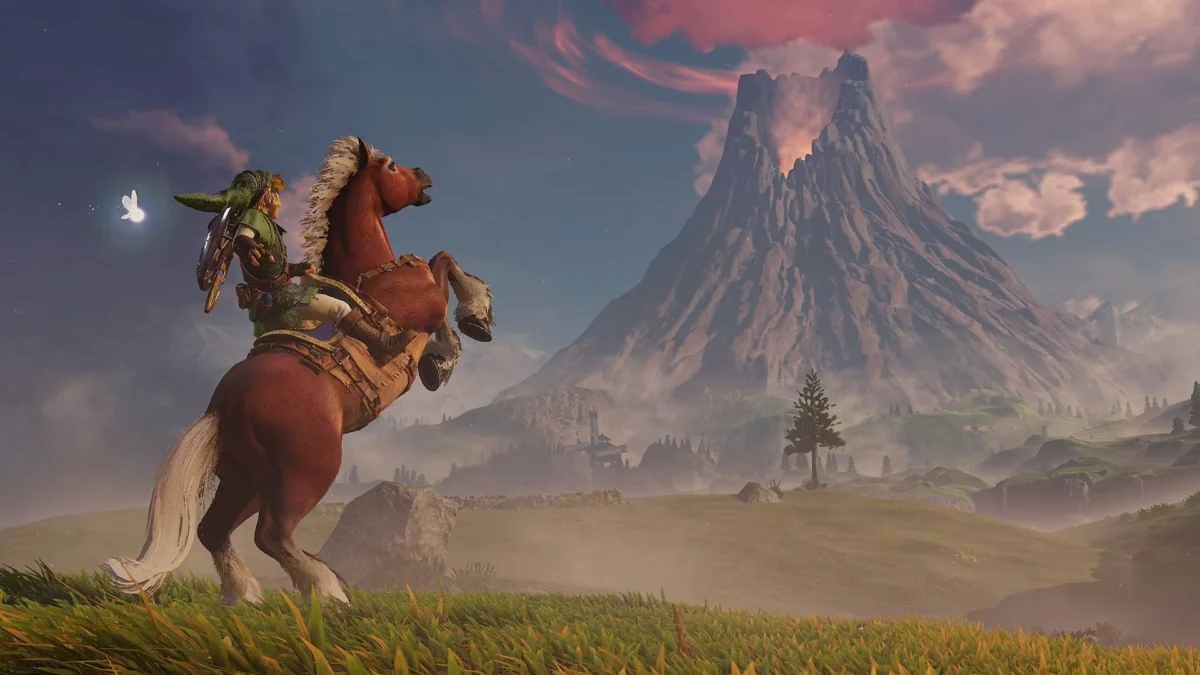
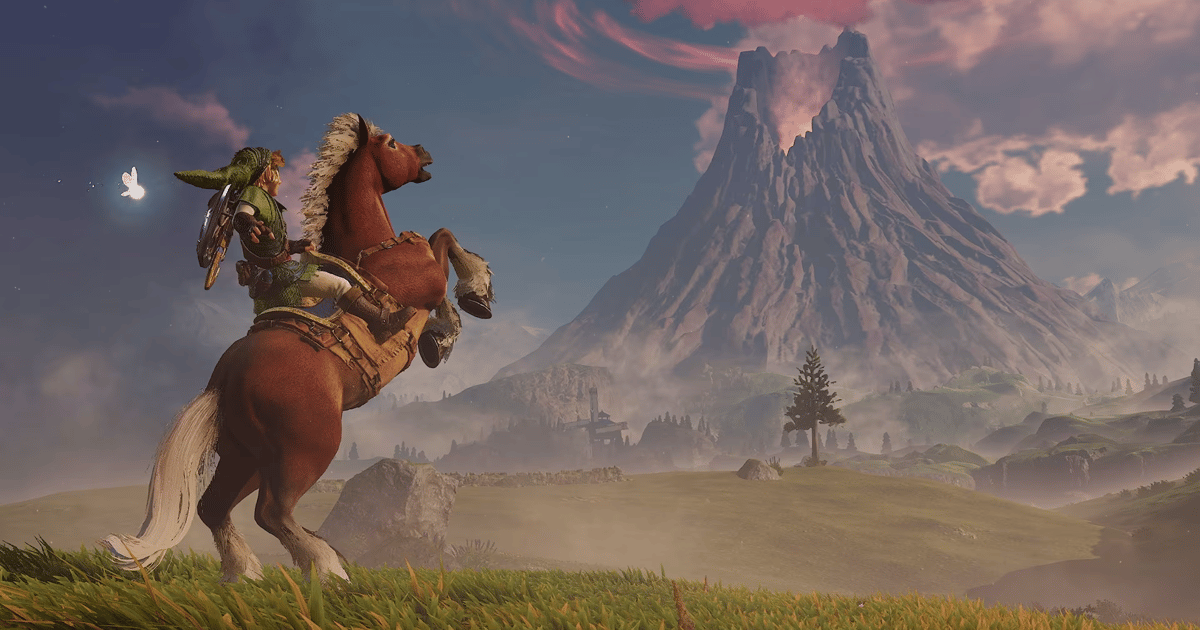
Three decades after its groundbreaking debut, The Legend of Zelda: Ocarina of Time continues to be heralded by many as one of the most influential and critically acclaimed video games of all time. As the storied Legend of Zelda series approaches its 40th anniversary, its long-serving producer, Eiji Aonuma, who contributed to the original Ocarina of Time as a dungeon designer and game planner, has revealed a profound strategic impetus behind an upcoming full remake of the 1998 classic. This modern iteration is envisioned not merely as a nostalgic revisit for fans, but primarily as a crucial educational endeavor for contemporary Zelda development teams, ensuring that the seminal lessons from its creation are deeply ingrained in the next generation of designers.
The Genesis of a Pedagogical Remake
In a revealing interview published as part of Nintendo’s internal "Ask the Developer" series, Aonuma articulated that a significant motivation for revisiting Ocarina of Time stems from a desire to bridge a knowledge gap within the current development teams. Many of the talented individuals now crafting Legend of Zelda experiences have primarily worked on the series’ more recent titles, particularly those that have departed significantly from the foundational design principles epitomized by Ocarina of Time. Aonuma expressed his concern, stating, "This year marks the 40th anniversary of the very first Legend of Zelda game. With that in mind, I was thinking about what I should create as the producer of the series. Many of the team members who work alongside me on Legend of Zelda games today have only experienced developing the more recent titles. That led me to wonder, ‘do they truly understand just how significant The Legend of Zelda: Ocarina of Time was to the series as a whole?’"
He elaborated that while some younger team members might vaguely recall playing the game in their childhood, their professional experience is rooted in different design paradigms. The intent is not just passive understanding but active engagement: "But I started to wonder how they’d interpret The Legend of Zelda: Ocarina of Time as they go about developing future Legend of Zelda games. By learning the game structure and development style behind the original The Legend of Zelda: Ocarina of Time, and by actually rebuilding it as a full remake, it may trigger new insights that they can carry forward into future development. If we could achieve that, I thought it would be incredibly valuable. That’s what led us to the conclusion that now is the right time to revisit The Legend of Zelda: Ocarina of Time once again." This initiative highlights Nintendo’s commitment to preserving institutional knowledge and ensuring a continuous lineage of design philosophy within its flagship franchise.
The Enduring Legacy of a Masterpiece
The Legend of Zelda: Ocarina of Time, released for the Nintendo 64 in November 1998, rapidly ascended to become a landmark achievement in interactive entertainment. Its impact was immediate and profound, setting new benchmarks for 3D game design, narrative presentation, and player engagement. Critically, it garnered near-universal acclaim, achieving a perfect score of 99 out of 100 on Metacritic, a rating that remains one of the highest in video game history. Publications worldwide lauded its innovative gameplay mechanics, including the revolutionary Z-targeting system which simplified combat in a 3D environment, its expansive world of Hyrule, and its emotionally resonant narrative.
Commercially, the game was a monumental success, selling over 7.6 million units worldwide on the Nintendo 64 alone. Its influence extended far beyond sales figures, shaping the trajectory of 3D action-adventure games for decades. Elements such as context-sensitive button prompts, dynamic camera control, and a day-night cycle became industry standards, directly inspired by Ocarina of Time‘s pioneering efforts. The game’s intricate dungeon design, progression through a carefully curated sequence of items, and the sense of growth experienced by protagonist Link were hallmarks of what Aonuma now seeks to re-emphasize.
Prior to this newly announced project, Ocarina of Time has seen several re-releases and remasters. It was included in The Legend of Zelda: Collector’s Edition for the GameCube in 2003, made available on the Wii and Wii U Virtual Console, and notably received a comprehensive 3D remake for the Nintendo 3DS in 2011, titled The Legend of Zelda: Ocarina of Time 3D. While these iterations allowed new generations to experience the classic, Aonuma’s current vision for a full remake implies a deeper, more reconstructive approach, specifically tailored to an internal pedagogical objective rather than merely a graphical overhaul or portable adaptation. This distinction underscores the unique strategic intent behind the latest endeavor.
Evolution of Zelda: From Linear Progression to Open-Air Exploration
The Legend of Zelda series has undergone a significant transformation in its core gameplay philosophy over the past decade. For much of its history, from the original NES title in 1986 through Skyward Sword in 2011, the series adhered to a broadly consistent formula: a structured progression through distinct dungeons, each yielding a unique item or ability essential for overcoming subsequent challenges and ultimately defeating the primary antagonist. Ocarina of Time is often considered the zenith of this design paradigm in a 3D environment, offering a finely tuned balance of exploration, puzzle-solving, and combat within a meticulously crafted, if somewhat linear, adventure path.
However, the release of The Legend of Zelda: Breath of the Wild in 2017 marked a radical departure. Aonuma himself championed this shift, coining the term "open-air" to describe its expansive, non-linear world where players were granted unprecedented freedom to explore, tackle objectives in almost any order, and discover solutions through emergent gameplay mechanics rather than prescribed paths. This philosophy was further refined and expanded upon in its critically acclaimed successor, The Legend of Zelda: Tears of the Kingdom, released in 2023. Both titles received widespread critical acclaim and immense commercial success, with Breath of the Wild selling over 31 million copies and Tears of the Kingdom exceeding 20 million, fundamentally redefining player expectations for the series and the broader open-world genre.
This pivot, while celebrated, has created a generational divide within Nintendo’s own development teams. As Aonuma noted, many junior developers have only experienced creating games under the "open-air" philosophy, potentially lacking a deep understanding of the structured, linear progression that defined earlier Zelda titles. The interview revealed that some developers working on the modern Ocarina of Time remake admitted to not having played the original until recent years, validating Aonuma’s concern that the foundational lessons of the 1998 classic might be lost.
Aonuma acknowledged the difference in player experience directly, stating, "In The Legend of Zelda: Ocarina of Time, part of the fun comes from progressing through a carefully paced adventure and story, gradually building up the player’s growth and their understanding of the narrative along the way. We wanted players who had grown accustomed to Legend of Zelda games like Breath of the Wild, where they can freely choose their own path from the start, to experience that kind of gameplay as well." This statement confirms the dual objective of the remake: to educate developers and to reintroduce players to a distinct, yet equally valid, style of Zelda gameplay.
Implications for Nintendo’s Development Philosophy and the Series’ Future
This strategic remake of Ocarina of Time carries significant implications for Nintendo’s internal development philosophy, the future trajectory of the Legend of Zelda series, and potentially the broader gaming industry.
Preservation of Institutional Knowledge: Nintendo’s approach exemplifies a proactive strategy to combat the often-discussed challenge of "developer brain drain" in long-standing franchises. As veteran developers retire or move to other projects, critical insights and design philosophies can be lost. By tasking younger teams with rebuilding a classic from the ground up, Nintendo is actively creating a hands-on learning environment that fosters a deep understanding of core principles. This is more effective than theoretical instruction, allowing developers to internalize design decisions by grappling with the original code and structure. This initiative could set a precedent for other legacy franchises seeking to maintain their creative integrity across generations of development staff.
Potential for Hybrid Design: The pedagogical exercise could lead to a fascinating evolution in future Zelda titles. While the "open-air" design has been immensely successful, Aonuma’s emphasis on Ocarina of Time‘s "carefully paced adventure and story" suggests an appreciation for structured progression. The experience gained by developers in dissecting and reconstructing OoT‘s linear dungeons and narrative flow might inspire future Zelda games to blend elements of both design philosophies. Imagine a vast, open-world Hyrule that also incorporates meticulously crafted, multi-stage dungeons with a strong narrative drive – a synthesis of the best of both eras. This could lead to a richer, more diverse gameplay experience that appeals to fans of both the classic and modern Zelda styles.
Market Strategy and Fan Engagement: While the primary goal is internal education, the commercial release of a full Ocarina of Time remake is also a shrewd market move. The enduring popularity of the game guarantees significant fan interest and sales. This allows Nintendo to capitalize on nostalgia while simultaneously achieving its internal development objectives. It also demonstrates a commitment to preserving and updating its iconic library, appealing to both long-time fans and new players who may have entered the series with Breath of the Wild. The remake serves as a bridge, allowing newer players to experience the roots of the series’ greatness, potentially fostering a deeper appreciation for its evolution.
Broader Industry Impact: Nintendo’s explicit use of a remake as an internal educational tool offers a compelling model for other game development studios. In an industry often criticized for a lack of formal training pathways for complex legacy systems, this hands-on approach could inspire similar initiatives. It underscores the value of game history not just for players, but as a living curriculum for creators. This could elevate the conversation around remakes from mere graphical updates to crucial tools for artistic and technical continuity.
In conclusion, Eiji Aonuma’s vision for the Ocarina of Time remake transcends a simple commercial re-release. It represents a forward-thinking investment in the intellectual capital of Nintendo’s development teams, a strategic move to ensure that the foundational genius of The Legend of Zelda series continues to inform its future. By meticulously reconstructing a masterpiece, Nintendo is not just honoring its past but actively forging the future of one of gaming’s most beloved and influential franchises, promising new insights and potentially innovative hybrid designs that will shape the next generation of Hyrulean adventures.
About the Author