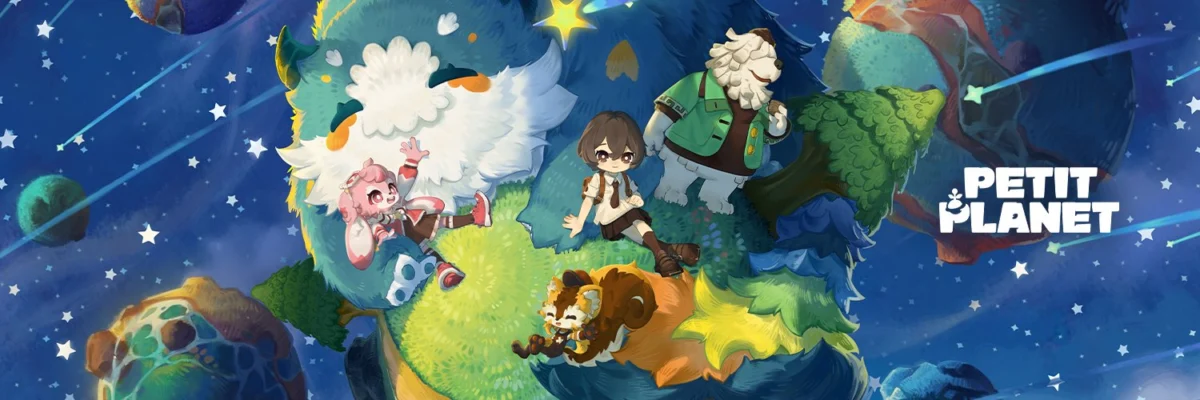
The global gaming community received official confirmation regarding the next major venture from Hoyoverse, the developer behind the multi-billion-dollar success of Genshin Impact, as the studio announced that its debut life simulation title, Petit Planet, is scheduled for a worldwide release on December 4. This launch will encompass iOS, Android, and PC platforms, featuring full cross-progression capabilities to ensure a seamless transition for players across mobile and desktop environments. In a move that highlights the developer’s long-term hardware strategy, Hoyoverse also confirmed during a pre-launch livestream on November 1 that a dedicated version for Nintendo’s successor to the Switch, colloquially referred to as the Switch 2, is currently in development with a projected release window in 2027.
The announcement of the December 4 release date was initially made on October 30, following months of speculation and high-profile beta testing. Petit Planet represents a significant strategic pivot for the Shanghai-based developer, which has built its reputation and massive financial reserves through combat-heavy, high-fantasy, and urban sci-fi titles such as Genshin Impact, Honkai: Star Rail, and Zenless Zone Zero. By entering the "cosy" life simulation genre, Hoyoverse is positioning itself to compete directly with established franchises like Nintendo’s Animal Crossing and Gameloft’s Disney Dreamlight Valley, aiming to capture a broader demographic of casual players while retaining its core fanbase through high-fidelity aesthetics and deep social mechanics.
A New Direction: Gameplay Mechanics and Social Integration
Petit Planet departs from the high-octane action and intricate combat systems that defined Hoyoverse’s previous offerings. Instead, the game focuses on a meditative, creative experience where players are tasked with managing and beautifying their own miniature celestial bodies. The core gameplay loop revolves around building and decorating a personalized small planet, incorporating elements of agricultural management, resource gathering, and domestic customization.
Key features confirmed by the developers include:
- Farming and Resource Management: Players can cultivate various alien and terrestrial flora, managing harvests to use in other gameplay systems.
- Fishing and Cooking: These secondary systems provide both relaxation and utility, allowing players to discover rare aquatic species and prepare meals that may offer various social or cosmetic benefits.
- Deep Customization: At launch, the game will feature more than 1,000 furniture and clothing items. Hoyoverse has emphasized that these items can be earned through regular gameplay, a move seen as a gesture toward the "free-to-play" friendly nature of the title, despite the likely inclusion of monetization systems typical of the studio’s portfolio.
- The Galactic Bazaar: This shared social hub serves as the game’s primary multiplayer component. Players can travel from their private planets to the Bazaar to meet friends, showcase their avatars, and participate in community-driven events.
The emphasis on social connectivity through the Galactic Bazaar suggests that Hoyoverse is looking to leverage its expertise in live-service infrastructure to create a persistent, evolving world that encourages long-term player retention without the necessity of power-creep or competitive leaderboards.
Development Timeline and Beta Testing Phases
The road to the December 4 launch has been marked by a rigorous testing schedule, allowing the developers to refine the game’s performance and social features. The project was first publicly revealed in September 2025, generating immediate interest due to its departure from the "HoYo-verse" action-RPG formula.
The development chronology includes several key milestones:
- Initial Reveal (September 2025): The game was introduced with a trailer showcasing its soft art style and planet-building mechanics.
- The Coziness Test (November 7, 2025): The first closed beta focused on the core domestic mechanics—farming and decorating—and tested the server stability for initial social features.
- The Stardrift Test (April 21, 2026): A second, more expansive beta phase introduced the Galactic Bazaar and refined the cross-play functionality between PC and mobile devices.
- Final Beta (September 2026): A technical stress test designed to ensure the game could handle the anticipated massive influx of players at launch.
This structured rollout has allowed Hoyoverse to gather extensive player feedback, particularly regarding the balance between the "cosy" atmosphere and the progression systems that keep players engaged over months and years.
Financial Context and Market Positioning
The launch of Petit Planet comes at a time when Hoyoverse, known as MiHoYo within mainland China, has established itself as one of the most financially successful private entities in the global gaming industry. According to industry data and AppMagic estimates, the studio’s portfolio has reached unprecedented heights in terms of both revenue and reach.
Genshin Impact, the studio’s flagship title, is estimated to have generated approximately $4.1 billion on mobile platforms alone since its 2020 debut. This figure does not account for significant revenue from PC and PlayStation versions, suggesting the total is considerably higher. Honkai: Star Rail has followed a similar trajectory, earning an estimated $1.5 billion, while the more recently released Zenless Zone Zero has already amassed approximately $358 million. Collectively, the studio’s apps have surpassed 457 million downloads worldwide.
With Petit Planet, Hoyoverse is not merely seeking another revenue stream but is diversifying its portfolio to mitigate the risks associated with genre saturation. While action-RPGs with "gacha" mechanics are highly lucrative, they also require constant content updates involving complex combat balancing and power scaling. A life simulation game offers a more sustainable content pipeline focused on aesthetics and social interaction, which typically enjoys a longer tail of engagement with lower development overhead per update compared to high-action combat sequences.
Strategic Hardware Expansion: The Nintendo Switch 2 and Beyond
One of the most significant revelations from the November 1 livestream was the confirmation of a 2027 release for the Nintendo Switch 2. This announcement is notable for several reasons. First, it confirms Hoyoverse’s intent to maintain a presence on console hardware, following the success of Genshin Impact and Honkai: Star Rail on PlayStation 5. Second, the 2027 timeline provides a glimpse into the studio’s expectations for the adoption rate of Nintendo’s next-generation hardware.
Industry analysts suggest that the delay between the 2024 mobile/PC launch and the 2027 console launch may be due to the technical requirements of porting a high-fidelity, persistent world to a new architecture. Furthermore, by waiting until 2027, Hoyoverse ensures that the Switch 2 will have an established install base, maximizing the potential for the game’s success on the platform. This staggered release strategy also allows the developer to keep Petit Planet in the news cycle for several years, providing a "second launch" effect when it eventually hits the console market.
Broader Implications for the Gaming Industry
The release of Petit Planet is being closely watched by industry competitors and analysts alike. It represents a "prestige" entry into the life sim genre, which has traditionally been dominated by a few key players. Hoyoverse’s entry signifies that the "cosy game" market—once considered a niche or secondary category—is now a primary target for the industry’s biggest hitters.
The inclusion of over 1,000 free items at launch is a clear attempt to disrupt the current market, where many life sims have been criticized for aggressive monetization of cosmetic items. If Hoyoverse can successfully monetize through other means—such as a battle pass or premium "lifestyle" subscriptions—while keeping the core creative experience accessible, it could set a new standard for the genre’s business model.
Furthermore, the cross-progression between PC and mobile at launch remains a cornerstone of Hoyoverse’s "anywhere, anytime" philosophy. This approach has been instrumental in the success of Genshin Impact, allowing players to perform daily tasks on their phones while saving more intensive gameplay sessions for their PCs. In Petit Planet, this could manifest as players checking their harvests or visiting the Galactic Bazaar during a commute, then spending hours decorating their planet on a high-resolution monitor at home.
As December 4 approaches, the focus remains on whether Hoyoverse can translate its mastery of the "gacha" RPG into the gentler, more creative world of life simulation. With a massive existing player base and a proven track record of high-quality production, Petit Planet is poised to be one of the most significant releases of the year, potentially redefining what players expect from a social simulation game in the modern era. The eventual expansion to the Switch 2 in 2027 only reinforces the studio’s commitment to making Petit Planet a permanent fixture in the global gaming landscape.
About the Author