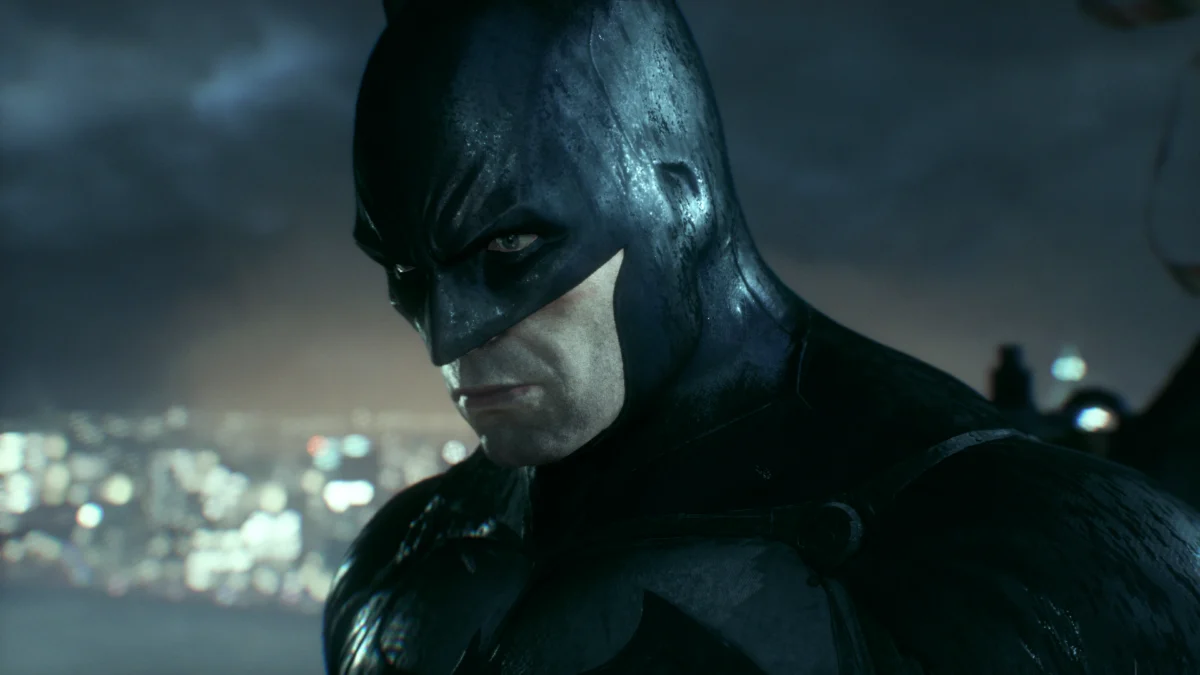
Rocksteady Studios’ Batman: Arkham Knight, the concluding chapter in its acclaimed Arkham trilogy, arrived in 2015 bearing the immense weight of expectation established by its predecessors, Arkham Asylum and Arkham City. Much like Christopher Nolan’s Dark Knight film trilogy, the Arkham game series saw its first entry lauded as a foundational triumph, the sequel hailed as a genre-defining masterpiece, and the finale greeted with a more polarized, albeit generally positive, reception. Despite the nuanced critical response upon release, Batman: Arkham Knight merits a closer examination and greater credit than its initial reception might suggest, standing as a dramatically rich and technically ambitious conclusion to a landmark series.
The Genesis of a Gaming Phenomenon: The Arkham Legacy
The journey began in 2009 with Batman: Arkham Asylum, a game that redefined superhero video games by offering a meticulously crafted narrative, innovative "Freeflow Combat" system, and an atmospheric setting. Its success was unprecedented, earning it a Guinness World Record for "Most Critically Acclaimed Superhero Game Ever." Two years later, Batman: Arkham City expanded the scope, transforming the Asylum’s contained environment into a sprawling, open-world segment of Gotham, brimming with iconic villains and complex side quests. This sequel garnered even higher praise, solidifying Rocksteady’s reputation as master storytellers and gameplay innovators within the superhero genre. The anticipation for Arkham Knight was therefore immense, fueled by the promise of next-generation graphics, an even larger Gotham, and the long-awaited introduction of a drivable Batmobile.
A Grand Finale: Narrative and Gameplay Ambition Unveiled
Batman: Arkham Knight picked up nine months after the tragic events of Arkham City, plunging Gotham into chaos as Scarecrow, backed by the mysterious Arkham Knight and an army of supervillains, unleashed a city-wide fear toxin. This apocalyptic scenario forced Batman to confront not only his most formidable external threats but also his deepest internal demons, most notably the lingering psychological torment inflicted by the Joker. The game’s narrative ambition was palpable, aiming to deliver a definitive end to Batman’s saga within this continuity, challenging his resolve, his identity, and his commitment to Gotham.
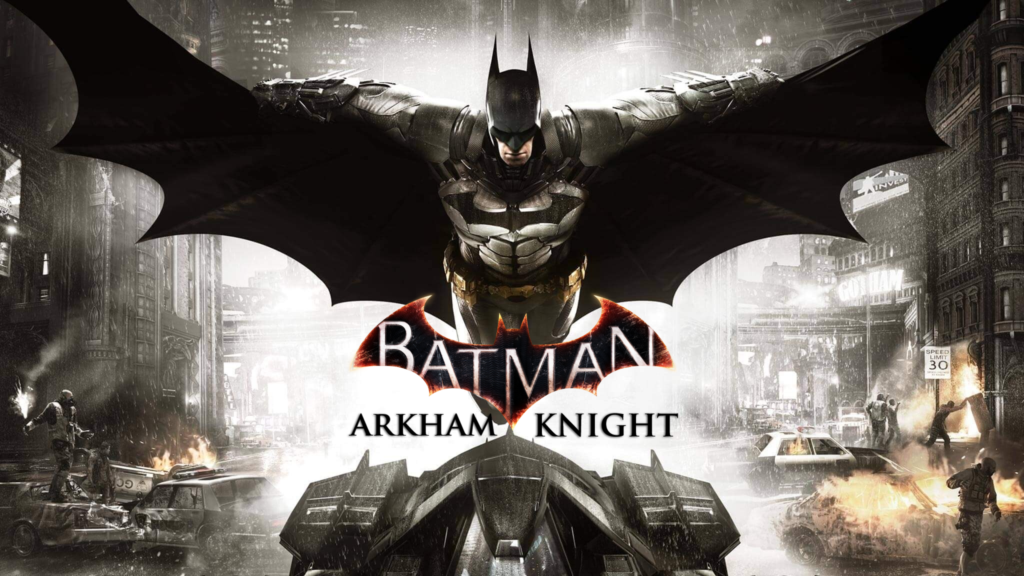
Gameplay-wise, Arkham Knight retained the series’ signature blend of fluid combat, stealth mechanics, and intricate detective work. However, it introduced significant enhancements and a groundbreaking new feature: the fully drivable Batmobile. This addition was central to the game’s design, integrated into traversal, puzzle-solving, and combat, allowing players to engage in high-speed chases and tank battles across a Gotham City five times larger than Arkham City. While lauded for its visual fidelity and the sheer scale of its open world, the Batmobile’s frequent deployment in combat sequences became a point of contention for some critics and players, who felt it disrupted the traditional Arkham gameplay loop.
Navigating the Critical Landscape: Praise, Controversy, and PC Port Issues
Upon its release, Batman: Arkham Knight received "generally favorable" reviews, particularly for its console versions. The PlayStation 4 version, for instance, achieved an aggregate Metacritic score of 91, indicating "universal acclaim." Critics lauded its stunning graphics, refined combat, compelling narrative, and superb voice acting, with Kevin Conroy’s portrayal of Batman and Mark Hamill’s final turn as the Joker receiving particular praise for their emotional depth. The game’s intricate character arcs, particularly Batman’s struggle with the Joker’s psychological presence and the revelation of the Arkham Knight’s identity as Jason Todd, were highlighted as narrative strengths that pushed the Caped Crusader to his breaking point.
However, the game’s launch was not without significant controversy, primarily concerning its PC port. The Windows version was plagued by severe performance issues, including frame rate drops, texture pop-in, and numerous bugs, leading to an unprecedented decision by Warner Bros. Interactive Entertainment to suspend sales of the PC version and offer refunds. This debacle severely impacted the game’s overall critical perception, with the PC version ultimately holding a Metacritic score of 70, reflecting "mixed or average" reviews. The issues necessitated months of patches and a re-release, casting a shadow over what was otherwise a technically impressive and narratively rich experience for console players.
Thematic Resonance: A Hero’s Final Reckoning
Beyond the technical achievements and controversies, Batman: Arkham Knight‘s true strength lies in its profound thematic depth. The story shifts focus from merely saving Gotham to exploring Batman’s own fragile psyche. It delves into haunting questions: Can Batman win without compromising his moral code? Are his deepest fears truly justified? What does he owe to those he has lost in his crusade? These existential queries elevate the narrative, transforming it from a typical superhero adventure into a psychological thriller.
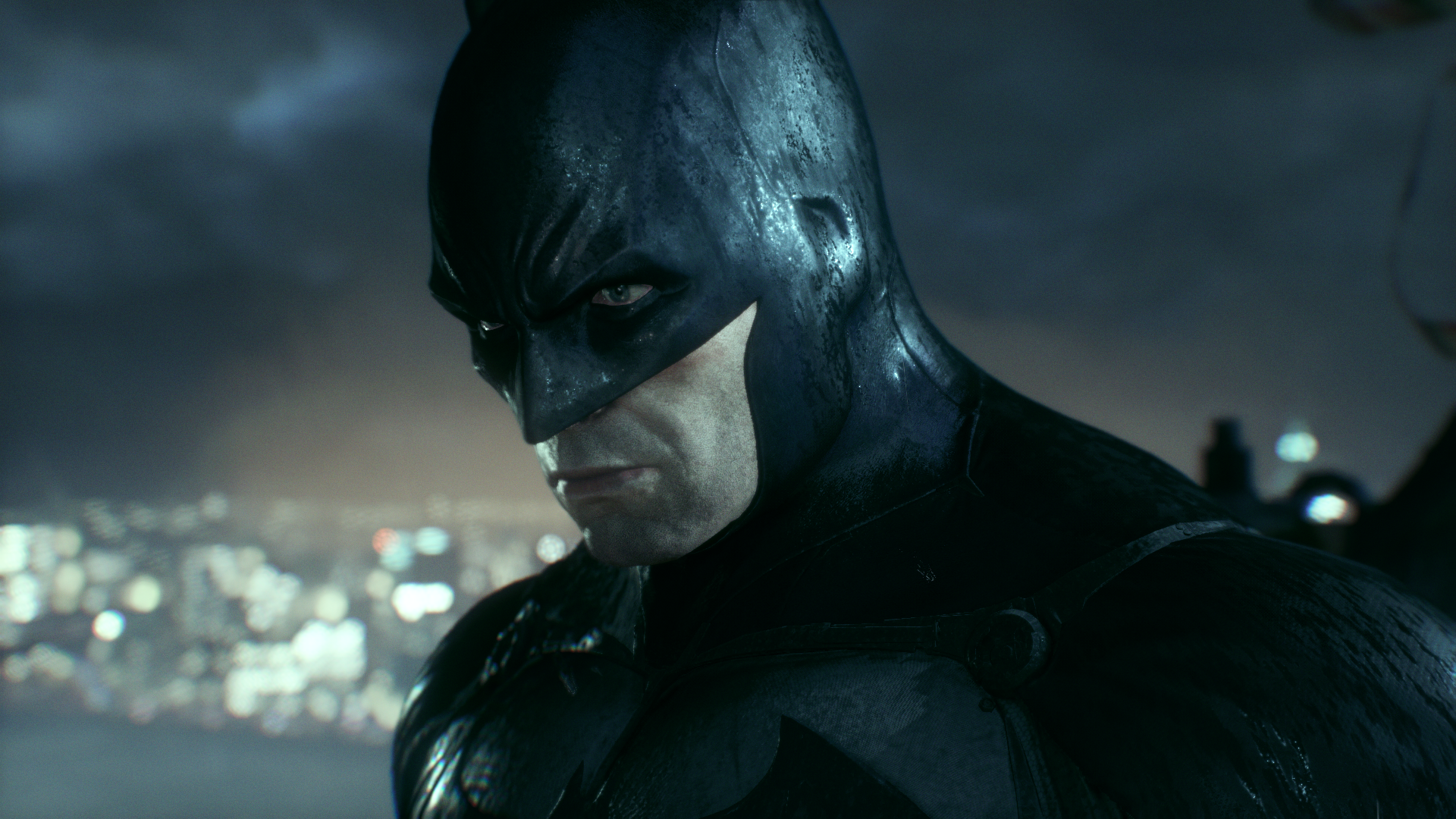
The game meticulously explores the concept of fear, not just as a weapon wielded by Scarecrow, but as a pervasive force within Batman himself. His internal struggle, exacerbated by Joker’s spectral presence, forces players to confront the blurred lines between hero and villain, sanity and madness. The dialogue, though perhaps perceived by some as less sharp than Arkham City‘s vibrant exchanges, serves a critical narrative function. It reveals deep-seated motives, challenges long-held beliefs, and confronts the brutal realities of Batman’s war on crime. Characters’ words expose their vulnerabilities, their ideologies, and their ultimate fates, making each line a deliberate stroke in the larger portrait of a hero’s final stand.
Key Voices: The Power of Dialogue in Gotham’s Darkest Hour
The ensemble cast of Batman: Arkham Knight delivers a powerful narrative through their interactions, with each character’s dialogue serving to advance the plot and deepen the thematic resonance.
-
Batman (Bruce Wayne): As the central protagonist, Batman’s dialogue in Arkham Knight reflects a hero pushed to his absolute limit. His words, though fewer, carry immense weight, revealing his unwavering commitment to Gotham while simultaneously exposing the profound vulnerability beneath the cowl. They highlight the growing tension between the symbol he has painstakingly crafted and the man, Bruce Wayne, who is struggling to maintain his grip on reality amidst Joker’s psychological assault. His pronouncements often underscore his resolve, his sacrifices, and the moral compromises he faces, such as when he contemplates the ultimate price of his crusade.
-
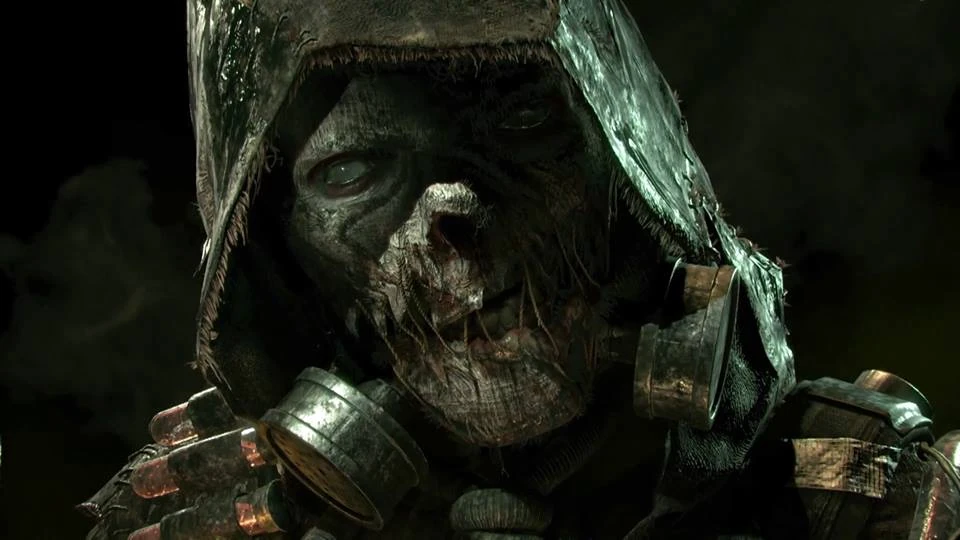
Scarecrow (Dr. Jonathan Crane): The primary antagonist, Scarecrow, embodies psychological warfare. His dialogue is chillingly calm and calculated, relying not on brute force but on the insidious power of fear. His lines consistently depict him as a manipulator who believes fear is an inevitable and ultimate weapon, a force capable of breaking even the strongest wills. Through his monologues and taunts, Scarecrow articulates his philosophical conviction that true power lies in understanding and exploiting humanity’s deepest anxieties, aiming to dismantle Batman’s legend by exposing his greatest fears to the world.
-
Arkham Knight (Jason Todd): The enigmatic Arkham Knight, later revealed as a vengeful Jason Todd, speaks with a raw, visceral anger born from betrayal and trauma. His dialogue is sharp, bitter, and accusatory, reflecting his deep-seated resentment towards Batman. His words serve as a direct challenge to Batman’s self-perception as a protector, highlighting his perceived failures and the tragic consequences of his war on crime. Jason’s lines are crucial in exploring themes of abandonment, vengeance, and the cycle of violence that Batman inadvertently perpetuates.
-
The Joker (Psychological Manifestation): Although physically absent, the Joker’s presence is acutely felt through his psychological hold on Batman. His taunting, cynical, and often darkly humorous internal dialogue represents Batman’s greatest fear: becoming indistinguishable from his arch-nemesis. These internal conversations, often taking the form of vivid hallucinations, serve to undermine Batman’s confidence, challenge his morality, and push him further towards the brink, showcasing the deep psychological scars left by their long-standing conflict.
-
Other Characters (e.g., Alfred, Oracle, Gordon, Robin, Nightwing): The supporting cast provides crucial emotional anchors and narrative counterpoints. Alfred’s lines often convey concern and steadfast loyalty, reminding Bruce of his humanity. Oracle and Gordon’s dialogue reflects the wider impact of the crisis on Gotham and their unwavering trust in Batman, even as they face their own perils. Robin and Nightwing’s interactions highlight the themes of legacy and partnership, offering moments of both tension and camaraderie, while also providing lighter, more humanizing touches amidst the pervasive darkness.
The Knightfall Protocol and Lasting Implications
The culmination of Batman: Arkham Knight arrives with the "Knightfall Protocol," a dramatic and ambiguous ending that sees Batman seemingly reveal his identity to the world and then activate a failsafe that destroys Wayne Manor and creates a new, more terrifying iteration of the Batman legend. This ending sparked much debate among fans, but it undeniably served its narrative purpose: to conclude Batman’s story within Rocksteady’s universe on a note of finality, transformation, and symbolic rebirth.
Arkham Knight left a significant mark on the gaming landscape. Its technical prowess, particularly on consoles, pushed the boundaries of what open-world superhero games could achieve graphically. While the Batmobile’s implementation was divisive, it represented an ambitious attempt to integrate a core Batman element into gameplay in a meaningful way. The game’s narrative courage in exploring Batman’s psychological fragility and confronting his past failures set a high bar for future character-driven superhero titles.
In the years since its release, Batman: Arkham Knight‘s legacy has solidified. Despite the initial criticisms and the unfortunate PC launch, it is increasingly recognized for its narrative ambition, stunning visuals, and the emotional weight it brought to the Caped Crusader’s story. It remains a testament to Rocksteady Studios’ vision and their ability to craft a compelling, albeit dark, conclusion to one of gaming’s most celebrated trilogies. The dialogue, though less overtly "punchy" than its predecessors, fulfilled its dramatic purpose, ensuring that the battle was as much about the characters’ internal struggles as it was about saving Gotham, forever cementing Batman: Arkham Knight as a defining part of Batman’s cultural legacy in interactive entertainment.
About the Author