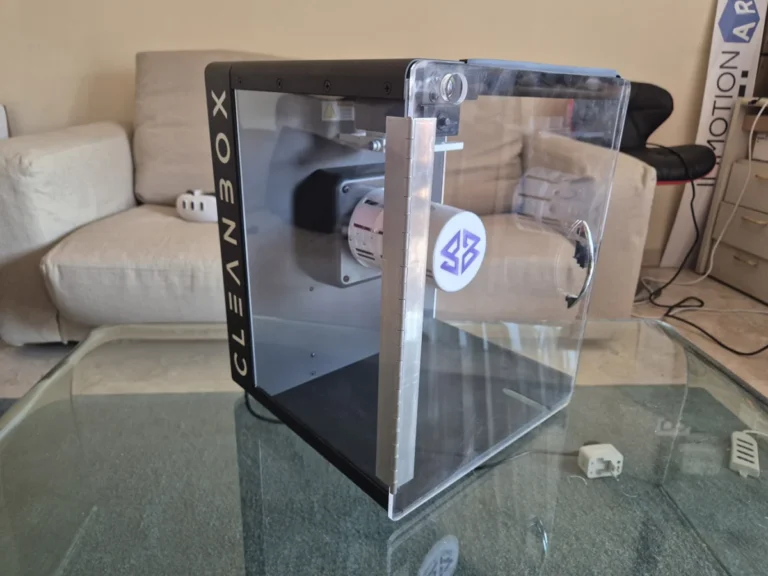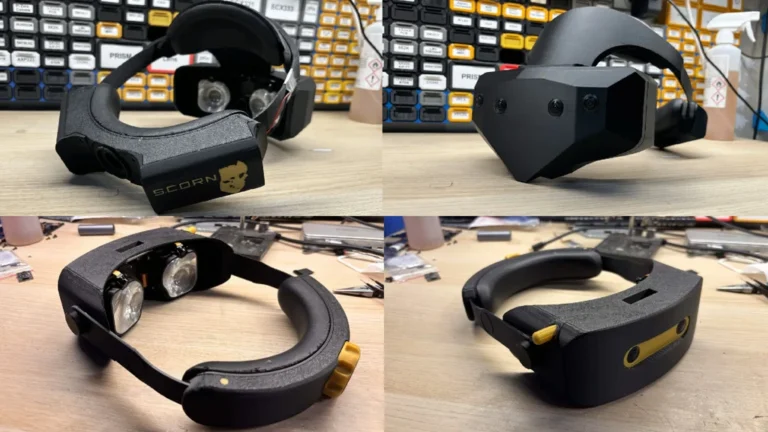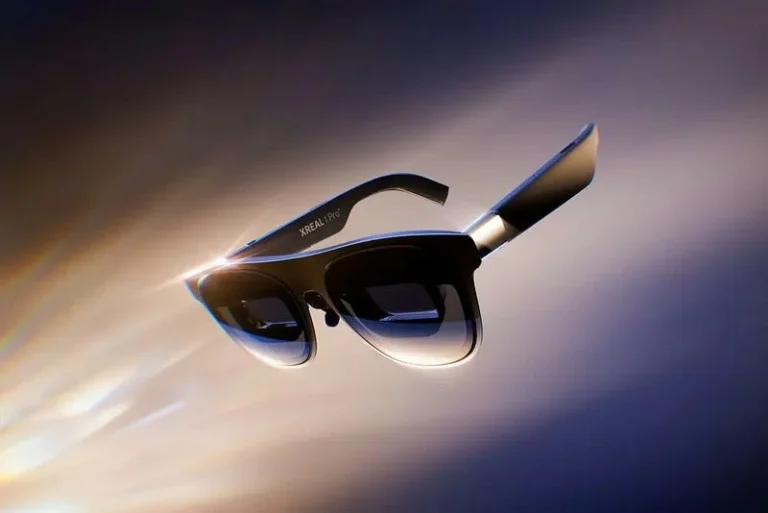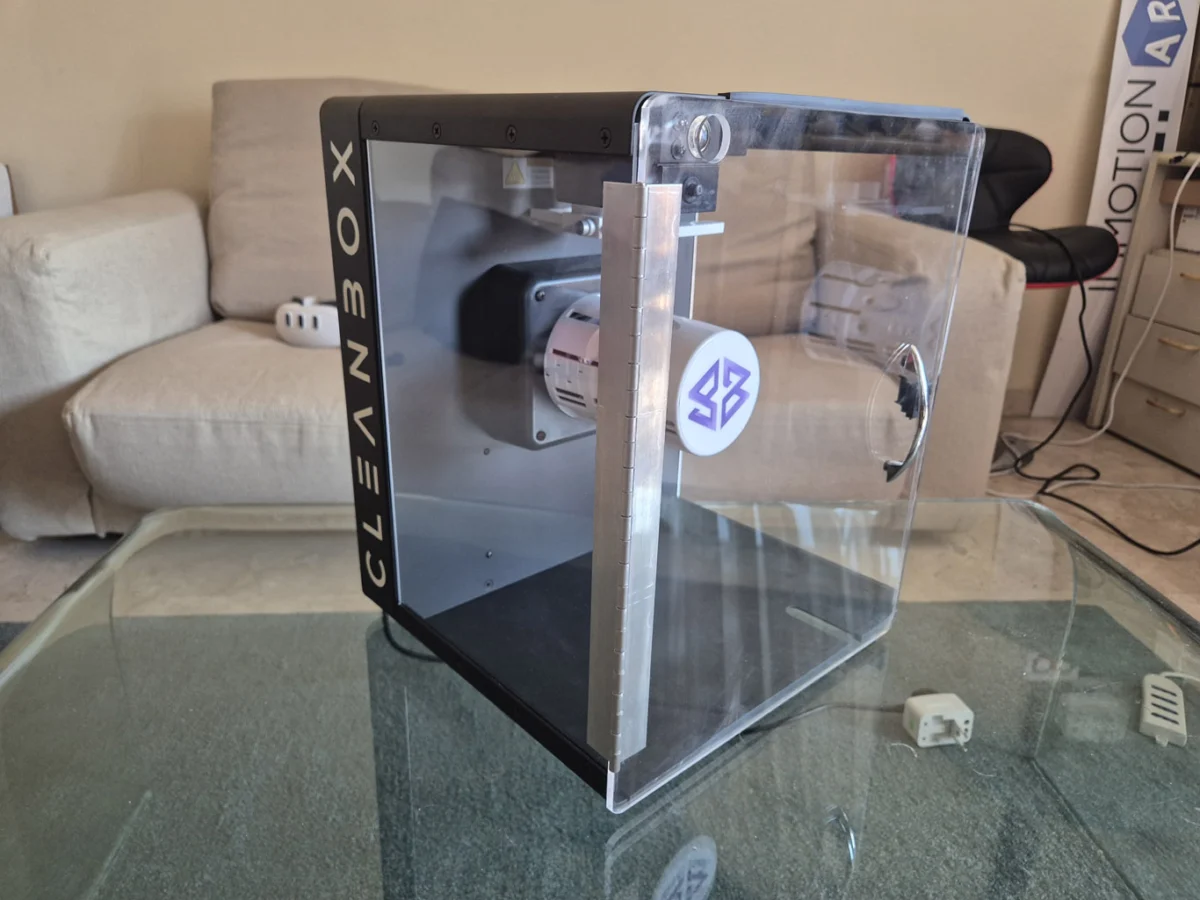
The landscape of extended reality (XR) hardware is shifting toward increased portability and wearable integration, a trend highlighted by the recent Meta Connect conference. In response to this evolution, Cleanbox Technology, a leader in UVC-led sanitization for high-end electronics, has unveiled two new products designed to address the hygiene requirements of mobile XR deployments and the emerging smartglasses market. The Cleanbox Mini and Cleanbox Nano represent a strategic pivot for the company, moving from stationary enterprise-grade units toward compact, field-ready solutions.

The Evolution of XR Hygiene Requirements
As virtual reality (VR) and augmented reality (AR) transition from laboratory and dedicated training environments into the field, the logistics of device maintenance have become a primary concern for enterprise stakeholders. Historically, Cleanbox established its market presence with the CX series, particularly the CX1. While the CX1 is recognized for its high throughput—capable of sanitizing up to 50 headsets per hour—its form factor necessitates a semi-permanent installation or significant logistical effort to transport.
The announcement of the Cleanbox Mini and Nano addresses a critical gap in the market: the need for professional-grade sanitization that can fit within a standard backpack or briefcase. This development coincides with a broader industry push toward "anywhere" computing, where professionals carry headsets like the Meta Quest 3 or Apple Vision Pro to client sites for bespoke demonstrations and collaborative sessions.

Technical Specifications and Capabilities of the Cleanbox Mini
The Cleanbox Mini is engineered to provide the same medical-grade sanitization as its larger predecessors but within a chassis comparable in size to a standard VR headset carrying case. Designed for the individual professional or small team, the Mini utilizes proprietary UVC LED technology to eliminate 99.9% of bacteria, viruses, and fungi in a single 60-second cycle.
The unit is compatible with most modern standalone headsets, including the Meta Quest series, Pico 4, and various HTC Vive models. Unlike the larger CX1, which often remains tethered to a specific booth or training station, the Mini is optimized for the "demo-on-the-go" workflow.

Cleanbox Mini Technical Overview:
- Cycle Time: 60 seconds.
- Capacity: One headset and two controllers.
- Dimensions: Approximately 12" x 9" x 6".
- Power Supply: Standard wall plug (global compatibility).
- MSRP: $799.00.
- Availability: Pre-orders open; shipping scheduled for Q1 2027.
The $799 price point marks a significant reduction in the barrier to entry for professional hygiene solutions. While the flagship CX1 retails for approximately $2,495, the Mini allows independent developers and smaller educational institutions to implement safety protocols that were previously cost-prohibitive.

Cleanbox Nano: Addressing the Wearable Revolution
Perhaps the most innovative addition to the lineup is the Cleanbox Nano. This device is specifically tailored for the burgeoning smartglasses and wearables sector. As seen with the recent debut of Meta’s "Orion" AR glasses and the continued success of the Ray-Ban Meta collection, the industry is moving toward lightweight frames that are worn throughout the day.
The Cleanbox Nano is designed to sanitize these smaller form-factor devices without the wasted space and energy of a full-sized headset box. Recognizing that modern smartglasses are often part of a wider ecosystem of wearables, Cleanbox has integrated specialized holders within the Nano to accommodate smart rings and smartwatches. This allows a user to sanitize their entire wearable suite simultaneously.

Cleanbox Nano Technical Overview:
- Cycle Time: 60 seconds.
- Power Source: Integrated battery (capable of 20+ cycles per charge) or wall plug.
- Portability: Designed to fit in a small bag or purse.
- MSRP: $399.00.
- Availability: Pre-orders open; shipping scheduled for Q1 2027.
The inclusion of an internal battery is a significant feature for the Nano, emphasizing its role as a lifestyle accessory for the frequent traveler or the retail associate managing smartglasses trials in a high-traffic environment.

The Science of UVC Sanitization in XR
The core of Cleanbox’s value proposition lies in the use of UVC light, specifically in the 254nm wavelength range, which is scientifically proven to disrupt the DNA and RNA of microorganisms, rendering them unable to replicate. In the context of XR, this method is superior to chemical wipes, which can damage sensitive optics, degrade facial interface foams, and leave residues that cause skin irritation.
According to Cleanbox CEO Amy Hedrick, the objective is to provide "safe, hospital-grade" cleanliness in a format that does not interrupt the workflow of a demo. Independent laboratory tests have consistently shown that UVC-LED technology, when applied at the correct proximity and intensity as found in Cleanbox units, effectively neutralizes pathogens such as MRSA, E. coli, and various coronaviruses.

Market Context and Strategic Implications
The timing of these releases is indicative of a maturing XR market. In the early years of the industry, hygiene was often an afterthought, managed with rudimentary alcohol-free wipes. However, the post-pandemic era has instilled a permanent heightened awareness regarding shared surfaces. For enterprise companies, the liability of a "pink eye" outbreak or viral spread among executives during a training session is a significant operational risk.
By introducing the Mini and Nano, Cleanbox is positioning itself to capture the "prosumer" and "small enterprise" segments. This move also anticipates a future where smartglasses become as ubiquitous as smartphones. If smartglasses are to be used in retail settings—for example, trying on virtual frames or testing AR navigation—the ability to sanitize the frames in front of the customer in under a minute becomes a powerful tool for consumer confidence.

Industry Reactions and Chronology of Development
The development of the Mini and Nano follows several years of feedback from Cleanbox’s enterprise partners, which include major airlines, healthcare providers, and automotive manufacturers. These clients expressed a recurring need for a solution that could be easily checked as luggage or carried onto an aircraft without specialized cases.
At Meta Connect, industry analysts noted that while the "Orion" AR glasses stole the headlines, the supporting infrastructure—like sanitization and charging—is what will determine the feasibility of long-term deployment. The reaction from the developer community has been largely positive, specifically regarding the $399 price point of the Nano, which aligns with the cost of the hardware it is designed to protect.

Final Analysis: The "Last Mile" of XR Deployment
The introduction of the Cleanbox Mini and Nano suggests that the XR industry is entering its "last mile" of professionalization. Hardware performance is no longer the only metric of success; the logistics of maintenance, safety, and user comfort are now equally weighted in the eyes of corporate buyers.
While the Q1 2027 shipping date indicates that these products are still in the final stages of manufacturing refinement, their presence at Meta Connect serves as a signal to the industry: the era of the "big box" sanitizer is evolving into a more nuanced, portable ecosystem. For organizations planning large-scale XR rollouts in the coming years, these portable units offer a scalable path toward maintaining high hygiene standards without the logistical burden of heavy machinery. As the industry moves toward 2027, the success of these portable units will likely be viewed as a benchmark for how peripheral technologies can support the mainstreaming of wearable computing.
About the Author