San Francisco, CA — A year after launching the "Share the American Dream" pledge, tech luminary Jeff Atwood, co-founder of Stack Overflow, has announced a substantial $50 million commitment to combat systemic poverty through the Rural Guaranteed Minimum Income Initiative (RGMII). This significant philanthropic endeavor, representing half of Atwood’s remaining wealth, pivots from immediate relief to long-term structural change, aiming to uplift thousands of families in overlooked rural communities across the United States.
The journey towards this ambitious commitment began in January 2025, when Atwood first invited Americans to participate in a two-pronged "Share the American Dream" pledge. The initiative called for immediate support for organizations effectively assisting those most in need, coupled with a five-year commitment to public dedications of time or funds towards longer-term efforts to ensure the American Dream remains fair and attainable for future generations.
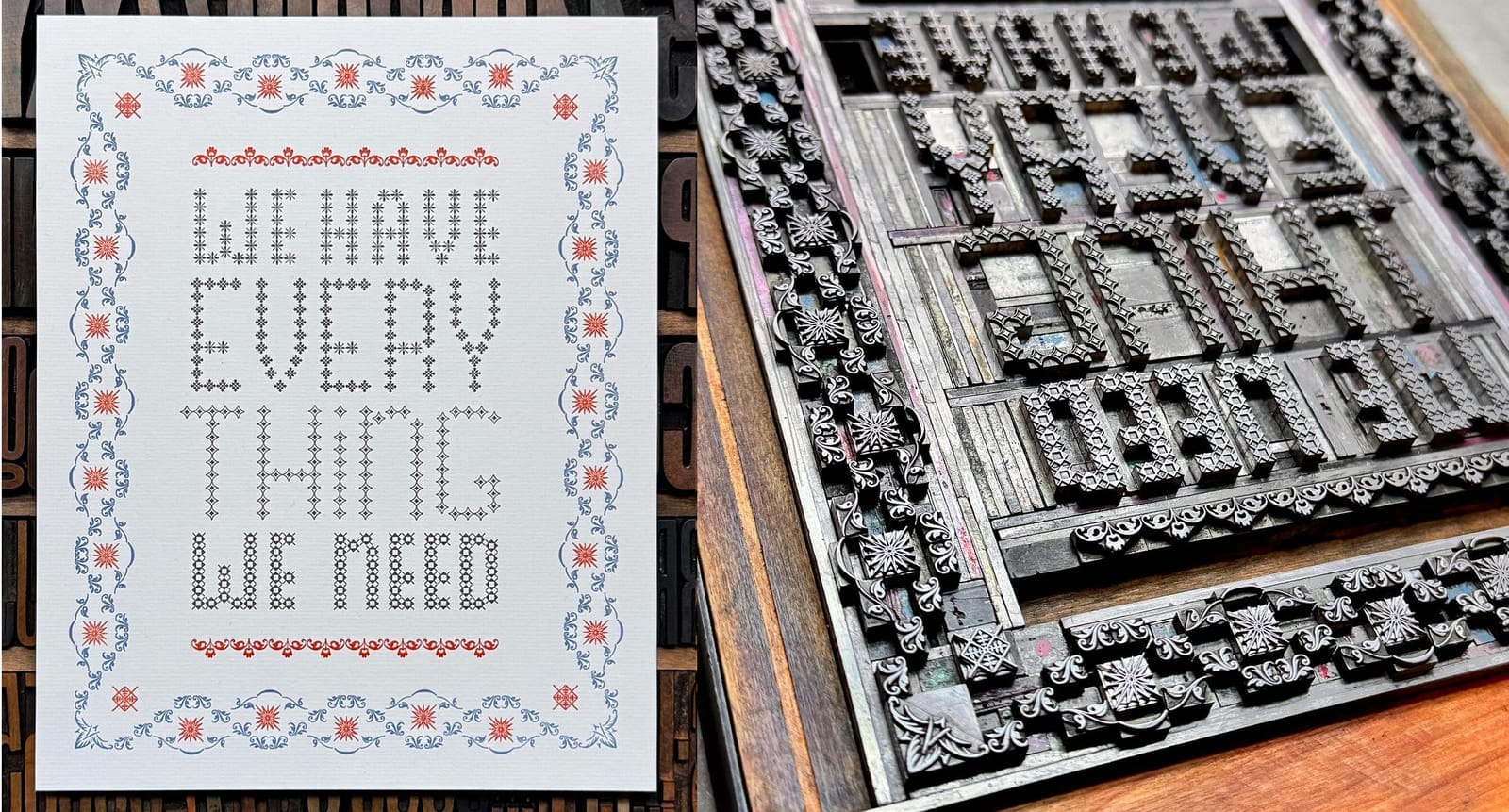
Atwood’s personal philosophy, deeply influenced by Mary Gates’s adage, "From those to whom much is given, much is expected," underpins this expansive philanthropic pivot. This ethos resonated strongly within the Atwood family, as articulated by his partner Betsy Atwood on a recent podcast: "We have everything we need; how do we make sure everybody has what they need?" This profound question, she explained, extends to ensuring basic necessities—a comfortable home, adequate food, and healthcare—are accessible to all, laying the foundation for individual opportunity and societal well-being. This introspection, Atwood revealed, intensified following the 2021 acquisition of Stack Overflow by Prosus for an estimated $1.8 billion, prompting a critical evaluation of what constitutes "enough."
Initial Impact and the Shift to Systemic Solutions
In the immediate aftermath of the initial pledge, the Atwood family demonstrated a strong commitment to addressing urgent needs. An initial $1 million was distributed among eight nonprofit charities, which quickly expanded to an additional $13 million in donations within a few months, bringing the total immediate contributions to $21 million. These funds provided crucial support to organizations on the front lines of poverty alleviation, targeting immediate crises.

However, Atwood recognized that reactive measures, while vital, are insufficient to tackle the deeply entrenched issues perpetuating poverty. "You can’t take a completely short-term view and fight each individual fire reactively," he stated. This realization propelled the family to focus on "fire abatement"—addressing root causes and improving societal conditions to prevent crises from emerging. This strategic shift led to the monumental $50 million pledge dedicated to longer-term, systemic interventions.
The initial speculative ideas for this long-term effort, outlined in Atwood’s "Stay Gold" essay, included founding a new organization akin to a modernized RAND Corporation or Lever for Change. The goal was to empower experts to forge a realistic path toward preserving the American Dream for everyone. By March 2025, a consensus had emerged: the most impactful "road not taken" was the implementation of a Guaranteed Minimum Income (GMI).
Understanding Guaranteed Minimum Income (GMI)
Guaranteed Minimum Income represents an evolved approach to direct cash transfers, distinguishing itself from the broader concept of Universal Basic Income (UBI). While UBI typically involves providing a regular income to all citizens regardless of their economic status, GMI is specifically designed to target individuals and families who are most in need, particularly those experiencing generational poverty. This targeted approach aims to maximize the impact of every dollar by directing resources where they are critically required, ensuring recipients can meet their basic needs without the complexities and stigma often associated with traditional welfare programs.
The selection of GMI was informed by a growing body of research and pilot programs demonstrating the efficacy of direct cash transfers. Studies worldwide have indicated that providing unconditional cash to low-income individuals leads to improved financial stability, better health outcomes, increased educational attainment, and enhanced community well-being. Crucially, evidence often refutes concerns that such programs disincentivize work; instead, recipients frequently use the funds to pursue education, vocational training, or invest in small businesses, fostering long-term self-sufficiency.
The Rural Guaranteed Minimum Income Initiative (RGMII)

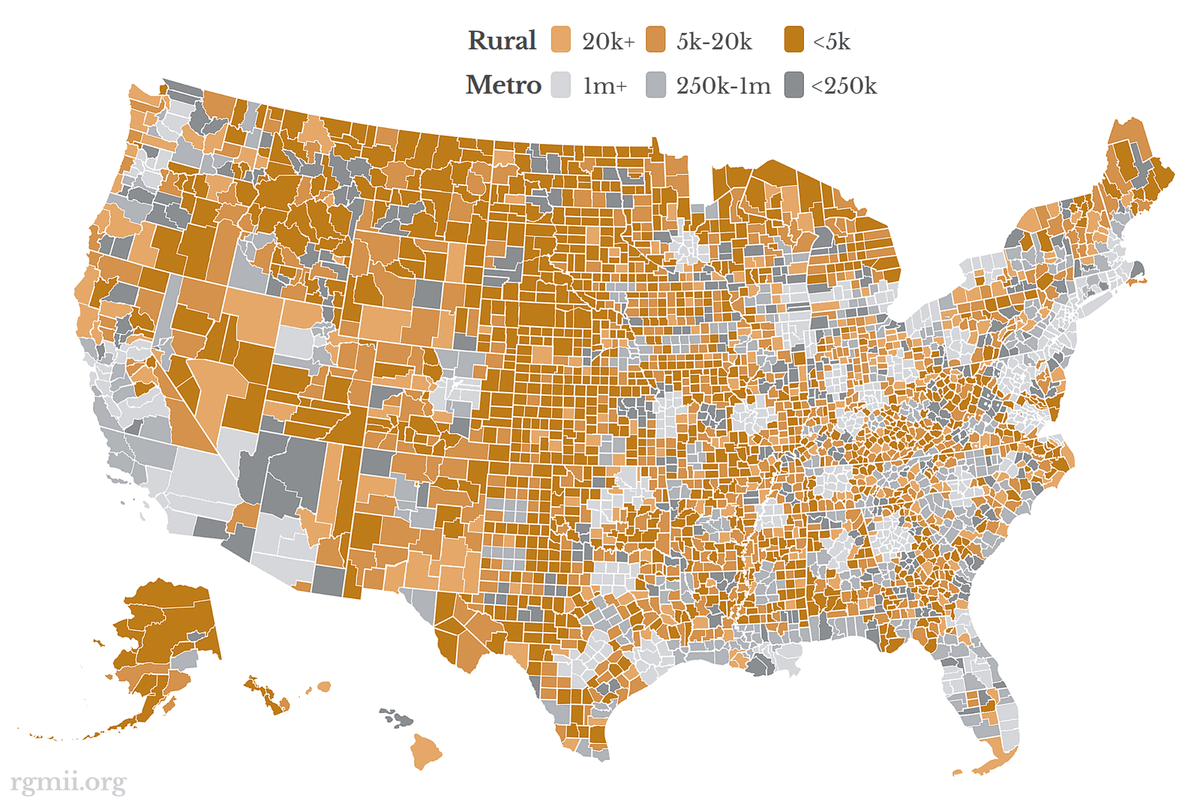
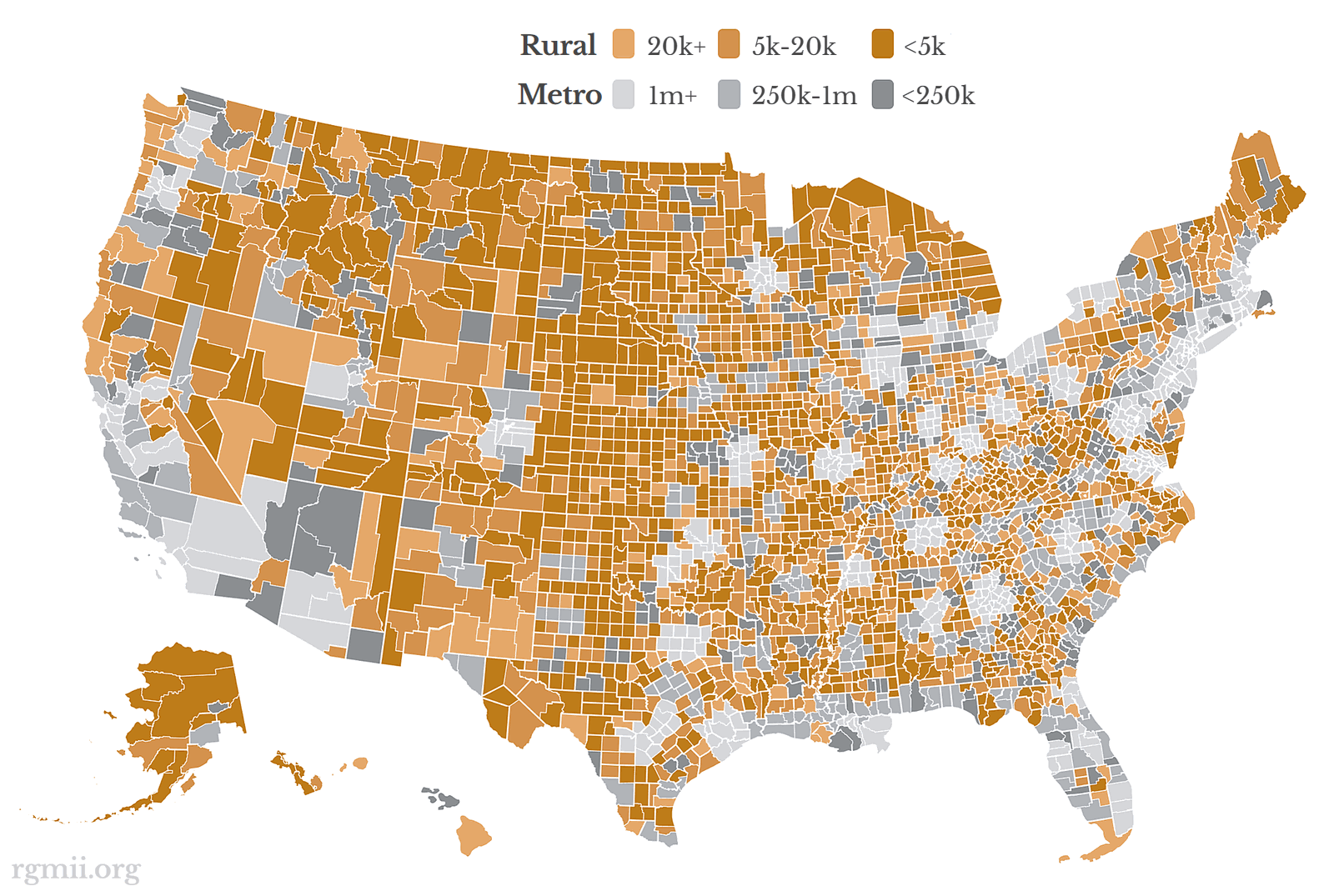
To execute this vision, the Rural Guaranteed Minimum Income Initiative (RGMII) has been swiftly established and is already well underway. The initiative strategically focuses its efforts on rural counties across the United States for several compelling reasons. From a practical standpoint, dollars invested in rural areas often yield greater impact due to lower costs of living compared to urban centers. Furthermore, rural communities frequently experience higher rates of poverty and are often overlooked in national philanthropic and policy discussions.
Atwood’s personal connection to rural America—his parents’ and his own upbringing in such an environment—fuels this focus. He highlights the "incredible untapped talent" residing in these areas, asserting that providing a foundational economic safety net can unlock potential and foster local economic development.
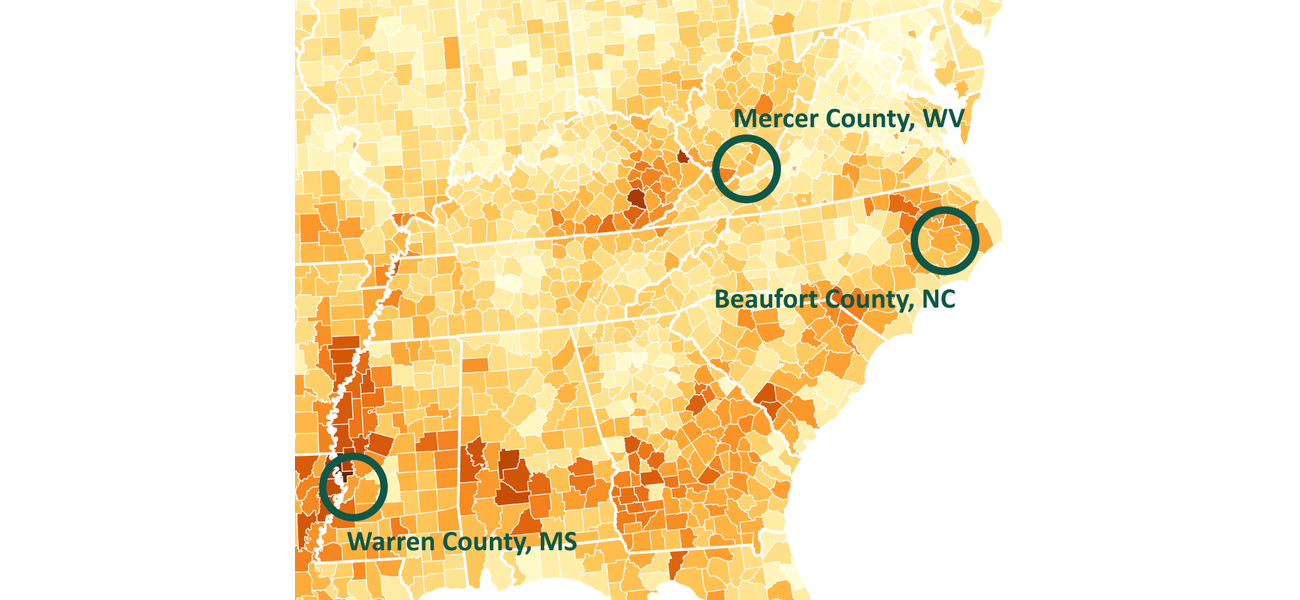
The RGMII has already funded three county-level programs in diverse regions: Mercer County, West Virginia; Beaufort County, North Carolina; and Warren County, Mississippi. These initial programs are designed to provide financial support to thousands of individuals, lifting them out of poverty for a sustained period of 16 months. A critical component of the RGMII’s strategy is the commitment to data sharing and transparent reporting of results, which will contribute to a growing evidence base for GMI and inform future policy recommendations.

The Human Element: A Recipient’s Story
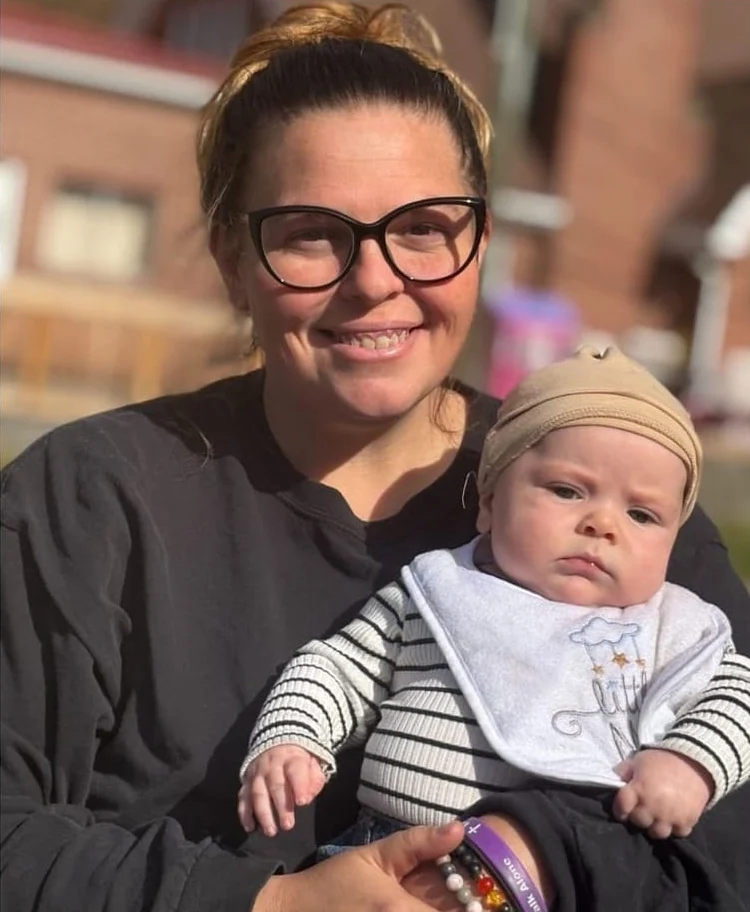
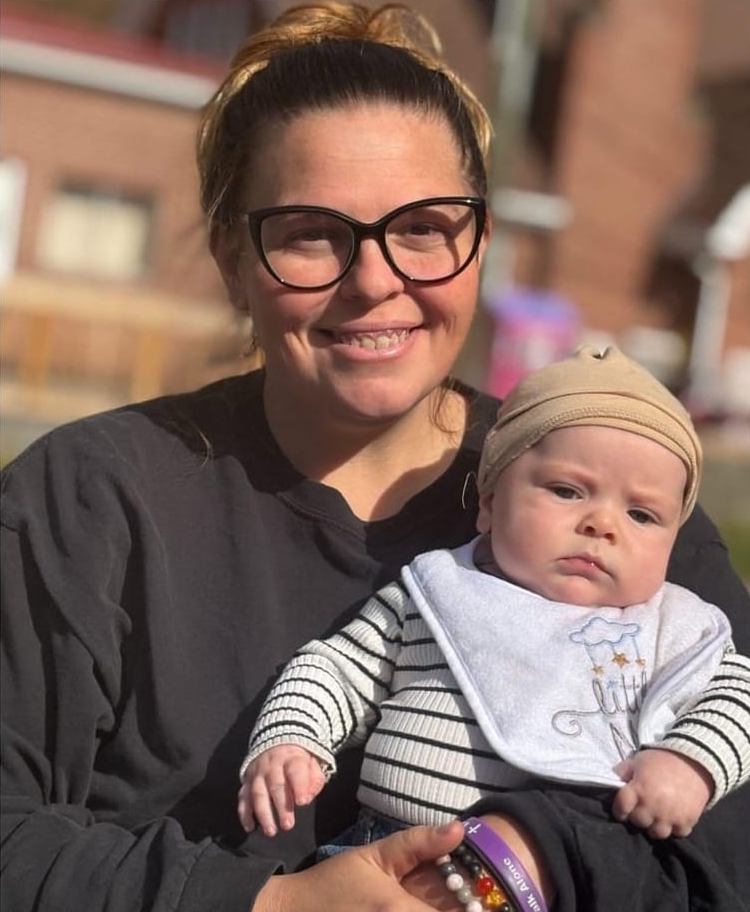
The tangible impact of GMI is perhaps best understood through the experiences of its beneficiaries. Stacy D., a RISE Recipient in West Virginia, shared her story, highlighting the critical difference direct cash transfers can make. A mother of five, Stacy recounted the immense pressure of being solely responsible for her family’s well-being without a local support network. "If me and my husband don’t figure it out, it don’t get figured out," she explained, illustrating the isolation and vulnerability faced by many low-income families.
Stacy’s personal struggles—leaving full-time employment due to a high-risk pregnancy and then facing vehicle breakdown just as she was cleared to return to work—are common scenarios that can plunge families into deeper poverty. Her testimonial underscores how a GMI program offers not just financial relief, but also agency and dignity. "You don’t know how hard it is to ask people, ‘hey, can I get a ride to the grocery store?’ Or, ‘hey, my baby has two-month shots. I had to borrow a vehicle,’" she elaborated. For Stacy, the GMI funds will be instrumental in repairing her family’s only vehicle, restoring her independence and ability to care for her children’s essential needs, declaring, "This is gonna… it’s going to do a lot!"
Building on a Legacy of Direct Cash Transfers
The concept of direct cash transfers, while seemingly radical to some, has a long and often successful history, both domestically and internationally. From early welfare experiments in the 20th century to modern-day unconditional cash transfers implemented by organizations like GiveDirectly in developing countries, the evidence consistently points to positive outcomes. Recipients typically prioritize basic needs like food, shelter, healthcare, and education, leading to improved health, reduced stress, and greater economic stability.
In the United States, various pilot programs for UBI and GMI have yielded promising results. For instance, the Stockton Economic Empowerment Demonstration (SEED) in California provided $500 per month to a select group of residents for two years, demonstrating improved financial stability, reduced income volatility, and enhanced overall well-being. Participants reported better mental health and an increased ability to find full-time employment. Similar findings have emerged from smaller-scale initiatives across different states, collectively building a compelling case for the scalability and effectiveness of direct cash transfers. The RGMII aims to further this evidence base, specifically within the understudied context of rural America.
Broader Implications and Future Vision
Atwood’s commitment to the RGMII carries significant implications for the broader discourse on poverty alleviation and economic policy in the United States. By focusing on data generation and transparent results, the initiative seeks to provide concrete evidence that can inform policymakers and potentially influence future legislation. The emphasis on rural counties also highlights an often-neglected segment of the American population, bringing attention to unique challenges and opportunities for growth in these areas.
The RGMII’s long-term aspiration is to expand its reach to all 50 states, creating a comprehensive network of GMI studies that can demonstrate the program’s adaptability and effectiveness across diverse economic and social landscapes. This ambitious goal underscores Atwood’s belief that while the "path of love" is challenging, it is the only sustainable route forward for society. He views this initiative not merely as philanthropy, but as his "third and final startup," dedicated to advancing the concept that directly empowering those most in need with financial resources is perhaps the most profound act of love and investment in shared human potential.
The initiative invites broader participation, encouraging individuals to engage by learning about GMI’s history and proven results, sharing information, and advocating with their representatives. The RGMII also actively seeks additional donors and sponsors to scale its county-level programs, envisioning a collaborative effort to generate critical open data and help lift thousands more out of poverty.
In an era marked by growing economic disparities, Jeff Atwood’s $50 million pledge to the Rural Guaranteed Minimum Income Initiative stands as a powerful testament to the belief that collective prosperity is achievable when fundamental needs are met. It champions the idea that dreams, like happiness, are truly realized only when shared, striving to ensure the American Dream remains a tangible reality for all.
About the Author