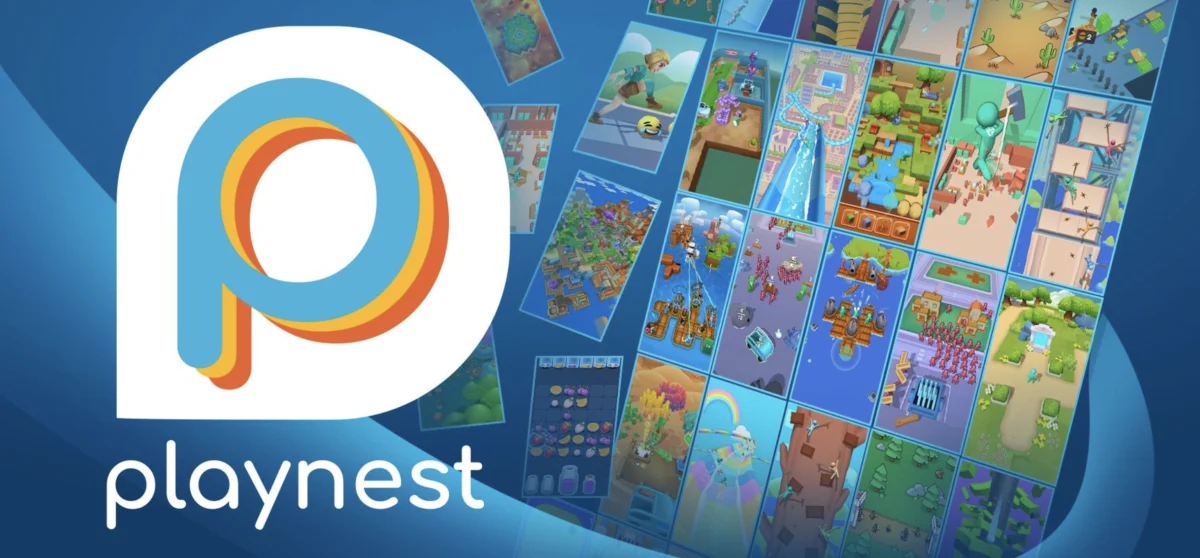
Playnest, the Helsinki-based mobile game developer formerly known as Wonder Hive, has officially announced that it is shuttering its operations, marking the end of an ambitious effort to redefine the mobile gaming ecosystem through interconnected play. The announcement, delivered via a public statement on the company’s LinkedIn page, confirms that the studio will no longer continue its development or publishing activities. This decision comes after a period of intense production that saw the studio release a dozen titles and attempt to pioneer a shared metagame platform designed to unify disparate gaming experiences under a single technical and engagement framework.
While the studio did not provide a specific breakdown of the number of employees affected by the closure, the move reflects the broader challenges currently facing the mobile gaming sector, particularly for independent startups navigating a landscape defined by rising user acquisition costs and shifting platform privacy regulations. The leadership team at Playnest expressed regret over the closure, citing a combination of factors—some internal and others systemic—that ultimately hindered their ability to achieve a sustainable market breakthrough.
The Evolution of Playnest: From Wonder Hive to Interconnected Ecosystems
Playnest was founded in late 2022 under its original moniker, Wonder Hive. At its inception, the company generated significant interest within the Nordic gaming community due to its high-profile founding team and its unique value proposition. Rather than focusing on the development of a single "blockbuster" title, the studio’s strategy was built around the concept of "interconnected mobile games." This approach aimed to create a network of smaller, high-quality games that shared a common metagame—a layer of progression, social features, or economy that persisted regardless of which specific game the user was playing at the time.
The logic behind this model was rooted in the evolving economics of the App Store and Google Play Store. By creating an ecosystem of games, Playnest hoped to lower the cost of user acquisition (UA) by retaining players within their own network. If a player grew tired of one game, the shared metagame would incentivize them to move to another title within the Playnest portfolio, thereby extending the lifetime value (LTV) of each user and reducing the reliance on expensive external marketing for every individual release.
In early 2023, the studio rebranded from Wonder Hive to Playnest, a move intended to align its corporate identity more closely with its vision of a "nest" or home for various gaming experiences. During its roughly two-year formal existence, the studio operated with remarkable speed. The company reported the publication of 12 games and the development of over 30 prototypes. This "fail-fast" methodology was supported by a rigorous data-driven approach, which included running more than 300 distinct user acquisition campaigns to test market fit and player retention across various genres and mechanics.
A Pedigree of Finnish Gaming Excellence
The closure of Playnest is particularly notable given the veteran status of its founding team. Helsinki has long been regarded as one of the world’s premier hubs for mobile gaming, largely due to the global success of giants like Supercell and Rovio. Playnest was part of a wave of "second-generation" startups founded by individuals who had played pivotal roles in those legendary companies.
The founding team included:
- Petri Räisänen: A seasoned executive with a background at Huuuge Games and Seriously (the creators of Best Fiends).
- Joonas Palmgren: Whose resume included stints at Futureplay, Wooga, and Rovio.
- Alexander Häußler: An alum of both Wooga and Seriously.
- Ilona Lindholm: A former talent and operations leader at Rovio.
- Jesse Sevon and Tero Paavolainen: Both recognized for their technical and creative contributions to the Finnish mobile scene.
This collective experience gave Playnest immediate credibility with investors and industry analysts. The team brought lessons learned from the "golden age" of mobile gaming into a new era, attempting to solve the problem of discovery and retention that has plagued the industry since Apple introduced App Tracking Transparency (ATT) in 2021. The pedigree of the founders suggested a studio that was well-equipped to handle the volatility of the mobile market, making the news of its dissolution a significant data point for those tracking the health of the Helsinki gaming cluster.
Technical Ambitions and the SDK Pilot Program
One of the more sophisticated elements of Playnest’s strategy was the development of a proprietary Software Development Kit (SDK). This was not merely an internal tool but was envisioned as a platform that could eventually be opened to external developers. The goal was to allow third-party studios to plug their games into the Playnest metagame ecosystem, effectively creating a decentralized publishing house where all participants benefited from shared traffic and cross-promotion.
In the months leading up to the closure, Playnest had initiated a pilot program to test this "platform-as-a-service" model. By offering their SDK to other studios, they sought to validate whether their interconnected framework could scale beyond their internal productions. While the studio noted that they came "close to a breakthrough on a couple of occasions," the complexities of managing a multi-game metagame proved to be a formidable challenge. Synchronizing economies, social features, and technical updates across a diverse range of titles requires significant infrastructure and a critical mass of users that is increasingly difficult to achieve in a saturated market.
Chronology of Operations
The timeline of Playnest’s journey illustrates the rapid lifecycle of modern mobile startups:
- Late 2022: The company is incorporated as Wonder Hive, securing initial seed interest and assembling its core team of Helsinki industry veterans.
- February 2023: The studio makes its public debut, detailing its vision for a shared metagame and announcing its high-profile leadership lineup.
- Mid-2023: A period of intense development begins. The studio adopts a hyper-agile workflow, producing dozens of prototypes and testing them in live market environments.
- Late 2023 – Early 2024: The studio reaches a peak of activity, having published 12 games. The focus shifts toward refining the "interconnected" aspect of the portfolio and developing the external SDK.
- Mid-2024: The launch of a pilot program for external developers marks the final major strategic push to scale the ecosystem.
- Late 2024: Playnest officially announces the cessation of operations, citing insurmountable hurdles despite "smaller successes."
Analysis of Industry Headwinds and Market Context
The dissolution of Playnest does not occur in a vacuum; it is reflective of a "perfect storm" of economic and structural shifts in the gaming industry. Since 2023, the global gaming sector has faced a significant correction following the hyper-growth experienced during the COVID-19 pandemic. Several factors likely contributed to the environment that Playnest found "beyond their control."
Firstly, the impact of Apple’s App Tracking Transparency (ATT) cannot be overstated. By limiting the ability of developers to track users across apps, ATT made targeted advertising—the lifeblood of mobile game growth—significantly less efficient and more expensive. For a studio like Playnest, which relied on running hundreds of UA campaigns to find a "hit," the increased Cost Per Install (CPI) may have made their iterative model financially unsustainable.
Secondly, the venture capital landscape for gaming has tightened considerably. High-interest rates and a move toward "path to profitability" rather than "growth at all costs" have made it harder for startups to secure the Series A or B funding rounds necessary to scale a platform-based business. Playnest’s model was capital-intensive, requiring not just game development but the creation of a complex backend platform.
Finally, the mobile market has become increasingly top-heavy. A small number of legacy titles and massive publishers dominate the charts, making it difficult for new ecosystems to gain the traction required to trigger network effects. While the "interconnected" model was a clever attempt to circumvent these issues, it required a massive initial user base to function as intended—a "chicken and egg" problem that has claimed many ambitious startups.
Official Response and Legacy
In their farewell statement, Playnest maintained a professional and grateful tone, focusing on the efforts of their team and the lessons learned. "We had many smaller successes along the way and came close to a breakthrough on a couple of occasions," the studio stated. "Unfortunately, a combination of factors, some beyond our control, prevented us from ultimately getting there."
The studio also used its platform to advocate for its departing employees, a common practice in the close-knit Helsinki gaming community. By highlighting the talent of the team that produced 12 games and a complex SDK in such a short window, the leadership aims to ensure that the expertise gathered during the Playnest experiment is redistributed back into the Finnish tech ecosystem.
The legacy of Playnest will likely be viewed as a brave, if unsuccessful, attempt to solve the "post-IDFA" discovery crisis. Their work on shared metagames and cross-title SDKs remains a topic of significant interest for other developers looking for ways to build sustainable portfolios in an era where the old rules of mobile publishing no longer apply.
Broader Implications for the Helsinki Gaming Hub
The closure of Playnest serves as a sobering reminder that even the most experienced teams are not immune to the current volatility of the tech sector. Helsinki remains a powerhouse of game development, but the "Playnest experiment" suggests that the next phase of growth in the region may require even more radical departures from traditional mobile business models.
As the industry moves toward 2025, the focus for many Helsinki studios is shifting toward hybrid-casual genres, cross-platform play (PC/Console and Mobile), and the integration of generative AI to reduce development costs. The data and insights generated by Playnest’s 300+ UA campaigns and 30+ prototypes will likely circulate through the community as its former employees join new ventures, informing the next generation of games.
For now, the closure marks the end of a specific vision for a unified mobile "nest." While the studio itself is closing, the questions it sought to answer—how to retain players in a fragmented market and how to build a platform that transcends individual titles—remain the most pressing challenges in the mobile gaming industry today.
About the Author