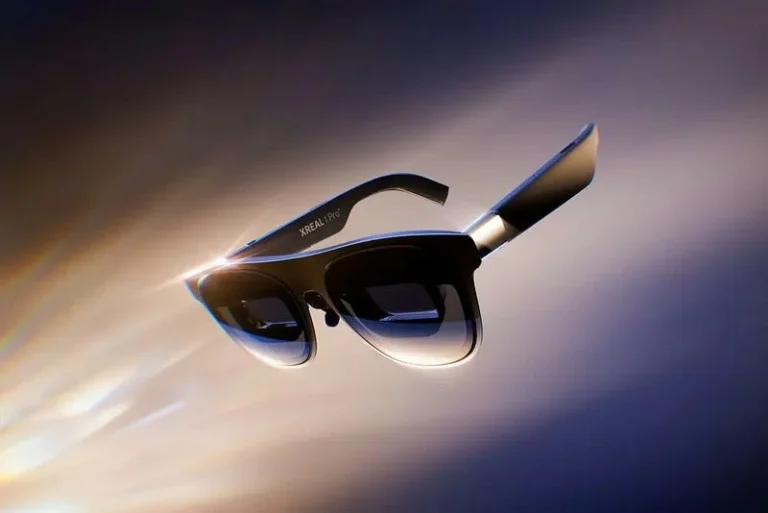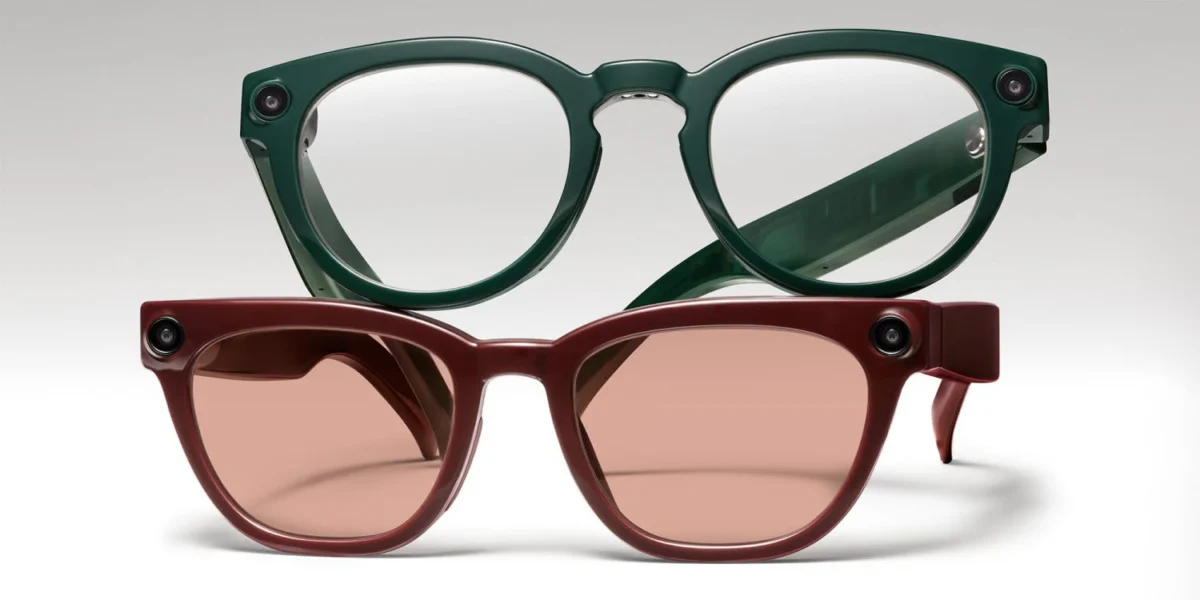
Snap Inc. has officially announced the appointment of Academy Award-winning actor Robert Downey Jr. as its honorary Chief Customer Experience Officer (CCEO). This strategic move is designed to accelerate the public adoption of Snap’s latest augmented reality (AR) hardware, known as Spectacles. According to the company’s press release, Downey Jr. will play a pivotal role in guiding consumers to understand the potential of see-through AR glasses, while also collaborating with the Spectacles organization to shape new "Lens" experiences and original content. This announcement follows months of industry speculation regarding a potential $100 million partnership between the actor and the social media giant, signaling Snap’s intent to position its hardware as a high-end consumer computer rather than a niche accessory.
Strategic Context of the Snap-Downey Partnership
The partnership comes at a critical juncture for Snap, which has struggled to gain significant market share with previous iterations of its Spectacles hardware. By involving an actor synonymous with the "Iron Man" franchise—a character defined by advanced head-up displays and wearable technology—Snap is attempting to bridge the gap between science fiction and consumer reality.
However, the appointment has drawn scrutiny from industry analysts and developers. The new Spectacles carry a premium price tag of approximately $2,200 and are currently targeted primarily at developers and early adopters. Critics suggest that the $100 million reportedly allocated for this celebrity partnership could have been alternativey utilized to fund developer grants. For comparison, a $100 million fund could have provided $2 million in seed funding to 50 startups focused on creating "killer apps" for the AR ecosystem. The current strategy indicates that Snap is prioritizing "cool factor" and brand prestige to compete with the lifestyle-centric approach taken by Meta’s Ray-Ban collaboration.
Leaked Specifications of Samsung’s Upcoming XR Glasses
While Snap focuses on celebrity-driven marketing, Samsung is preparing to enter the smartglasses market through a highly publicized collaboration with Google and Qualcomm. Recent leaks from SammyGuru have provided a detailed look at the technical specifications of the upcoming device, which is expected to debut as early as November.

The leaked specifications include:
- Weight: 41 grams, notably lighter than the current Ray-Ban Meta glasses.
- Processor: A dedicated Qualcomm chipset optimized for wearable AR.
- Camera: A 12-megapixel sensor capable of high-definition capture.
- Battery: A 155mAh cell, designed for intermittent use throughout the day.
- Design: Collaborations with fashion eyewear brands Gentle Monster and Warby Parker to ensure aesthetic appeal and prescription lens compatibility.
Industry observers note that Samsung’s hardware specifications closely mirror those of the third-generation Ray-Ban Meta glasses. The competitive advantage for Samsung may lie in its integration with the broader Android ecosystem and its significantly lower weight, which is a primary factor in long-term wearable comfort.
The Evolution of OpenXR: Introducing Spatial Containers
The Khronos Group, the consortium responsible for the OpenXR standard, has announced the inclusion of "spatial containers" into its framework. This technical milestone is expected to fundamentally change how users interact with mixed reality (MR) environments. Spatial containers allow AR and MR experiences to be confined within bounded 3D volumes—essentially acting as the spatial equivalent of traditional desktop windows.
This development follows the "spatial computing" paradigm popularized by the Apple Vision Pro and the upcoming Pico Space Pro. These containers allow for true multitasking, where a user can have multiple independent 3D applications running simultaneously in their physical environment. Furthermore, these containers support "progressive immersion," allowing a bounded widget (such as a 3D map) to expand into a fully immersive experience at the user’s command. By standardizing this feature through OpenXR, the Khronos Group ensures that developers can build these multitasking "widgets" once and deploy them across various hardware platforms, including Meta Quest, HTC Vive, and future Samsung devices.
Shifts in the Social VR Landscape: AltspaceVR and VRChat
The social VR sector continues to experience significant volatility. SideQuest, a prominent third-party platform for VR content, has officially launched a reboot of AltspaceVR. This follows Microsoft’s controversial decision to shut down the original platform in early 2023. While the reboot aims to reclaim the community-driven spirit of the original app, initial reception has been cautious, with low early review numbers on the Meta Horizon Store.

In contrast, VRChat is doubling down on technical features to maintain its dominance. The platform recently introduced native support for face tracking in its Avatar SDK. While users previously relied on Open Sound Control (OSC) workarounds for facial expressions, the native integration simplifies the process for creators. This move aligns with a broader hardware trend, as newer headsets like the Meta Quest Pro and specialized enterprise devices increasingly feature eye and face-tracking sensors to enhance social presence.
Technical Infrastructure and Driver Stability
For PC VR enthusiasts, a long-standing technical hurdle appears to have been resolved. NVIDIA has released Driver 621.01, which specifically addresses a persistent bug that caused the Quest Link runtime to freeze during operation. This issue had plagued users for months, forcing many to migrate to alternative solutions like Steam Link or Virtual Desktop.
Additionally, Valve has demonstrated its continued commitment to niche hardware requests. Following feedback on community forums, Valve updated the Steam Frame runtime to support external CD-ROM drives via USB. While seemingly anachronistic in an era of digital distribution, the move highlights Valve’s "customer-first" engineering philosophy and its willingness to support legacy media within modern spatial computing environments.
Market Consolidations and Platform Closures
The week also brought news of significant shifts in the VR fitness and MMO sectors. Supernatural, the popular VR fitness application, has transitioned back to its original founders under the "Supernatural Health" banner. This move marks a rare instance where an app acquired by a major corporation (Meta) is returned to its original creators to continue its development independently. The app remains a top-rated experience on the Horizon Store, maintaining a 4.9-star rating.
However, the news was less positive for the VR MMO space. Ramen VR announced that it will permanently shut down the servers for Zenith: The Last City on December 18. Despite raising millions in venture capital and attempting a pivot to a free-to-play model (Zenith: Nexus), the studio cited the high cost of server maintenance and a declining player base as the primary reasons for the closure. The failure of Zenith serves as a cautionary tale regarding the difficulties of maintaining high-budget live-service games in the relatively small VR market.

Broader Implications for the XR Industry
The events of this week suggest an industry in transition. The shift from bulky VR headsets to lightweight AR glasses is accelerating, driven by heavy investments from Snap, Meta, and Samsung. The standardization of spatial containers through OpenXR indicates that the industry is moving toward a more mature, multitasking-oriented operating system model, moving away from the "one app at a time" limitation of early VR.
While celebrity endorsements like that of Robert Downey Jr. may bring short-term mainstream attention, the long-term success of the industry remains tethered to developer support and hardware ergonomics. As Samsung enters the fray in November and OpenXR provides the tools for more complex software, the remainder of the year will likely determine which platforms can successfully transition from novelty gadgets to essential computing devices.
About the Author