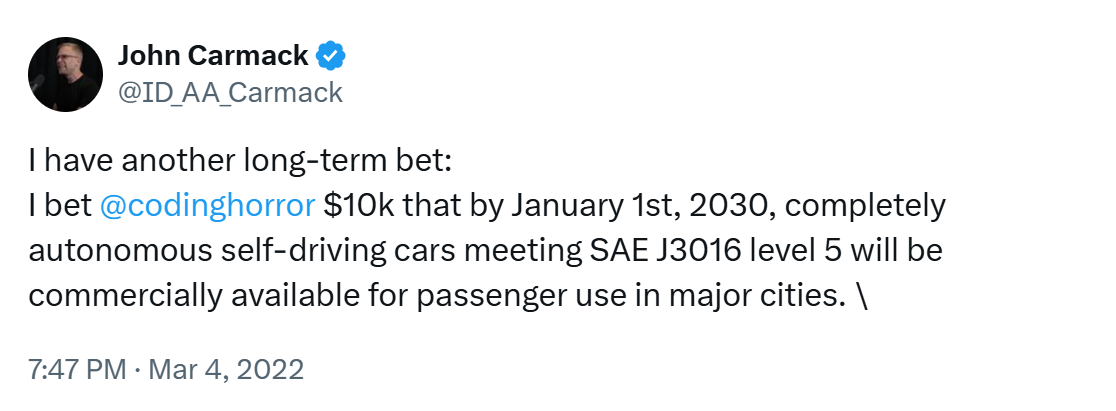
In a high-stakes intellectual duel set to captivate the technology and automotive industries, programming legend John Carmack and influential software developer Jeff Atwood have formally initiated a $10,000 charity bet concerning the commercial availability of fully autonomous, SAE Level 5 self-driving cars. The friendly wager, publicly announced by Atwood, centers on whether such vehicles will be commercially available for passenger use in major United States cities by January 1st, 2030. Carmack, a staunch proponent of technological advancement, is betting for this ambitious future, while Atwood, known for his pragmatic and often skeptical views on emerging technologies, is betting against it. The sum, potentially adjusted for inflation to maintain its impact, will be donated to a 501(c)(3) charity of the winner’s choice, transforming a fascinating debate into a philanthropic endeavor.
The Anatomy of the Wager: Defining Autonomy and Reach
The core of the bet hinges on a precise definition of "completely autonomous" as outlined by the Society of Automotive Engineers (SAE) International’s J3016 standard, specifically Level 5 autonomy. This highest echelon of driving automation signifies a vehicle capable of performing all dynamic driving tasks under all conditions, without any human attention or interaction required during the journey. The only exceptions carved out are scenarios involving natural disasters or emergencies, where even a human driver might be overwhelmed. In essence, a Level 5 vehicle operates entirely independently: a passenger simply enters, selects a destination, and the vehicle navigates the entire journey without need for human intervention, monitoring, or even the presence of traditional driving controls like a steering wheel or pedals. This distinguishes it starkly from lesser levels of automation, where human oversight or intervention remains necessary under certain conditions.
Furthermore, the wager specifies the geographical scope: "major cities." For the purposes of this bet, this term is precisely defined as any of the top 10 most populous cities in the United States of America. As of recent census data and projections, these typically include New York City, Los Angeles, Chicago, Houston, Phoenix, Philadelphia, San Antonio, San Diego, Dallas, and Austin. The inclusion of such diverse urban environments, ranging from dense metropolitan centers to sprawling Sun Belt cities, adds another layer of complexity, as Level 5 systems would need to flawlessly navigate a vast array of traffic conditions, infrastructure types, and regulatory landscapes unique to each locale.
The Minds Behind the Prediction: Carmack and Atwood
The participants in this wager are titans in their respective fields, lending significant weight to their differing predictions. John Carmack, a name synonymous with revolutionary advances in computer graphics and game development, is widely celebrated as the co-founder of id Software and a principal architect behind groundbreaking titles like Doom and Quake. His career has been characterized by pushing the boundaries of what’s technologically possible, often demonstrating an almost prescient understanding of future computing trends. His current work in virtual reality (VR) and artificial intelligence further underscores his deep engagement with cutting-edge technological challenges. Carmack’s optimism regarding Level 5 autonomy by 2030 is consistent with his history of betting on aggressive technological progress.
Jeff Atwood, through his popular blog Coding Horror and his co-founding of Stack Overflow and Discourse, has been an influential voice in the software development community for decades. Known for his incisive analysis of software engineering, user experience, and the broader tech landscape, Atwood often combines deep technical understanding with a healthy dose of skepticism regarding hype cycles and overly ambitious timelines. His position against the 2030 deadline for Level 5 autonomy stems from a belief that the industry consistently "underestimates how difficult fully autonomous driving really is." While expressing admiration for the challenge and a personal desire for self-driving vehicles, Atwood’s skepticism is rooted in the immense complexity of replicating human-level perception, decision-making, and adaptability across an infinite number of real-world scenarios. He cites his even greater pessimism regarding the mainstream adoption of VR as a parallel example of his cautious outlook on transformative technologies meeting optimistic timelines.
The Current Landscape: Navigating Levels of Autonomy
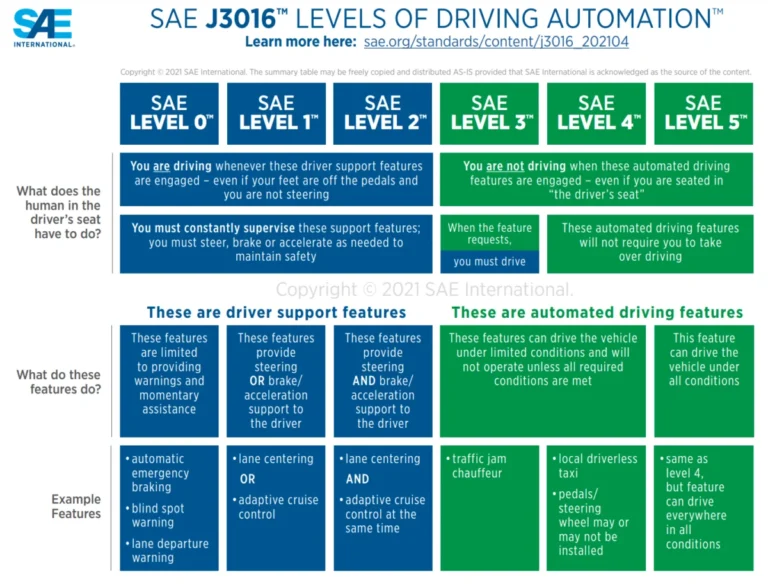
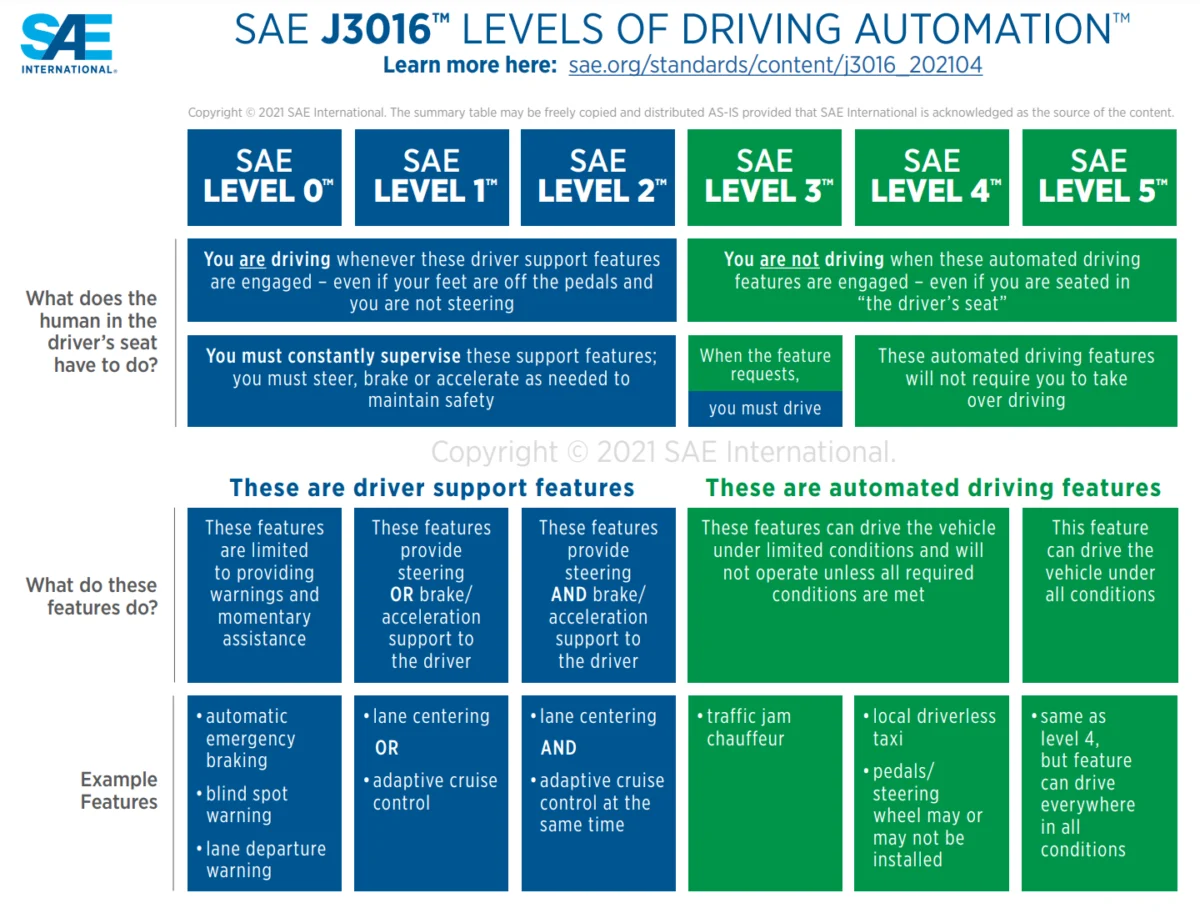
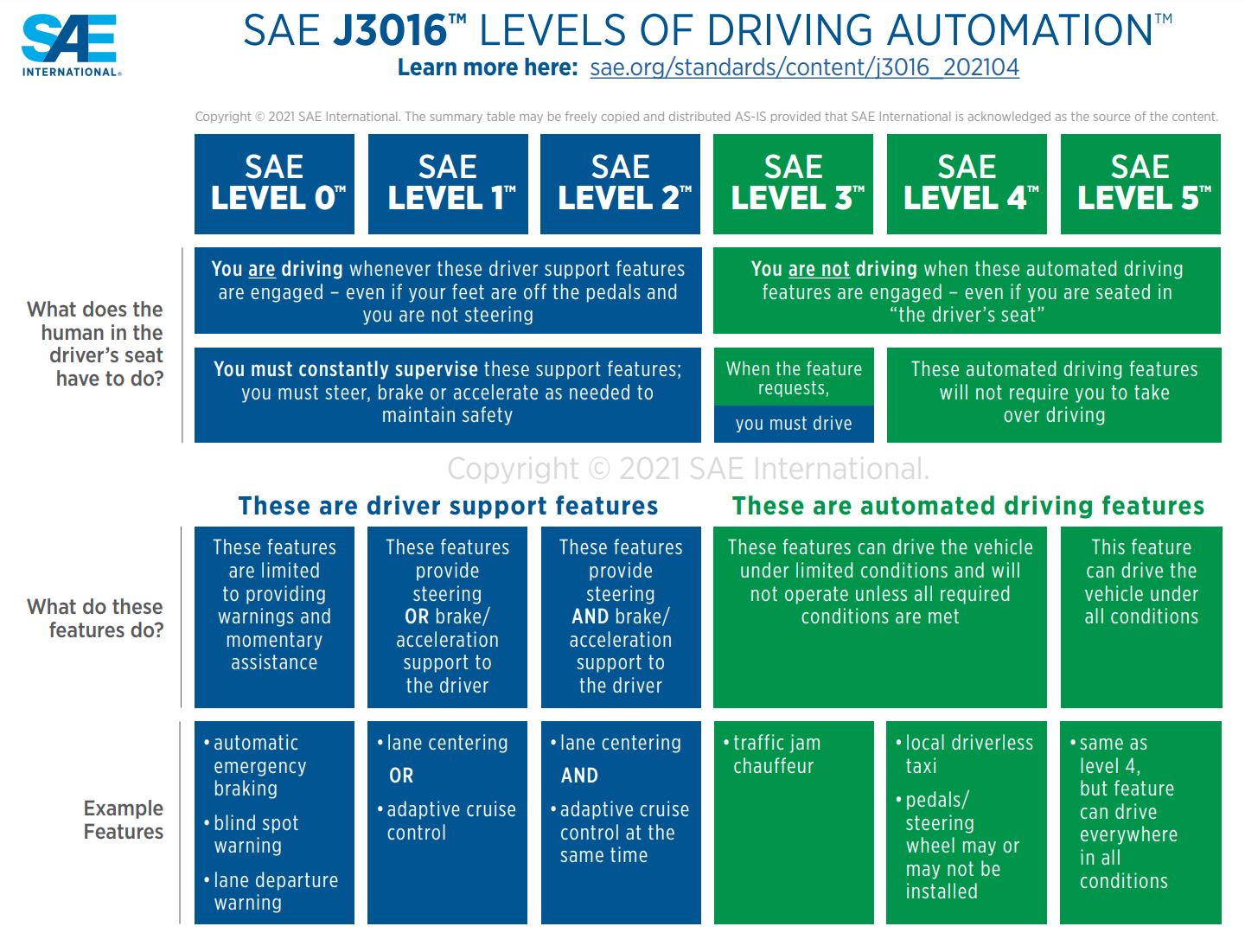
To understand the ambitious nature of this bet, it’s crucial to contextualize it within the current state of autonomous vehicle development. The SAE J3016 standard categorizes driving automation into six levels, from Level 0 (no automation) to Level 5 (full automation):
- Level 0: No Automation – The human driver does everything.
- Level 1: Driver Assistance – Vehicle has either steering or acceleration/braking support (e.g., adaptive cruise control or lane-keeping assist). The human driver does the rest.
- Level 2: Partial Driving Automation – Vehicle provides both steering and acceleration/braking support (e.g., "hands-on" driver assistance systems like Tesla Autopilot or GM Super Cruise). The human driver must constantly monitor the environment and be ready to take over.
- Level 3: Conditional Driving Automation – Vehicle can perform all dynamic driving tasks under specific conditions, but a human driver must be ready to intervene if prompted (e.g., Audi Traffic Jam Pilot, though its deployment has been limited). The driver can engage in non-driving related tasks but must remain "eyes on" or "eyes ready" for takeover.
- Level 4: High Driving Automation – Vehicle can perform all driving tasks and monitor the driving environment under specific conditions, and does not require human intervention in those conditions. If the system requests a takeover and the human driver does not respond, the vehicle will safely pull over. Examples include Waymo and Cruise’s current robotaxi services operating in geofenced areas under specific weather conditions.
- Level 5: Full Driving Automation – Vehicle performs all dynamic driving tasks under all conditions. No human intervention is ever required. This is the ultimate goal, a true driverless experience akin to a personal automated chauffeur, operating anywhere, anytime, in any weather, with very few exceptions.
As of late 2024, the most advanced commercially available systems for passenger use generally fall into Level 2, with some limited Level 3 deployments and Level 4 robotaxi services operating in carefully managed, geofenced areas (e.g., Phoenix, San Francisco, Austin, Los Angeles for Waymo and Cruise). These Level 4 operations, while impressive, still face significant operational design domain (ODD) limitations, including specific weather conditions (e.g., no heavy rain or snow), time of day, and road types. Bridging the gap from limited Level 4 to true Level 5 represents an exponential increase in technical, regulatory, and logistical hurdles.
The Road Ahead: Challenges to Achieving Level 5 by 2030

The path to Level 5 autonomy is fraught with formidable challenges, which likely underpin Atwood’s skepticism:
- Technical Complexity and Edge Cases: Human drivers encounter an almost infinite number of "edge cases" – unusual, rare, or unexpected scenarios that are difficult to program for. These include debris on roads, erratic human behavior (pedestrians, cyclists, other drivers), complex construction zones, ambiguous signage, and interacting with emergency vehicles. Replicating human intuition, common sense, and adaptability in these situations requires AI far more robust than what currently exists.
- Adverse Weather Conditions: Heavy rain, snow, fog, and ice severely degrade sensor performance (cameras, lidar, radar). While some progress has been made, reliable Level 5 operation in all weather conditions, globally, remains a significant hurdle.
- Infrastructure and Mapping: While not strictly required by the SAE Level 5 definition, consistent and highly detailed digital mapping, alongside smart infrastructure (e.g., vehicle-to-infrastructure communication), could significantly aid Level 5 systems. The lack of such ubiquitous infrastructure globally poses a challenge for true "anywhere, anytime" operation.
- Regulatory Frameworks: Governments worldwide are grappling with how to regulate autonomous vehicles. Developing a unified, comprehensive, and adaptable regulatory framework that ensures safety across all conditions for Level 5 vehicles in diverse urban environments by 2030 is a monumental task. Liability, certification, and operational standards need to be established and harmonized.
- Public Acceptance and Trust: Despite advances, public trust in self-driving technology remains a variable. High-profile incidents, even if rare, can significantly erode confidence. Widespread adoption of Level 5 will require overcoming psychological barriers and ensuring impeccable safety records.
- Cost and Commercial Viability: Developing, manufacturing, and deploying Level 5 vehicles will be immensely expensive. The cost of redundant sensor suites, powerful onboard computing, and rigorous testing means that commercially available Level 5 vehicles, especially for individual passenger ownership, might remain prohibitive for the mainstream by 2030, even if the technology exists. The bet specifies "commercially available," implying a reasonable price point and distribution, not just experimental prototypes.
- Ethical Dilemmas: Programming vehicles to make life-or-death decisions in unavoidable accident scenarios presents profound ethical challenges that have yet to be fully resolved or universally agreed upon.
Industry Perspectives and Predictions
The automotive and tech industries are divided on the timeline for Level 5 autonomy. While early proponents like Elon Musk have consistently projected full self-driving capabilities within a few years, more cautious voices from companies like Waymo and Cruise, who are actively deploying Level 4 systems, emphasize the incremental nature of development and the immense difficulty of truly solving all edge cases. Many academic researchers and safety experts align with Atwood’s more conservative timeline, suggesting that while Level 4 operations will expand, Level 5 will remain a distant goal beyond 2030, possibly decades away. They often point out that the final 1% of problems in AI and robotics often prove to be 99% of the difficulty.
Conversely, those aligning with Carmack’s optimistic view might argue that the exponential growth of AI capabilities, coupled with advancements in sensor technology and simulation environments, could accelerate progress unexpectedly. They might point to rapid improvements in neural networks, reinforcement learning, and the sheer volume of data being collected as potential game-changers that could overcome current limitations faster than anticipated. The rapid iteration cycles in software development, combined with massive investment from tech giants and automakers, could, in theory, condense development timelines.
The Stakes Beyond the Bet: Broader Implications
Regardless of who wins the $10,000 bet, the underlying question has profound implications for society, the economy, and the future of transportation.
- Transportation Revolution: If Level 5 autonomy is achieved by 2030, it would herald a complete transformation of personal and public transportation. Traffic congestion could be drastically reduced through optimized routing and platooning. Parking infrastructure could be reimagined. The elderly and disabled could gain unprecedented mobility.
- Safety Improvements: Proponents argue that autonomous vehicles, free from human error, distraction, or impairment, could dramatically reduce traffic accidents, injuries, and fatalities, saving millions of lives globally over decades.
- Economic Impact: The shift to Level 5 autonomy would disrupt numerous industries, including taxi services, trucking, insurance, and automotive manufacturing. It would create new job categories in AI development, maintenance, and logistics, while potentially displacing others.
- Urban Planning: Cities could be redesigned around mobility-as-a-service models, potentially reducing the need for private car ownership and freeing up vast swathes of land currently dedicated to parking.
- Environmental Benefits: Optimized driving patterns, electric autonomous vehicles, and reduced congestion could lead to significant reductions in fuel consumption and greenhouse gas emissions.
- Ethical and Legal Frameworks: The widespread deployment of Level 5 vehicles would necessitate robust legal frameworks for liability, and ongoing societal debates about the ethical implications of AI decision-making.
The Top 10 Major U.S. Cities for the Bet
For clarity regarding the bet’s conditions, the top 10 most populous cities in the United States, as per recent demographic data, are generally considered to be:
- New York City, New York
- Los Angeles, California
- Chicago, Illinois
- Houston, Texas
- Phoenix, Arizona
- Philadelphia, Pennsylvania
- San Antonio, Texas
- San Diego, California
- Dallas, Texas
- Austin, Texas
The commercial availability of Level 5 autonomous vehicles for passenger use in any of these cities by the specified deadline would constitute a win for John Carmack.
A Wager for Progress and Dialogue
The friendly wager between John Carmack and Jeff Atwood is more than just a bet; it’s a catalyst for discussion, a focal point for measuring technological progress, and a testament to the enduring human fascination with pushing the boundaries of what’s possible. While the financial stakes are modest for individuals of their stature, the intellectual and industry implications are significant. Whether Level 5 autonomy arrives by January 1st, 2030, or takes longer, the journey toward fully self-driving vehicles remains one of the most compelling and challenging endeavors in modern computer science and engineering. Atwood’s challenge, "Prove me wrong! Make it happen by 2030, and I’ll be popping champagne along with you and everyone else!", encapsulates the spirit of the wager: a public call to accelerate innovation for the benefit of all, underscored by the promise of a charitable donation. The world watches to see if Carmack’s optimism or Atwood’s realism will ultimately prevail in this race against the calendar.
About the Author