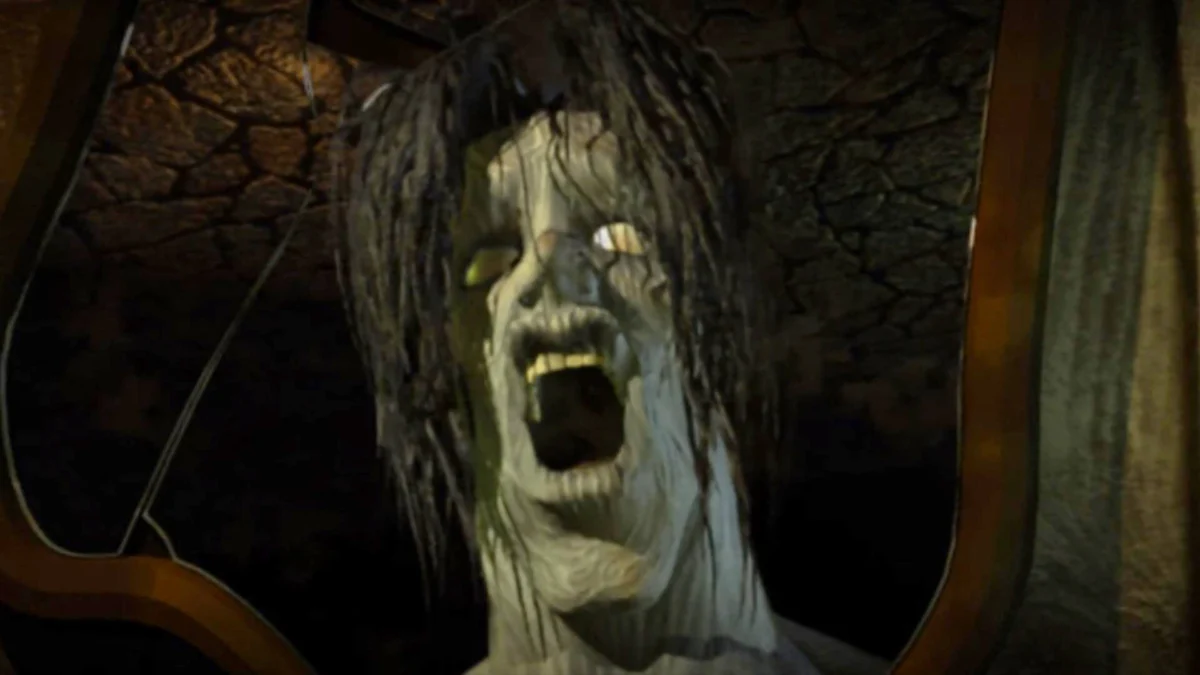
A persistent misconception within the gaming industry suggests that only titles achieving widespread mainstream appeal can be deemed successful. However, the trajectory of cult classics like Planescape: Torment profoundly challenges this notion. Released in 1999 by Black Isle Studios, this niche role-playing game (RPG) has cultivated an unparalleled reputation among players and critics alike, demonstrating that profound narrative and thematic depth can transcend commercial metrics. Garnering "Universal Acclaim" on Metacritic with a score of 91 out of 100, and frequently lauded in communities such as Reddit as possessing one of the finest narratives in video game history, Planescape: Torment remains a pivotal touchstone in discussions about interactive storytelling, primarily due to its audacious prioritization of dialogue and philosophical exploration over conventional combat.
The Genesis and Release of a Narrative Masterpiece
The late 1990s represented a fertile period for computer role-playing games, often referred to as the golden age of CRPGs. Developers like BioWare and Black Isle Studios, leveraging the innovative Infinity Engine, were pushing the boundaries of the genre with isometric perspectives, rich world-building, and intricate character interactions. While BioWare was making waves with Baldur’s Gate, Black Isle Studios, renowned for Fallout and Icewind Dale, embarked on a more unconventional path with Planescape: Torment.
Development for Planescape: Torment began in 1997, spearheaded by creative director Chris Avellone and lead designer Feargus Urquhart. The team aimed to create a game that diverged significantly from the combat-heavy focus prevalent in most RPGs of the era. Instead of designing around combat encounters, the core philosophy centered on crafting a deeply personal narrative, where player choices and dialogue held paramount importance. This approach was a bold gamble, as it challenged established genre conventions and risked alienating players accustomed to more action-oriented gameplay. The game utilized the Planescape campaign setting from Dungeons & Dragons, a fantastical multiverse known for its philosophical underpinnings, bizarre inhabitants, and emphasis on the power of belief, providing a perfect backdrop for the narrative ambitions of Black Isle.
Upon its release on December 12, 1999, Planescape: Torment garnered immediate critical praise. Reviewers universally lauded its innovative narrative, sophisticated writing, and unique character development. Despite this critical adulation, initial sales were modest compared to its contemporaries. The game’s cerebral nature and departure from mainstream gameplay mechanics meant it did not achieve the same commercial success as Baldur’s Gate. However, its profound impact on a dedicated player base laid the groundwork for its enduring cult status, which would only grow over the subsequent decades.
A Deep Dive into the Planescape: Torment Narrative
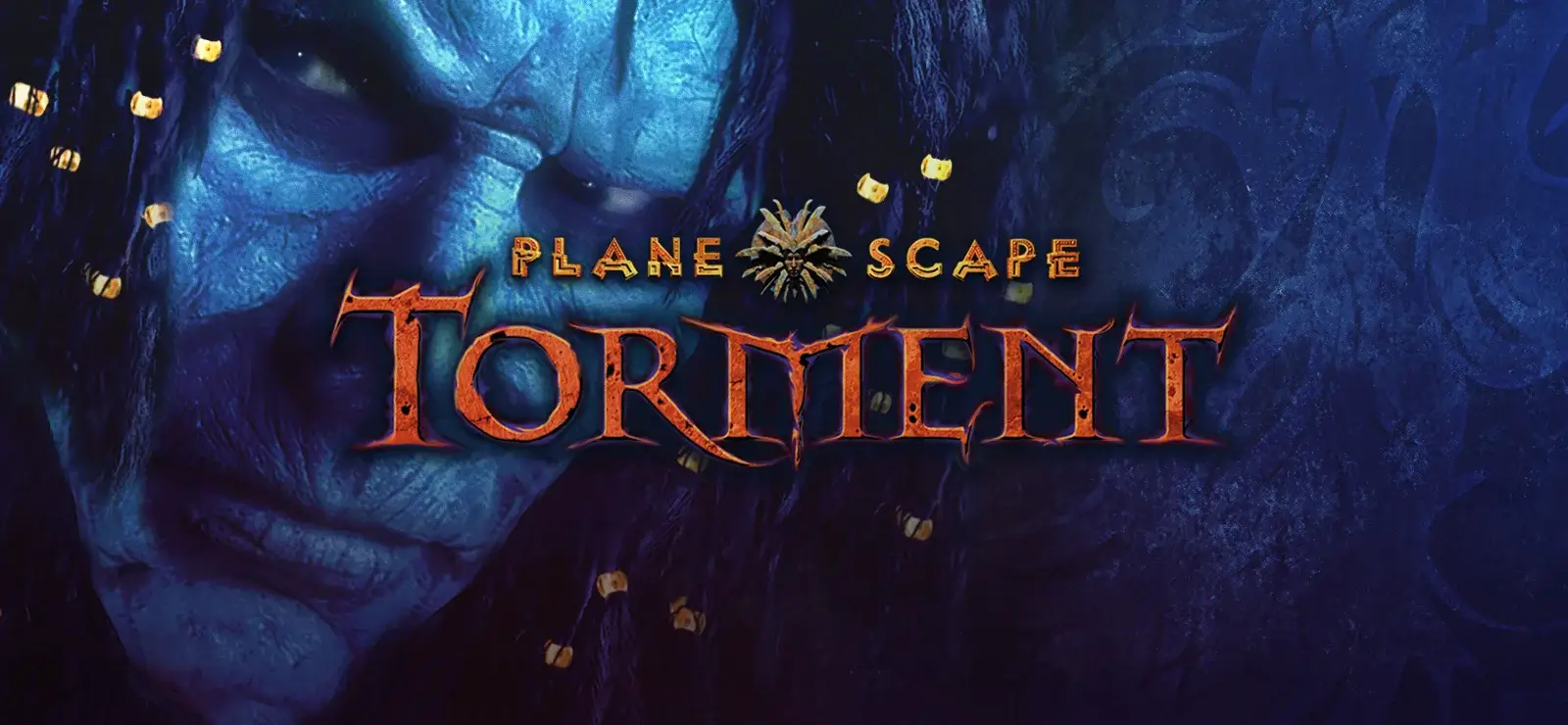
At its core, Planescape: Torment chronicles the journey of an immortal protagonist known only as The Nameless One, who awakens on a mortuary slab in the city of Sigil with no memory of his past lives. His quest is not merely to defeat an antagonist or save a kingdom, but to unravel the enigma of his own identity, understand why he cannot die, and confront the consequences of his countless past incarnations. This existential premise immediately sets it apart, transforming the traditional RPG hero’s journey into a profound philosophical inquiry.
The game is set primarily in Sigil, the "City of Doors," a bustling metropolis located atop the Spire, at the center of the D&D multiverse. Sigil is a crossroads for all planes, populated by an eclectic mix of creatures, factions, and philosophies, each vying for influence and offering distinct perspectives on existence. The factions, such as the Dustmen (who believe life is a slow march to true death) or the Anarchists (who seek to tear down all established order), provide not just lore, but living philosophies that the player must navigate, agree with, or challenge through dialogue.
Crucially, combat in Planescape: Torment often takes a secondary role, becoming a tool rather than the primary mechanic. Many situations can be resolved through intellect, intimidation, or persuasion, reflecting a deep trust in the player’s capacity for critical thinking and role-playing. This dialogue-driven approach allows players to profoundly shape The Nameless One’s personality, alignment, and even his abilities, making each playthrough a unique exploration of self-discovery. The central question posed by the narrative – "What can change the nature of a man?" – reverberates throughout the entire experience, leaving players to ponder the impact of belief, choices, and regret long after the credits roll.
Key Characters and Their Philosophical Contributions
The narrative depth of Planescape: Torment is amplified by its cast of unforgettable companions, each contributing unique perspectives and challenging The Nameless One’s journey of self-discovery.

The Nameless One: The player character embodies a tabula rasa, a blank slate whose personality is forged entirely by player choices. His inherent immortality and amnesia provide a canvas for exploring themes of identity, redemption, and the burden of past actions. Quotes attributed to The Nameless One often reflect the player’s chosen path, ranging from cynical and weary observations to profound philosophical insights. For instance, a common thread involves his constant grappling with his forgotten past, "I remember nothing… a blank slate. Yet, there are echoes." This line encapsulates the central mystery and the player’s drive to uncover it. Depending on player choices, he might utter lines reflecting regret or determination, such as "Perhaps if I understand what I was, I will understand what I am," or "My past is a shadow that I must embrace, not run from." These lines are not pre-scripted declarations but emerge organically from the player’s interactive narrative.
Morte: The first companion encountered, Morte is a wisecracking, floating skull with an encyclopedic knowledge of insults and a surprisingly loyal heart. He serves as comic relief but also as a moral foil and, at times, a tragic figure. His constant banter and cynical outlook ("Don’t let them grind you down, chief. It just encourages ’em.") provide levity to the game’s often dark themes, while his own hidden past adds layers to the narrative. Morte’s ability to "flirt" with female characters using his biting wit and his unique "Litany of Curses" combat ability highlight his distinctive personality. His memorable lines, such as "Chief, you’re looking a little… pasty. Perhaps you’ve been eating too many Mortuary biscuits," underscore his humor, while his unwavering support provides a constant source of companionship.
Dak’kon: A Githzerai warrior, Dak’kon is a stoic and disciplined companion bound to The Nameless One by an ancient oath. He brings a profound philosophical dimension to the party, often speaking in riddles and proverbs derived from his people’s philosophy of "Unknowing." His "karach," a blade that grows stronger with his conviction, symbolizes the power of belief within the game. Dak’kon’s insights challenge The Nameless One to consider the nature of self-improvement and the strength derived from conviction. His iconic mantra, "Know that the greater the challenge, the greater the change," or "There is no truth in flesh, nor in the touch of man. Only in the Word," are central to understanding the game’s philosophical underpinnings, advocating for inner strength and disciplined thought.
Fall-From-Grace: A chaste succubus, Fall-From-Grace is a proprietor of a brothel that doubles as a philosophical salon. She is a fascinating contradiction, embodying both sensuality and asceticism, seeking knowledge and understanding rather than indulging in her demonic nature. Her dialogue offers intelligent and often compassionate perspectives on morality, free will, and the complexities of desire, providing a nuanced counterpoint to the more cynical or pragmatic viewpoints. Her observations about the nature of love and belief, such as "Love is a dangerous thing. It can make a man believe in things that aren’t true," or "Sometimes, the greatest wisdom lies in admitting what you do not know," are poignant and thought-provoking.
Vhailor: A construct animated by sheer belief in justice, Vhailor is a powerful, unwavering embodiment of law and retribution. He views the world through a strict, black-and-white moral code, often clashing with The Nameless One’s more ambiguous journey. His presence forces players to confront questions about the nature of justice, vengeance, and whether absolute adherence to a principle is truly virtuous. Vhailor’s pronouncements, like "Justice is not a concept. It is a blade. And I am its wielder," or "There is no escape from judgment. Only delay," serve as stark reminders of the consequences of actions and the inflexible nature of certain beliefs.
The Enduring Impact and Legacy

The critical acclaim for Planescape: Torment has not waned over time; in fact, its reputation has only solidified. The game is frequently cited in "greatest RPGs of all time" lists and is often held up as the gold standard for narrative-driven video games. Its influence can be seen in subsequent titles that prioritize choice, consequence, and deep character development, such as Disco Elysium, which shares a similar philosophical, dialogue-heavy approach, or modern CRPGs like Pillars of Eternity and Tyranny, developed by Obsidian Entertainment (founded by many Black Isle veterans), which continue the tradition of rich world-building and moral ambiguity.
In 2017, the game received a significant revival with the release of Planescape: Torment: Enhanced Edition by Beamdog. This edition updated the game for modern operating systems, improved the interface, and incorporated various quality-of-life enhancements while preserving the original’s artistic integrity and narrative depth. The success of the Enhanced Edition, years after its initial release, is a testament to the game’s timeless appeal and the enduring demand for profoundly written, intellectually stimulating interactive experiences. This re-release also introduced the game to a new generation of players, further cementing its legacy.
Planescape: Torment‘s lasting appeal is not rooted in graphical fidelity or groundbreaking combat mechanics – though its art direction and real-time-with-pause combat were well-regarded at the time. Its true power lies in its unparalleled writing, its willingness to tackle complex philosophical questions, and its unwavering commitment to player agency in shaping a deeply personal narrative. By demonstrating that a game can achieve legendary status through its intellectual and emotional resonance, rather than mere commercial success, Planescape: Torment fundamentally redefined what an RPG could be and continues to inspire developers and players to seek out games that challenge, provoke, and ultimately, enrich the human experience. It stands as a powerful testament to the idea that the most memorable gaming experiences are often those that resonate not with our reflexes, but with our minds and hearts.
About the Author