The Dawn of Digital Realism: MetaHumans and Unreal Engine 5’s Vision
The introduction of the MetaHuman library represents a pivotal moment in digital character creation. Launched by Epic Games, the creators of Unreal Engine, MetaHumans are an extensive collection of fully rigged, photorealistic digital humans designed to drastically reduce the time and complexity traditionally associated with creating high-quality virtual characters. Prior to MetaHumans, achieving this level of fidelity often required specialized skills, extensive sculpting, texturing, rigging, and animation work, typically reserved for large-scale studios with substantial budgets. With MetaHumans, Epic Games aims to democratize access to cutting-edge digital character assets, allowing creators of all sizes to produce compelling, emotionally resonant digital performances. This initiative aligns perfectly with Unreal Engine 5’s overarching philosophy of empowering creators with powerful, accessible tools, from its revolutionary Nanite virtualized micropolygon geometry system to its Lumen global illumination solution, both of which contribute to rendering MetaHumans with breathtaking detail and realism. The MetaHuman project was initially revealed in February 2021, showcasing its potential to transform workflows across game development, film, and virtual production, promising a future where digital actors are indistinguishable from their real-world counterparts.

Seamless Integration: A Step-by-Step Guide to Importing MetaHumans
Integrating a MetaHuman into an Unreal Engine 5 project is a streamlined process facilitated by Epic Games’ integrated ecosystem. The following steps detail how to access and deploy these advanced digital assets, highlighting the technical considerations involved.
-
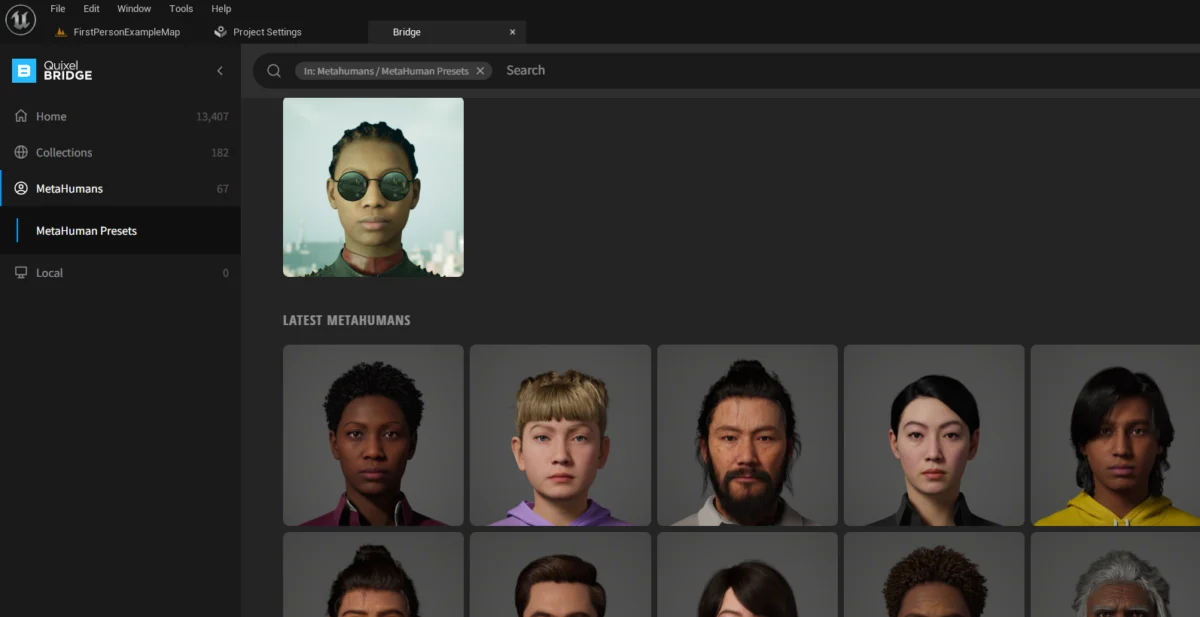
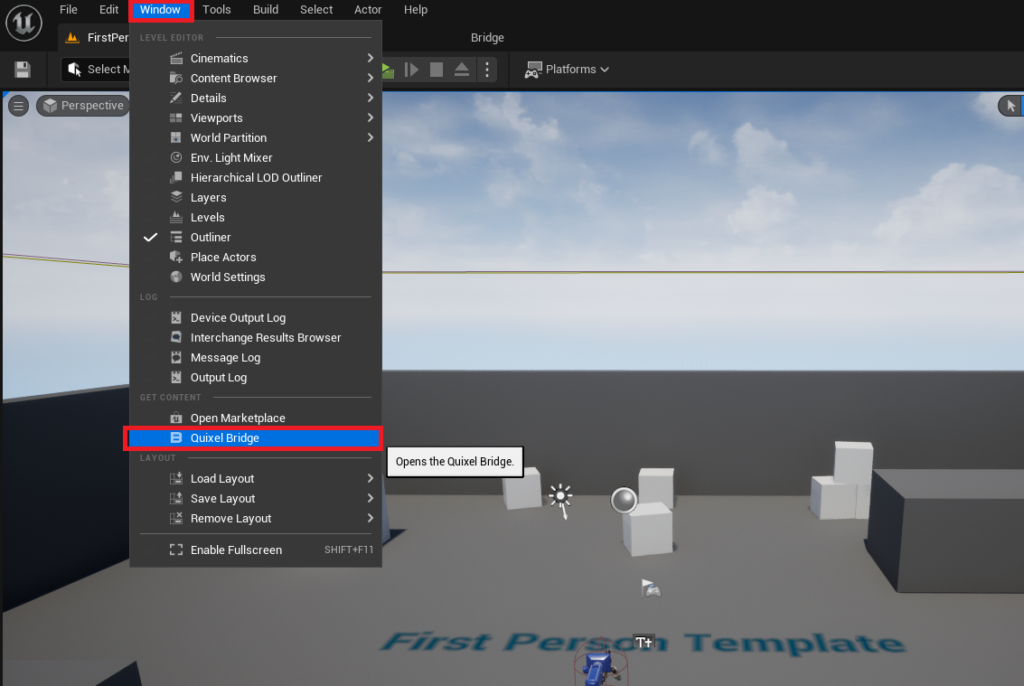
Accessing the Quixel Bridge Ecosystem: The first step involves accessing the Quixel Bridge, an extensive asset management system integral to the Unreal Engine workflow. Within the Unreal Engine editor, users navigate to the "Window" tab and select "Quixel Bridge." This action opens a dedicated panel within the editor, providing direct access to a vast library of high-quality 3D assets, including the acclaimed Megascans library and, critically for this purpose, the MetaHuman collection. Quixel Bridge acts as a central hub, ensuring that creators can effortlessly browse, download, and import assets without leaving their primary development environment, thereby optimizing the creative pipeline.
-
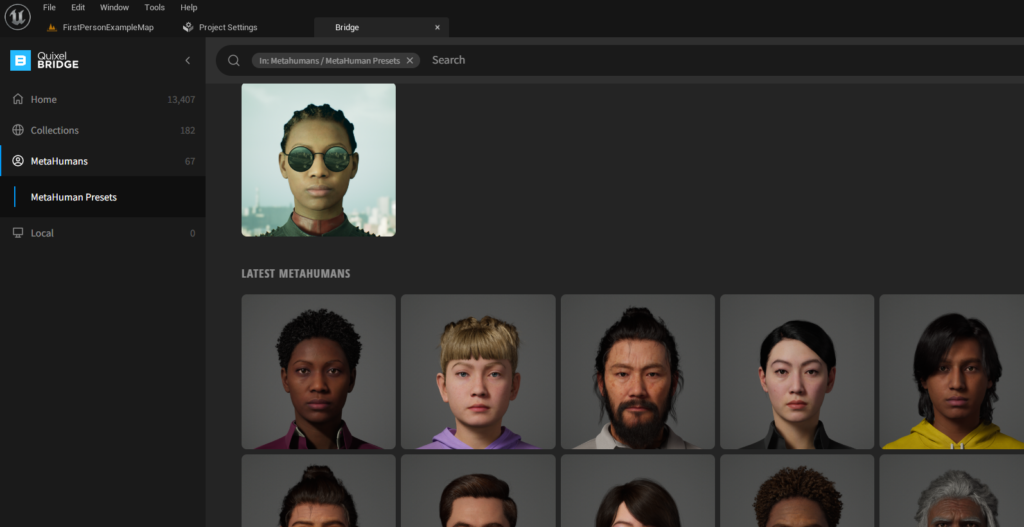
Navigating the MetaHuman Library: Once Quixel Bridge is open, creators will find various tabs categorizing the available assets. To access the digital human models, the "MetaHumans" tab must be selected. This action filters the extensive library to display only the preconfigured MetaHuman characters available for download. Users are presented with a diverse array of digital individuals, each possessing unique facial features, body types, hairstyles, and clothing options, all rendered with exceptional detail. This curated selection allows developers to quickly find characters that fit their project’s aesthetic and narrative requirements, bypassing the need for initial character design from scratch.
-
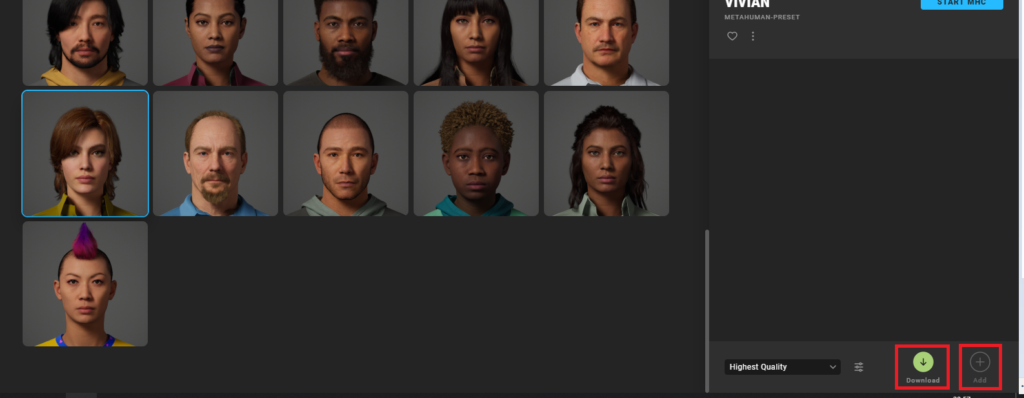
Authentication and Asset Acquisition: Before a MetaHuman can be downloaded and added to a project, user authentication is required. Upon selecting a desired MetaHuman avatar from the grid, a "Sign In" button will appear, typically in the bottom right corner of the Quixel Bridge window. This prompts users to log in with their Epic Games account. This login is crucial as it grants access to the full Quixel Megascans and MetaHuman libraries, which are part of Epic Games’ broader content ecosystem. After successful authentication, the "Download" button becomes active. Clicking this initiates the download process, during which the high-resolution assets, including meshes, textures, materials, and rigging data, are transferred to the local project. Following a successful download, an "Add" button appears, allowing the user to seamlessly import the MetaHuman directly into the currently opened Unreal Engine project. This process ensures that all necessary files are correctly placed and configured within the project’s content directory.
-
Project Configuration and Engine Restart: Importing a MetaHuman often requires specific Unreal Engine project settings and plugins to be enabled for optimal functionality. As the MetaHuman assets are being imported, the editor may display notifications, typically in the bottom left corner, indicating "missing" configurations. It is crucial to press "Enable Missing" when prompted. This action allows the editor to automatically configure the project by activating necessary plugins—such as the MetaHuman Plugin, Control Rig, and Groom—and adjusting project settings related to rendering, animation, and skeletal mesh support. These adjustments are vital for the MetaHuman’s complex geometry, advanced shading models, and sophisticated rigging to function correctly. Once these missing settings and plugins have been enabled, the system will prompt the user to "Restart Now." Restarting the Unreal Engine editor is a mandatory step to ensure that all newly activated plugins and updated project settings are fully initialized and applied, allowing the engine to correctly interpret and render the MetaHuman assets.
-
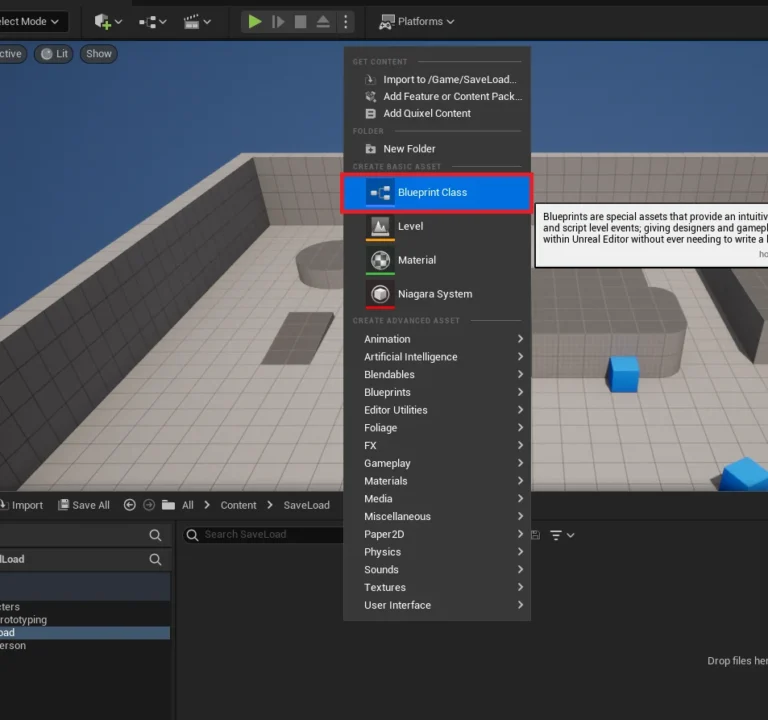
Deploying Your Digital Avatar: Following the editor restart, the imported MetaHuman will be accessible within the project’s Content Drawer. Users can navigate to the "MetaHumans" folder, which will contain a subfolder named after the specific MetaHuman character chosen during the download process. Within this subfolder, the core asset representing the fully configured MetaHuman is typically identified by a Blueprint Class, often prefixed with "BP_". This Blueprint encapsulates all the components of the MetaHuman, including its various meshes (face, body, hair, clothing), skeletal rig, materials, and animation logic. From here, the MetaHuman Blueprint can be dragged and dropped directly into the level viewport, instantly adding the high-fidelity character to the scene. This final step marks the successful integration of a MetaHuman, ready to be posed, animated, or even used as a player character.
Beyond the Blueprint: Understanding MetaHuman Architecture
The power of MetaHumans lies not just in their visual fidelity but also in their underlying architecture. Each MetaHuman Blueprint is composed of multiple distinct meshes, meticulously crafted and optimized for real-time performance. These include separate meshes for the head, body, hands, feet, hair (utilizing Unreal Engine’s advanced Groom system), and various clothing items. This modular design offers several advantages:

- Customization: It allows developers to swap out individual components, enabling a degree of customization even with preconfigured characters.
- Performance Scaling: Different levels of detail (LODs) are automatically generated for each component, ensuring that MetaHumans can be rendered efficiently across various hardware specifications, from high-end PCs to mobile devices, without manual optimization efforts.
- Animation Ready: Each MetaHuman comes fully rigged with a sophisticated skeletal mesh and control rig, making them immediately compatible with Unreal Engine’s animation tools. This includes support for facial animation, body animation, and even motion capture integration, allowing for highly expressive and lifelike performances. The blend shape system for facial expressions further enhances their realism, enabling nuanced emotional portrayals.
Industry Impact and the Democratization of Digital Production
The advent of MetaHumans has profound implications across multiple industries. For game developers, it significantly reduces the character production pipeline, allowing smaller teams to achieve AAA-quality character assets. This frees up resources and time that can be reallocated to gameplay mechanics, narrative development, or environmental design. In the film and television industry, MetaHumans accelerate virtual production workflows, enabling real-time pre-visualization, digital doubles, and virtual actors that can seamlessly integrate into live-action sets. This can drastically cut down on post-production time and costs.
Furthermore, MetaHumans are a powerful tool for independent creators and educational institutions, democratizing access to high-end character creation previously out of reach. It empowers individual artists to produce professional-grade content, fostering innovation and diversity in digital storytelling. Industry analysts have lauded Epic Games’ strategic move, seeing it as a critical step toward realizing the vision of the metaverse, where realistic digital avatars will be essential for immersive virtual experiences. Epic Games CEO Tim Sweeney has often emphasized the company’s commitment to empowering creators, and MetaHumans stand as a testament to this philosophy, enabling a new era of digital creativity where technical barriers are minimized, and artistic vision can flourish.

The Road Ahead: Customization and the Future of Digital Identity
While the current MetaHuman library offers a rich selection of preconfigured characters, the future holds even greater promise with the MetaHuman Creator tool. This cloud-streamed application, currently in early access, allows users to design their own unique MetaHumans from scratch or by blending existing presets, offering an unparalleled level of customization. Creators can sculpt facial features, adjust body proportions, select from vast libraries of hair, skin tones, eye colors, and clothing, all while maintaining the hyper-realistic quality synonymous with MetaHumans. The MetaHuman Creator is set to further revolutionize character development by providing an intuitive interface for generating bespoke digital humans in minutes, significantly reducing the character creation timeline from weeks or months to mere hours.
The broader implications extend to the evolving concept of digital identity. As virtual worlds and augmented reality experiences become more prevalent, the demand for personalized, realistic avatars will grow exponentially. MetaHumans offer a robust foundation for these digital representations, potentially serving as avatars in the metaverse, virtual assistants, or even as digital companions. However, with such advanced realism comes ethical considerations, including the potential for deepfakes, the uncanny valley effect, and questions surrounding intellectual property and digital ownership. Addressing these challenges will be crucial as MetaHuman technology continues to advance and integrate into daily digital life.
In conclusion, Unreal Engine 5’s integration of the MetaHuman library is more than just a technical advancement; it is a paradigm shift in digital content creation. By providing free, accessible, and high-fidelity digital humans, Epic Games has not only streamlined complex workflows but also empowered a new generation of creators to bring their visions to life with unprecedented realism. The ease of integration, coupled with the sophisticated underlying technology and the promise of future customization via the MetaHuman Creator, firmly positions MetaHumans as a cornerstone of modern real-time production and a key enabler for the expansive digital worlds of tomorrow.
About the Author