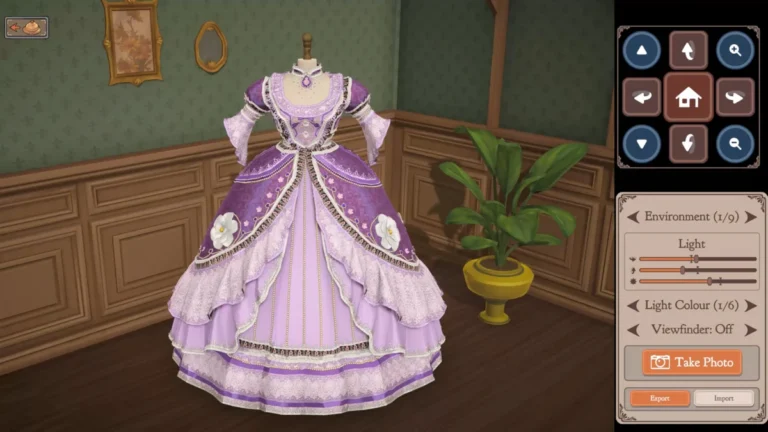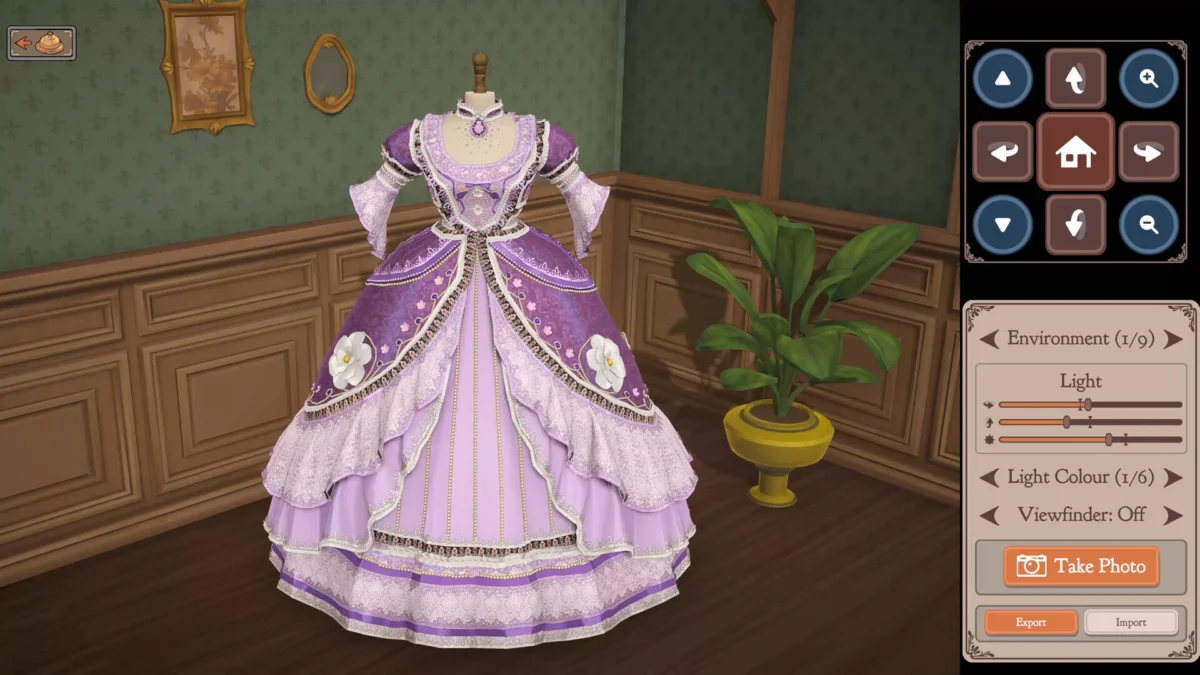
Cozy Lives and Free Lives’ Dressmaker has emerged as the unequivocal surprise sleeper indie hit of 2026, captivating thousands of players with its unique blend of creativity and relaxation, evidenced by its "overwhelmingly positive" reviews on Steam, and sparking crucial conversations among game developers about the untapped potential within underserved audiences. This remarkable success, however, was far from a foregone conclusion; in its nascent pre-production phase, the creators wrestled with significant doubts about whether the game would ever find a substantial audience, a testament to the unpredictable nature of innovation in the competitive video game industry. The journey of Dressmaker from a tentative prototype to a critically acclaimed and commercially successful title offers a compelling case study in iterative development, risk assessment, and the nuanced interpretation of early market signals.
The Evolving Landscape of Game Development and the Quest for Viability
The video game industry, a multi-billion dollar behemoth, is notoriously hit-driven, making the question of "what game to make" one of the most daunting challenges for any studio, especially independent developers. For every blockbuster success, countless projects languish in obscurity or fail to recoup their development costs. This high-stakes environment necessitates sophisticated strategies to mitigate risk, balance creative ambition with commercial viability, and navigate the ever-shifting preferences of a global player base. Free Lives, a studio known for its diverse portfolio, has spent years refining a process aimed at identifying game ideas that are not only creatively compelling but also possess genuine market potential. This involves a blend of intuition, empirical testing, and a willingness to challenge conventional wisdom, as vividly demonstrated by the Dressmaker saga.
Ruan Rothman, programmer and designer for Dressmaker, elaborated on this philosophy in an interview with GameDeveloper.com, highlighting the studio’s commitment to an empirical approach. He stressed that even seasoned professionals cannot reliably intuit a game’s creative and commercial viability. This recognition led Free Lives to adopt a structured set of "heuristics" – practical rules of thumb – designed to guide their decision-making process. Their methodology hinges on early, public prototyping, primarily leveraging platforms like Itch.io to gather real-world data and community feedback long before committing to full-scale production. This contrasts with traditional development cycles where market testing often occurs much later, after substantial investment has already been made.
Free Lives’ Iterative Approach: Game Jams and Itch.io Prototypes
At the heart of Free Lives’ development strategy lies an emphasis on rapid prototyping, often originating from internal game jams, followed by public releases on platforms such as Itch.io. This allows the studio to test core mechanics and audience interest with minimal investment, gathering crucial data points that inform subsequent decisions. The process is characterized by three key evaluation criteria:
- Itch.io Traction: The initial litmus test involves releasing a playable prototype on Itch.io. The team closely monitors engagement metrics, such as downloads, play sessions, and user feedback, to gauge intrinsic interest. A prototype that quickly gains traction on this platform is seen as a strong early indicator of potential.
- Social Media Response: Concurrently, Free Lives assesses the game’s resonance on social media. This involves creating mini-trailers or posting short gameplay clips on platforms like Instagram, TikTok, and X (formerly Twitter). The volume and nature of the response – likes, shares, comments, discussions – provide qualitative insights into how the concept is perceived by a broader audience.
- Content Creator Uptake: Perhaps the most compelling signal comes from spontaneous content creation by influencers and streamers. When content creators organically choose to feature a prototype, especially if their videos overperform relative to their average view counts, it signifies a strong, intrinsic appeal that transcends traditional marketing efforts. This organic amplification is invaluable, indicating a game’s potential to capture the zeitgeist and generate word-of-mouth momentum.
Rothman acknowledged a calculated risk inherent in this approach: the potential for "burning through" a game’s marketing momentum. If a prototype gains significant influencer attention too early, interest might wane by the time the full game is ready for release, making it challenging to regenerate hype. This delicate balance between early testing and preserving marketing potential is a constant consideration for the studio. Despite the empirical framework, Rothman conceded that subjective judgment remains an "inevitable" part of the process, as data alone rarely paints a complete picture. The stakes are profoundly high, as he articulated: "The worst possible outcome in game development is spending years on a game that nobody wants. Besides the obvious financial implications, even if your studio survives, it’s devastating for morale."

Dressmaker’s Ambiguous Beginnings: A Case Study in Data Interpretation
The narrative of Dressmaker is particularly illustrative because its initial data signals were far from unequivocal. The game’s genesis traces back to an internal Free Lives game jam. The very first prototype, while not fully "playable" in a polished sense, was sufficient for conducting preliminary social media tests on Instagram. The positive, albeit limited, reaction from these early posts provided just enough encouragement to greenlight the development of a more robust, free prototype for Itch.io.
Upon its release, the Dressmaker prototype garnered approximately 10,000 downloads within its first month on Itch.io. For many indie developers, this might be considered a respectable start. However, within the context of Free Lives’ prior experiences, this figure was viewed as "relatively low." To illustrate, another Free Lives prototype, Stick it to the Stickman, had previously racked up over 100,000 downloads on the same platform. The discrepancy raised immediate questions. Furthermore, Dressmaker did not generate the desired organic content creator uptake, nor did any publishers express interest in signing the title based on this early performance.
This situation presented Free Lives with a significant dilemma. The data, when compared to their internal benchmarks, offered a mixed and somewhat discouraging signal. Adding to the uncertainty was the fact that Dressmaker represented a departure from Free Lives’ established portfolio, which typically leaned towards action or more overtly "gamer-centric" genres. Dressmaker was a "cozy game," a genre focused on relaxation, creativity, and often appealing to audiences historically underserved by the mainstream gaming industry. The team had no prior experience in this niche, making the interpretation of the prototype’s performance even more challenging.
The ambiguity was compounded by the performance of Stick it to the Stickman. Despite its impressive 100,000+ downloads on Itch.io, the game ultimately "underperformed" after its full release on Steam. This outcome cast doubt on Itch.io’s reliability as a singular predictor of Steam success, forcing Free Lives to question their established heuristics. Was a lower Itch.io download count for Dressmaker necessarily a harbinger of failure, or could Stick it to the Stickman‘s experience suggest that Itch.io’s audience demographics or discovery mechanics might not perfectly align with Steam’s broader market?
The Pivotal Decision: Doubling Down on a Niche
Despite the ambiguous data, the Free Lives team sensed an underlying potential in Dressmaker. The qualitative feedback, particularly from the initial Instagram posts, suggested a passionate, albeit potentially smaller, audience. This intuition, coupled with the lessons learned from Stick it to the Stickman‘s contrasting performance, prompted a crucial re-evaluation. Instead of abandoning the project, they decided to initiate another targeted marketing push. This involved a more deliberate social media campaign and proactive outreach to a select group of influencers who specialized in lifestyle, creative, or cozy gaming content.
This strategic pivot proved instrumental. The renewed push on Instagram and TikTok, specifically targeting communities interested in fashion, design, and relaxing games, generated a much stronger and more focused response. The qualitative engagement metrics soared, with comments and shares indicating a genuine excitement for a game that allowed players to express their creativity through virtual dressmaking. This second wave of feedback provided the "multiple corroborating signals" that Rothman later described as essential.
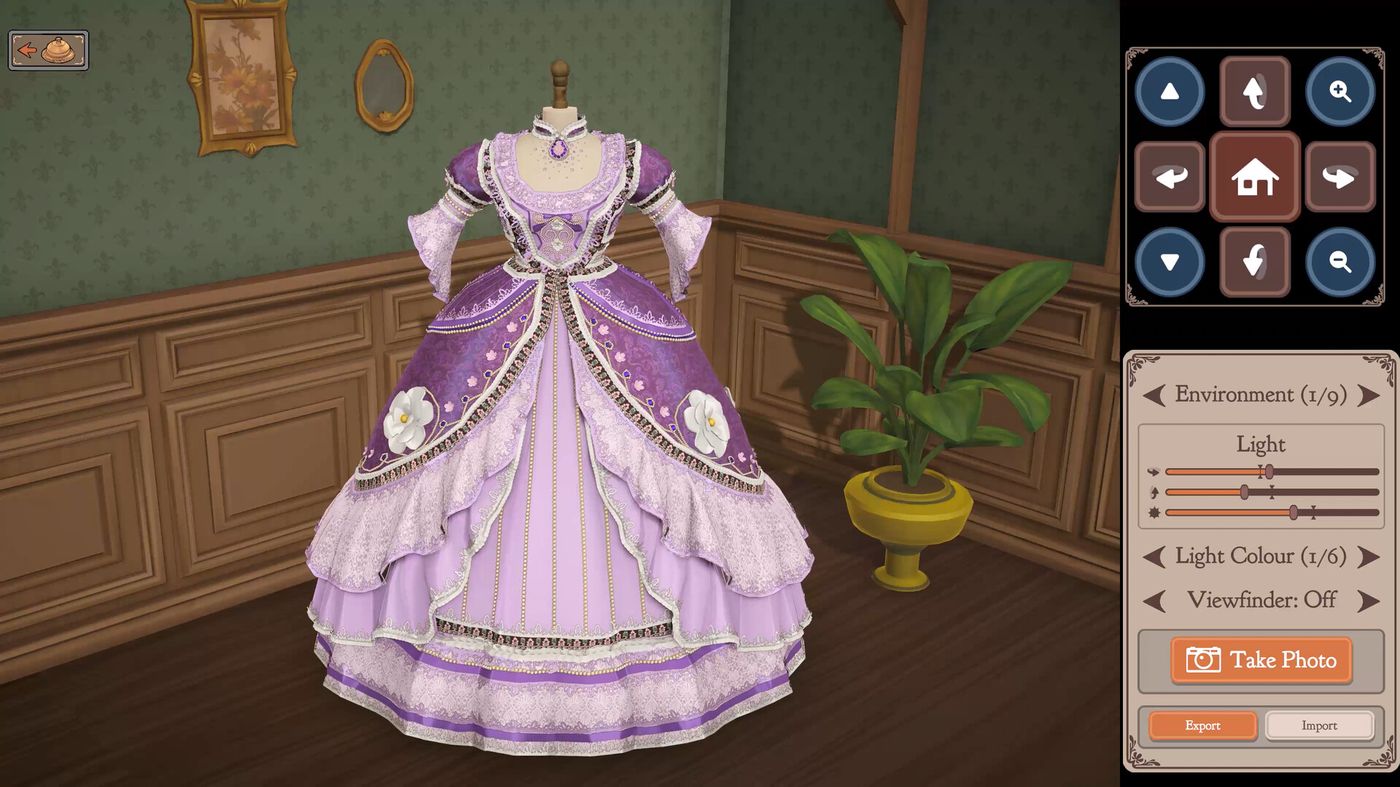
Armed with this more nuanced understanding of Dressmaker‘s potential, Free Lives decided to proceed, albeit cautiously. They committed to developing the full game under a "limited scope," a prudent measure to control development costs and mitigate risk given the earlier uncertainties. This disciplined approach allowed them to focus on refining the core mechanics and artistic vision that had resonated so strongly with the targeted audience. The decision ultimately paid off "in spades," as Dressmaker blossomed into the unexpected triumph it is today.
The Broader Implications: Redefining Success Metrics and Industry Audiences
Dressmaker‘s journey offers profound lessons for the entire game development community. In an era increasingly dominated by "data-driven approaches," this game stands as a powerful reminder that raw numbers alone do not always tell the full story. Rothman admitted that the studio is still grappling with the precise takeaways from Dressmaker‘s success: "I don’t think we’ve figured that out just yet! We now know that you need multiple corroborating signals in order to trust that a project has appeal, and that any one single metric can be quite unreliable." He cited instances where prototypes achieved great social media traction but failed to convert into prototype downloads or Steam success, underscoring the complexity of predicting market performance.
The success of Dressmaker has undeniably fueled the ongoing industry conversation about "missing audiences." For years, the mainstream gaming market has been heavily skewed towards action, adventure, RPGs, and competitive multiplayer titles, often designed with a specific demographic in mind. However, the rise of "cozy games," life simulators, and creative sandbox experiences like Dressmaker demonstrates a significant, previously underserved market segment hungry for different types of interactive entertainment. These games often appeal to players who prioritize relaxation, creativity, social interaction, and narrative over high-octane action or competitive challenges. The "overwhelmingly positive" reception for Dressmaker on Steam, typically a platform associated with more traditional gaming genres, is a testament to the breadth and diversity of modern gaming audiences.
Free Lives, as a studio, is not content with simply breaking even. Rothman emphasized their ambition to create "culturally relevant, standout hit games." This philosophy necessitates a willingness to take calculated risks, even when the data is ambiguous. The studio’s commitment to pushing creative boundaries and exploring new genres means their future projects are "likely to again, be so completely different than anything else we’ve done." This forward-thinking approach, combined with a refined understanding of how to interpret complex market signals, positions Free Lives as a leading innovator in the independent game development space.
The rapid pace of change in the development scene, influenced by evolving technologies, shifting player demographics, and new discovery platforms, means that the lessons learned from Dressmaker are not static. What constitutes a "reliable signal" today may be different tomorrow. However, the core principle remains: a blend of empirical testing, careful data analysis, and a courageous commitment to artistic vision, even in the face of uncertainty, can lead to unexpected and resonant successes that not only benefit the studio but also enrich the entire gaming ecosystem. Dressmaker serves as a vibrant blueprint for how developers can identify, nurture, and ultimately delight audiences they might not have even known were waiting.
About the Author