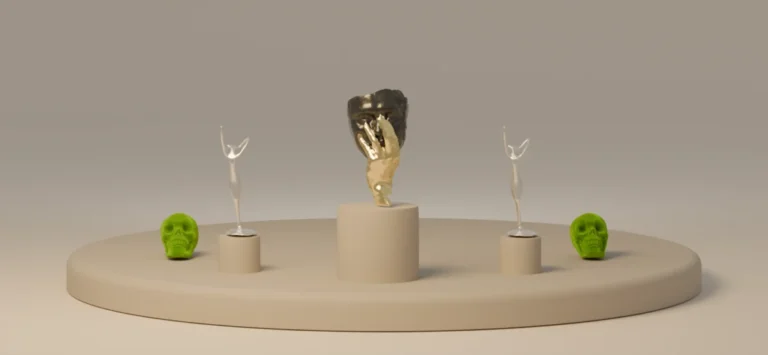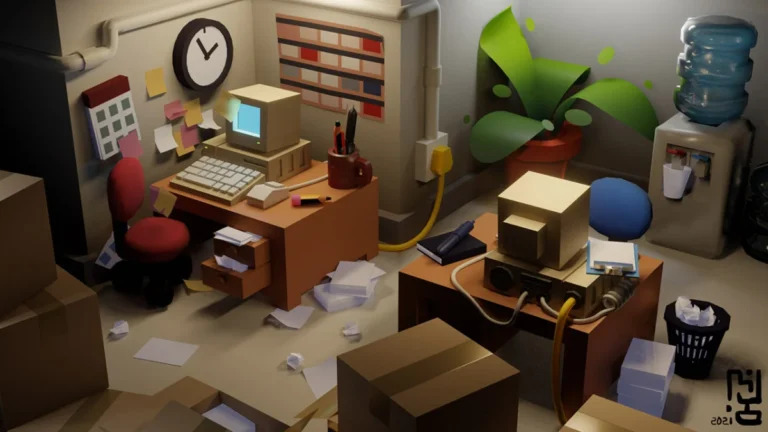
The vibrant and ever-evolving community of 3D artists on the Blender Artists forum continues to be a wellspring of extraordinary digital creations. Each week, a diverse array of talent converges to share their latest projects, pushing the boundaries of what’s possible with the open-source 3D creation suite. This curated selection highlights some of the most compelling and technically impressive works that have recently captured attention, offering a glimpse into the innovative spirit driving the Blender ecosystem.
A Deep Dive into the Latest Artistic Triumphs
The Blender Artists forum serves as a crucial nexus for 3D creators, fostering a collaborative environment where artists at all skill levels can showcase their portfolios, solicit feedback, and engage with a global network of peers. This weekly feature aims to elevate a select group of these artists, bringing their meticulously crafted pieces to a wider audience and celebrating the dedication and artistry involved in their creation. The sheer volume of submissions, often numbering in the hundreds weekly, underscores the platform’s significance and the growing global adoption of Blender for professional and personal projects.
The featured artwork, an imaginative reimagining of the iconic Inspector Gadget, stands as a testament to the artist’s technical prowess and creative vision. This particular piece transcends a simple fan art rendition, demonstrating a profound understanding of character design, material rendering, and atmospheric lighting. The attention to detail in the metallic textures, the worn leather of Gadget’s trench coat, and the subtle imperfections that lend realism to the otherwise fantastical character, are all indicative of advanced 3D modeling and texturing techniques. Furthermore, the composition and lighting choices evoke a sense of nostalgia while simultaneously presenting the character in a fresh, contemporary light.
The Evolution of 3D Artistry and Blender’s Role
The journey of 3D art has been a dynamic one, marked by rapid technological advancements and the increasing accessibility of powerful creation tools. Blender, since its inception and subsequent open-sourcing, has played a pivotal role in democratizing 3D content creation. Initially launched in 1994 by NaN (Not a Number), Blender underwent a significant transformation in 2002 when it was famously open-sourced through a crowdfunding campaign. This pivotal moment, spearheaded by Ton Roosendaal, the founder of NaN, not only saved the software from extinction but also ignited a global community of developers and users who have since contributed immeasurably to its growth and capabilities.
The BlenderNation platform, established in 2006 by Bart Lauret, has been instrumental in chronicling this evolution, consistently providing news, tutorials, and showcases of community achievements. Lauret’s own extensive history with Blender, dating back to its early days, including authoring some of the first tutorials and participating in the crowdfunding initiative, provides a unique perspective on the software’s trajectory. His ongoing role as editor of BlenderNation and Community Lead at n8n highlights a sustained commitment to fostering and amplifying the work of 3D artists. The Blender Artists forum, which Lauret also manages, has become an indispensable resource for artists seeking to share their work and connect with others.
Technical Prowess on Display: Deconstructing the Inspector Gadget Piece
The visual impact of the Inspector Gadget artwork is derived from a confluence of sophisticated 3D techniques. The artist has clearly invested significant time in crafting high-fidelity models, employing techniques such as subdivision surface modeling for smooth organic forms and hard-surface modeling for the intricate mechanical components that define Gadget’s persona. The meticulous sculpting of details, from the rivets on his hat to the subtle wrinkles in his clothing, adds a layer of believability that draws the viewer in.
Material definition is another area where this artwork excels. The metallic surfaces likely utilize advanced shader networks, incorporating parameters for reflectivity, roughness, and anisotropy to accurately simulate brushed steel, polished chrome, or weathered alloys. The fabric shaders for Gadget’s coat and hat would similarly be complex, accounting for weave patterns, subsurface scattering, and micro-surface details to achieve a realistic drape and texture. The lighting setup appears carefully orchestrated, with a primary light source casting dramatic shadows that accentuate the form and volume of the character, while secondary lights likely fill in the darker areas, preventing a loss of detail. This interplay of light and shadow not only enhances the visual drama but also contributes to the overall mood and atmosphere of the piece, perhaps hinting at a gritty, urban environment or a covert operation.
Broader Implications for the 3D Art Industry
The proliferation of such high-quality work within the Blender community has significant implications for the broader 3D art industry. As Blender’s capabilities continue to expand and rival those of proprietary software, it is increasingly adopted by independent artists, small studios, and even larger production houses. This accessibility lowers the barrier to entry for aspiring 3D professionals, fostering a more diverse and competitive landscape.
The artistic merit showcased in pieces like the Inspector Gadget reimagining also signals a growing demand for stylized yet technically proficient 3D character art across various media, including film, animation, video games, and advertising. The ability to produce work of this caliber using a free and open-source tool empowers a new generation of artists and challenges established industry norms. Furthermore, the collaborative nature of platforms like Blender Artists encourages knowledge sharing and rapid skill development, accelerating the pace of innovation within the field. The sheer volume of skilled artists emerging from this ecosystem suggests a continued upward trend in the quality and creativity of digital content.
The Future of Community-Driven 3D Creation
The sustained success and vibrant activity of the Blender Artists forum, coupled with the ongoing evolution of Blender itself, point towards a future where community-driven development and open-source solutions play an even more significant role in shaping the digital art landscape. The ability for artists to freely share their work, receive constructive criticism, and learn from each other creates a powerful feedback loop that drives continuous improvement.
As technology advances, it is likely that Blender will continue to incorporate cutting-edge features, further empowering artists to realize their most ambitious visions. The Inspector Gadget piece serves as an excellent example of the potential that lies within this dynamic ecosystem. It is a testament to the dedication of individual artists, the strength of the Blender community, and the enduring power of open-source software to foster creativity and innovation on a global scale. The ongoing showcase of exceptional work on platforms like BlenderNation ensures that these artistic achievements are recognized and celebrated, inspiring future generations of digital creators. The continued growth and influence of the Blender community suggest that this is just the beginning of an exciting era in 3D art creation.
About the Author