The popular indie game marketplace, itch.io, has rolled out a series of significant updates to its desktop application, introducing critical enhancements that fundamentally improve user experience, library management, and game customization. These updates, primarily delivered through versions v26.15.0 and v26.17.0, address a range of long-standing user requests and technical challenges, solidifying the app’s position as a robust platform for discovering and playing independent titles. A crucial hotfix, v26.18.0, was also swiftly deployed to resolve a critical MacOS crashing issue, underscoring the platform’s commitment to immediate user support.
Chronology of Key Updates and Rapid Response
The development cycle saw two major iterations within the span of a single month: v26.15.0 and v26.17.0, both focused on integrating feedback derived from the platform’s extensive issues tracker. These updates culminated in a suite of features designed to make game ownership and management more intuitive and powerful. However, the rollout was not without its immediate challenges. Following the deployment of these updates, some MacOS users reported persistent crashing issues that rendered the application unusable for them. In a testament to its agile development and user-centric approach, itch.io developers promptly identified the root cause and released a hotfix, v26.18.0, urging affected users to reinstall the application from the setup program if they encountered a crash loop. This rapid response minimized disruption and ensured continued access for a significant portion of its user base.
Revolutionizing Bundle Management within the App
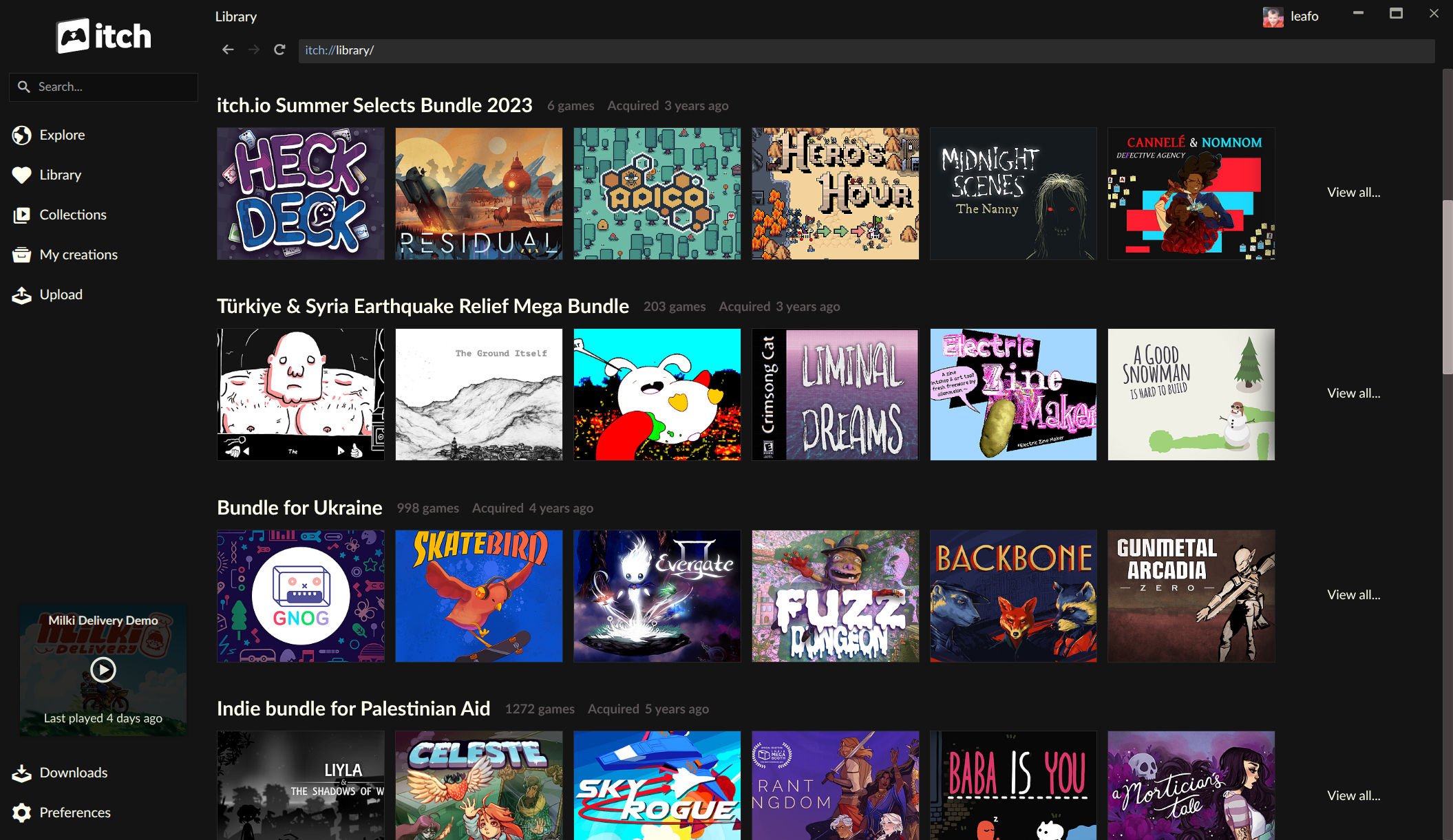
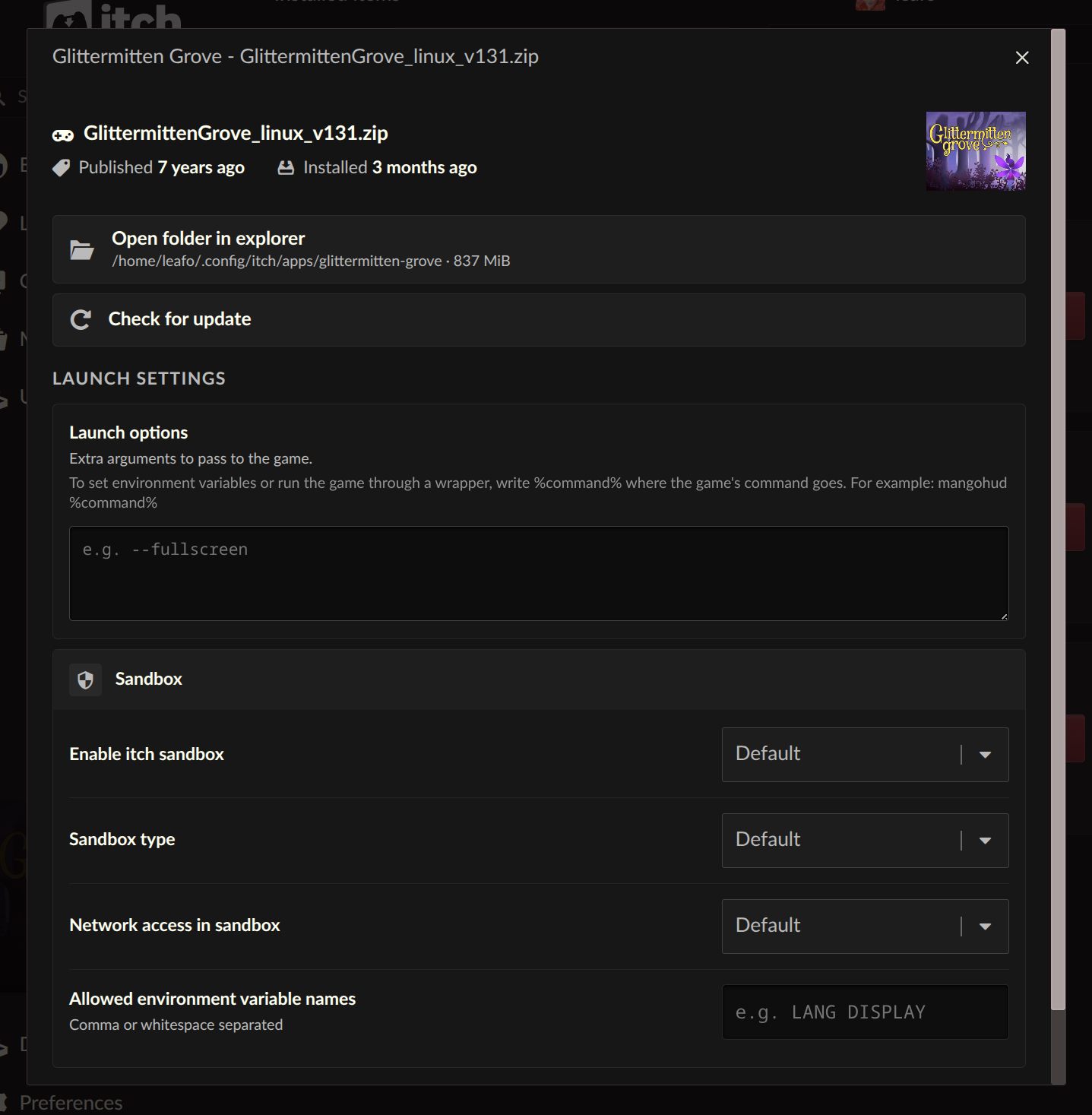
Perhaps the most impactful enhancement in these updates is the seamless integration of owned bundles directly into the user’s library. Previously, games acquired through itch.io’s often massive and impactful bundles did not natively appear in the desktop app until each individual title was manually claimed via the website. This presented a significant hurdle for users, particularly those who had supported the platform’s large-scale charitable initiatives.
To understand the magnitude of this challenge, consider the historical context of itch.io’s bundles. The "Bundle for Racial Justice and Equality," launched in 2020, stands as a monumental example, featuring an astonishing 1,741 items and purchased over 800,000 times, ultimately raising over $8.1 million for charity. Similarly, the "Bundle for Ukraine" in 2022 included nearly 1,000 items, garnered over 400,000 buyers, and raised more than $6.3 million. The sheer scale of these bundles, while incredibly successful for their respective causes, created an unprecedented database challenge. Generating an individual download key for every item for every single buyer would have resulted in an astronomical number of database entries—potentially billions for the Racial Justice bundle alone. Consequently, ownership for these mega-bundles was recorded as a single, overarching record, with individual game keys only generated upon explicit claim by the user on the website.
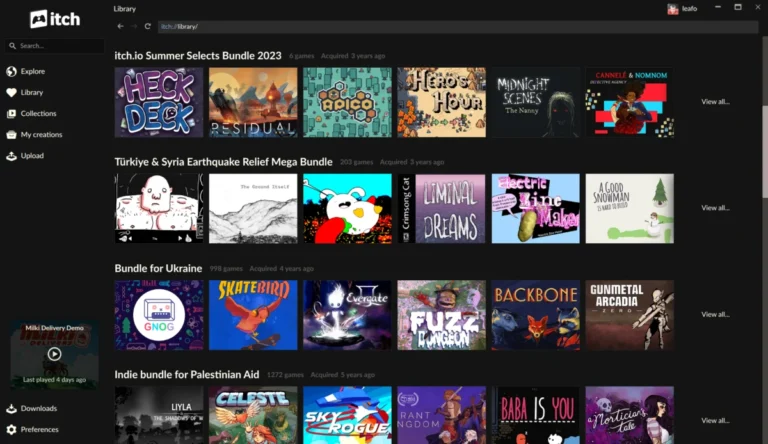
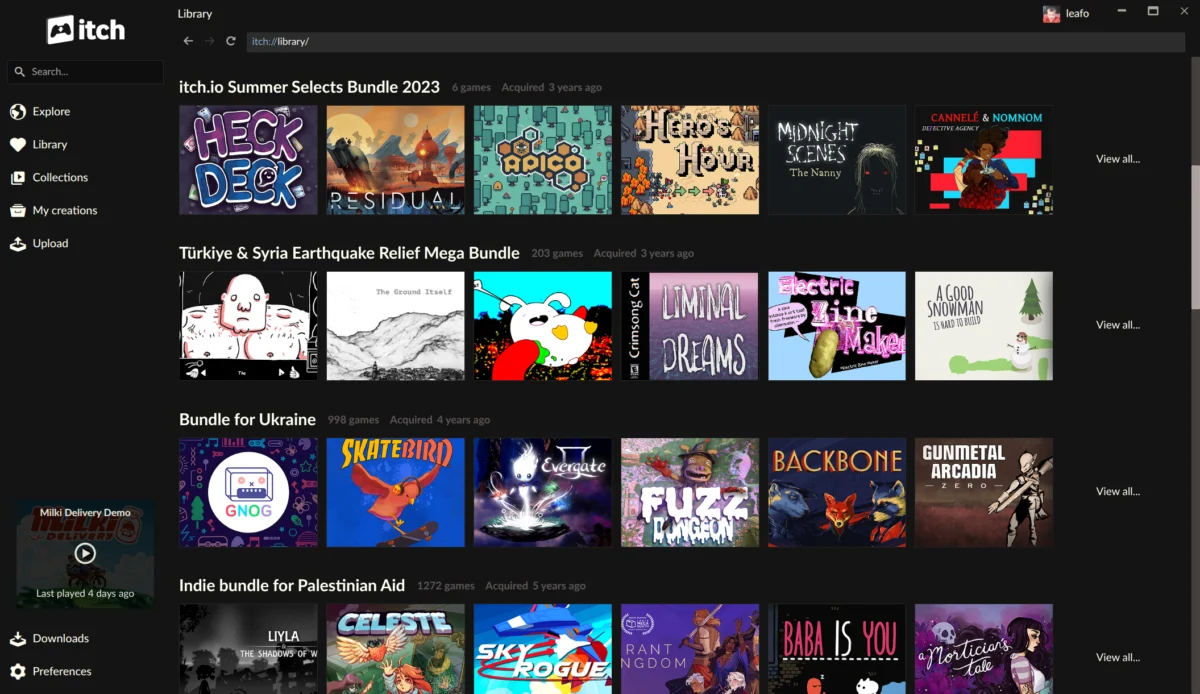
The new app functionality fundamentally changes this dynamic. The itch.io app now possesses a native understanding of bundle ownership, allowing users to browse, search, and install any game from even the largest bundles directly within the application interface. Each bundle now boasts its own dedicated page within the library, featuring comprehensive listings of all included games. These pages are equipped with sorting, title-based search, and filtering capabilities based on platform, classification, and installation status, providing unparalleled organization and discoverability. This development not only streamlines the user experience but also encourages greater engagement with the vast libraries acquired through these philanthropic efforts. It addresses a core limitation that previously deterred many from fully exploring their bundle purchases. For users who have amassed substantial collections through these initiatives, the app now transforms a previously cumbersome experience into a fluid and enjoyable journey of discovery. Furthermore, itch.io recently revamped its bundle hosting tools, signaling a broader commitment to enhancing the entire bundle ecosystem for both creators and consumers.
Advanced Per-Game Launch Settings for Power Users
Another highly anticipated feature is the introduction of per-game launch settings, accessible via the manage dialog for each installed title. This granular level of control empowers users to customize various operational parameters, catering to a wide array of technical requirements and preferences. The new settings include:
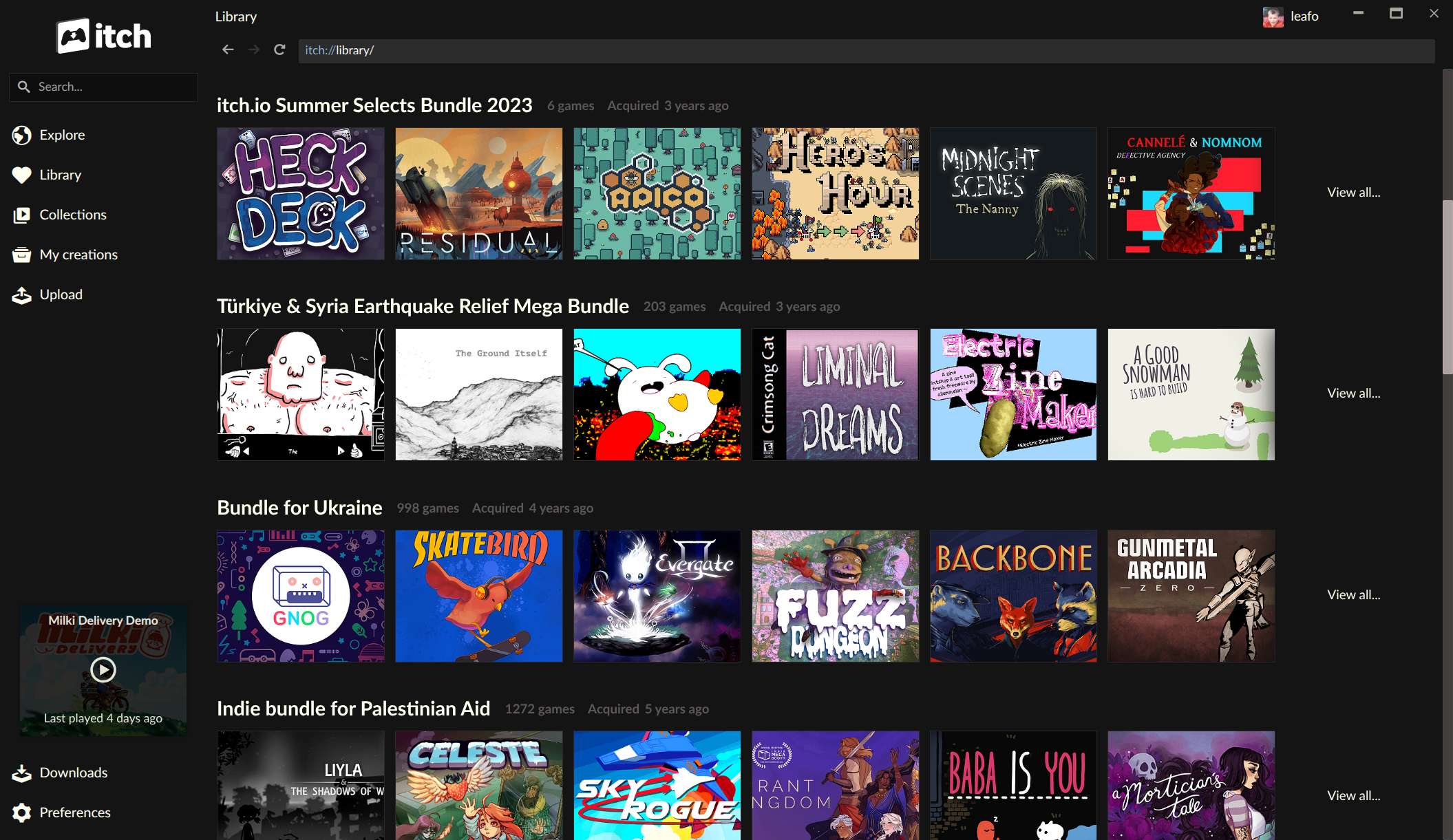
- Sandbox Restrictions: Users can now configure security sandboxing for individual games, allowing for tighter control over what a game can access on their system. This is particularly valuable for playing games from less familiar developers or for maintaining system integrity.
- Network Access: The ability to manage network access on a per-game basis provides enhanced privacy and control. Users can restrict games from accessing the internet if not required, or fine-tune permissions for online-enabled titles.
- Environment Variables: Advanced users and developers can now set specific environment variables for a game’s execution. This is a powerful feature for debugging, customizing runtime behavior, or integrating with specialized system configurations.
A highlight of these new launch settings is the "Command pattern" option for launch arguments. This long-requested feature allows users to not only pass plain arguments directly to a game’s executable but also to wrap the game’s launch within another command. This opens up a world of possibilities for advanced configurations, such as:
- Running games through compatibility layers like Wine or Proton on Linux with specific settings.
- Integrating with debugging tools or performance monitoring utilities.
- Utilizing custom launchers or scripts to modify game behavior before execution.
- Applying graphical enhancements or accessibility tools that require pre-launch commands.
This level of customization significantly elevates the itch.io app from a mere game launcher to a sophisticated management tool, appealing strongly to technical users, developers, and those seeking to optimize their gaming experience beyond standard defaults.
Expanded Platform Flexibility: Installing Untagged Downloads
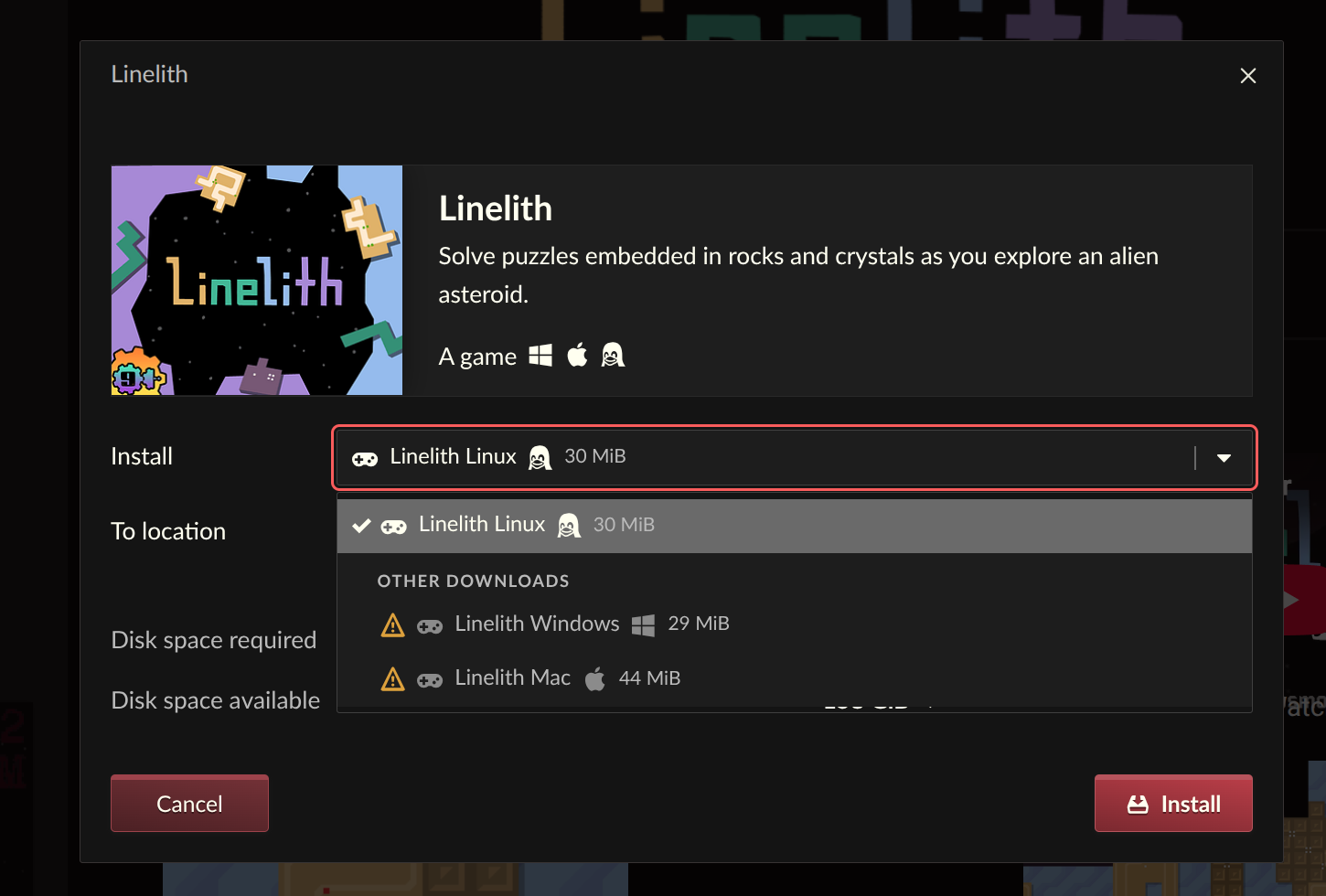
In a move that significantly broadens the app’s utility for cross-platform gamers and developers, users can now reveal and install downloads that are not explicitly tagged for their operating system. Previously, the app would only display and allow installation of builds marked for the user’s current platform.
This limitation often created friction for users employing compatibility layers. For instance, a Linux user wishing to play a Windows-only title via Wine or Proton would have to resort to manual downloads and installations outside the app. With this update, if a developer omitted a platform tag, or if a user intentionally wants to acquire a build for a different OS, the option is now available directly within the install dialog. This change fosters greater interoperability and accessibility, particularly benefiting the thriving community of Linux gamers who often rely on compatibility tools to expand their game libraries. It acknowledges the evolving landscape of PC gaming where platform boundaries are increasingly permeable through community-driven solutions.
Revamped Sidebar Search and Library Page Enhancements
The user interface also received a notable overhaul with the replacement of the sidebar search functionality. The previous iteration, which relied on the itch.io API’s autocomplete feature, was criticized for presenting search results in a confusing order, making it difficult for users to efficiently locate desired items. The new sidebar search is designed to be more intuitive and effective, particularly for finding content already within the user’s possession.
Itch.io developers explained that while autocomplete can be useful for quickly accessing items one already owns, general discovery and exploration are better served by the website’s full search experience. The revamped in-app search prioritizes owned content, providing a cleaner and more direct path to games and bundles already in the user’s library. This refinement streamlines navigation for frequent users and reduces frustration when trying to locate specific titles within a growing collection.
Beyond the search, general library pages have also seen updates, although specific details were not exhaustively listed in the announcement. These subtle improvements collectively contribute to a more polished and user-friendly library interface, enhancing overall navigation and content presentation.
Community Reaction and Broader Implications
The community response to these updates has been largely positive, as evidenced by feedback within the comments section of the official announcement. Users expressed gratitude for the ability to download untagged games and lauded the improved bundle navigation. The rapid hotfix for the MacOS crashing issue was also well-received, demonstrating itch.io’s attentiveness to critical user-reported problems. Some users also raised further suggestions, such as the ability to launch web games in an external browser while retaining app-specific features like time tracking, indicating a continued desire for greater flexibility and integration.
These updates are not merely incremental improvements; they represent a significant step forward in the evolution of the itch.io desktop app. By tackling complex issues like large-scale bundle ownership and offering advanced customization options, itch.io reinforces its commitment to providing a robust, flexible, and user-centric platform. The enhancements solidify the app’s value proposition for both players, who gain unprecedented control over their libraries and game experiences, and developers, who benefit from a more sophisticated distribution channel and improved engagement with their audience.
The continued investment in the desktop client underscores itch.io’s strategic vision: to empower independent creators and players alike with tools that prioritize openness, flexibility, and community engagement. As the platform continues to grow and host increasingly ambitious projects and charitable initiatives, a powerful and adaptable desktop application becomes ever more crucial. These updates position the itch.io app as a leading example of how a digital storefront can evolve to meet the diverse and dynamic needs of the independent gaming ecosystem. Users can acquire the latest version of the app from https://itch.io/app, with existing installations updating automatically to incorporate these substantial improvements. Full changelogs detailing every modification are available on the official GitHub repository for transparency and community review.
About the Author