The independent game marketplace itch.io has rolled out its latest desktop application update, version 26.22.0, introducing a suite of significant enhancements designed to streamline user experience, bolster platform interoperability, and hint at ambitious future ventures. This update, detailed in its full release notes on GitHub, focuses on empowering users with more robust in-app content management, seamless integration with the dominant PC gaming platform Steam, and a pioneering initiative to bring the itch.io library to low-powered Linux retro gaming handhelds.
Revolutionizing Game Curation: In-App Collections Editing
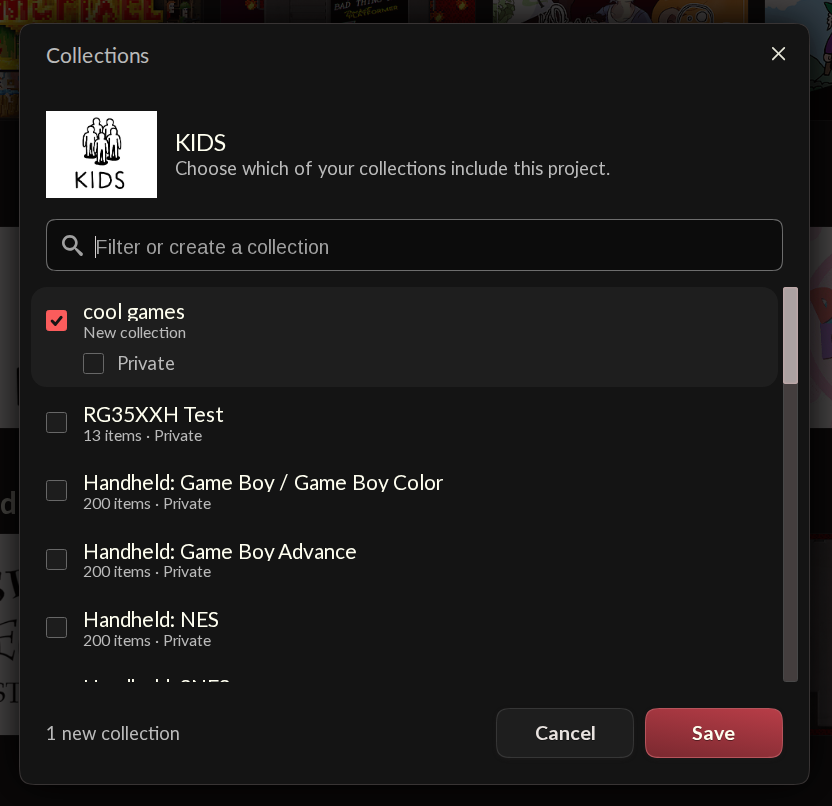
A cornerstone of the v26.22.0 release is the comprehensive overhaul of collection management, now fully integrated directly within the itch.io desktop application. Previously, users seeking to organize their vast libraries of games, tools, and assets into custom collections were often relegated to utilizing the in-app browser, a process that could prove cumbersome and interrupt the native application experience. This new update eliminates that friction, bringing full collection editing capabilities to the forefront of the user interface.
The importance of robust collection management cannot be overstated for a platform like itch.io, which hosts hundreds of thousands of unique projects, many of which are part of massive charity bundles or niche genres. Users frequently leverage collections to curate personal playlists, categorize games by genre or theme, track projects they intend to play, or even create public lists for community sharing. With the ever-growing volume of content on itch.io, the ability to efficiently sort and manage this digital library is paramount to user satisfaction and content discoverability.
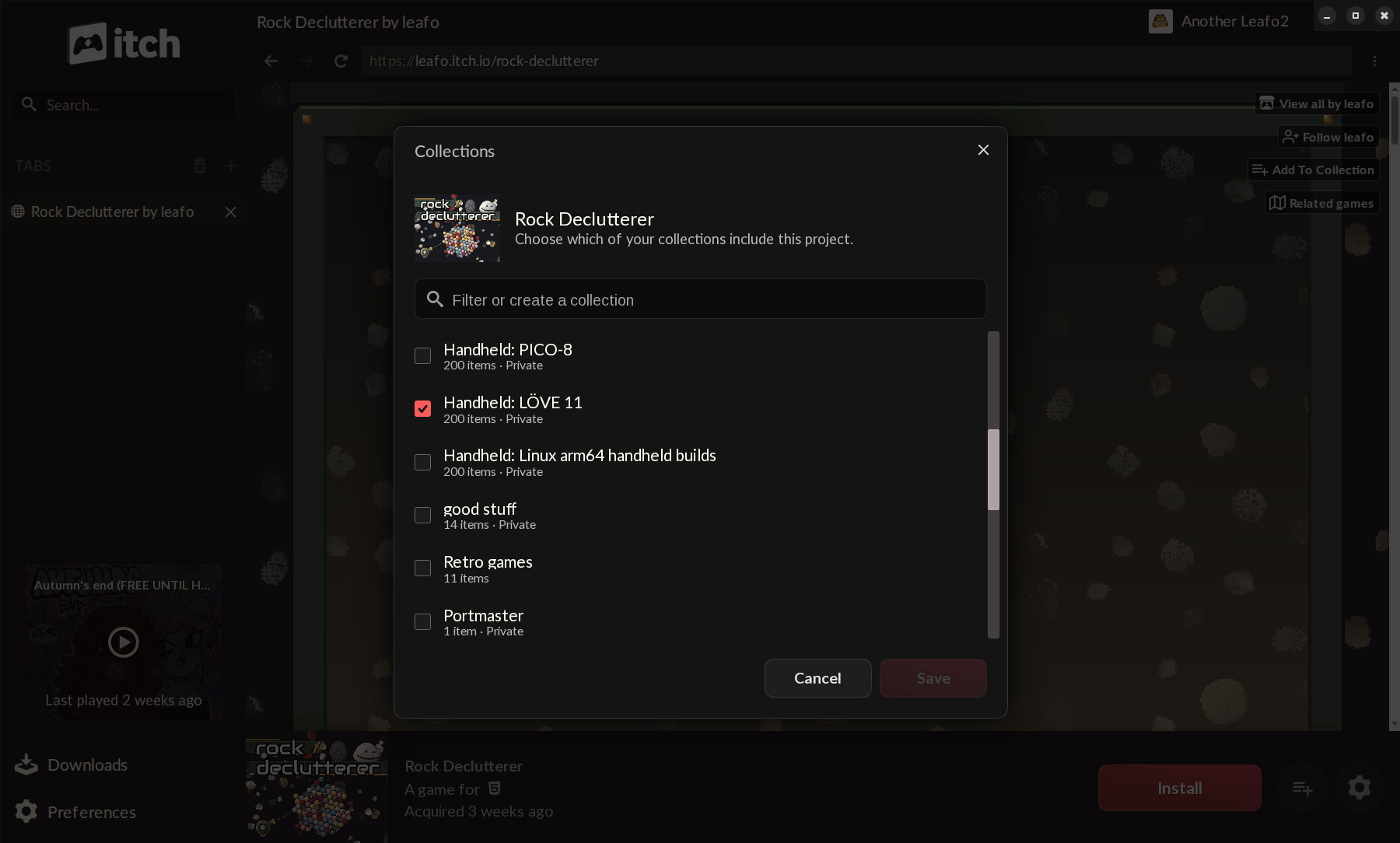
The updated app introduces several key features to facilitate this. A new "add to collection" dialog allows users to bulk manage which collections a particular game is assigned to. This means that instead of individually adding a game to multiple collections through a multi-step process, users can now select all relevant collections from a single, intuitive interface. Furthermore, the option to create an entirely new collection directly from this dialog simplifies the curation workflow, removing the need to navigate away from the current game’s page.
Beyond adding games, the update also significantly enhances the experience of managing existing collections. On the dedicated collection page, a new bulk edit dialog empowers users to reorder and remove multiple items from a collection simultaneously. This feature is particularly valuable for larger collections where manual reordering of dozens or hundreds of entries was previously a time-consuming endeavor. The ability to perform these actions in bulk transforms collection organization from a chore into a swift and intuitive task, allowing users to maintain their curated lists with unprecedented ease. All changes made to collections within the app are automatically synchronized, ensuring that a user’s collection data remains consistent across devices and the web platform. This seamless synchronization underscores itch.io’s commitment to providing a unified and reliable user experience, regardless of how or where users interact with their library.
Bridging Platforms: Enhanced Steam Shortcuts and Proton Integration
The v26.22.0 update also builds upon a previous, highly praised feature: Steam Shortcuts. Introduced in an earlier version of the app, the Steam Shortcuts tool allowed users to add any installed itch.io software directly into their Steam library, enabling a centralized launch point for their entire PC gaming collection. This initial release garnered significant positive feedback from the community, highlighting a clear demand for greater interoperability between itch.io’s independent ecosystem and Steam’s dominant platform.
Responding to this feedback, the development team has implemented a series of fixes and refinements to ensure the Steam Shortcuts tool operates smoothly across a wider array of Steam installations and user profile configurations. This commitment to robustness ensures that more users can benefit from the convenience of launching their itch.io titles directly from Steam, regardless of the intricacies of their system setup.
The most groundbreaking aspect of this enhancement, however, is the addition of full support for creating Steam shortcuts that run through Proton. Proton, a compatibility layer developed by Valve for Steam Play, enables Windows-native games to run on Linux-based operating systems. This technology has been a game-changer for Linux gaming, significantly expanding the playable library and famously powering the Steam Deck, Valve’s handheld gaming PC that runs on SteamOS (a Linux distribution).
With this new integration, the end-to-end experience for Linux users, particularly those on Steam Deck, is now fully functional and remarkably seamless. Users can install Windows-exclusive games from itch.io directly onto their Linux machines (or Steam Deck), and then, with a few clicks, add these games to Steam. Crucially, these added shortcuts are configured to launch using Proton, ensuring compatibility and optimal performance for titles not natively built for Linux. This feature is a boon for Steam Deck owners who have accumulated a wealth of Windows-only games through itch.io bundles over the years, finally enabling them to enjoy these titles on their portable device with the same ease as native Steam games. It also significantly benefits the broader Linux gaming community, further solidifying itch.io’s position as a flexible and inclusive platform. The implications extend beyond just convenience; it democratizes access to a vast indie game library for a rapidly growing segment of the PC gaming market that prioritizes Linux and portable experiences.
The Future of Portable Play: A Glimpse at "itch donk"
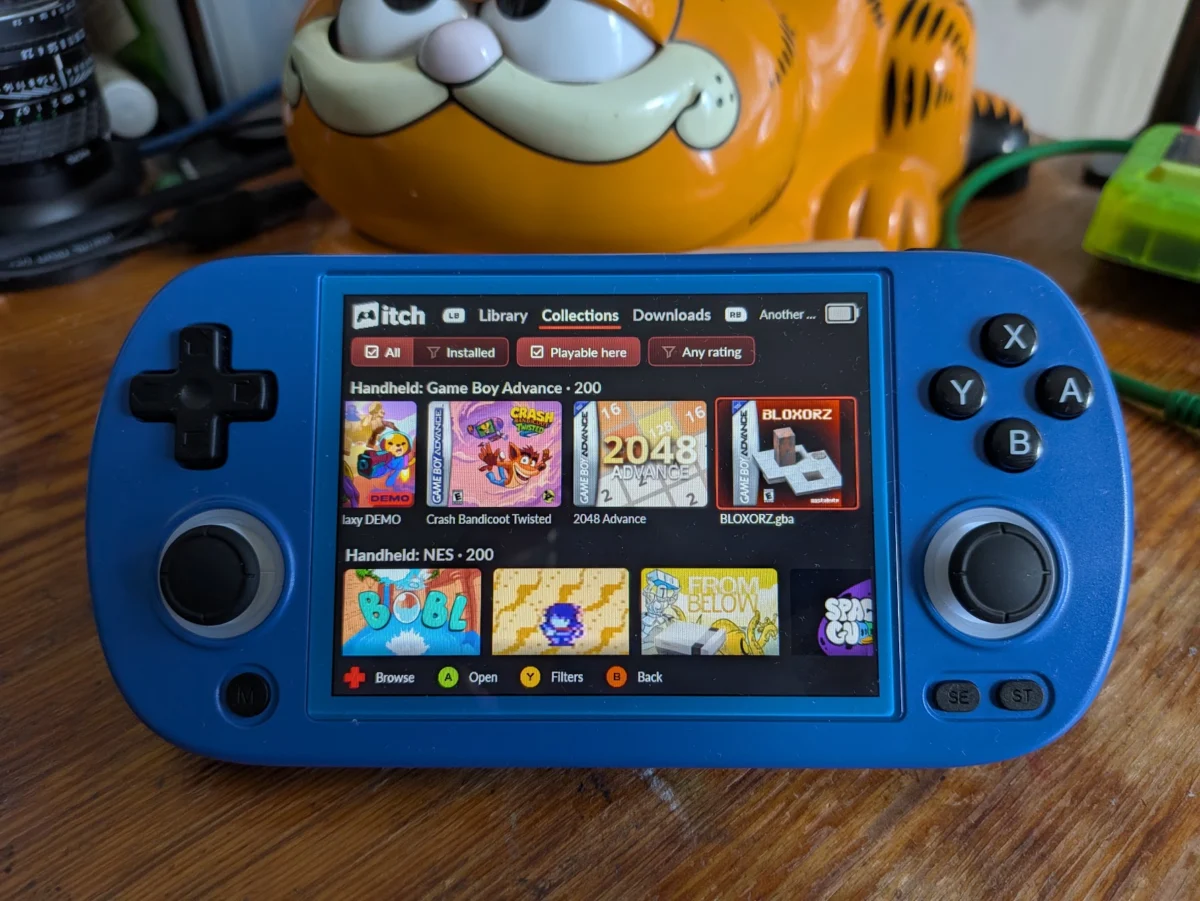
Perhaps the most intriguing revelation in the v26.22.0 update is a "sneak peek" into a forthcoming project dubbed "itch donk." This initiative signals itch.io’s ambitious foray into the burgeoning market of low-powered Linux retro gaming handhelds. Devices such as the Anbernic RG35XX, Retroid Pocket series, or Powkiddy handhelds have seen a surge in popularity, offering nostalgic gaming experiences in a portable form factor. These devices are typically designed for emulating classic console ROMs, a category where itch.io happens to host an extensive and diverse library.
The "itch donk" project aims to adapt the itch.io app to run natively on these specialized Linux ARM-based devices. The developers recognized the inherent synergy: itch.io is home to thousands, if not tens of thousands, of ROMs—many of which are independent creations, experimental titles, or abandonware—that are perfectly suited for these handhelds. Beyond traditional ROMs, preliminary testing has shown that native Linux ARM builds and games developed with engines like LÖVE (a popular framework for 2D games) also perform "surprisingly well" on this hardware. This opens up a new frontier for indie developers, allowing their creations to reach an entirely new audience segment focused on portable, retro-inspired gaming.
A crucial component of the "itch donk" initiative is a backend project currently underway: a comprehensive system to scan every single uploaded file on itch.io. The goal of this monumental undertaking is to meticulously tag each file with its compatible platforms and runtimes. This deep-level analysis will be essential for the "itch donk" app to intelligently identify and present playable content tailored to the specific hardware capabilities of retro handhelds. Such a robust tagging system would not only benefit "itch donk" but also enhance content discoverability and compatibility information across the entire itch.io ecosystem, making it easier for users to find games that run on their preferred systems.
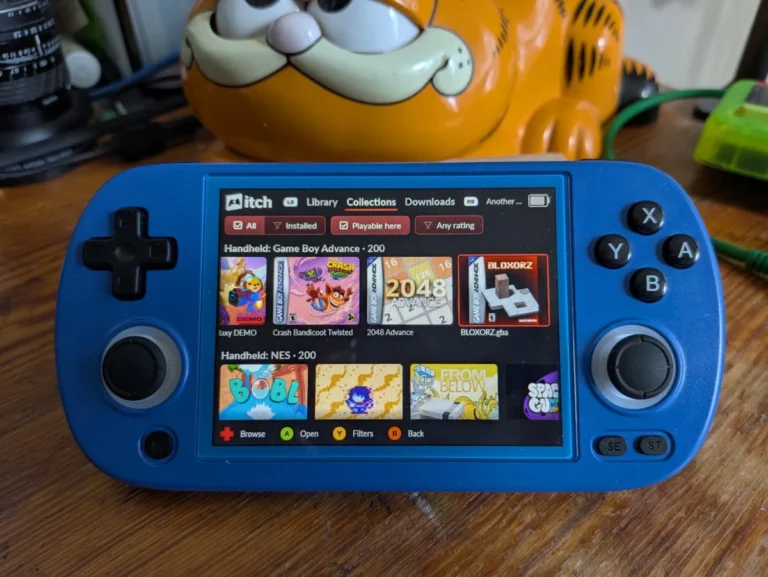
While acknowledging that "quite a bit of work" remains, the developers’ decision to share this sneak peek underscores their excitement and commitment to exploring new avenues for indie game distribution. The accompanying image, depicting an RG40XXH handheld running the itch.io app, provides a tangible glimpse into this promising future. "itch donk" represents a forward-thinking move to capture a new market, offer unparalleled convenience to users, and further solidify itch.io’s reputation as an innovative and developer-friendly platform. The potential for a curated, accessible library of indie games and ROMs on these devices could redefine portable gaming for many enthusiasts.
Underlying Improvements: Butler v15.32.0 and Bug Fixes
Beyond the headline features, the v26.22.0 release also incorporates foundational improvements. The update ships with Butler v15.32.0, an updated version of itch.io’s command-line tool responsible for efficient game uploads, downloads, and updates. Butler is a critical component of the itch.io ecosystem, ensuring that developers can push updates seamlessly and users can download games reliably. The inclusion of an updated Butler version typically signifies a range of bug fixes, performance optimizations, and other underlying enhancements that contribute to the overall stability and speed of the itch.io app. While often working behind the scenes, these continuous improvements to core tooling are vital for maintaining a high-quality user experience and supporting the platform’s vast content library. Users are encouraged to consult the full release notes for a detailed breakdown of these technical refinements.
An Evolving Ecosystem for Indie Gaming
The v26.22.0 update for the itch.io app is more than just a routine patch; it represents a significant stride in the platform’s ongoing evolution. By empowering users with intuitive in-app collection management, itch.io reinforces its commitment to user-centric design and personalized content curation. The enhanced Steam Shortcuts, particularly with the critical addition of Proton support, demonstrates a pragmatic approach to interoperability, bridging the gap between independent game distribution and mainstream gaming platforms, especially benefiting the rapidly expanding Linux and Steam Deck communities. Finally, the tantalizing "itch donk" sneak peek showcases itch.io’s innovative spirit, envisioning a future where its vast and diverse library is readily accessible on a new generation of portable gaming hardware. These developments collectively underscore itch.io’s dedication to fostering a dynamic, accessible, and forward-thinking ecosystem for independent games and their passionate players.
About the Author