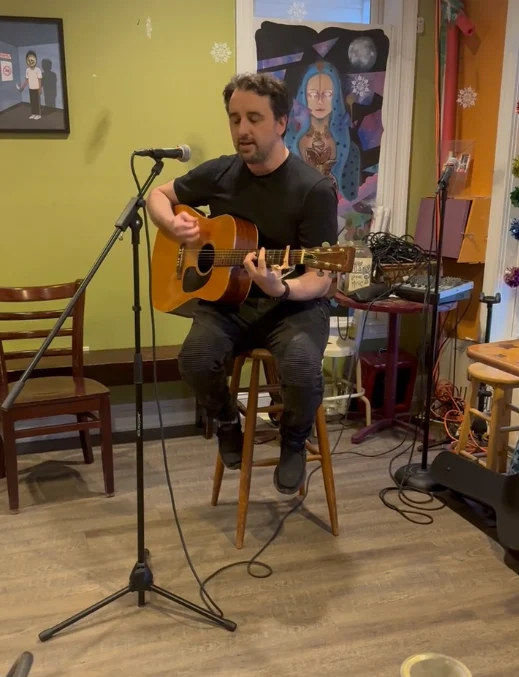
The profound shift in how artists connect with audiences, mediated by an increasingly centralized internet, has sparked a critical reevaluation of digital platforms versus physical community spaces. What was once envisioned as a democratizing force for creative expression has, for many, evolved into a "top-heavy" ecosystem, where visibility is dictated by complex algorithms and substantial marketing budgets, a stark contrast to the inherent equality found in traditional settings like an open mic night. This transformation underscores a growing disillusionment among creators and a renewed call for both digital reform and the revitalization of local, in-person engagement.
The act of creation, whether it be painting, writing, music, or game development, is fundamentally a social endeavor for many artists. The desire to produce work, share it, and receive meaningful feedback—validation, resonance, or even constructive challenge—is a core driver. This interaction mirrors basic human communication: a speaker seeks a listener who understands, engages, and reflects back comprehension, signaling the value of their words. When this connection occurs, it validates the artist’s effort and provides crucial insights; when it doesn’t, it offers valuable lessons for refinement.
The Internet’s Early Promise and Subsequent Centralization
The advent of the internet, particularly in its Web 2.0 iteration around 2010, heralded a period of immense optimism for creators. It promised a global stage, direct access to audiences, and the potential for organic community building. During this era, independent artists, musicians, writers, and game developers found relatively easy pathways to discovery. Personal blogs flourished, niche forums thrived, and nascent social media platforms offered chronological feeds where content, regardless of its source, had a decent chance of being seen and interacted with. This democratic design fostered a vibrant "blogosphere" and countless online communities, providing a fertile ground for emerging talent.
A compelling case study from this period is the launch of the game "100 Rogues" in 2010. Despite being its creator’s first published game, fraught with bugs, inconsistent artwork, and modest production values, it garnered significant organic engagement. Players created fan art, uploaded gameplay videos, and the developers were frequently interviewed by gaming websites—a phenomenon less common today. This success wasn’t attributed to a massive marketing budget or sophisticated promotional strategies; rather, it was a direct consequence of the internet’s design at the time, which prioritized content visibility and direct interaction. The digital landscape was more akin to a sprawling bazaar, where many vendors, large and small, could attract customers through sheer presence and novel offerings.
However, the trajectory of the internet has dramatically shifted over the past decade. A series of strategic decisions by large technology companies, coupled with a perceived lack of regulatory intervention from governments, has led to an increasingly centralized and "top-heavy" digital environment. This means that engagement and visibility have become concentrated among a disproportionately small number of creators and corporate entities. While hypothetical numbers, the trend illustrates a shift from a scenario where thousands of creators might each cultivate a modest but dedicated fanbase, to one where a handful of mega-creators command vast audiences, leaving the vast majority struggling for any meaningful exposure.
Mechanisms of Digital Centralization
Several key factors have contributed to this shift:
-
Algorithmic Prioritization: Platforms transitioned from chronological feeds to complex algorithms designed to maximize user engagement and advertising revenue. These algorithms often favor content from established creators, viral trends, or content optimized for specific metrics (e.g., watch time, shares, comments), effectively creating gatekeepers where none existed before. For emerging artists, this means their work must now compete not only on merit but also on its ability to "game" the algorithm, often requiring significant resources and specialized knowledge.
-
Platform Consolidation and Monopolies: Through aggressive mergers and acquisitions, a few dominant tech companies have come to control vast swathes of the internet’s infrastructure and audience touchpoints. This consolidation mirrors trends in traditional industries, such as the gaming sector, where independent studios are increasingly acquired by giants like Activision, Tencent, or Take-Two. This reduces diversity in platform offerings and limits alternatives for creators seeking different engagement models.
-
Monetization of Visibility: As organic reach diminished, platforms increasingly pushed creators towards paid promotion. Marketing budgets, once a bonus, became a necessity for even a chance at discovery. This creates a significant barrier to entry for independent artists who lack capital, further entrenching the advantage of well-funded entities. Industry reports, for instance, often cite declining organic reach percentages on major social media platforms, with some estimates suggesting a drop of 70% or more for business pages and independent creators over the last five years, necessitating increased advertising spend to maintain audience engagement.
-
Data Harvesting and Profiling: The extensive collection and use of user data allow platforms to refine their algorithms, creating highly personalized, yet often filtered, content streams. While ostensibly improving user experience, this can inadvertently create "filter bubbles" and make it harder for genuinely novel or non-mainstream content to break through to broader audiences.
Governmental Inaction and its Consequences
The argument that "the internet didn’t have to be this way" places significant emphasis on the role of governments. Critics contend that regulatory bodies failed to adequately enforce existing anti-trust laws against tech monopolies and did not introduce new legislation necessary to safeguard the open and decentralized vision of the early internet. This inaction allowed large corporations to accumulate unprecedented power, shaping the digital landscape in ways that prioritized profit and control over open access and equitable participation.
The absence of robust regulations addressing algorithmic transparency, data privacy, and platform neutrality has allowed these centralized structures to flourish. The result is an environment where the "bar for entry" for creators—the algorithmic hurdles required for work to be seen at all—has become prohibitively high. To achieve prominence as a game developer, Twitch streamer, or online artist in the current climate, creators often need to invest heavily in marketing and, critically, optimize their content and even their creative output not for human connection, but for algorithmic approval.
The "Open Mic" as an Antithesis
In stark contrast to the modern internet’s complexities, the concept of an "open mic" event emerges as a powerful archetype of equitable and authentic artistic engagement. Held in physical spaces—a coffee shop, a community hall, a local bar—an open mic embodies principles largely absent from the algorithm-driven digital realm. Here, corporations have yet to find effective ways to interfere or monetize the direct human connection.
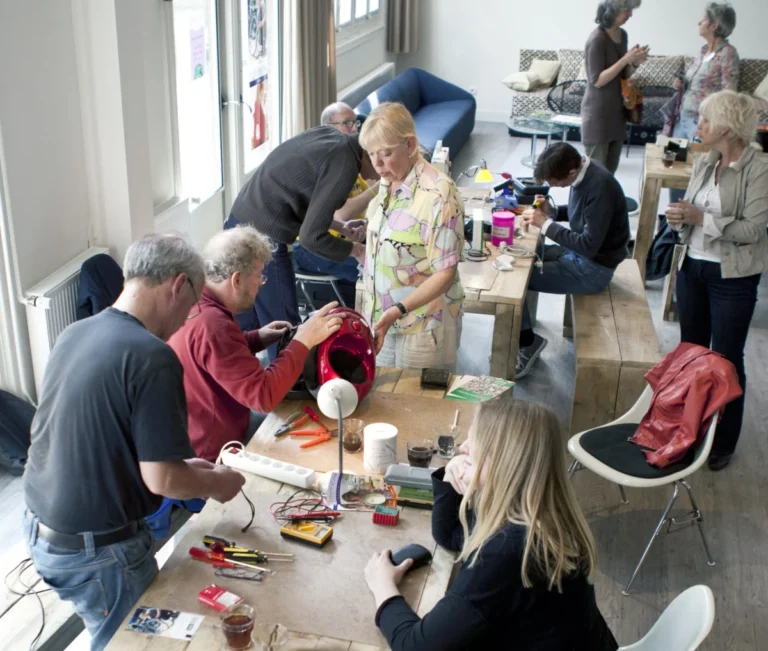
At an open mic, every participant is granted an equal opportunity—typically a set time of 3-5 minutes—to share their work, whatever its form. It could be a poem, a nascent musical piece, a stand-up routine, or simply a personal reflection. There are no algorithms to please, no marketing budgets required, no gatekeepers judging content based on virality potential. People from all walks of life—diverse ages, backgrounds, body shapes, socioeconomic statuses—are welcome to sign up, watch others, and eventually take their turn. The atmosphere is one of shared curiosity and mutual respect for the act of expression itself.
The value of an open mic lies in its inherent fairness, accessibility, and community spirit. It fosters direct human interaction, where the audience is physically present, offering immediate, unfiltered feedback—applause, laughter, silent contemplation. It’s a space where the "shit doesn’t matter anymore" in the sense that external metrics of popularity or commercial viability are stripped away, leaving only the artist, their work, and an engaged audience. This shared physical presence cultivates a sense of genuine connection, a stark departure from the often-transactional and algorithmically mediated interactions online.
While it’s important to acknowledge that the broader "IRL" art world is not universally egalitarian, often burdened by its own set of arbitrary barriers, biases, and commercial influences, the open mic serves as a powerful metaphor. Its greatness stems precisely from its non-commercial nature; performers typically neither make nor spend money, allowing for pure, unadulterated artistic sharing.
Towards a More Equitable Digital Future and the Importance of Physical Presence
The critique of the current internet landscape is not a call to abandon digital spaces entirely, but rather a demand for their fundamental reform. Platforms like Discord, with their relatively flat hierarchies in chat channels, offer a glimpse into how digital interaction can be more equitable, where all participants have a more equal footing in terms of attention and engagement. The aspiration is for the internet to evolve towards an "open mic" model, prioritizing genuine connection and accessible discovery over algorithmic dominance and corporate control.
Achieving such a transformation would require significant political will and coordinated action. Governments would need to reconsider their stance on anti-trust enforcement, potentially breaking up tech monopolies or imposing stricter regulations on platform behavior. New legislation addressing algorithmic transparency, data portability, and interoperability could foster a more competitive and open digital ecosystem. While such changes would undoubtedly be complex and time-consuming, the ongoing debate highlights the urgent need to reclaim the internet’s original promise.
Beyond the digital realm, the discourse also underscores the increasing importance of cultivating and participating in real, physical communities. In an era marked by growing societal divisions and political instability, being physically present in one’s community takes on multifaceted significance. It means being available for collaboration, experiencing inspiring live performances, or offering inspiration to others. More profoundly, it means being an active participant in local social structures, capable of mobilizing and resisting challenges to democratic principles or human rights. The erosion of accessible online public squares elevates the importance of these tangible spaces for fostering social cohesion, mutual support, and collective action, reminding us that genuine connection often begins face-to-face.
The ongoing tension between the internet’s centralized reality and its original, decentralized ideal presents a critical juncture. The choices made by policymakers, tech companies, and individual users will determine whether the digital future further isolates creators and audiences, or if it can be steered back towards a more inclusive, equitable, and human-centric model, echoing the authentic spirit of an open mic night.
About the Author