The creation of art is fundamentally a social endeavor, an activity deeply intertwined with the human desire for connection and validation. Artists typically seek to share their work, elicit engagement, and receive feedback—a resonance that confirms their message has been perceived and valued, even by a single individual. This dynamic mirrors everyday communication: a speaker expects a listener to comprehend, acknowledge, and perhaps respond with mirroring behaviors or follow-up questions, signifying attentiveness and valuing of the discourse. Such engagement is not merely validating; it is also profoundly informative, offering insights when connections are made and constructive challenges when they are not.
The Internet’s Evolving Landscape: From Community to Consolidation
The advent of the internet initially heralded a new era for this social dimension of art. Early iterations, particularly around 2010, fostered an optimistic vision of online communities where creators could achieve widespread discovery and robust interaction. The digital architecture of that period allowed for a more decentralized flow of information and a higher probability of organic engagement for diverse voices. Independent artists, developers, and writers could find audiences with relative ease, cultivating genuine fan bases through direct interaction.
However, over the past decade, this promise has significantly eroded. A series of strategic actions by large technology companies, coupled with a notable lack of regulatory intervention from governments, has transformed the internet into an increasingly "top-heavy" ecosystem. This structural shift means that a progressively smaller number of entities or individuals are capturing a disproportionately large share of attention and engagement. While precise statistical breakdowns vary by platform and sector, the conceptual trend is stark: where once hundreds of thousands of creators might have cultivated modest but dedicated followings of hundreds each, the contemporary landscape often features a mere handful of creators commanding audiences in the hundreds of thousands or even millions. This dynamic of engagement concentration continues to intensify year after year.
The Algorithmic Gatekeepers: A Barrier to Discovery
This shift is largely attributable to the pervasive influence of sophisticated algorithms employed by dominant online platforms. These algorithms, designed primarily to maximize user engagement and advertising revenue, increasingly dictate what content is seen and by whom. Content that does not conform to their optimization parameters, often favoring highly polished, mass-appeal, or commercially backed material, struggles to gain visibility. This creates a significant "algorithmic hurdle" for emerging or niche creators.
Consider the experience of independent game developers. In 2010, a game like "100 Rogues," despite being a debut title with initial bugs and inconsistent artwork, garnered significant community interest. Players created fan art, uploaded gameplay videos, and the developers were frequently featured in interviews by independent gaming websites. This organic success was not predicated on massive marketing budgets or sophisticated promotional strategies but rather on the internet’s then-existing capacity for decentralized discovery and community interaction. Today, a similar title would face immense challenges in breaking through the noise without substantial investment in algorithmic optimization and targeted marketing campaigns.
Corporate Consolidation and the Creative Economy
The algorithmic centralization of attention runs parallel to, and is often exacerbated by, widespread corporate consolidation across various industries. The gaming sector provides a clear illustration: over the last decade, the number of independent game companies has dwindled as major players like Activision, Tencent, and Take-Two have acquired numerous smaller studios. This trend leads to fewer "creators" producing content for a larger segment of the potential player base, further raising the bar for entry and visibility for truly independent ventures.
To achieve prominence as a game developer, Twitch streamer, or online artist in the current environment often requires not only significant financial investment in marketing but also a radical optimization of one’s creative output and promotional strategies for the algorithms, rather than primarily for human connection or artistic integrity. This represents a fundamental shift in the creative process, where the metrics of engagement often supersede the nuances of human experience and authentic expression.
The Unfulfilled Promise of Digital Regulation
It is crucial to recognize that this trajectory was not an inevitable outcome of technological advancement. The current state of the internet is largely a consequence of policy choices, specifically the failure of governments to enforce existing anti-trust laws and introduce new legislation appropriate for the digital age. Early anti-trust frameworks, designed to prevent monopolies and foster competition in traditional markets, were not adequately applied or updated to address the unique power dynamics of digital platforms.
The lack of robust regulatory oversight allowed tech giants to grow unchecked, consolidating power and stifling nascent competition. This inaction effectively dismantled the vision of an early internet characterized by a vibrant "blogosphere," thriving independent communities, functional and unbiased search engines, and genuine content discovery. Digital rights advocates and economists have long warned that this regulatory vacuum would lead to the very concentration of power and algorithmic control that is now evident. These experts argue that proactive measures, such as breaking up dominant platforms, mandating interoperability, or establishing common carrier regulations for core internet services, could have preserved a more open and equitable digital landscape.
The Open Mic: A Paradigm of Equitable Engagement
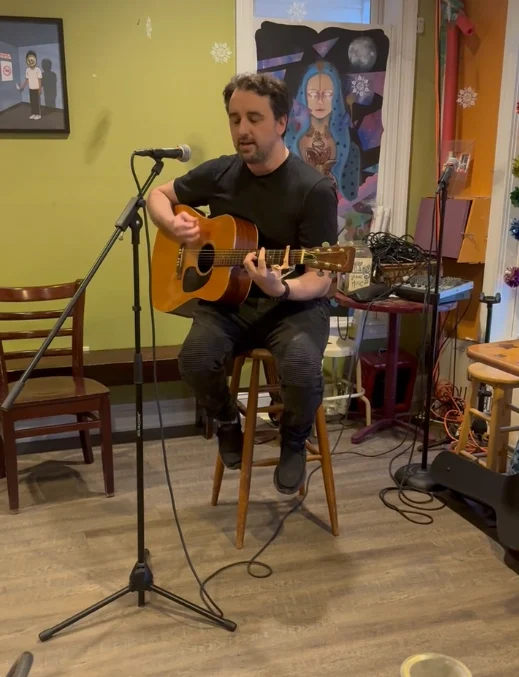
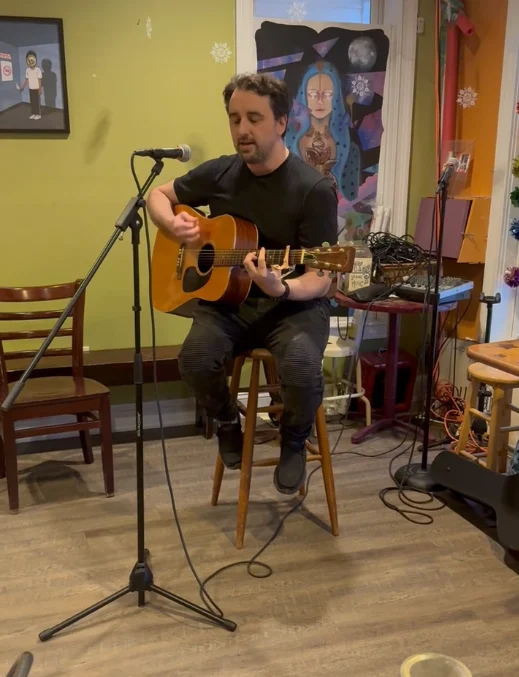
In stark contrast to the algorithm-driven, corporately consolidated online world, physical spaces offer a refreshing alternative for artistic expression and community building. The "open mic" event stands out as a powerful paradigm for equitable engagement, representing almost the antithesis of the 2025 internet experience. In a physical open mic setting—be it in a coffee shop, a community center, or a dedicated performance venue—the "shit" of online optimization simply does not matter. Corporate interference, algorithmic biases, and financial barriers are largely absent.
At an open mic, every participant is typically afforded an equal opportunity—often a fixed time slot of three to five minutes—to share their work. This could range from poetry and musical performances (regardless of skill level) to stand-up comedy or simply sharing personal reflections. The environment is inherently democratic and inclusive, welcoming individuals from all demographics, socioeconomic backgrounds, and artistic proficiencies. There are no algorithms to please, no million-dollar marketing budgets required, and no corporate gatekeepers to appease. The primary commonality among attendees is their shared presence and a spirit of curiosity and mutual support.
While it is true that much of the broader "IRL" art world is replete with its own arbitrary barriers, biases, and financial influences—and can certainly be affected by corporate conglomeration even offline—the open mic exists at a grassroots level, largely untouched by these forces precisely because it is typically not a profit-driven endeavor. The lack of financial stakes for performers paradoxically liberates the space, allowing for pure expression and direct human connection.
The Broader Implications: Community, Collaboration, and Resistance
The growing disillusionment with the online sphere, as articulated by many creators, underscores a broader societal yearning for authentic connection. The call to engage more in real, physical spaces is not merely an artistic preference but a recognition of deeper communal and civic necessities. While the internet will undoubtedly remain an integral part of modern life, the imperative is to advocate for its evolution towards a more equitable, "open mic"-like structure, where all voices have an equal chance to be heard and interact. Platforms like Discord, with their relatively flat hierarchies of communication within specific communities, offer glimpses of how online spaces could function if designed with principles of equality and direct interaction in mind.
Beyond the realm of art, the importance of physical presence takes on heightened significance in an increasingly turbulent socio-political climate. As societal tensions mount and instances of state overreach become more frequent, the act of "being there" in physical communities becomes a critical form of engagement. This presence can foster unexpected collaborations among artists, expose individuals to inspirational performances, or allow one to be an inspiration for others. Crucially, it also means being one more person rooted in a community, positioned to mobilize, organize, and resist against any encroaching authoritarian tendencies. The return to local, tangible spaces is thus not merely a nostalgic retreat from the digital but a proactive embrace of resilient community building, essential for both artistic flourishing and civic participation in an uncertain future. The fight for a more equitable digital landscape must continue, but the undeniable value of direct human interaction in shared physical spaces offers an immediate and powerful antidote to the isolating and consolidating forces of the contemporary internet.
About the Author