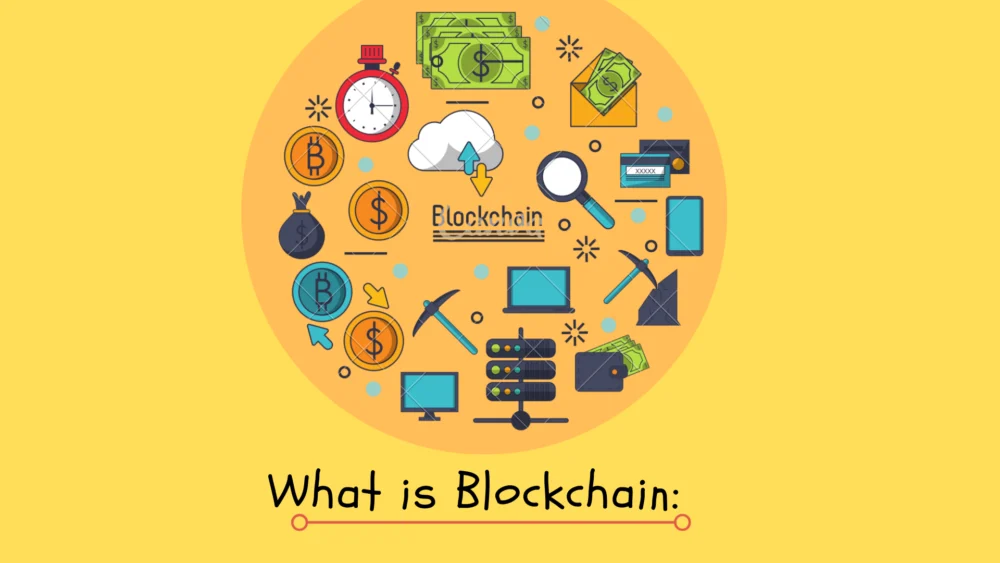
The conventional methods of online payment, often requiring personal information and credit card details, or relying on bank transfers, may soon be relegated to history. The burgeoning field of cryptocurrencies, powered by an underlying technology known as blockchain, is ushering in an era where transactions and data management can occur with unprecedented privacy and autonomy, potentially liberating individuals from the traditional intermediaries of banks and governments. This transformative technology, conceptualized decades ago, is now rapidly evolving and finding applications across a diverse spectrum of industries, promising to reshape how we store, share, and verify information.
The Genesis of Blockchain: From Timestamps to Digital Gold
The foundational principles of blockchain technology can be traced back to 1991, when cryptographers Stuart Haber and W. Scot Stornetta first proposed a system designed to ensure the integrity of digital documents by preventing timestamps from being altered. Their work laid the groundwork for a method of creating a tamper-proof chronological record of data.
A significant evolutionary step occurred in 1998 when software developer Nick Szabo conceptualized "Bit Gold," a digital currency system that employed a similar cryptographic approach to secure transactions. While Szabo’s innovation did not gain widespread adoption at the time, it foreshadowed the potential of distributed ledger technology for financial applications.
The true catalyst for blockchain’s public recognition arrived with the pseudonymous Satoshi Nakamoto, who, in 2008, published the white paper for Bitcoin, the world’s first decentralized cryptocurrency. Nakamoto claimed to have invented the first blockchain, a distributed ledger that underpins Bitcoin and enables secure, peer-to-peer digital transactions without the need for a central authority. The successful implementation and subsequent rise of Bitcoin brought blockchain technology into the global spotlight, sparking widespread interest and research into its broader capabilities.
Understanding the Core: What is a Blockchain?
At its heart, a blockchain is a distributed, immutable digital ledger that records transactions across a network of computers, known as nodes. Imagine a continuously growing list of records, called "blocks," each containing a cryptographic hash of the previous block, a timestamp, and transaction data. These blocks are cryptographically linked together in a chronological chain, creating a secure and transparent record of all activities.
This distributed nature is key to blockchain’s security and resilience. Instead of residing in a single, central location, the ledger is replicated and synchronized across numerous computers on the network. This redundancy ensures that no single point of failure exists, and any attempt to tamper with data on one node would be immediately apparent and rejected by the rest of the network.
The fundamental innovation of blockchain lies in its ability to guarantee the fidelity and security of data without requiring a trusted third party. This decentralization removes the reliance on intermediaries like banks or payment processors, empowering users with greater control over their digital assets and information.
The Mechanics of Blockchain: A Step-by-Step Exploration
To grasp how blockchain functions, consider a simplified process:
- Transaction Initiation: A user initiates a transaction, such as sending cryptocurrency or recording data.
- Transaction Broadcasting: This transaction is broadcast to a network of computers (nodes).
- Validation: Network participants, often referred to as miners or validators, verify the legitimacy of the transaction based on predefined rules and protocols. This validation process can involve complex cryptographic computations.
- Block Creation: Validated transactions are bundled together into a new "block."
- Cryptographic Linking: This new block is then cryptographically linked to the preceding block in the chain. This linking is achieved by including a unique digital fingerprint (hash) of the previous block within the new one.
- Distribution and Consensus: The newly formed block is added to the existing blockchain, and this updated ledger is distributed across all participating nodes in the network. A consensus mechanism ensures that all nodes agree on the validity of the new block and the state of the ledger.
- Immutability: Once a block is added to the chain and confirmed by the network, it becomes virtually impossible to alter or delete without the consensus of the majority of the network participants, rendering the data immutable.
This intricate yet efficient process, powered by advancements in computing power and network infrastructure, can often be completed within minutes, with expectations of even faster transaction times as the technology continues to mature.
Beyond Cryptocurrency: Diverse Applications of Blockchain Technology
While blockchain technology first gained prominence as the backbone of cryptocurrencies like Bitcoin and Ethereum, its applications extend far beyond the realm of digital finance. Its inherent characteristics of transparency, security, and immutability make it a powerful tool for a wide array of industries seeking to enhance data integrity and operational efficiency.
One of the most compelling real-world applications is in supply chain management. Companies are increasingly adopting blockchain to create transparent and traceable records of their products’ journeys from origin to consumer. For instance, IBM’s Food Trust platform utilizes blockchain to track food items, providing unprecedented visibility into their provenance. This is particularly critical in industries where food safety is paramount. In cases of contamination, such as E. coli or Salmonella outbreaks, or accidental introduction of allergens like peanuts, tracing the source of the issue can be a months-long, arduous process. Blockchain enables companies to pinpoint the exact location and origin of affected products almost instantaneously, allowing for rapid response, recall efficiency, and ultimately, the prevention of future hazards. This granular tracking not only bolsters consumer confidence but also allows for swift action in mitigating public health risks.
Beyond food, blockchain is being explored for:
- Healthcare: Securely storing and sharing patient medical records, ensuring privacy and accessibility for authorized parties while preventing unauthorized access.
- Finance: Streamlining cross-border payments, reducing transaction fees, and enhancing the security of financial settlements.
- Voting Systems: Creating more transparent and secure election processes, reducing the potential for fraud and increasing voter confidence.
- Intellectual Property: Protecting copyrights and digital rights by providing an immutable record of ownership and usage.
- Real Estate: Facilitating secure and transparent property transactions, reducing paperwork and the risk of fraud.
- Digital Identity: Empowering individuals with greater control over their personal data and enabling secure digital identity verification.
Major corporations like Walmart, AIG, Siemens, Pfizer, and Unilever are already investing in and piloting blockchain solutions, recognizing its potential to disrupt traditional business models and create new efficiencies.
The Power of Decentralization: Security and Resilience
A cornerstone of blockchain’s appeal is its decentralized nature. Unlike traditional centralized databases, which are vulnerable to single points of failure and targeted attacks, blockchain distributes data across a vast network of nodes.
Consider the scenario where a single, centralized database is compromised. Sensitive personal information could be leaked, leading to identity theft or financial loss. Blockchain technology mitigates this risk by ensuring that data is not stored in one place. If one node experiences a technical issue or is targeted by malicious actors, the integrity of the entire network remains intact because other nodes hold identical, verified copies of the ledger.
This redundancy means that if one node displays incorrect information due to a malfunction or attempted manipulation, the network can cross-reference it with the majority of other nodes, which hold the correct, consistent data. This process is known as decentralization, and it forms the bedrock of blockchain’s security and reliability.
Furthermore, blockchain guarantees the authenticity and irreversibility of data. This means that once information is recorded on the blockchain and validated by the network, it cannot be easily altered or deleted. This feature is invaluable for storing sensitive and critical data, such as legal contracts, government identification documents, or a company’s inventory records, where accuracy and permanence are paramount.
Navigating the Blockchain Landscape: Advantages and Challenges
Like any transformative technology, blockchain presents a distinct set of advantages and disadvantages that warrant careful consideration.
Advantages of Blockchain Technology:
- Enhanced Security: The cryptographic nature and distributed architecture make it highly resistant to fraud and tampering.
- Transparency: Transactions recorded on a public blockchain are visible to all participants, fostering trust and accountability.
- Immutability: Once data is recorded, it cannot be altered or deleted, ensuring the integrity of records.
- Decentralization: Eliminates reliance on central authorities, reducing single points of failure and control.
- Efficiency: Can streamline processes, reduce intermediaries, and accelerate transaction times, especially in cross-border transactions.
- Traceability: Enables the tracking of assets and data throughout their lifecycle, crucial for supply chains and audits.
Disadvantages and Challenges:
- Scalability: Some blockchain networks, particularly older ones, struggle to handle a high volume of transactions quickly, leading to potential bottlenecks and higher fees.
- Energy Consumption: Certain consensus mechanisms, like Proof-of-Work used by Bitcoin, are energy-intensive, raising environmental concerns. Newer mechanisms like Proof-of-Stake aim to address this.
- Complexity: Understanding and implementing blockchain technology can be challenging, requiring specialized expertise.
- Regulatory Uncertainty: The regulatory landscape for blockchain and cryptocurrencies is still evolving in many jurisdictions, creating uncertainty for businesses and investors.
- Irreversibility of Errors: While immutability is an advantage, it also means that errors or fraudulent transactions, once confirmed, are extremely difficult to reverse.
- Initial Investment: Developing and integrating blockchain solutions can require significant upfront investment in technology and talent.
Frequently Asked Questions About Blockchain Technology
As blockchain technology continues to permeate various sectors, several common questions arise among the public and industry professionals.
Is Blockchain a Cryptocurrency?
No, blockchain is not a cryptocurrency. Rather, it is the underlying technology that makes cryptocurrencies possible. It functions as a distributed digital ledger that securely and transparently records every transaction associated with a particular cryptocurrency. Think of blockchain as the operating system, and cryptocurrency as an application running on it.
Is it Possible for Blockchain to Be Hacked?
While theoretically possible, hacking a well-established blockchain network is an extraordinarily difficult undertaking. The decentralized nature, coupled with robust cryptographic algorithms and constant network oversight by a multitude of users, makes it highly improbable for a single entity to gain control and manipulate the ledger. Significant computational power and coordinated effort would be required to overcome the consensus mechanisms of most major blockchains.
What is the Most Prominent Blockchain Company?
Defining the "most prominent" blockchain company can be subjective and depends on the criteria used (e.g., market capitalization, innovation, user base). However, companies like Coinbase Global are widely recognized as major players in the blockchain ecosystem. Coinbase operates a significant infrastructure for trading, custody, and services related to digital currencies, playing a crucial role in the digital currency economy. Other influential companies include those developing blockchain platforms, such as Ethereum Foundation and ConsenSys, and those implementing blockchain solutions across industries.
Who Owns Blockchain?
Blockchain, as a decentralized technology, does not have a single owner. It is a distributed system of interconnected nodes, where each node can be any electronic device participating in the network. Ownership is effectively distributed among the network participants who contribute to its operation and maintenance.
What is the Difference Between Bitcoin and Blockchain Technology?
The distinction is fundamental: Bitcoin is a cryptocurrency, one of the first and most well-known digital currencies. Blockchain technology is the distributed ledger system that powers Bitcoin and many other cryptocurrencies. Bitcoin utilizes blockchain to record all its transactions in a secure and transparent manner, while blockchain is the broader technological framework that enables such a system to function without a central authority.
What is the Difference Between Blockchain and a Traditional Database?
While both store data, their architecture and operational principles differ significantly:
- Database: Typically uses a client-server architecture where data is stored and managed in a centralized location. Authorized users can view, add, modify, or delete information. This makes them vulnerable to single points of failure and manipulation by administrators.
- Blockchain: Employs a distributed ledger system where data is replicated across multiple nodes. Each block is cryptographically linked to the previous one, and once data is added and validated by the network, it becomes virtually immutable. Modification is extremely difficult, and control is decentralized, eliminating the risk of unilateral data alteration by a single party.
The Future Trajectory of Blockchain Integration
The integration of blockchain technology across diverse industries is not a matter of if, but when and how extensively. Over the next five to ten years, it is highly probable that blockchain will become an indispensable component of operations in sectors ranging from finance and healthcare to logistics and governance. While initial adoption may be met with caution due to unfamiliarity and perceived complexity, the demonstrable benefits of enhanced security, transparency, and efficiency are poised to drive widespread adoption. As individuals, businesses, and governments become more comfortable with the technology and recognize its potential to revolutionize data management and digital interactions, leaders across all spheres will undoubtedly leverage blockchain to gain a competitive edge and foster innovation. The ongoing advancements in scalability, energy efficiency, and user-friendliness suggest a future where blockchain is not just a niche technology but a foundational element of the digital economy.
About the Author