Ludum Dare 56, a prominent global game jam event, concluded its intensive development period on October 7, 2024, leaving in its wake a vast collection of innovative games crafted under the evocative theme "Tiny Creatures." Participants were challenged to conceptualize, develop, and submit their games within either a stringent 48-hour Compo deadline or a more forgiving 72-hour Jam timeframe. The digital storefront and community platform itch.io has since become a central repository for these creations, with over 800 games tagged Ludum Dare 56 appearing on the site within the two weeks following the event. Recognizing the sheer volume and quality of submissions, itch.io has published a second installment of its recommendations, spotlighting further exemplary titles that uniquely interpreted the core theme. This comprehensive overview delves into the event’s background, the creative challenges it posed, and a detailed exploration of the highlighted games, offering insights into the vibrant independent game development scene.
The Enduring Legacy of Ludum Dare
Ludum Dare, Latin for "to give a game," stands as one of the longest-running and most influential game jam events globally. Initiated in April 2002 by Geoff Howland, it quickly evolved from a small, informal gathering of developers into a bi-annual, highly anticipated event that draws thousands of participants from around the world. The core philosophy of Ludum Dare is to foster creativity, encourage rapid prototyping, and build a strong sense of community among game developers, regardless of their experience level.
The event operates primarily in two categories: the Compo and the Jam. The Compo, a solo endeavor, demands that developers create all assets (art, code, music, sound effects) from scratch within a tight 48-hour window. This category emphasizes individual skill, efficiency, and raw creative output. The Jam, conversely, allows for teams and the use of pre-existing assets, extending the development period to 72 hours. This format encourages collaboration, diverse skill sets, and a slightly more polished final product. Both categories culminate in a voting period where participants play and rate each other’s games, providing valuable feedback and celebrating collective achievement. This peer-review process is a cornerstone of Ludum Dare, ensuring a high level of engagement and constructive criticism within the community.
Over its two-decade history, Ludum Dare has been instrumental in launching countless indie games, fostering new talent, and popularizing experimental game mechanics. Its consistent structure and accessible nature have made it a vital incubator for innovation in the independent game sector. The event’s consistent growth, marked by ever-increasing submission numbers—often exceeding 2,000 games per iteration—underscores its continued relevance and impact on the global game development landscape.
"Tiny Creatures": A Theme of Scale and Perspective
The theme for Ludum Dare 56, "Tiny Creatures," was announced at the commencement of the event on October 4, 2024. This theme presented developers with a broad yet specific canvas, inviting interpretations that could range from literal depictions of miniature organisms to metaphorical explorations of small-scale impact or overlooked elements. The beauty of such a theme lies in its versatility, prompting creators to consider not just the physical size of characters or entities, but also the relative scale of their worlds, the magnitude of their problems, or the influence of seemingly insignificant actions.
Developers could choose to focus on insects, microscopic life, or fantastical diminutive beings. They might also interpret "tiny" in terms of scope—a small game world, a focused narrative, or creatures with limited power but significant collective impact. This inherent flexibility encourages diverse genres, from survival and simulation to puzzle-solving and exploration, all unified by a central concept. The "Tiny Creatures" theme challenged participants to think creatively about perspective, environment interaction, and the unique gameplay opportunities that arise when operating on a reduced scale.

Itch.io’s Curatorial Role in Showcasing Innovation
Itch.io, renowned for its developer-friendly policies and its role as a hub for independent games, plays a crucial part in the post-Ludum Dare ecosystem. By providing an accessible platform for submission and discovery, it ensures that the innovative output of game jams reaches a wider audience. The platform’s tagging system allows users to easily navigate the vast library of games, including those from specific jams like Ludum Dare 56.
The decision by itch.io to publish a second set of recommendations speaks volumes about the quality and quantity of submissions for Ludum Dare 56. Typically, a single highlight reel suffices, but the sheer volume of compelling interpretations of the "Tiny Creatures" theme necessitated further curation. This proactive approach by itch.io not only shines a light on deserving projects but also reinforces the platform’s commitment to nurturing and promoting the indie game development community. Such curated lists are invaluable for both players seeking novel experiences and developers looking for inspiration and recognition.
Featured Games: A Panorama of "Tiny Creatures" Interpretations
The second wave of itch.io’s Ludum Dare 56 recommendations showcases a remarkable array of creative interpretations and technical achievements. Each game, developed under significant time constraints, offers a unique lens through which to explore the "Tiny Creatures" theme.
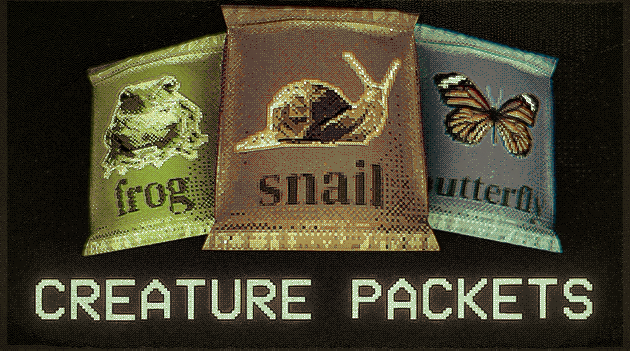
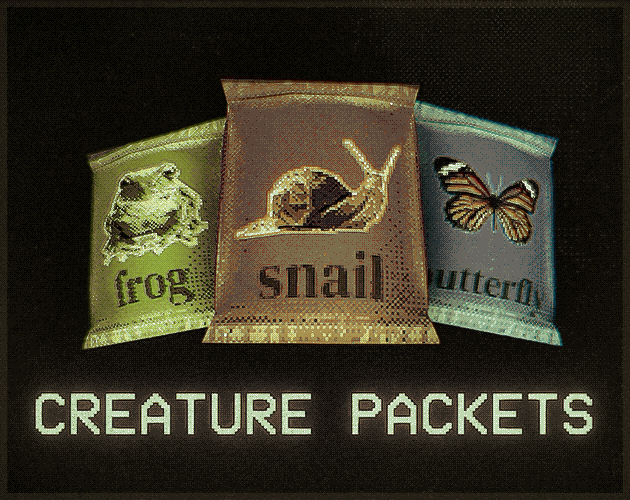
Creature Packets by Kenforest, available for Windows, immerses players in a PS1-era styled world of peculiar culinary experimentation. The game centers around "cooking" tiny creatures by activating them from packets using a microwave. The twist arrives with a blender, which allows players to explore new substance packages and, consequently, discover and cook even more exotic creatures. This title brilliantly subverts the theme, turning "tiny creatures" into ingredients for a whimsical, slightly unsettling, cooking simulator. The aesthetic choice of PS1 graphics adds a layer of nostalgic charm, enhancing its unique premise.
Build The Sun by Punkcake, compatible with Windows, macOS, and Linux, is a pixel-art god game that embodies the theme through a grand narrative of scale. Players begin with a humble fire and, through exploration, settlement, and expansion, gather resources to nurture their nascent world. The ultimate goal is to upgrade this fire until it blossoms into a celestial body—the Sun itself. Here, "tiny creatures" might refer to the initial state of the world or the small inhabitants being guided, whose collective efforts contribute to a monumental cosmic transformation. The game’s progression from micro to macro scale is a clever interpretation of the theme’s implications.
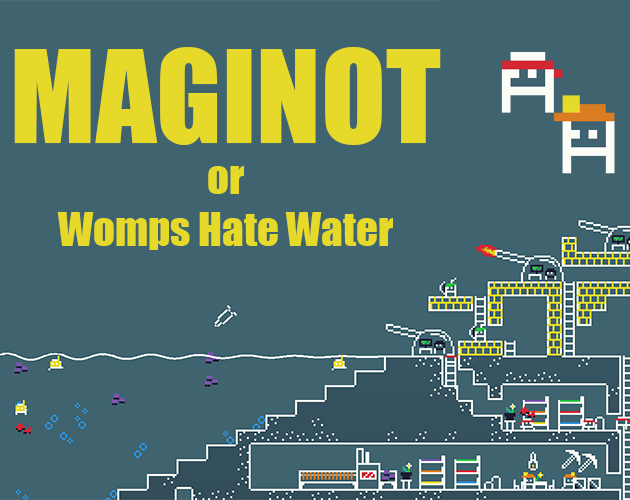
Maginot by VFQD, a browser-playable incremental colony builder, presents a persistent struggle against the overwhelming power of the sea. Players dig deep for minerals, establish and expand their colony, and attract new "Womps"—presumably the tiny creatures of this world. The long-term objective is to "obliterate the sea," a daunting task that highlights the collective strength of these small beings against a vast, destructive force. The incremental nature of the game emphasizes the slow, steady progress of tiny efforts accumulating into significant impact, perfectly aligning with the theme.
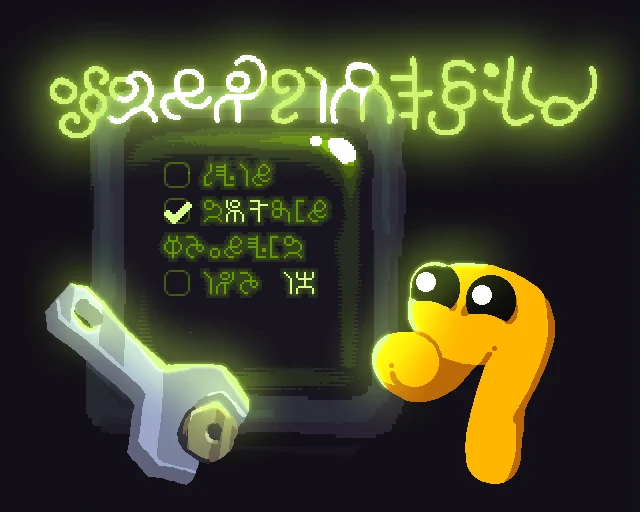
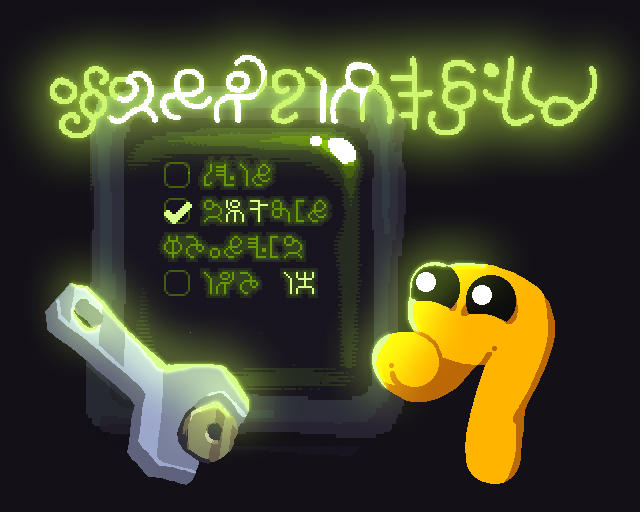
Headquarters by Yogurtthehorse, available for browser, Windows, Linux, and macOS, offers a mysterious point-and-click simulation. While the connection to "Tiny Creatures" isn’t immediately obvious from the description, the game challenges players to decipher an unknown alphabet. This could imply a focus on minute details, a microscopic language, or perhaps the player character themselves operating on a small scale within a larger system. Point-and-click games often thrive on intricate environmental puzzles, which could involve interacting with tiny elements or understanding hidden, miniature mechanisms.
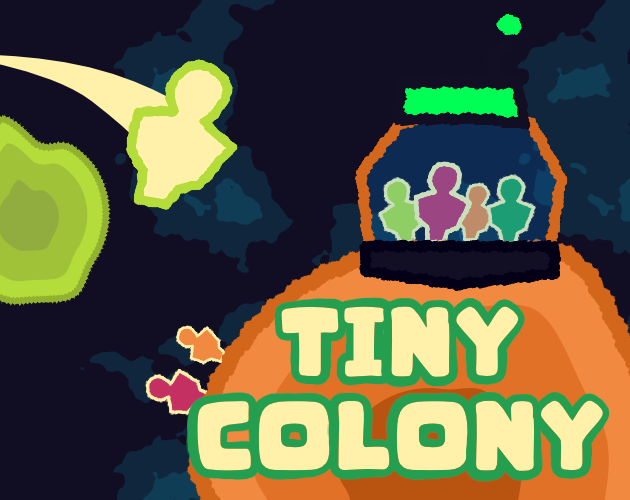
Tiny Colony by MrEliptik, playable in browser and available for Windows, Linux, and Android, takes the theme into the cosmic realm. Players colonize planets by launching their tiny creatures at high velocity using an interplanetary slingshot system. The core mechanic involves leveraging planetary gravity to navigate the void, avoiding obstacles, and successfully landing new colonists. This game literally places "tiny creatures" in a vast, dangerous universe, making their journey and survival a testament to their resilience and the player’s strategic prowess in manipulating celestial mechanics.
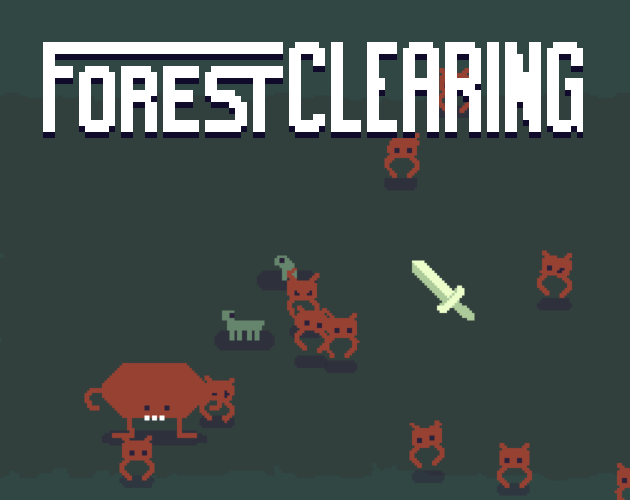
FOREST CLEARING by Jefvel, accessible in browser and for Windows, presents a darkly humorous take on protection and resource management. Players must protect their "small friends" in a forest, wielding a sword to defend them. However, a grim twist allows for the harvesting of these very friends for meat, which can then be used to purchase upgrades upon inevitable death. This brutal cycle explores the fragility of tiny life and the desperate measures taken for survival and progression, even if it means sacrificing the very creatures one is meant to protect. The duality of protection and exploitation offers a unique ethical dilemma within the "Tiny Creatures" context.
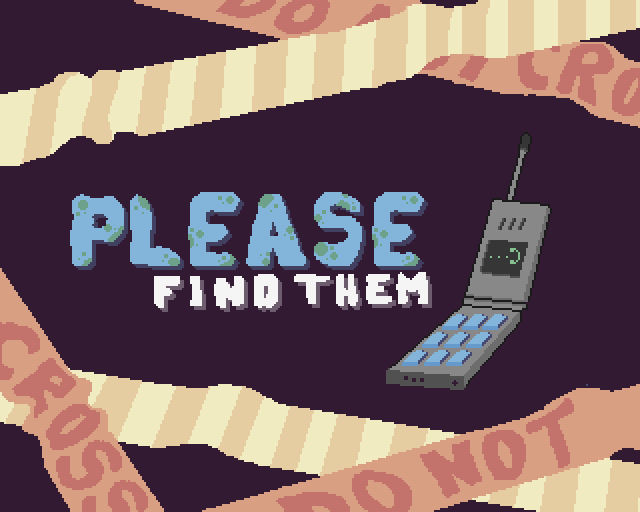
Please Find Them by AdamLenglen, a browser-based hidden object game, directly engages with the theme by casting players as an exterminator. The objective is to locate small creatures that have inexplicably shrunk within people’s houses. This literal interpretation grounds the game in a familiar domestic setting, but the altered scale transforms everyday environments into elaborate hidden object puzzles. The challenge lies in spotting the minute details and displaced creatures, requiring keen observation and a patient approach.
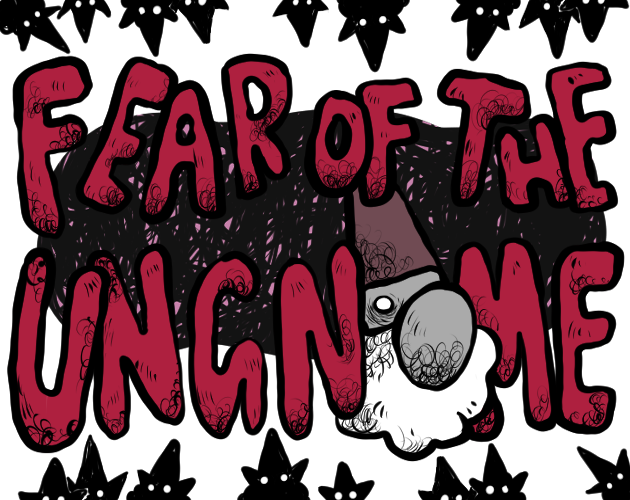
Fear of the Ungnome by Scottts, playable in browser and available for Windows, is a first-person exploration and puzzle game with procedurally generated elements. The quest involves finding a Great Aunt’s elusive gnome. Gnomes, by their very nature, are often depicted as small, elusive creatures, living in hidden spaces. The procedural generation adds replayability and unpredictability to the search, emphasizing the challenge of locating a tiny, cleverly concealed entity within ever-changing environments.
Mini Beasts by Cassowary, a browser-playable puzzle game, offers a more abstract and systemic interpretation of the theme. Players rearrange critters to match their colors, focusing on logical spatial manipulation of small, distinct entities. This game highlights the "tiny" aspect through its focus on individual, manageable units within a structured puzzle environment, where each "mini beast" contributes to a larger pattern or solution.
Vox Regis by Sheepolution, available in browser, Windows, macOS, and Linux, presents a medieval strategy game with an innovative twist: voice control. Players embody the king, tasked with creating chaos to keep rebellious groups "small in size." By using their voice to "lay blame on factions," players manipulate the populace to maintain their rule. Here, "tiny creatures" are not literal organisms but rather the nascent, potentially rebellious factions within the kingdom, whose power must be kept in check. The game brilliantly uses the theme to explore political manipulation and the maintenance of power by controlling the "small" elements of society.
The Broader Impact and Implications of Game Jams
The success of Ludum Dare 56, as evidenced by the sheer volume and diverse quality of its submissions, underscores the continued vitality of game jams as a crucial component of the independent game development ecosystem. These events serve multiple critical functions:
- Incubator for Innovation: The strict time limits and open-ended themes force developers to think creatively, experiment with unconventional mechanics, and prioritize core gameplay loops. This environment often leads to novel game concepts that might not emerge from longer, more structured development cycles.
- Skill Development and Learning: For many participants, game jams are a hands-on learning experience. Developers hone their coding, art, sound design, and project management skills under pressure. They learn to make quick decisions, scope projects effectively, and collaborate efficiently.
- Community Building: Ludum Dare fosters a strong global community. The shared challenge, peer feedback, and mutual support create connections among developers, leading to collaborations and mentorship opportunities.
- Rapid Prototyping: Jams are excellent for quickly testing new ideas or technologies. A concept that might take months to prototype in a commercial setting can be iterated upon and tested within days during a jam.
- Discoverability and Exposure: Platforms like itch.io amplify the reach of jam games, providing visibility to emerging talent and unique projects that might otherwise go unnoticed in the saturated game market.
The "Tiny Creatures" theme, in particular, proved to be a fertile ground for imaginative interpretations, demonstrating the power of a well-chosen prompt to inspire a wide range of creative outcomes. From microscopic culinary adventures to cosmic colonization and medieval political intrigue, the games showcased in itch.io’s recommendations highlight the incredible ingenuity present within the indie development community.
As the voting period for Ludum Dare 56 concludes and official results are tallied, the impact of this particular event will continue to resonate. Many of these jam games, initially created as prototypes, may evolve into full-fledged commercial titles, further contributing to the rich tapestry of independent gaming. The ongoing engagement from platforms like itch.io ensures that these creative endeavors receive the recognition they deserve, fostering a dynamic environment where "tiny" ideas can grow into significant achievements. The diverse collection of games from Ludum Dare 56 stands as a testament to the boundless creativity unleashed when developers are given a simple theme and a challenging deadline.
About the Author