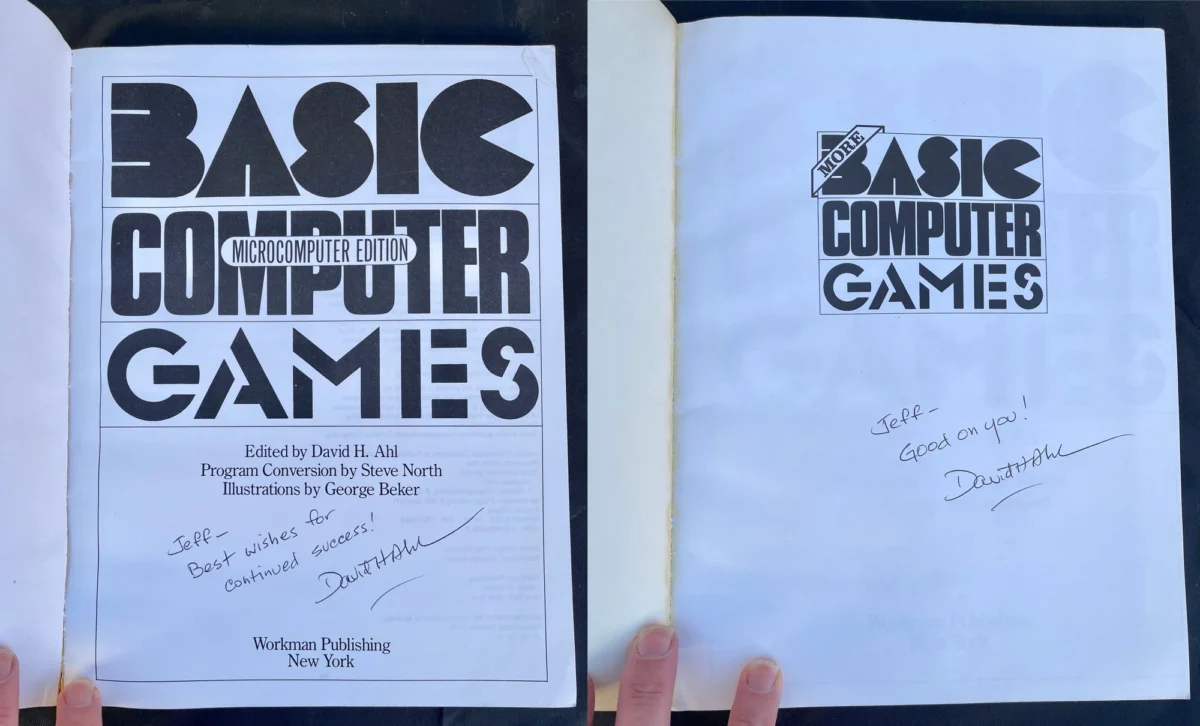
Renowned technologist and author Jeff Atwood, known for his influential blog "Coding Horror," has launched a significant open-source initiative aimed at digitally preserving and modernizing "101 BASIC Computer Games," a foundational text in computing history. This ambitious project seeks to translate the iconic programs from their original BASIC language into ten contemporary, memory-safe scripting languages, fostering a collaborative effort reminiscent of the communal spirit of early computing while embracing modern programming paradigms. The endeavor not only pays homage to a book credited with shaping an entire generation of programmers but also serves as a practical educational tool and a testament to digital preservation.
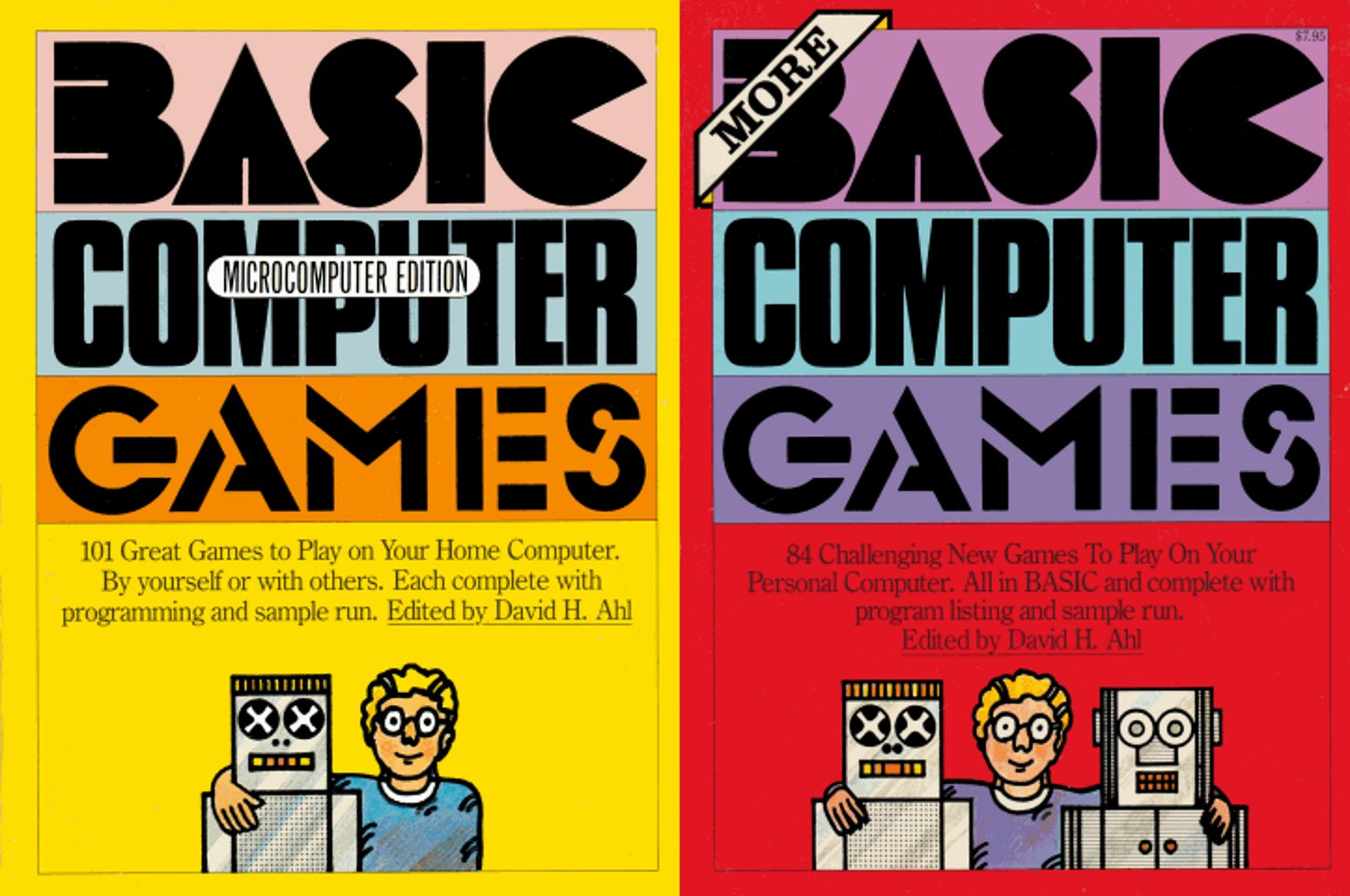
The Genesis of a Digital Legacy: "101 BASIC Computer Games"
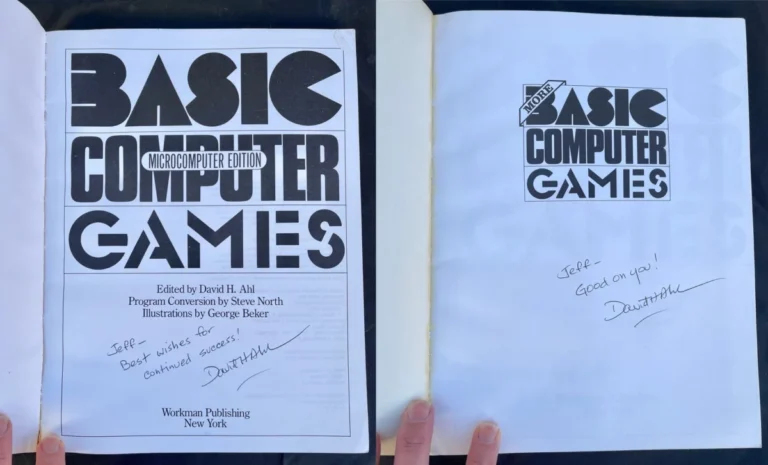
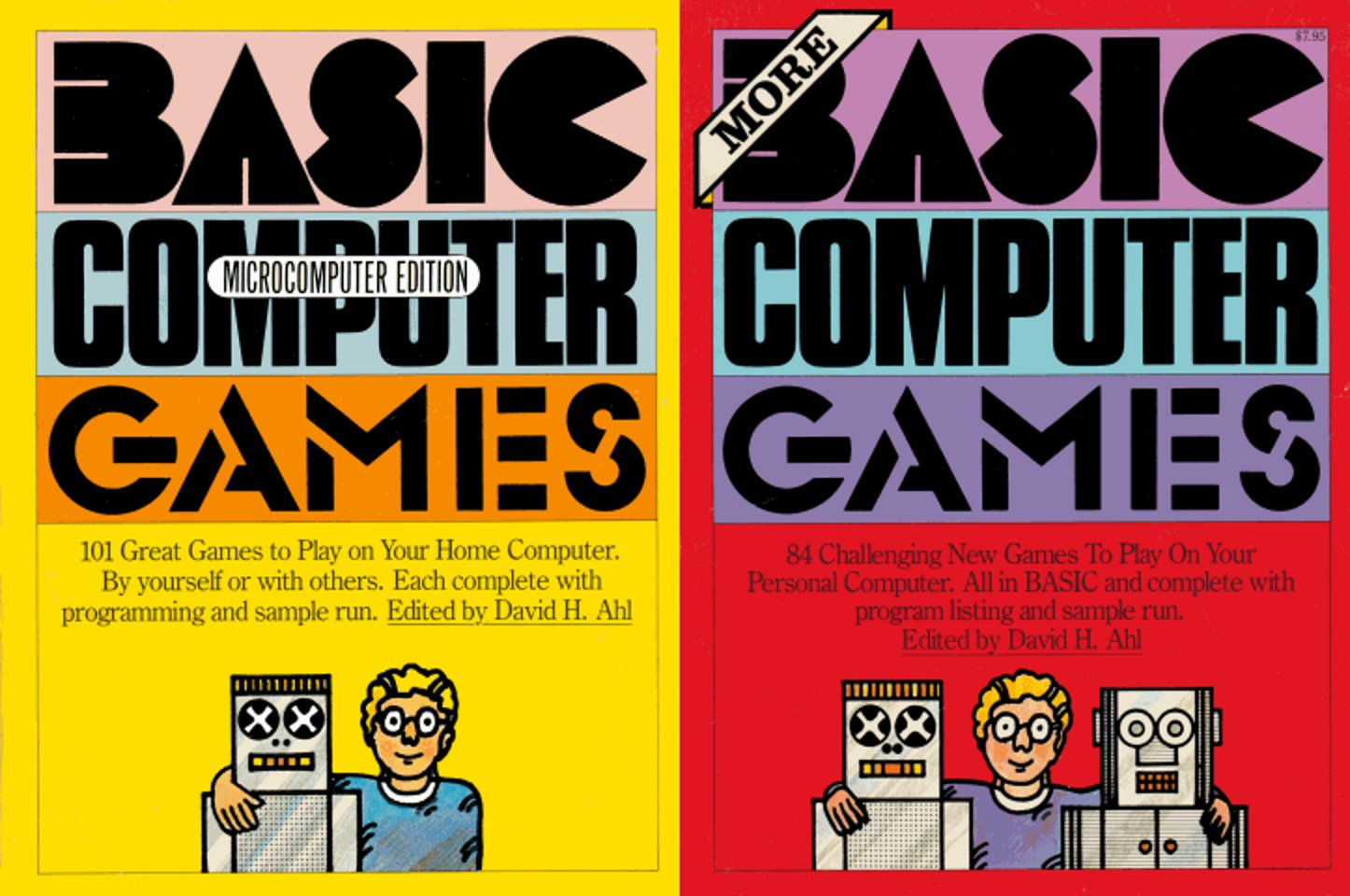
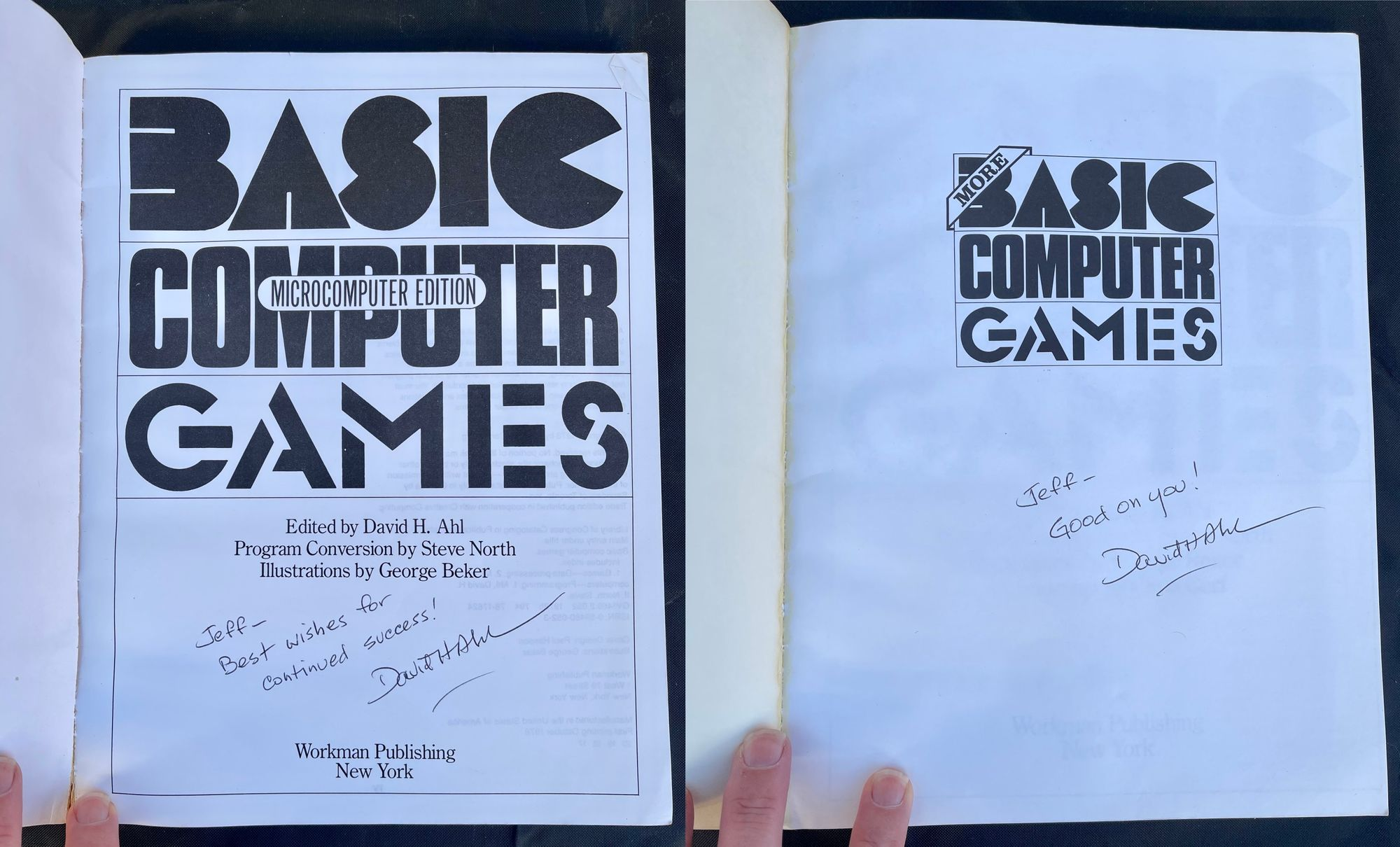
Published initially in 1973 by David H. Ahl, "101 BASIC Computer Games" swiftly transcended its humble beginnings to become a cultural phenomenon. Ahl, then at Digital Equipment Corporation (DEC), compiled a collection of games written in BASIC, a high-level programming language designed for ease of use. The book was a revelation, offering a tangible entry point into the nascent world of computer programming. Its impact was so profound that, at one point, more copies of "101 BASIC Computer Games" were in print than there were personal computers globally. This remarkable sales figure — eventually exceeding one million copies, making it the first computer book to achieve such a milestone — underscores its unparalleled influence on early enthusiasts and aspiring developers.
The historical context of the book’s release is crucial to understanding its significance. In the early 1970s, computers were largely mainframe behemoths, inaccessible to the general public. Personal computers were still a futuristic concept for most. Users who did interact with these machines typically faced a stark command-line interface, devoid of the graphical environments and intuitive applications prevalent today. Programming was not merely an option but often a necessity to make a computer "do anything." Users would painstakingly type programs line by line, often directly from printed books, a process fraught with the potential for typographical errors that could render hours of work futile. "101 BASIC Computer Games" provided these early adopters with readily available, engaging programs to input, play, and, crucially, modify, thereby demystifying the act of programming.

David H. Ahl and the "Creative Computing" Era
David H. Ahl’s contributions to popularizing computing extended far beyond his seminal book. He was a visionary who understood the potential of personal computers long before they became commonplace. After leaving DEC, Ahl founded "Creative Computing Magazine" in 1974, another pivotal platform that nurtured the burgeoning computer hobbyist community. The magazine served as a vital resource, publishing articles, tutorials, and, significantly, more BASIC programs, further solidifying Ahl’s role as a pioneer in making computing accessible.
Ahl’s entrepreneurial spirit and dedication were evident in the early days of "Creative Computing." Faced with limited capital, he famously invested "sweat equity," personally editing articles, writing content, designing layouts, and managing distribution. His audacious decision to print 8,000 copies of the first issue with only 600 subscribers, distributing the unsolicited copies to libraries and schools, proved instrumental in seeding interest in personal computing across the nation. This grassroots effort played a critical role in laying the groundwork for the personal computer revolution that would fully blossom in the 1980s with machines like the Apple II, Commodore PET, and TRS-80. Jeff Atwood himself acknowledges a deep admiration for "Creative Computing," noting its influence even if it slightly predated his most active programming years.
The Imperative for Modernization
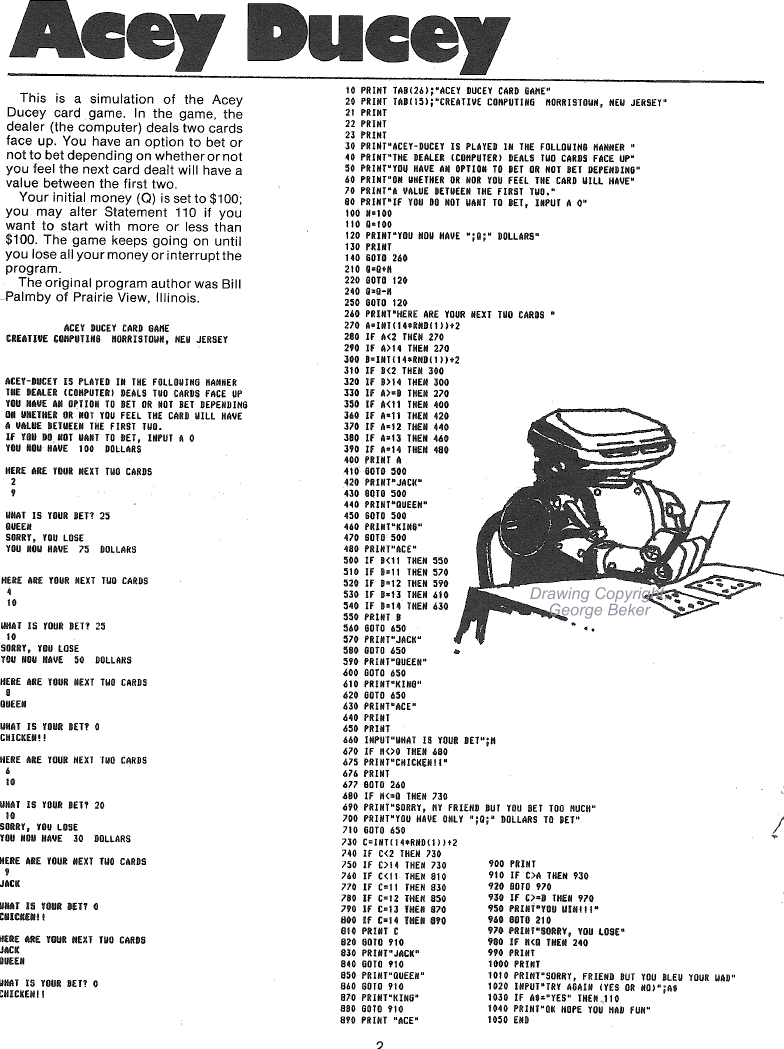
Despite the profound historical value of these early BASIC programs, their direct relevance to contemporary programming practices has waned. The original BASIC, while revolutionary for its simplicity, lacked many structural elements considered fundamental today. Programs were often characterized by extensive use of line numbers and GOTO statements, leading to "spaghetti code" that was difficult to read, debug, and maintain. The absence of easily implemented subroutines, which Atwood emphatically describes as "the greatest invention in computer science," meant repetitive code blocks and a lack of modularity.
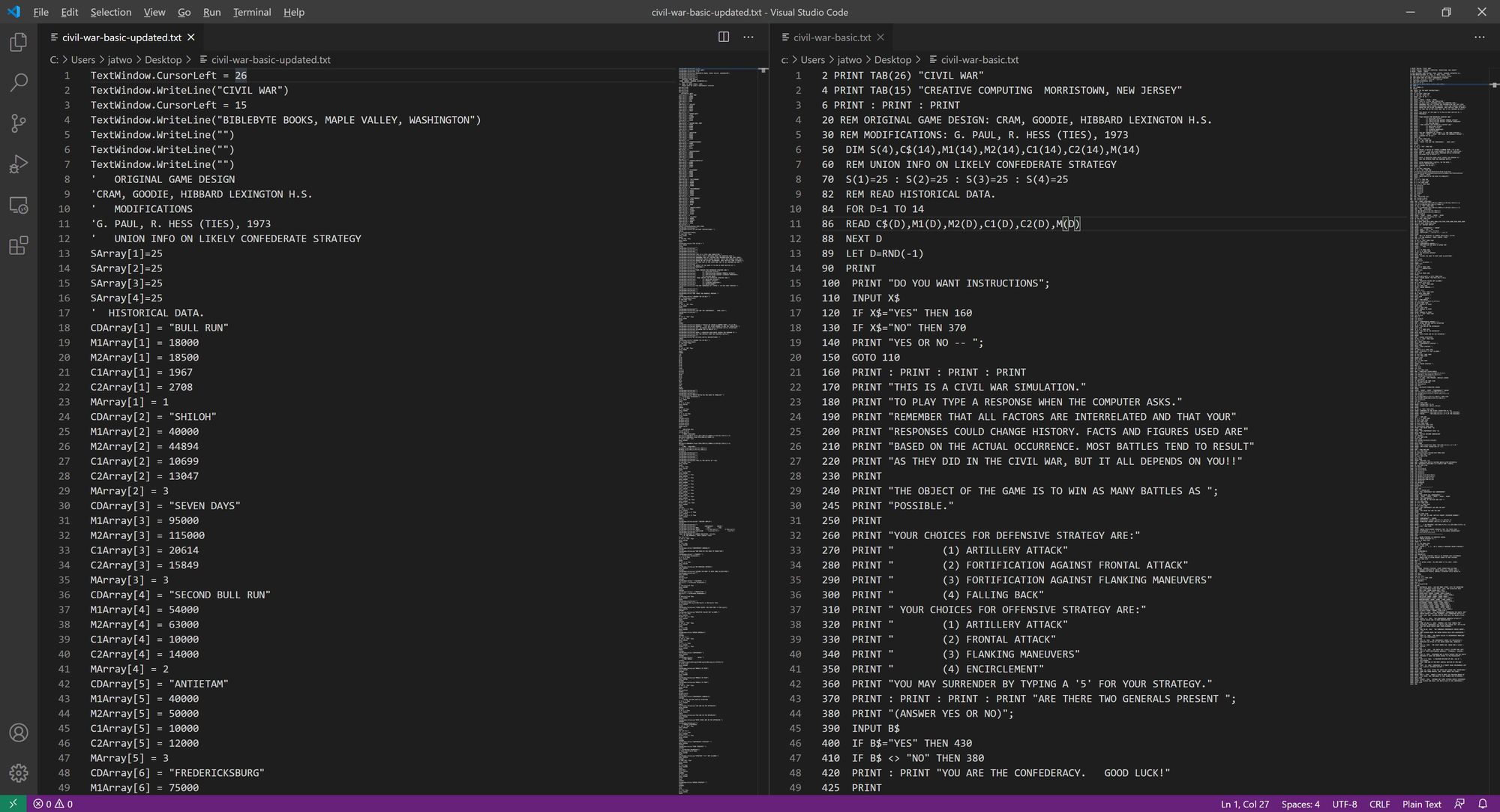
A previous attempt in 2010 to "modernize" these programs using SmallBasic, while well-intentioned, largely fell short of truly updating them for modern contexts. These ports often merely stripped away line numbers without introducing fundamental structural improvements or contemporary programming paradigms. Comparing the original 1973 BASIC "Civil War" game with its 2010 SmallBasic counterpart reveals that while syntax might have been cleaned up, the underlying architectural deficiencies remained unaddressed. This highlighted a clear need for a more comprehensive and principled approach to modernization.

Jeff Atwood’s Vision: A Collaborative Digital Preservation Project
Recognizing this gap, Jeff Atwood conceived the current project with a clear vision: to truly bring "101 BASIC Computer Games" into the 21st century. This involved seeking and successfully obtaining permission from David H. Ahl himself, a crucial step that legitimizes the endeavor and ensures respect for the original work. The project is hosted on GitHub, embodying the collaborative and open-source ethos that defines modern software development.
The core of Atwood’s initiative is the translation of these 101 games into ten carefully selected, memory-safe, general-purpose scripting languages. The initial list included Python, Ruby, JavaScript, C#, Go, PHP, Swift, and Java, with subsequent updates replacing Java with Kotlin (due to its modern features and JVM compatibility), Pascal with Rust (for its robust memory safety guarantees), and adding Lua (recognizing its growing popularity and suitability as a scripting language). This diverse selection reflects the contemporary programming landscape, offering a wide array of choices for contributors and demonstrating how fundamental algorithms can be expressed across different linguistic paradigms.
The emphasis on "memory-safe languages" is a critical aspect of this modernization. Modern software development prioritizes security and stability, and languages that inherently manage memory (e.g., through garbage collection or strict borrowing rules like Rust) reduce common vulnerabilities and programming errors. Furthermore, the project aims to introduce modern programming practices, most notably the widespread adoption of subroutines (functions/methods). This transformation moves the programs away from the linear, GOTO-laden style of original BASIC towards structured, modular code, making them more understandable, maintainable, and reflective of current best practices.
Community Engagement and Philanthropic Impact
The project is designed as a fundamentally collaborative undertaking. Atwood likens it to a global, simultaneous "typing party," a stark contrast to the solitary experience of typing code from a book in the 1980s. This open-source model leverages the collective expertise of the programming community, inviting contributions from developers worldwide. The GitHub repository serves as the central hub for contributions, discussions, and the evolution of the modernized games.
To further incentivize participation and underscore a broader commitment to the future of computing, Jeff Atwood has pledged a philanthropic component. By the end of 2022, for every functioning program submitted in each of the ten designated languages, he will donate $5 to Girls Who Code. This organization is dedicated to closing the gender gap in technology and inspiring young women to pursue computer science. This initiative links the preservation of computing history with the fostering of its future, encouraging diverse participation and supporting the next generation of innovators.
The project also seeks co-owners to help manage and organize the extensive effort, reflecting a commitment to shared leadership and sustained engagement. This distributed ownership model is characteristic of successful open-source projects, ensuring longevity and broad community investment.
Broader Implications and Educational Value
The "101 BASIC Computer Games" modernization project carries significant implications across several domains:
- Digital Preservation: It acts as a vital act of digital preservation, safeguarding precious artifacts of early computing. These simple games, while not sophisticated by today’s standards, offer a unique window into the challenges and joys of programming in a nascent era. They are more than mere code; they are historical documents that illustrate the evolution of human-computer interaction and problem-solving.
- Educational Resource: For aspiring programmers, the project provides an invaluable educational resource. By seeing these classic games implemented in modern languages, students can grasp fundamental programming concepts—variables, loops, conditional statements—while simultaneously learning contemporary syntax and best practices. It bridges the gap between historical programming paradigms and current methodologies, offering a unique comparative learning experience.
- Demonstration of Modern Programming: The project explicitly demonstrates the advantages of structured programming, modularity, and memory safety. It showcases how elegant solutions can be crafted using subroutines and modern language features, offering a tangible contrast to the limitations of original BASIC.
- Community Building and Open Source: It reinforces the power of open-source collaboration, demonstrating how a global community can unite to achieve a common goal. This model of collective development is crucial for complex projects and fosters a spirit of shared learning and contribution.
- Bridging Generations: The initiative connects generations of programmers, allowing those who grew up with BASIC to revisit their formative experiences through a modern lens, and introducing younger developers to the roots of their field. It encourages an appreciation for the historical trajectory of computer science.
As Jeff Atwood articulates, the project aims to update "one of the most influential books in computing history" for the current era and beyond. By combining historical reverence with a forward-thinking approach to programming education and community engagement, the "101 BASIC Computer Games" modernization project stands as a testament to the enduring appeal of fundamental computing principles and the boundless potential of collaborative innovation. It invites programmers, educators, and enthusiasts alike to contribute to a living archive, ensuring that the legacy of early computing continues to inspire and instruct.
About the Author