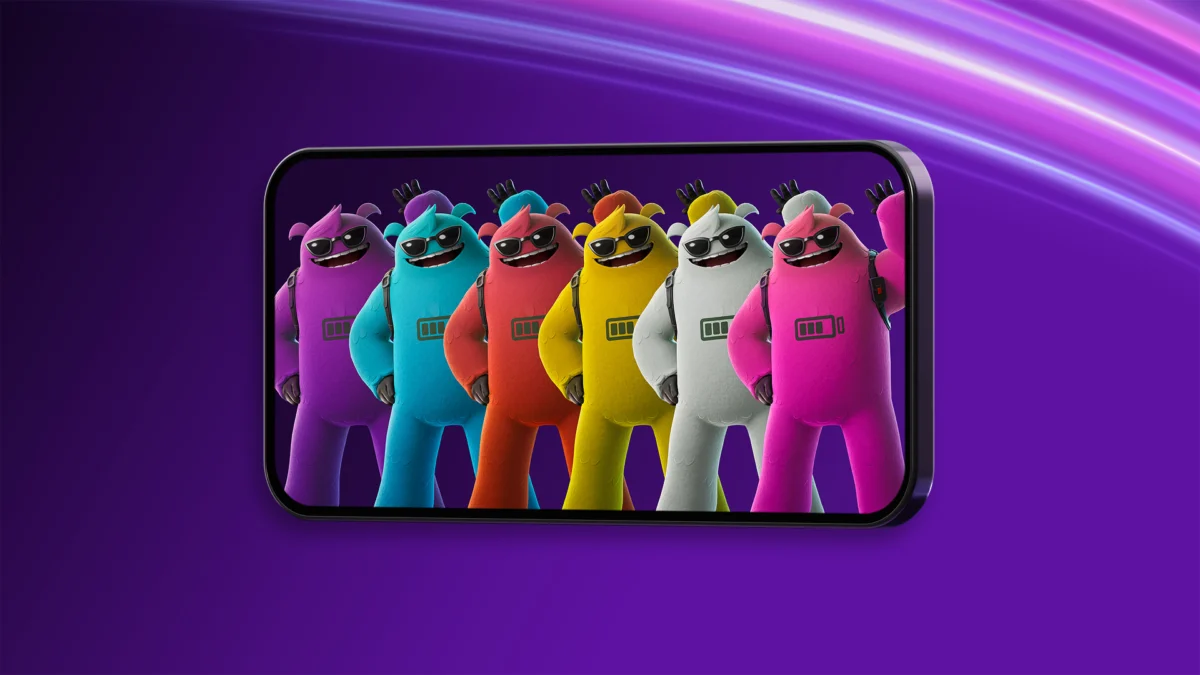
After a protracted absence spanning nearly six years, Epic Games’ immensely popular battle royale title, Fortnite, has officially returned to the Google Play Store, making it available to Android users worldwide once more. This significant development follows the resolution of a long-standing and high-profile antitrust dispute between Epic Games and Google, signaling a pivotal shift in the landscape of mobile app distribution and digital storefront policies. The reinstatement of Fortnite on Google’s official app marketplace is not merely a re-listing but a direct consequence of a comprehensive settlement that promises to usher in new competition and potentially alter developer economics across the Android ecosystem.
The Genesis of a Digital War: Epic vs. Google and Apple
The saga of Fortnite‘s removal from major app stores began in August 2020, when Epic Games launched a direct challenge to the dominant app distribution models of both Apple and Google. At the heart of the dispute was the mandatory use of proprietary payment systems within the App Store and Google Play, coupled with the contentious 30% commission fee levied on all in-app purchases. Epic Games circumvented these rules by introducing its own direct payment option within Fortnite, offering players a discount if they used it, thereby bypassing the platform holders’ payment processing and fees.
This move was a deliberate act of defiance, which Epic Games, led by CEO Tim Sweeney, framed as a fight for developer freedom and fair competition. Both Apple and Google swiftly retaliated by delisting Fortnite from their respective app stores, citing violations of their terms of service. Epic Games immediately responded by filing antitrust lawsuits against both technology giants, accusing them of operating illegal monopolies and engaging in anticompetitive practices that stifled innovation and harmed consumers and developers.
While the core grievances were similar for both Apple and Google, the technical context differed slightly. Apple’s iOS ecosystem is notoriously closed, making the App Store the sole official channel for app distribution. Google’s Android, by contrast, is an open-source platform that allows for "sideloading" of apps from third-party sources or direct downloads from developers’ websites. Indeed, Fortnite remained accessible on Android devices via Epic’s own launcher and the Samsung Galaxy Store even after its removal from Google Play. However, Google Play’s overwhelming market dominance as the default and most trusted app source meant that Epic was significantly disadvantaged by its exclusion.
The legal battles unfolded over several years, drawing immense attention from the tech industry, developers, and regulators worldwide. The cases became emblematic of broader concerns about the power wielded by platform operators over the digital economy.
A Protracted Legal Battle and Judicial Scrutiny
The journey to reconciliation was not straightforward, marked by intense litigation and judicial skepticism. Following months of legal proceedings, Epic Games and Google announced a settlement to end their app store antitrust case. However, this initial proposal faced significant hurdles. In late 2025, a California federal court postponed the approval of the settlement, with Judge James Donato expressing concerns about the terms. A major point of contention was the companies’ desire to keep the full details of the settlement confidential. Judge Donato firmly rejected this, stating, "I don’t want to do this in the dark."
The judge’s apprehension deepened during a January 2026 hearing, where he critically labeled the new settlement as a "sweetheart deal." He posited that the proposed terms primarily benefited Epic Games and Google themselves, potentially at the expense of the broader market and other developers. His memorable quote highlighted the dramatic shift in dynamic: "The only changed circumstance that I can see right now is Epic and Google—two mortal enemies who pounded each other relentlessly in this courtroom for many years—are suddenly BFFs." This sentiment underscored the court’s commitment to ensuring that any resolution genuinely addressed anticompetitive concerns rather than merely serving the interests of the litigants.
The court’s insistence on transparency and a more comprehensive restructuring of Google Play policies ultimately pushed the parties toward a more far-reaching agreement. The pressure from the judiciary, coupled with increasing global regulatory scrutiny over app store practices, compelled Google to make more substantial concessions.
Google’s Policy Overhaul: Opening the Android Ecosystem
The breakthrough arrived on March 4, 2026, when, as reported by Bloomberg, Google unveiled a new system for app distribution on its Android devices. This revised framework represented a significant concession, agreeing to easier access for rival app stores and implementing lower fees for developers. The move was a strategic bid by Google to resolve not only the ongoing U.S. antitrust litigation but also to align with new regulatory requirements emerging in Europe and other international jurisdictions, such as the European Union’s Digital Markets Act (DMA).
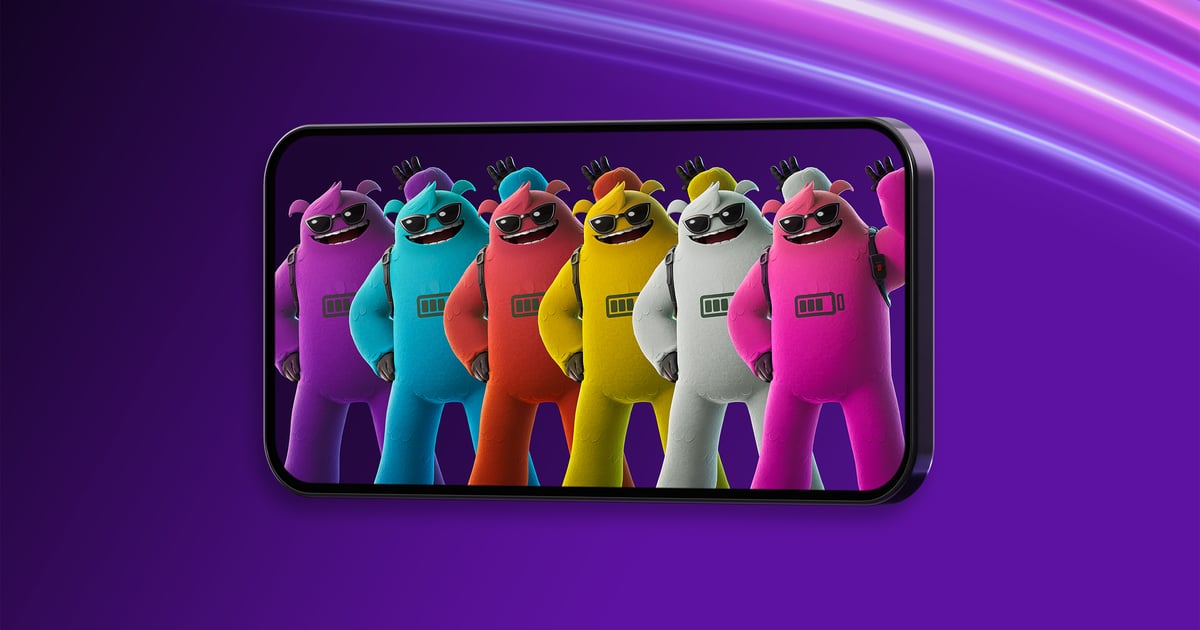
Under the newly approved settlement proposal, other companies can now register with Google, pay a one-time fee, and subsequently offer their own app stores on Android devices. This represents a fundamental shift from Google Play’s near-monopoly on official app distribution channels. Sameer Samat, Google’s vice president of product development, confirmed this development to Bloomberg, emphasizing the company’s commitment to fostering a more open and competitive environment.
Crucially, Google also committed to significantly lowering the fees it charges developers for in-app purchases and subscriptions. The standard commission rate, famously set at 30% for many years and a central point of Epic’s legal challenge, will now be reduced. For recurring subscriptions, Google will charge as low as 15% or even 10%. This reduction is expected to have a substantial impact on developers’ revenue, particularly for those relying on subscription models.
The implementation of these fee changes will be rolled out geographically. Developers in the U.S., UK, and EU are expected to see these changes go into effect by June 2026. Further changes for Australia, Korea, and Japan are anticipated before the end of 2026, indicating a global recalibration of Google’s app store policies.
Industry Reactions and Broader Implications
The implications of this settlement and Google’s policy adjustments are profound, extending far beyond the return of Fortnite. Epic Games CEO Tim Sweeney, in a joint interview with Google’s Sameer Samat, succinctly captured the essence of the new era: "Anybody can launch a competitive app store now." This statement highlights the potential for a more diverse and competitive app distribution landscape on Android, which could benefit both developers and consumers.
For developers, the prospect of lower fees means retaining a larger share of their revenue, potentially freeing up resources for further investment in game development, marketing, or talent acquisition. The option to distribute through alternative app stores could also provide more flexibility and control over their products and pricing strategies. This newfound competition could drive innovation not only in app development but also in the features and services offered by app stores themselves.
Consumers might benefit from increased choice, potentially leading to competitive pricing for apps and in-app content if developers pass on their savings or if alternative stores offer different promotional models. The accessibility of Fortnite on Google Play again means easier discovery and installation for millions of Android users who prefer the convenience of Google’s official storefront over sideloading or using other launchers. The game’s return is accompanied by a promotional offer from Epic, rewarding players with a Fortnite skin for inviting another user via the "Invite a Friend" button, underscoring a spirit of renewed partnership.
From Google’s perspective, these changes, while representing significant concessions, also allow the company to mitigate ongoing antitrust risks and avoid potentially more punitive regulatory actions. By proactively addressing concerns about market dominance and developer fairness, Google aims to maintain its position as a leading platform while adapting to the evolving demands of a more regulated digital economy. The company’s willingness to engage in such a comprehensive overhaul reflects the increasing global pressure on tech giants to open their ecosystems and foster fair competition.
A Global Trend: Antitrust and App Store Reforms
The return of Fortnite to Google Play and the underlying settlement are part of a broader global trend of antitrust scrutiny and regulatory efforts aimed at reining in the power of dominant digital platforms. Governments and regulatory bodies worldwide are increasingly concerned about the anticompetitive practices of companies like Apple and Google, particularly concerning their app store policies.
Just a year prior to this development, Fortnite had also made its return to Apple’s App Store in the United States after a five-year absence, as well as in Australia. These reinstatements followed legal rulings and regulatory pressures that similarly found Apple to have engaged in anticompetitive practices. The European Union’s Digital Markets Act (DMA), which came into full effect in March 2024, is a prime example of legislation explicitly targeting "gatekeeper" platforms to ensure fair and contestable digital markets. The DMA mandates that platform holders like Apple and Google allow third-party app stores and alternative payment systems, effectively codifying many of the changes seen in the Epic-Google settlement.
These precedents, both judicial and legislative, indicate a global shift towards greater openness and competition in the digital realm. The cases against Apple and Google have highlighted the need for robust regulatory frameworks to prevent platform owners from exploiting their market power to the detriment of developers and consumers. The resolutions reached, particularly the Google settlement, set a significant benchmark for future negotiations and regulatory actions across the globe.
In conclusion, Fortnite‘s re-entry into the Google Play Store is more than just a game returning to an app store; it symbolizes a new chapter in the ongoing battle for fair competition in the digital economy. The settlement between Epic Games and Google has not only resolved a contentious legal dispute but has also catalyzed a fundamental restructuring of Google Play’s policies, promising a more open, competitive, and developer-friendly Android ecosystem. As these changes take effect globally, the broader implications for app distribution, developer economics, and consumer choice will undoubtedly shape the future of mobile software for years to come.
About the Author