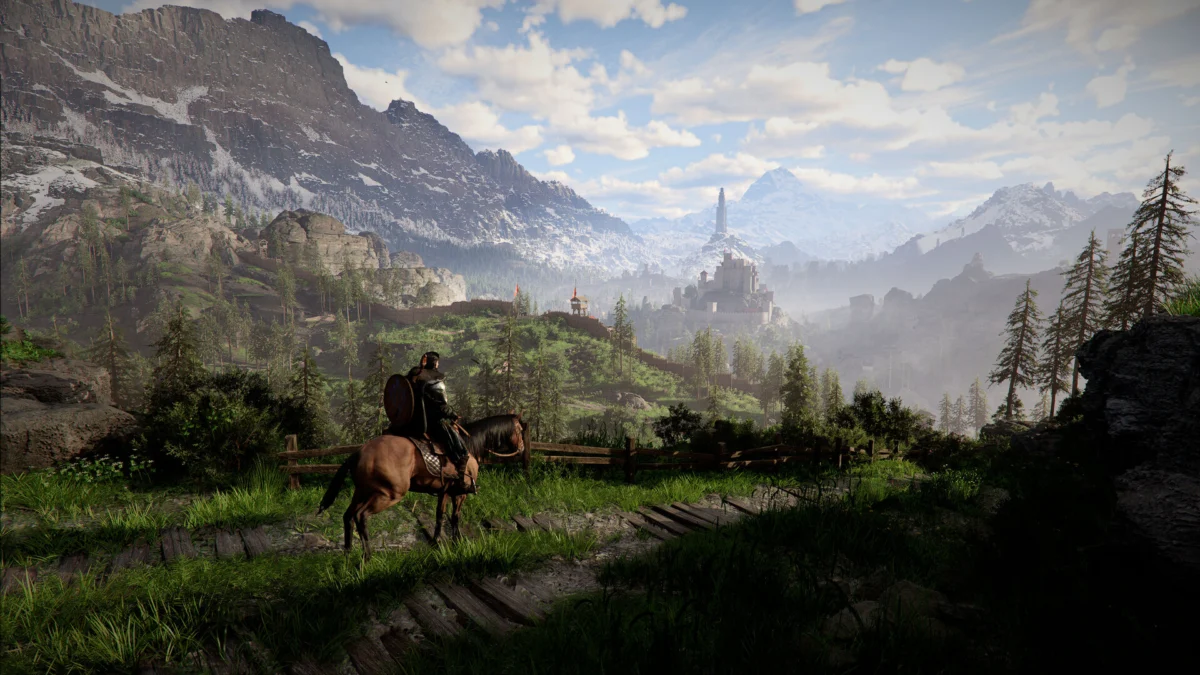
Pearl Abyss’s highly anticipated large-scale action RPG, Crimson Desert, has achieved a significant commercial milestone, selling over 2 million copies globally within just 24 hours of its release. This rapid sales velocity positions the title as a notable launch for the South Korean developer, renowned for its massively successful MMORPG, Black Desert Online. The announcement, made via the game’s official Facebook account, conveyed the company’s gratitude to its player base while simultaneously acknowledging the diverse feedback received from the community, promising swift improvements.
A Monumental Launch for Pearl Abyss
The impressive sales figure of 2 million units in a single day underscores the considerable anticipation surrounding Crimson Desert. As a new intellectual property from a developer with a proven track record in the competitive RPG market, the launch performance is a strong indicator of consumer interest and the efficacy of Pearl Abyss’s marketing efforts. The official statement read, "We are incredibly humbled to share that #CrimsonDesert has sold through 2 million copies worldwide. Thank you so much to our fans, community, and everyone who has joined us in Pywel." This expression of gratitude is standard practice for developers reaching such milestones, but it carries particular weight given the game’s journey to release.
Pearl Abyss, established in 2010, cemented its reputation with Black Desert Online, an MMORPG that captivated millions with its intricate combat system, stunning graphics, and expansive open world. The financial success of Black Desert Online is undeniable, having generated over €2 billion (approximately $2.17 billion USD) in lifetime revenue by early 2024 and attracting more than 55 million players across PC, consoles, and mobile platforms. This colossal success provided Pearl Abyss with a robust foundation and the resources to embark on ambitious new projects like Crimson Desert, which was initially conceived as an MMORPG but evolved into a more action-focused, open-world RPG experience with single-player and co-op elements. The rapid adoption of Crimson Desert suggests that Pearl Abyss has successfully leveraged its existing fanbase and attracted new players with its distinct vision for a fantasy RPG.
The Road to Pywel: A Development Timeline
The journey of Crimson Desert has been a protracted one, marked by significant anticipation, evolving design philosophies, and strategic adjustments. First unveiled in 2019, the game immediately garnered attention for its striking visuals and ambitious scope. Initial trailers showcased a breathtaking fantasy world named Pywel, teeming with diverse biomes, formidable creatures, and a narrative-driven experience. Early discussions hinted at its roots as a prequel to Black Desert Online, but Pearl Abyss soon clarified its status as a distinct IP.
A pivotal moment in the game’s development timeline occurred during The Game Awards 2020, where a new gameplay trailer showcased a significant shift in direction. What was initially presented as an MMORPG was re-positioned as an "open-world action-adventure game" with "multiplayer elements," emphasizing a strong single-player narrative. This change aimed to broaden its appeal beyond the niche MMORPG market, targeting a wider audience accustomed to single-player epic adventures. The trailer, lauded for its graphical fidelity and dynamic combat, sparked immense excitement, with many praising its potential to compete with established giants in the action RPG genre.
However, the path was not without its challenges. Following its high-profile reveal, Crimson Desert experienced several delays. In August 2021, Pearl Abyss announced an indefinite postponement, stating the need for "additional time to create the best possible experience." This decision, while disappointing for eager fans, was framed as a commitment to quality, a common justification in the industry for delaying highly anticipated titles to avoid a rushed launch and potential issues that could mar initial reception. Throughout 2022 and 2023, development continued, with intermittent updates and behind-the-scenes glimpses shared with the community, maintaining a degree of transparency regarding the game’s progress. Major re-introductions and gameplay deep-dives at events like Gamescom further solidified its presence on the gaming radar, culminating in its much-awaited release.
Navigating Player Feedback: The "Mixed Reviews" Landscape
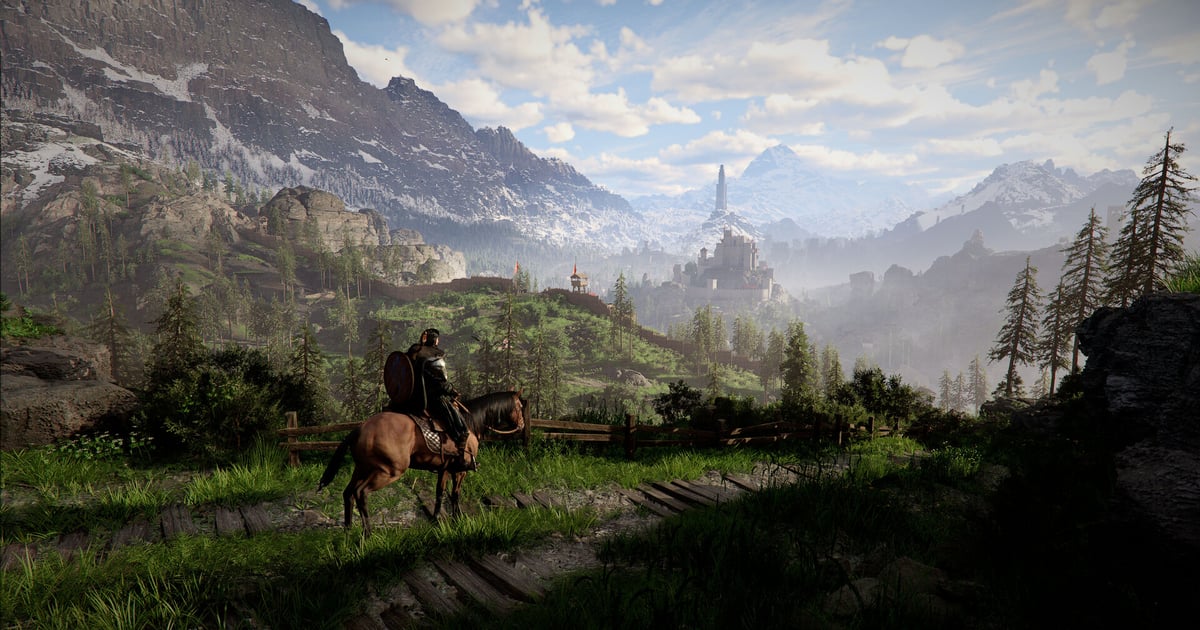
Despite the exhilarating sales figures, Crimson Desert‘s launch has been met with a mixed reception on platforms such as Steam, where it aggregated 6,850 entries at the time of the announcement. "Mixed reviews" typically indicate a significant portion of the player base encountering issues or expressing dissatisfaction alongside those who are enjoying the experience. Common points of contention for new game releases often include performance optimization (frame rates, stability), technical bugs, server stability (even for games with limited multiplayer elements, online features can be critical), and sometimes, aspects of gameplay design or narrative that do not resonate with all players.
Pearl Abyss addressed this duality head-on in its official statement, demonstrating a proactive approach to community management. The concluding remarks from the Facebook post stated, "We will listen closely to the wide range of feedback shared by the community and work to make improvements quickly, doing our utmost to make the journey ahead even more enjoyable for our players." This commitment is crucial for any live-service-oriented game, or even a single-player title with post-launch support plans. Acknowledging feedback and promising rapid improvements can mitigate negative sentiment and build trust with the player base, transforming initial launch hiccups into opportunities for long-term engagement and redemption.
The strategy of actively engaging with community feedback post-launch has become an industry standard, particularly for titles from ambitious developers. It demonstrates a commitment beyond the initial sale, fostering a sense of partnership between players and creators. For Crimson Desert, this could involve immediate patches addressing critical bugs and performance issues, followed by more substantial content updates or quality-of-life improvements based on player suggestions.
Broader Impact and Implications for Pearl Abyss
The immediate commercial success of Crimson Desert carries significant implications for Pearl Abyss and the broader gaming landscape. Firstly, it validates the company’s decision to diversify its portfolio beyond Black Desert Online. While Black Desert Online remains a highly profitable venture, relying on a single flagship title carries inherent risks. Crimson Desert‘s strong launch establishes another pillar of revenue and creative output for the studio, enhancing its stability and market valuation. Investors typically react positively to such diversification and successful new IP launches, potentially leading to increased stock value and greater confidence in Pearl Abyss’s strategic direction.
Secondly, the sales performance, despite mixed reviews, highlights the power of strong marketing, compelling visual design, and the established reputation of a developer. Many players are willing to overlook initial technical imperfections if the core game experience or its potential is sufficiently captivating. The challenge for Pearl Abyss now is to convert those initial sales into sustained player engagement and positive long-term sentiment through diligent post-launch support. Successfully addressing the "mixed reviews" will be critical in shaping the game’s legacy and influencing future sales through word-of-mouth and improved review scores.
The launch of Crimson Desert also contributes to the ongoing evolution of the action RPG genre. By blending elements of open-world exploration, visceral combat, and a compelling narrative with potential multiplayer components, Pearl Abyss is pushing boundaries and catering to a diverse audience. The game’s success could encourage other developers to explore similar hybrid models, blurring the lines between traditional single-player RPGs and games with robust online features.
Furthermore, Crimson Desert‘s performance will undoubtedly inform Pearl Abyss’s future development strategies. The studio has other ambitious projects in its pipeline, including the highly anticipated DokeV, a creature-collecting open-world action-adventure game, and Plan 8, an exosuit MMO shooter. The lessons learned from Crimson Desert‘s development, launch, and post-launch support will be invaluable in refining their processes for these upcoming titles. The ability to launch a new, large-scale IP successfully, even with initial challenges, demonstrates Pearl Abyss’s growing maturity as a global game developer and publisher.
In conclusion, Crimson Desert‘s launch represents a double-edged sword of resounding commercial success tempered by a mixed critical reception. The achievement of 2 million sales in 24 hours is a testament to Pearl Abyss’s brand strength and the game’s intrinsic appeal. However, the subsequent commitment to addressing player feedback is equally vital for the title’s long-term viability and the cultivation of a loyal player base. The journey ahead for Crimson Desert will be defined not just by its initial sales, but by Pearl Abyss’s ability to listen, adapt, and continually enrich the experience for players venturing into the sprawling world of Pywel.
About the Author