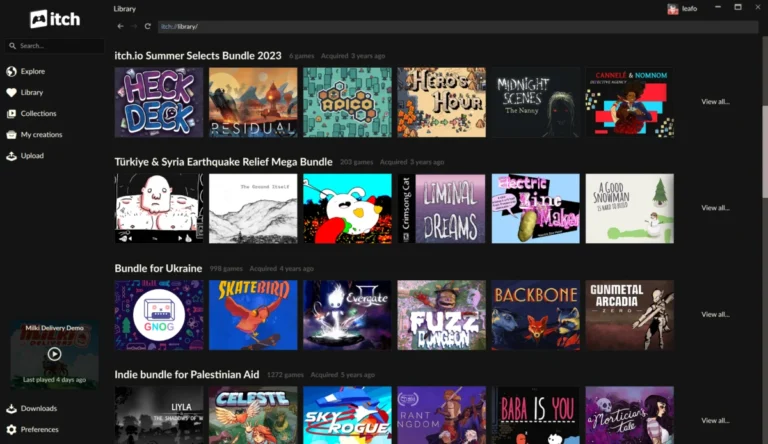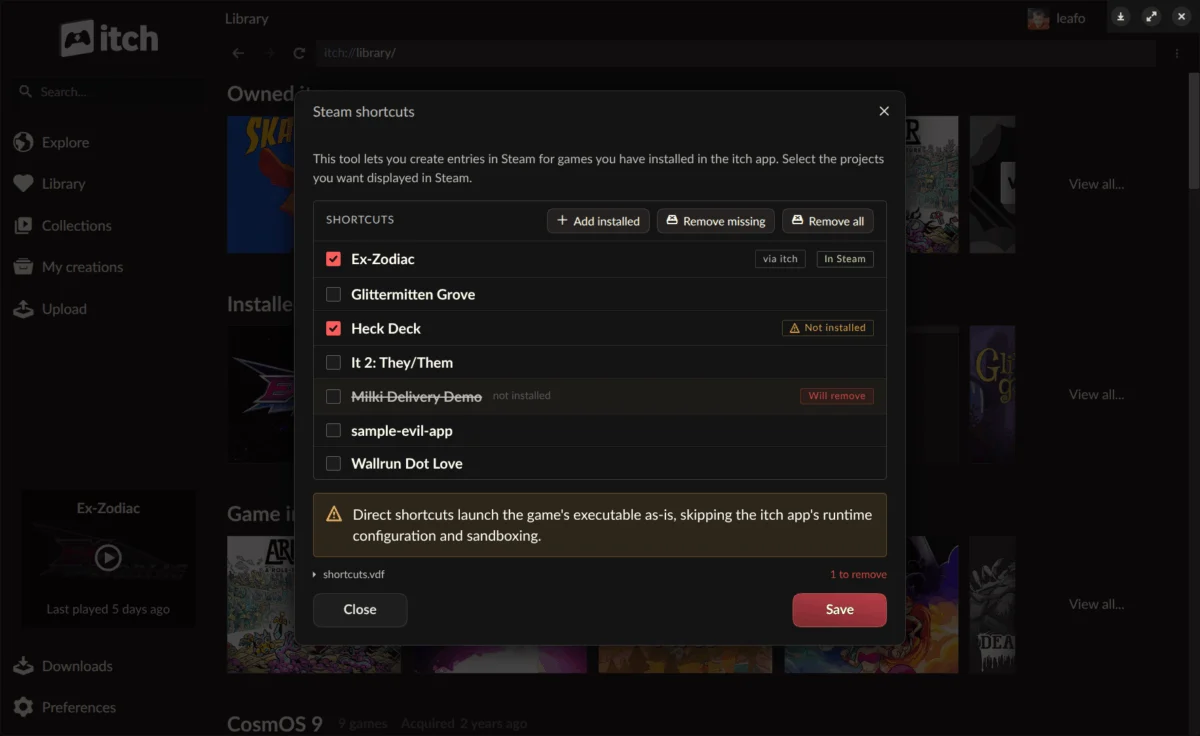
The independent game distribution platform itch.io has rolled out a significant update to its desktop application, version 26.20.0, introducing a suite of features designed to enhance user experience and streamline game management. Headlining the update are robust Steam integration capabilities, a novel headless launch mode for games, and the highly anticipated ability to link existing game folders. These additions represent a strategic move by itch.io to foster greater interoperability within the PC gaming ecosystem, particularly benefiting users of the Steam Deck and those who manage extensive game libraries across multiple platforms. The update, launched today, addresses long-standing community requests, aiming to reduce friction for players while maintaining itch.io’s core values of developer support and open access.
The Evolving Landscape of Indie Gaming and Itch.io’s Position
Itch.io has carved a unique niche in the digital distribution landscape since its inception in 2013, distinguishing itself as a highly developer-centric platform. Unlike many mainstream storefronts that often impose rigid submission processes and substantial revenue cuts, itch.io empowers creators with unparalleled control over their content, pricing models (including "pay-what-you-want" options), and the freedom to experiment with diverse game formats and genres. Its flexible revenue sharing model, which allows developers to set their own cut (often as low as 0-10% for the platform), stands in stark contrast to the industry-standard 30% taken by giants like Steam, Epic Games Store, and console manufacturers. This philosophy has cultivated a vibrant ecosystem rich with experimental titles, game jam entries, digital assets, and niche experiences that might not find a home elsewhere.
However, this decentralization, while beneficial for creators, has historically presented a challenge for players: managing a sprawling library of games distributed across various launchers. As the PC gaming market continues to expand and new hardware such as Valve’s Steam Deck gains traction, the demand for seamless integration and a unified gaming experience has intensified. The Steam Deck, a handheld PC designed to play Steam games, has particularly highlighted the need for platforms to offer better compatibility and ease of access for games obtained outside of Steam’s direct ecosystem. This update from itch.io directly addresses these emerging needs, signaling a commitment to evolving with user expectations while staying true to its indie roots.
Key Features of Update v26.20.0
The latest iteration of the itch.io app focuses on three primary areas of improvement, each designed to make the discovery, installation, and launching of independent games more intuitive and less fragmented.
1. Seamless Steam Shortcuts Integration
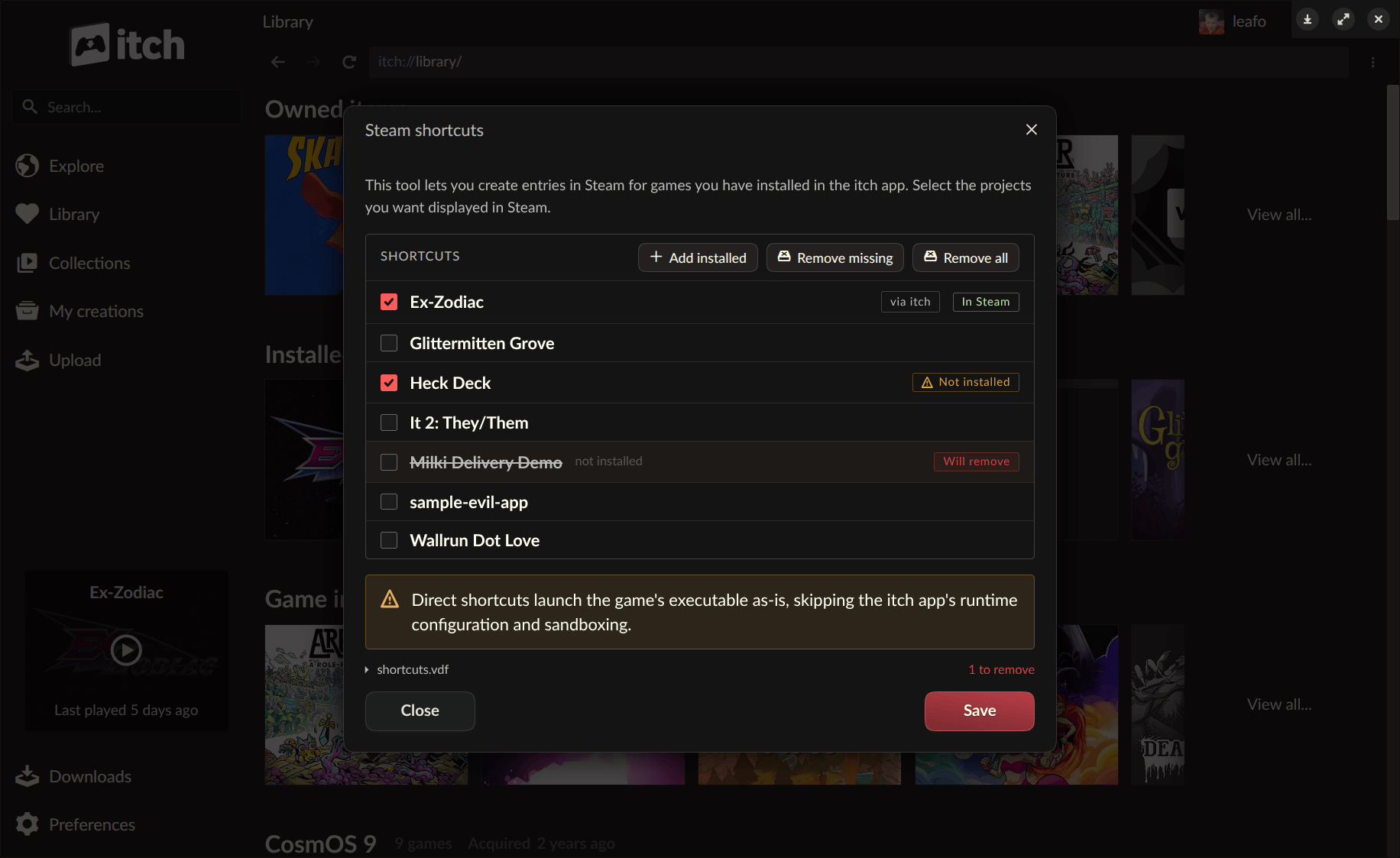
Perhaps the most impactful feature for a significant segment of the PC gaming community is the ability to add games installed through the itch.io app directly to Steam as shortcuts. This functionality is particularly transformative for users of the Steam Deck and those who primarily interact with their game library via Steam’s Big Picture Mode. Prior to this update, playing an itch.io game on a Steam Deck typically required either navigating to the desktop mode to launch the itch app or manually adding non-Steam games, which could be a cumbersome process.
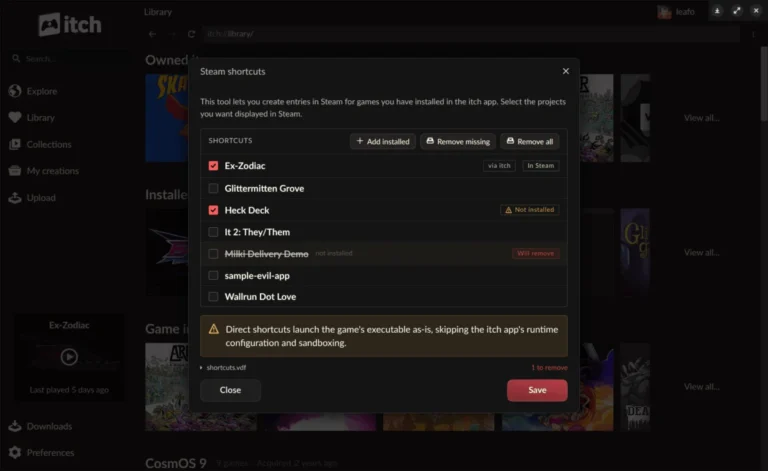
With v26.20.0, users can now integrate their itch.io game collection directly into their Steam library, allowing them to launch these titles without needing to open the itch.io application separately. This is achieved through a newly introduced "headless runner mode" for itch.io games, which permits them to execute with the full backing of the itch.io app’s underlying infrastructure, yet without the graphical user interface running in the foreground.
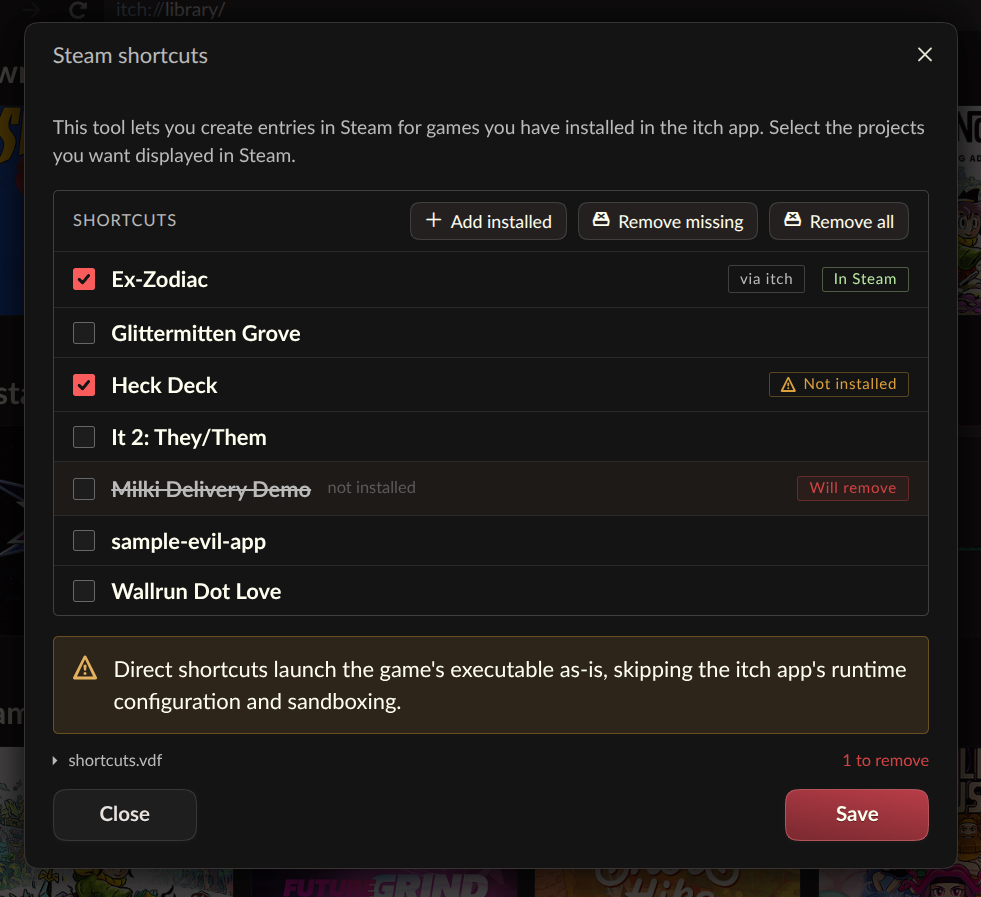
The process for creating these shortcuts is straightforward: users can access the Steam Shortcuts tool from the itch.io app’s preferences page or by right-clicking any installed game within itch.io and selecting "Steam Shortcuts." All synchronized games are automatically organized into a dedicated "itch.io collection" within Steam, ensuring easy identification and management. Recognizing the diverse technical configurations of independent games, the feature allows for the configuration of each shortcut with two distinct launch modes, aiming for the highest compatibility across a broad spectrum of titles. Itch.io has categorized this as a somewhat experimental feature, actively encouraging users to report any bugs or issues encountered through their GitHub repository, fostering a collaborative approach to refinement.
2. The Power of Headless Launching
The introduction of the headless launch mode extends far beyond its immediate application in Steam integration. This feature enables any installed itch.io game to be launched directly via a simple command-line interface: itch-setup --run-game <gameId> [--profile-id <profileId>]. This command initiates a game without booting up the full itch.io application, effectively allowing external systems or scripts to trigger game execution.
While developed with Steam shortcuts in mind, the headless launch mode is platform-agnostic, opening doors for broader integration possibilities. Any third-party launcher, custom shortcut system, or bespoke script can now leverage this command to incorporate itch.io games seamlessly. This flexibility is a significant boon for power users and developers interested in building custom front-ends or unifying their game libraries using tools like Playnite or Launchbox. Itch.io has even provided a dedicated guide for interfacing with the app to build custom launchers, underscoring its commitment to an open and interoperable ecosystem.
Crucially, a headless launch does not compromise the robust features and configurations users have come to expect from the itch.io app. All previously configured settings—including sandboxing, prerequisite checks, per-game launch settings, play time tracking, and the API key passed to the game—remain fully functional. This is managed by a new butler launch subcommand that directly interacts with the user’s existing app database, ensuring consistent performance and security. It is important to note, however, that not all game types are supported in headless mode; HTML5 games, for instance, still require the full itch.io app to launch, as they necessitate a browser environment. This thoughtful design ensures that core functionalities are preserved while offering maximum flexibility.
3. Linking Existing Game Folders
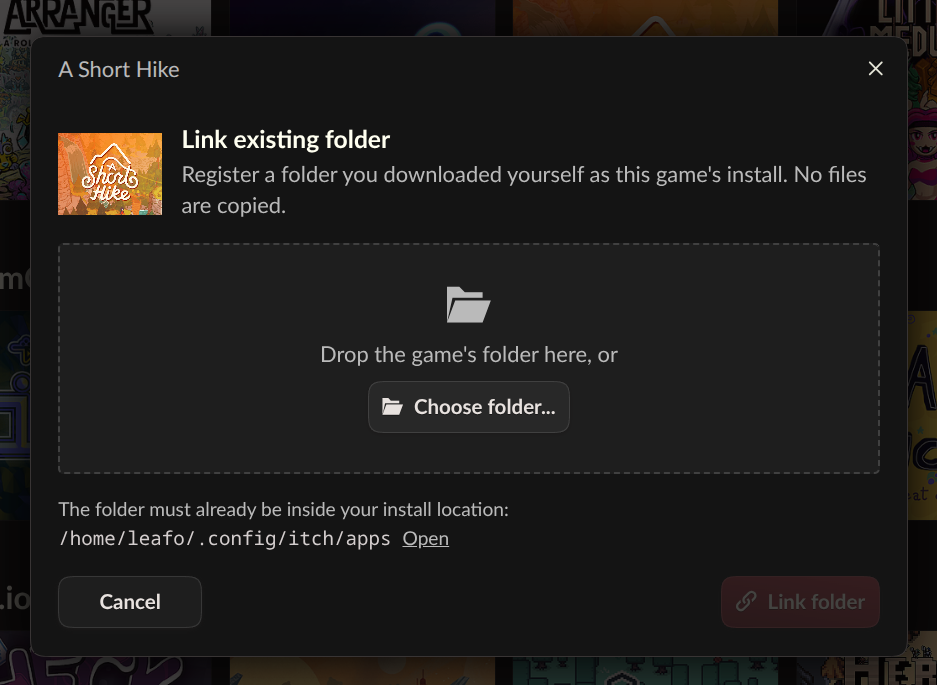
Another highly requested quality-of-life improvement is the ability to link an existing game folder to a game within the itch.io app. Many users acquire games from itch.io through direct browser downloads, external links, or as part of bundles, leading to situations where a game might be on their system but not registered within their itch.io app library. Previously, the only way to integrate such a game was often to re-download it through the app, which could be inconvenient and consume unnecessary bandwidth.
With this update, users can now open a game’s install dialog within the itch.io app and find a new "Link existing folder…" option. By pointing the app to a folder containing a previously downloaded game, that game will instantly appear in their library as installed and can be launched like any other app-managed title.
Itch.io describes this feature as an "escape hatch," designed to be deliberately simple. The app takes the user’s word regarding the contents of the linked folder, performing no file verification. This design choice prioritizes flexibility, catering to scenarios where re-downloading is impractical or where the original project offers a download method that the app cannot process directly. This feature saves time, bandwidth, and enhances the overall organization of a user’s game collection, making the itch.io app a more comprehensive management tool for all games acquired from the platform, regardless of how they were initially downloaded.
A Chronology of Itch.io App Development and Continuous Improvement
The release of v26.20.0 is not an isolated event but part of itch.io’s ongoing commitment to refining its desktop application. Since its initial release, the itch.io app has steadily evolved, reflecting a philosophy of iterative development driven by community feedback and technological advancements. Early versions focused on core functionalities like browsing, downloading, and launching games, alongside features that mirrored the website’s unique aspects, such as "pay-what-you-want" installations and updates.
Subsequent updates have incrementally improved user interface, performance, and stability. While specific version numbers for major past feature rollouts are not always publicly highlighted in detail, the consistent stream of updates indicates a continuous effort to enhance the app’s robustness and user-friendliness. The butler command-line tool, which underpins much of the app’s functionality for developers and advanced users, has also seen continuous development, providing a powerful foundation for features like the new headless launch mode. This latest update, building on versions like 26.15 and 26.17 which also brought significant upgrades, represents a culmination of years of listening to its user base and strategically investing in features that bridge the gap between itch.io’s unique offerings and the broader gaming ecosystem.
Community Reception and Future Outlook
The immediate reaction from the itch.io community to version 26.20.0 has been largely positive, particularly regarding the Steam integration. Users have lauded the newfound convenience for Steam Deck owners and the general improvement in managing their diverse game libraries. The folder linking feature has also been met with enthusiasm, solving a common pain point for many.
However, community feedback also highlights ongoing desires and potential future directions. Several users expressed interest in mobile support, specifically for Android handhelds, a growing segment of the gaming market. Itch.io’s lead developer, Leafo, cryptically responded to this, stating, "We’re working on (not so) secret project for Linux based handhelds. Maybe in the future we’ll expand this to android devices," hinting at exciting developments on the horizon that could further expand itch.io’s reach beyond traditional desktop environments. Another recurring request involved GOG.com integration, sparking discussions about DRM-free gaming and the nuances of "DRM-free on Steam" titles. This dialogue underscores the community’s strong preference for open standards and interoperability. The experimental nature of the Steam shortcuts has also led to early bug reports, which itch.io actively encourages users to submit via GitHub issues, demonstrating their transparent approach to development.
The broader implications of this update are significant for the indie gaming ecosystem. For players, it translates to a more unified, convenient, and accessible gaming experience, breaking down barriers between platforms. For indie developers, while this update doesn’t directly alter their game creation or distribution process on itch.io, it indirectly enhances the visibility and accessibility of their titles. By making itch.io games easier to integrate into existing Steam libraries, the update could lead to increased engagement from players who might have previously found the multi-launcher experience cumbersome. This move positions itch.io not merely as an alternative to dominant platforms but as a complementary one, embracing interoperability to serve its community better.
The update can be acquired from the official itch.io app page. Existing users will receive the update automatically, or they can manually check for it via the Preferences screen. The full list of changes, fixes, and security enhancements is detailed in the release notes on GitHub. Itch.io also extended gratitude to its community for their contributions to translations via Weblate, emphasizing the collaborative spirit that defines the platform. As the digital gaming landscape continues to evolve, itch.io’s v26.20.0 update reaffirms its commitment to innovation and user-centric development, ensuring its pivotal role in supporting and showcasing the vibrant world of independent games.
About the Author