In an era increasingly defined by a relentless stream of expansive, 30-plus-hour AAA game releases, the independent gaming sector continues to prove itself a vital wellspring of innovation, creativity, and unique player experiences. This week, three distinctive titles — Mr Platformer, Videoverse, and TEST TEST TEST — have garnered attention, each offering a compelling counter-narrative to the mainstream, reinforcing the enduring appeal and critical importance of indie development. These selections from the itch.io platform exemplify how focused design, poignant storytelling, and artistic vision can transcend the scale of production, delivering memorable experiences that resonate deeply with players seeking originality.
The Enduring Appeal and Growth of the Indie Gaming Sector
The gaming industry’s landscape is vast, but the indie segment has carved out a significant and growing niche. Unlike their blockbuster counterparts, independent games often prioritize artistic expression, experimental mechanics, and intimate narratives over photorealistic graphics or massive open worlds. This approach fosters a diverse ecosystem where developers can take creative risks, explore unconventional themes, and connect with niche audiences. Industry reports indicate that the global independent games market, valued at approximately USD 2.6 billion in 2022, is projected to grow substantially, with a Compound Annual Growth Rate (CAGR) exceeding 15% through 2030. This expansion is driven by increasing digital distribution accessibility, lower barriers to entry for developers, and a burgeoning player base actively seeking fresh, unconventional content. Platforms like itch.io play a crucial role in this ecosystem, providing a direct channel for developers to publish their work and for players to discover games outside traditional storefronts, fostering a vibrant community-driven environment. With hundreds of thousands of games and projects, itch.io stands as a testament to the sheer volume and diversity of independent creativity.
Spotlight on "Mr Platformer": A Return to Core Mechanics with a Profound Twist
Terry Cavanagh, a name synonymous with minimalist design and profound gameplay experiences, has once again captivated the indie community with his latest offering, Mr Platformer. Cavanagh’s illustrious career is marked by titles that deftly strip away complexity to reveal elegant, challenging, and often deeply philosophical core mechanics. His previous works, such as the critically acclaimed VVVVVV (2010), known for its gravity-flipping mechanics and chiptune soundtrack, and Super Hexagon (2012), a high-intensity rhythm-action game, established him as a master of concise yet impactful game design. These titles demonstrated a consistent ability to extract maximum depth from simple premises, earning him a dedicated following and cementing his legacy as one of independent gaming’s most influential voices.
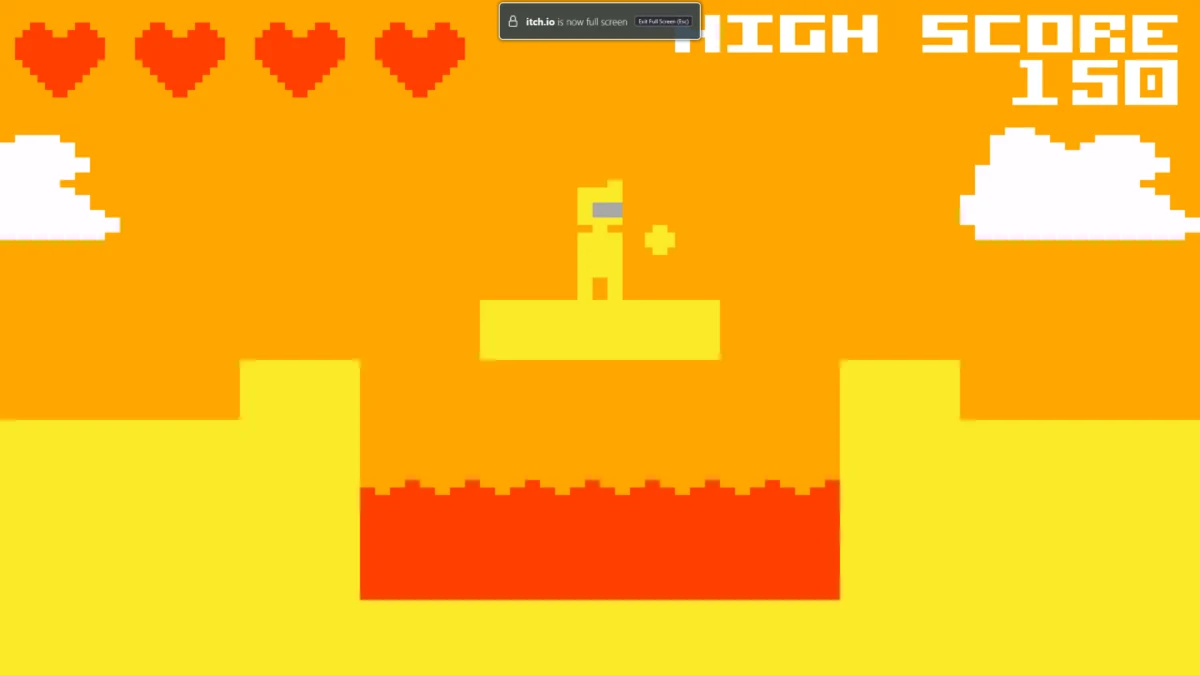
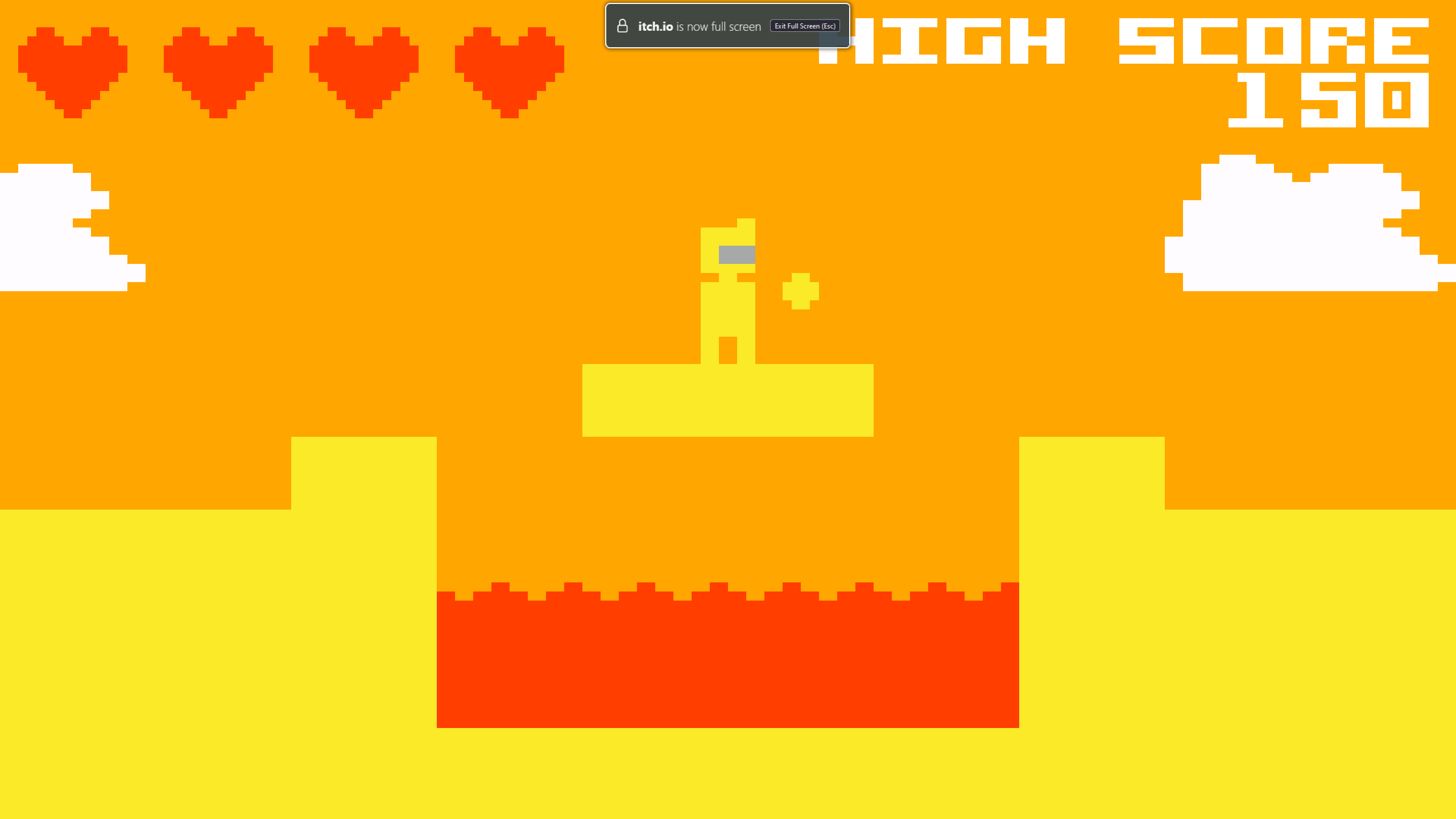
Mr Platformer, released recently on itch.io, continues this tradition. At first glance, its description is disarmingly simple: "running, jumping, and swimming." This brevity, however, is a deliberate misdirection, characteristic of Cavanagh’s design philosophy. Players embarking on this journey will indeed find these fundamental platforming actions present and impeccably executed. Yet, the game quickly reveals layers of unexpected depth and narrative intrigue that challenge conventional genre expectations. Without divulging specific spoilers, the game encourages extensive exploration, rewarding curiosity with mechanics and contextual developments that dramatically alter the player’s perception of the game world and their role within it. This design choice transforms what appears to be a straightforward platformer into an experience that encourages introspection and re-evaluation, a hallmark of Cavanagh’s most celebrated works.
The immediate reception from players and critics has been overwhelmingly positive, praising its elegant design, hidden complexities, and the way it subtly pushes the boundaries of the platforming genre. Analysts suggest that Mr Platformer not only reaffirms Cavanagh’s status as an indie auteur but also highlights the enduring power of minimalist game design to deliver profound experiences. In an industry often fixated on graphical fidelity and feature bloat, Mr Platformer serves as a poignant reminder that true innovation often lies in the artful manipulation of core mechanics and the thoughtful integration of narrative elements. Its success underscores the argument that a game’s impact is not measured by its production budget or playtime, but by its ability to engage, surprise, and leave a lasting impression.
"Videoverse": A Nostalgic Dive into Early Online Communities and Digital Identity
Videoverse, developed by Kinmoku, offers a poignant and meticulously crafted journey back to a specific, almost idyllic era of the internet: a time when online social spaces were nascent, often more intimate, and primarily driven by shared passions rather than algorithmic feeds. This narrative adventure invites players to step into the shoes of Emmett, a young game fan navigating the complexities of adolescence and self-discovery through his interactions within an online fan forum for his favorite RPG and instant messaging conversations with friends. The game masterfully reconstructs the feel of late 1990s and early 2000s online communities, a period that predates the widespread commercialization and often divisive nature of contemporary social media platforms.
Kinmoku’s approach to Videoverse is characterized by a deep sense of care and authenticity, skillfully threading the needle between nostalgic reverence and a nuanced exploration of digital identity formation. The narrative avoids falling into simplistic "naval-gazing" or historical revisionism, instead presenting a balanced view of the joys and anxieties inherent in connecting with strangers and peers through technology during a transformative period. Players will find themselves immersed in conversations that feel genuinely human, exploring themes of fandom, friendship, aspiration, and the sometimes-awkward process of figuring oneself out in a rapidly evolving digital landscape.
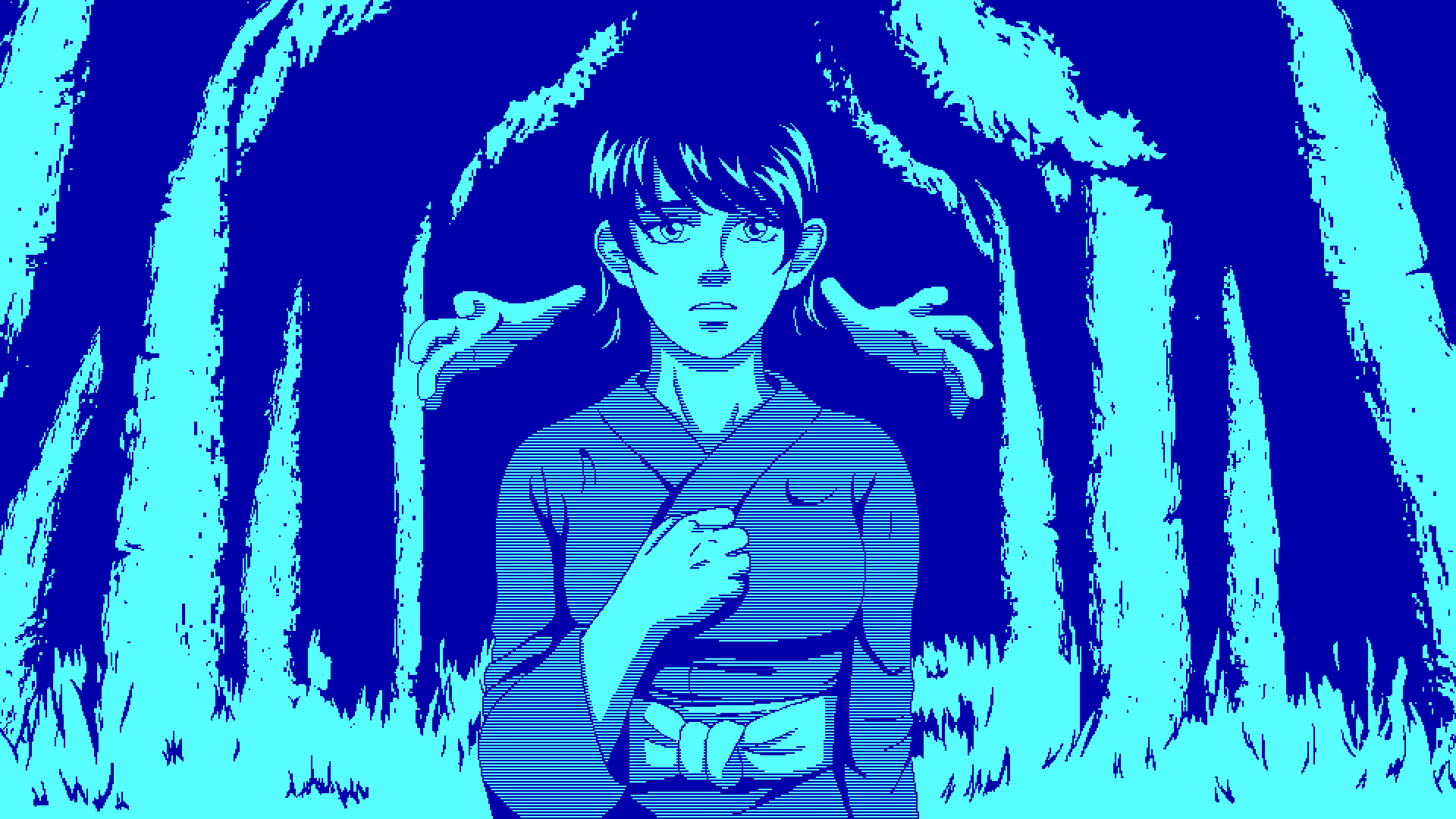
Beyond its compelling narrative, Videoverse distinguishes itself with a tonally perfect art style that pays homage to 90s and early 2000s anime without succumbing to caricature or superficial imitation. The visual design is expressive, vibrant, and thematically aligned with the game’s era and emotional core. Characters are rendered with a warmth and personality that enhances the storytelling, making each interaction more impactful. This visual fidelity to the chosen aesthetic is not merely cosmetic; it actively contributes to the game’s immersive quality, evoking a strong sense of nostalgia for players who experienced this era firsthand, while offering a rich historical snapshot for those who did not.
Released on itch.io, Videoverse has been met with critical acclaim for its thoughtful commentary on the evolution of social interaction, the formation of online communities, and the subtle ways technology shapes personal growth. While Kinmoku’s broader portfolio might not yet possess the widespread recognition of a Terry Cavanagh, Videoverse positions the studio as a significant voice in narrative-driven indie games. Industry observers note that games like Videoverse are crucial for their ability to preserve and interpret cultural moments, offering a unique blend of entertainment and sociological insight. The game serves as a testament to the power of independent developers to craft experiences that are both deeply personal and universally resonant, sparking conversations about our past and present digital lives.
"TEST TEST TEST": Unsettling Narratives from Mojiken Studio
Mojiken Studio, an Indonesian independent game developer, has steadily built a formidable reputation for crafting emotionally resonant and visually striking narrative adventures. Their portfolio includes critically acclaimed titles such as A Space for the Unbound (2023), known for its poignant story and captivating pixel art, and When the Past Was Around (2020), a heartwarming point-and-click puzzle game exploring themes of love and loss. Mojiken’s consistent ability to weave heartfelt, often otherworldly stories into compelling gameplay experiences has earned them a dedicated following and widespread critical praise, though many argue they deserve even greater mainstream recognition.
TEST TEST TEST represents a fascinating departure, or perhaps an evolution, in Mojiken’s storytelling approach, embracing a more unsettling and mysterious tone. This short adventure plunges players into the ominous world of Triquetra Consulting Firm, a corporate entity promising to "unlock human potential" through its innovative software. The premise immediately evokes a sense of unease, playing on familiar tropes of corporate ambition, technological overreach, and the potential for dystopian outcomes. Players are tasked with testing this new software, a seemingly innocuous assignment that inevitably spirals into a series of unsettling discoveries and a broader unraveling of the firm’s true intentions.
The genius of TEST TEST TEST lies in its expertly executed setup and the gradual reveal of its narrative. Storytelling unfolds not only through the direct "testing" process but also through environmental details, subtle cues, and interactions within the broader office environment. This layered approach creates an atmosphere of pervasive tension and psychological intrigue, transforming a familiar corporate setting into a chilling stage for existential questions. The game’s brevity is a strength, ensuring that every element—from visual design to narrative beat—is impactful and contributes to the overall sense of discovery and dread.
Released on itch.io, TEST TEST TEST has garnered significant attention for its distinct tone within Mojiken’s diverse catalog. It demonstrates the studio’s versatility and willingness to explore different facets of narrative complexity. While specific developer statements regarding the game’s thematic inspirations are limited, the game’s design strongly implies a commentary on unchecked corporate power and the ethical dilemmas surrounding technological advancement aimed at "improving" humanity. This short, impactful experience reinforces Mojiken’s mastery of atmospheric storytelling and their ability to create memorable worlds, regardless of scale. Its success on itch.io further highlights the platform’s role in showcasing innovative, genre-bending titles that might not fit conventional commercial molds but offer profound artistic merit.
Itch.io: A Hub for Independent Innovation and Discovery
The consistent emergence of high-quality, diverse indie titles like Mr Platformer, Videoverse, and TEST TEST TEST underscores the critical role of platforms such as itch.io. Unlike larger, more curated digital storefronts, itch.io operates as an open marketplace, providing unparalleled freedom for developers to publish their games without extensive gatekeeping. This democratized approach fosters a fertile ground for experimentation, allowing creators to explore niche genres, unconventional mechanics, and deeply personal narratives that might be deemed too risky for mainstream publishers.

The "Games of the Week" feature, which highlighted these three titles, is just one example of how itch.io actively champions discoverability. In an ocean of content, curated selections and community features become invaluable tools for players seeking to cut through the noise and find hidden gems. For developers, being featured provides crucial exposure, driving traffic to their pages and fostering direct engagement with a dedicated player base. This direct connection often translates into invaluable feedback, community building, and even financial support, empowering independent creators to continue their work. The platform’s flexible monetization options, including "pay-what-you-want" models, further empower developers, allowing them to retain a larger share of their earnings compared to traditional distribution channels.
The Broader Landscape: Indie Games as a Vital Counterbalance
The ongoing dialogue between the expansive, resource-intensive AAA sector and the agile, creatively driven indie scene is vital for the health and evolution of the gaming industry as a whole. While AAA titles often push technological boundaries and deliver cinematic experiences, indie games frequently lead the charge in narrative innovation, mechanical experimentation, and artistic expression. They serve as a crucial counterbalance, ensuring that the medium continues to diversify and evolve, rather than stagnate within established formulas.
The implications of this dynamic are far-reaching. Indie games often act as incubators for new ideas, with successful concepts sometimes influencing mainstream development. They cater to niche audiences, ensuring that players with specific tastes are not overlooked. Furthermore, the accessible nature of indie development through platforms like itch.io allows for a greater diversity of voices and perspectives to enter the industry, leading to richer, more varied storytelling. As the gaming landscape continues to expand, the importance of independent development, championed by platforms and embraced by players, will only grow.
In conclusion, the recognition of Mr Platformer, Videoverse, and TEST TEST TEST this week serves as a powerful reminder of the vibrant creativity flourishing within the independent gaming sector. Each game, in its unique way, demonstrates the profound impact that focused vision, innovative design, and compelling storytelling can have, proving that some of the most memorable gaming experiences often come from unexpected corners, challenging players to look beyond the spectacle and embrace the art of play.
About the Author