The digital storefront itch.io, a prominent platform for independent game developers, recently highlighted a curated selection of titles under its "Games of the Week" feature, drawing attention to diverse experiences united by underlying themes of labor, community, and economic systems. This selection underscores a growing trend within the indie game development scene to explore complex societal issues through interactive entertainment, offering players unique perspectives on the value of work, the strength of collective action, and the appeal of collaborative world-building. The featured games—Time Bandit, Ducky’s Delivery Service, and Communite—each approach these themes with distinct mechanics and narrative styles, ranging from critical socio-economic commentary to charming cooperative endeavors.
Thematic Resonance in Modern Gaming
The contemporary video game landscape is increasingly characterized by its capacity to serve as a medium for artistic expression and social commentary, moving beyond mere entertainment. Platforms like itch.io have become vital ecosystems for developers to experiment with unconventional mechanics and narratives that challenge traditional gaming tropes. This week’s selection from itch.io exemplifies this trend, showcasing how games can be more than just diversions; they can be thought-provoking experiences that mirror or critique real-world dynamics. The emphasis on "labor" and "community" is particularly timely, resonating with broader societal conversations about worker rights, economic inequality, and the psychological impact of work in a capitalist framework, alongside the enduring human need for connection and shared purpose.
Time Bandit: A Critical Examination of Labor in the Digital Age
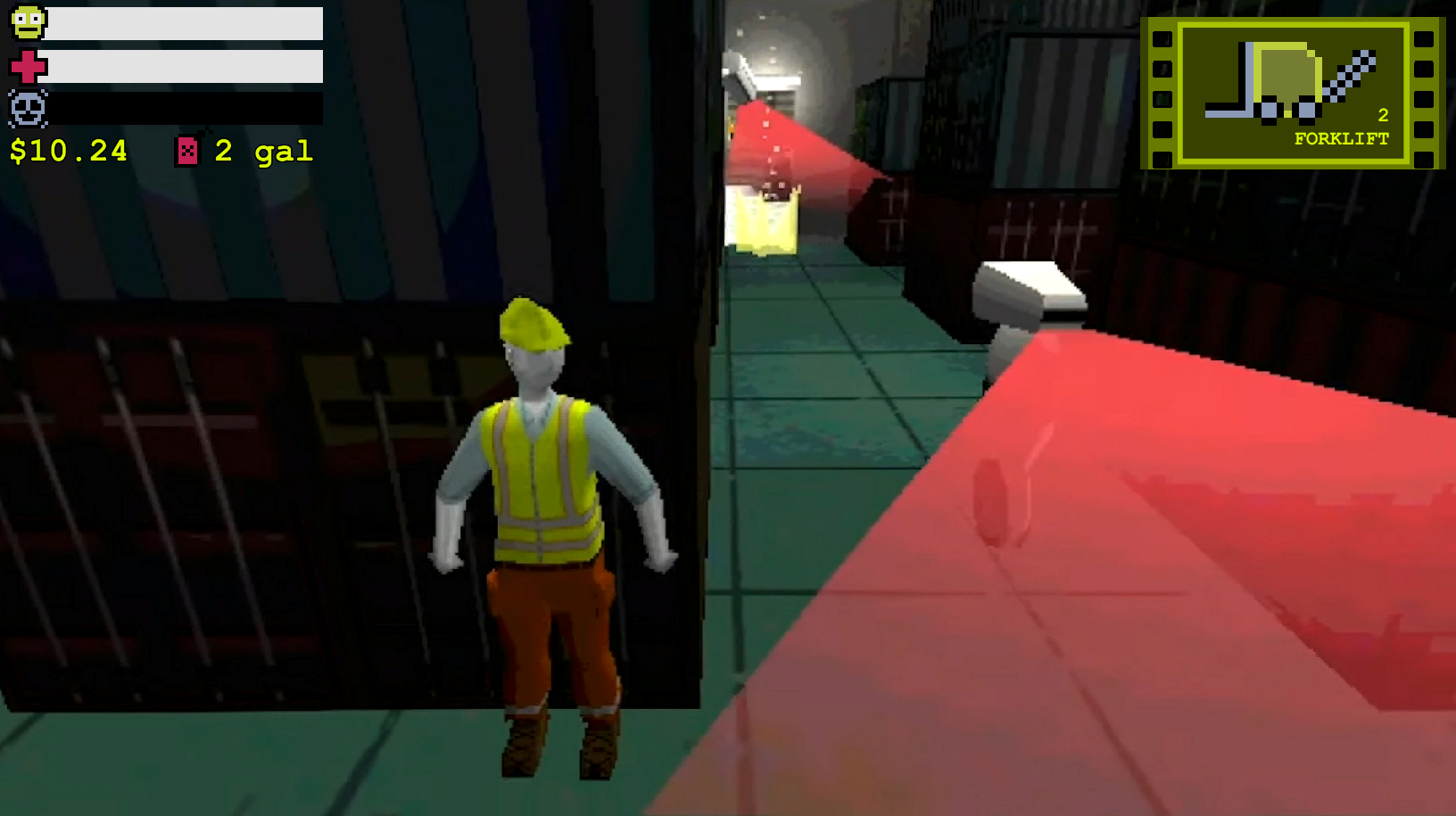
Leading the selection is Time Bandit, developed by Phoenixup, a game that provocatively engages with the concept of labor exploitation within a capitalist system. Unlike many games that abstract economic realities, Time Bandit directly integrates real-world time and weather conditions into its gameplay, creating a unique and often uncomfortable parallel between the player’s actual life and their in-game experience. This design choice is not merely a gimmick but a core mechanical pillar that reinforces the game’s central critique.
Mechanics and Socio-Economic Commentary
At its core, Time Bandit operates in two distinct phases: "on shift" and "off shift," determined by the player’s real-world clock. During "on shift" periods, players are assigned tasks on an in-game job site. These tasks are deliberately mundane and time-consuming, requiring significant real-world minutes or even hours to complete. Moving a virtual box, for instance, might take thirty minutes of actual time. This protracted task completion is attributed, within the game’s lore, to the production of "Time Crystals," implying that the player’s very time and effort are being commodified and extracted. This mechanic brilliantly simulates the feeling of alienated labor, where the worker’s effort feels disproportionately rewarded or, more accurately, absorbed by an opaque system. The design decision to make tasks tedious and drawn out serves as a powerful metaphor for the perceived inefficiency or exploitative nature of certain real-world labor conditions, where productivity is not solely tied to effort but to systemic requirements.
The "off shift" phase introduces a stealth mechanic, allowing players to clandestinely reclaim the "fruits of their labor" – the Time Crystals they ostensibly produced. This offers a quicker, albeit riskier, path to progression. This binary choice – to "peacefully labor in the sunlight" or "seize the means of production" – forms the game’s moral and strategic crux. It forces players to confront questions of agency, resistance, and the ethics of different forms of engagement with an exploitative system. The implication is clear: direct, conventional labor might be safer but yields less personal reward, while subversive action, though fraught with peril, offers a faster route to liberation or self-enrichment.
Background and Context: Games Critiquing Capitalism
Time Bandit joins a growing subgenre of indie games that overtly or subtly critique capitalist structures. Titles like Papers, Please (2013), which places players in the role of an immigration officer enforcing increasingly draconian rules, or Disco Elysium (2019), an RPG that deeply explores themes of political ideology and societal decay, have paved the way for games to tackle complex socio-economic issues head-on. Time Bandit distinguishes itself by directly tying gameplay to the player’s real-world time, making the critique of labor precarity and value extraction a deeply personal and immediate experience. This direct integration enhances the game’s impact, blurring the lines between the player’s virtual and actual existence, thereby intensifying the thematic message.
The game’s use of real-world weather further adds to its immersive quality, grounding the fantastical premise of Time Crystals in a tangible reality. This subtle detail contributes to the feeling that the game’s world is a persistent, living entity, indifferent to the player’s personal circumstances, much like the broader economic systems it critiques. Developer statements for similar games often indicate an intention to create empathy or critical awareness by making players embody roles that expose systemic flaws, and Time Bandit appears to follow this philosophy with remarkable commitment.
Ducky’s Delivery Service: Charm, Challenge, and Accessibility
Shifting gears from the critical to the charming, Ducky’s Delivery Service by ctmatthews offers a delightful yet surprisingly deep postal arcade experience. This game leverages an endearing aesthetic to deliver a package of challenging mechanics and robust accessibility features, demonstrating that "cute" does not preclude complexity or thoughtful design.
Gameplay Mechanics and Design Philosophy
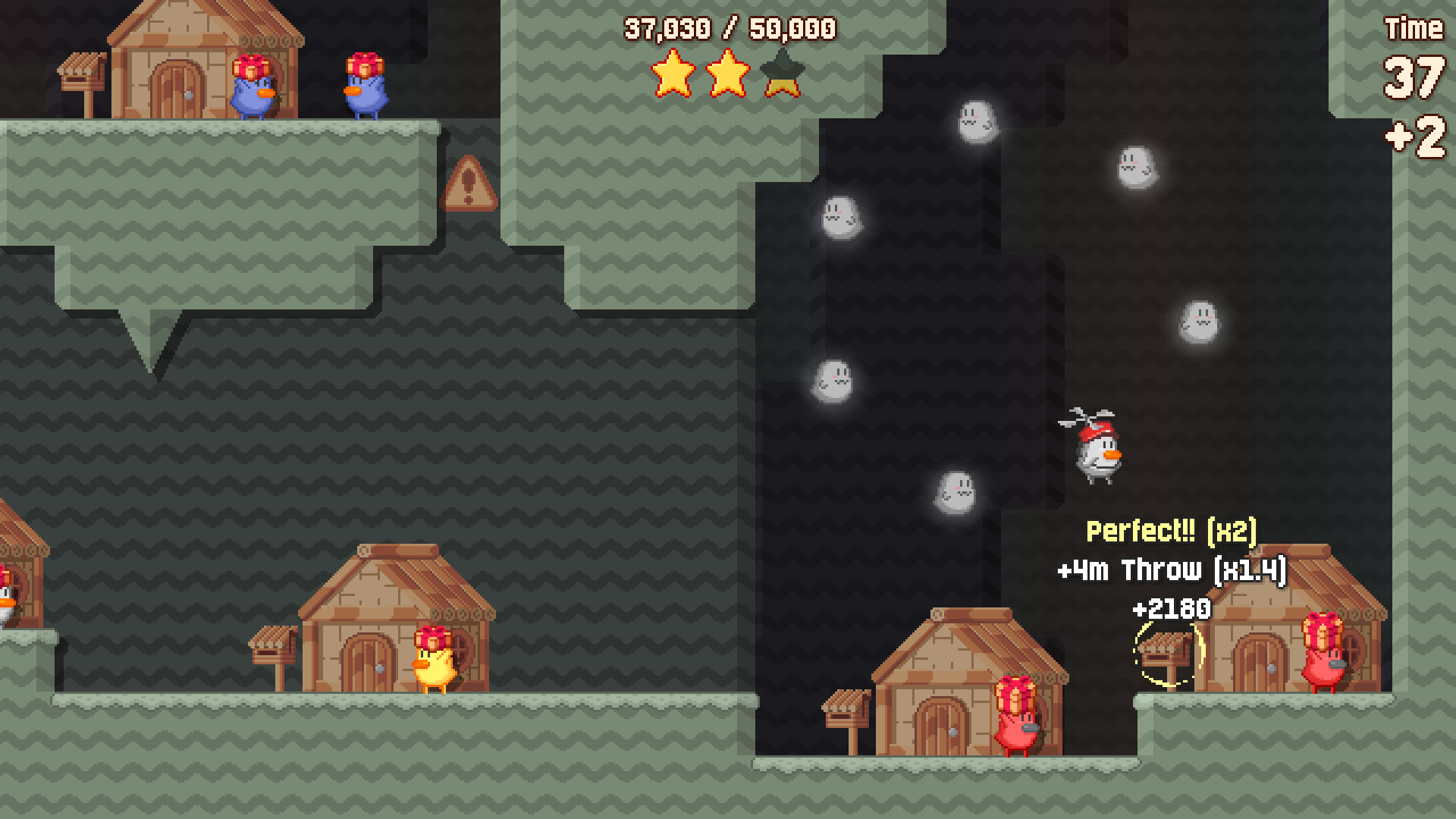
In Ducky’s Delivery Service, players control a cute duck equipped with a helicopter backpack, tasked with delivering packages across various levels. The core traversal mechanic involves "Balloon Flight-style" or "Flappy Bird-esque" button tapping to keep the duck airborne, requiring precise timing and rhythm. This seemingly simple control scheme belies a sophisticated scoring system that rewards "trickshots," combos, and efficient package delivery. The juxtaposition of an adorable protagonist and a demanding score-attack system creates a unique appeal, catering to both casual players drawn in by the aesthetic and hardcore enthusiasts seeking a high-score challenge.
The game’s level of care in design is evident in its dual nature: it can be as "kind or as sweaty" as the player desires. This flexibility is a hallmark of well-designed arcade titles that offer multiple layers of engagement. For casual players, simply completing levels and enjoying the charming visuals is a rewarding experience. For competitive players, optimizing routes, mastering trickshots, and chaining combos provides a deep well of replayability and skill progression. This design philosophy broadens its appeal, making it a standout in a genre that can often be perceived as niche.
Accessibility as a Core Feature
Perhaps one of the most significant aspects of Ducky’s Delivery Service is its "massive suite of accessibility tools." In an industry increasingly recognizing the importance of inclusive design, integrating comprehensive accessibility options from the ground up is a commendable practice. These tools allow players to "dial in the perfect balance" for their individual needs, whether it’s adjusting control sensitivity, visual cues, difficulty scaling, or other parameters. This commitment to accessibility ensures that a wider audience can enjoy the game, fostering a more inclusive gaming community.
The inclusion of extensive accessibility features not only demonstrates a commitment to player welfare but also sets a benchmark for indie game development. While AAA titles are often expected to include such features, their presence in an indie title underscores a growing awareness and dedication among smaller studios to make their games playable for everyone. This proactive approach to design reflects a broader ethical trend in game development, where player experience and inclusivity are prioritized alongside creative vision.
Context: The Arcade Revival and Indie Innovation
Ducky’s Delivery Service taps into the ongoing indie arcade revival, a movement that reimagines classic arcade sensibilities with modern design principles. Games like Celeste (2018) or Cuphead (2017) have demonstrated that challenging, skill-based gameplay remains highly popular, especially when paired with distinctive art styles and tight controls. Ducky’s Delivery Service contributes to this trend by offering a fresh take on a familiar mechanic, infusing it with personality and a player-centric approach to difficulty and accessibility. Player feedback on such titles frequently praises the blend of nostalgic gameplay with contemporary design sensibilities, making them highly engaging and replayable.
Communite: Building Worlds, Together
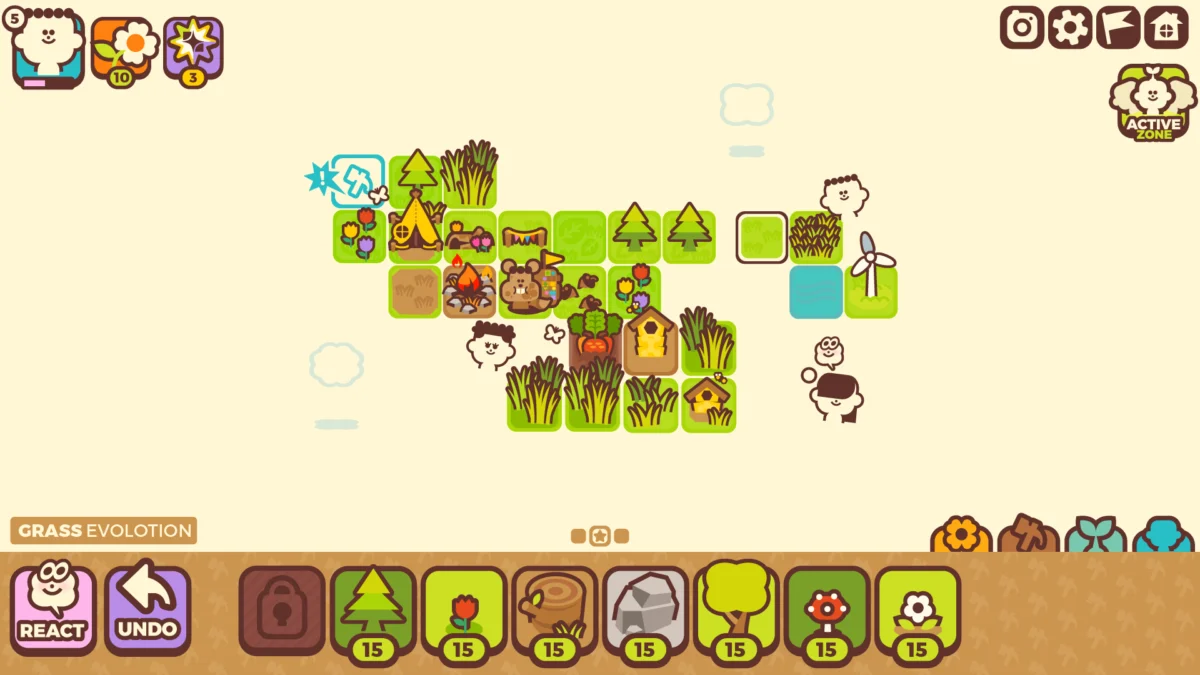
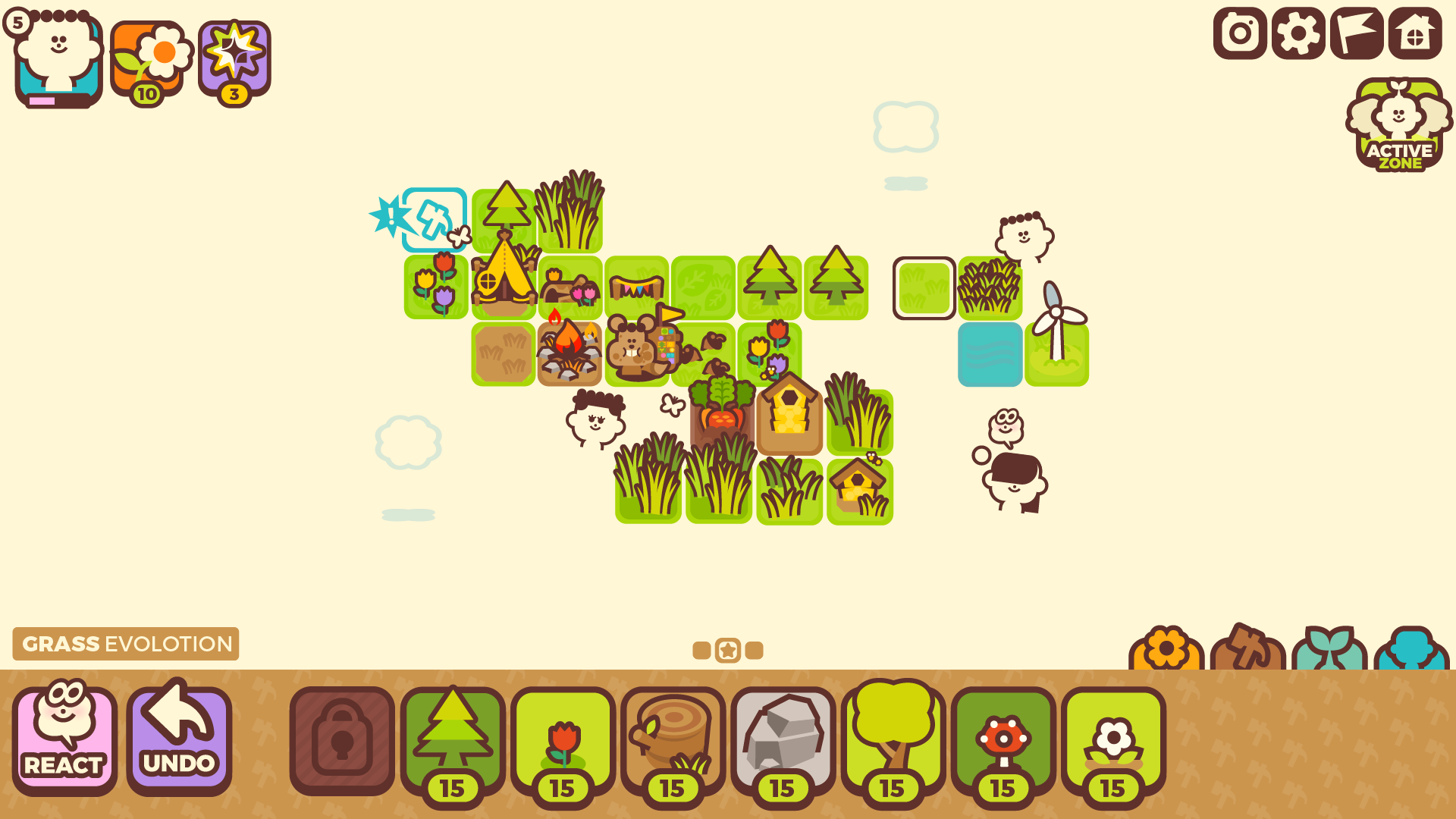
The third game in itch.io’s selection, Communite by jimjum, offers a stark contrast to the previous two, focusing entirely on collaboration and the quiet satisfaction of collective creation. This top-down world-building game eschews competition and individual glory in favor of shared progress, embodying its namesake’s ethos through its fundamental mechanics.
Collaborative Mechanics and Asynchronous Play
Communite is designed as a buildable world where every construction project requires contributions from multiple players. A player can initiate the building of a decoration or structure, but its completion hinges on others contributing their progress. This core mechanic transforms what might otherwise be a solitary creative endeavor into a communal garden, where everyone’s input is necessary for growth and beautification. The game actively directs players to areas "most under construction" upon logging in, ensuring that contributions are always channeled to where they are most needed, fostering a continuous cycle of mutual aid.
The genius of Communite lies in its "non-playing" gameplay loop, centered around a stamina system. Players have a limited amount of construction they can undertake at any given time, encouraging them to log out and return later. This asynchronous design is not a limitation but a feature, driving home the feeling of being "a small part of a collective." When players log back in, they witness the progress their community has made in their absence, experiencing a tangible sense of shared accomplishment. This design fosters a unique form of social interaction that emphasizes patience, trust, and the quiet joy of collective achievement without the pressure of real-time multiplayer coordination.
Background and Context: The Rise of Cozy Games and Social Simulations
Communite fits comfortably within the burgeoning "cozy game" genre, which prioritizes relaxation, creativity, and non-confrontational gameplay. Titles like Animal Crossing: New Horizons (2020) or Stardew Valley (2016) have popularized the idea of games as spaces for comfort and self-expression. Communite takes this a step further by making the "cozy" experience inherently communal. It draws parallels with social simulation games but differentiates itself by making collaboration a mandatory rather than optional aspect of world-building.
The game’s design implicitly addresses the psychological benefits of shared endeavors. In a world often characterized by individualistic pursuits, Communite offers a digital sanctuary where cooperation is paramount. The act of contributing to a larger project, seeing it grow, and knowing that others are doing the same can be incredibly fulfilling, providing a sense of belonging and collective purpose. This model of gaming reflects a growing desire among players for positive, low-stress social interactions within virtual worlds. The "stamina system" in particular, by encouraging breaks, aligns with principles of healthy screen time and allows the organic, unforced development of the communal world.
The Role of itch.io in Fostering Indie Innovation
The curation of titles like Time Bandit, Ducky’s Delivery Service, and Communite by itch.io is integral to the platform’s mission. Since its inception, itch.io has positioned itself as a developer-friendly marketplace, known for its flexible revenue sharing, ease of publishing, and a diverse catalog that often includes experimental, politically charged, or niche titles that might not find a home on larger, more commercially driven platforms.
A Hub for Diverse Voices
itch.io’s "Games of the Week" feature serves as a crucial discovery mechanism, shining a spotlight on games that might otherwise be overlooked. It provides visibility to smaller developers and helps players navigate the vast and ever-growing library of indie games. The platform’s commitment to showcasing a wide array of genres, themes, and artistic styles has made it a vital ecosystem for creative freedom in game development. This consistent curation helps reinforce itch.io’s identity as a place where innovation and artistic merit are highly valued, attracting both developers seeking an open platform and players looking for unique experiences.
Implications for the Gaming Industry
The themes explored in these "Games of the Week" have broader implications for the gaming industry and its audience. Time Bandit challenges players to reflect on their relationship with labor and economic systems, potentially fostering critical thinking about real-world issues. Ducky’s Delivery Service highlights the importance of inclusive design and the enduring appeal of well-crafted arcade mechanics, demonstrating that accessibility can be a feature, not an afterthought. Communite showcases the power of cooperative play and asynchronous social interaction to build positive, low-stress gaming communities.
Collectively, these games represent a segment of the indie scene that is pushing the boundaries of what video games can be. They demonstrate that games are not merely escapist fantasies but powerful tools for storytelling, social commentary, and community building. As the gaming audience continues to diversify, the demand for varied experiences that resonate with different aspects of human life and societal concerns will likely grow. Platforms like itch.io, through their thoughtful curation and support for independent creators, are instrumental in meeting this demand and shaping the future of interactive entertainment. The continued exploration of themes such as labor, community, and social critique ensures that the medium remains vibrant, relevant, and capable of addressing the complexities of the human experience.
About the Author