Pearl Abyss, the South Korean developer behind the highly anticipated action RPG Crimson Desert, has issued a formal apology to its player community for the undisclosed inclusion of assets created with generative artificial intelligence tools during the game’s production. The admission, made via a statement posted on X over the weekend of March 22-23, 2026, confirmed that certain "2D visual props" generated experimentally by AI had inadvertently made their way into the game’s launch build. This incident marks another significant instance where a major game studio has found itself seeking retrospective forgiveness rather than proactively obtaining player consent or disclosing its use of the increasingly controversial technology, reigniting discussions about transparency, ethical practices, and the future role of AI in game development.
Background on Pearl Abyss and Crimson Desert
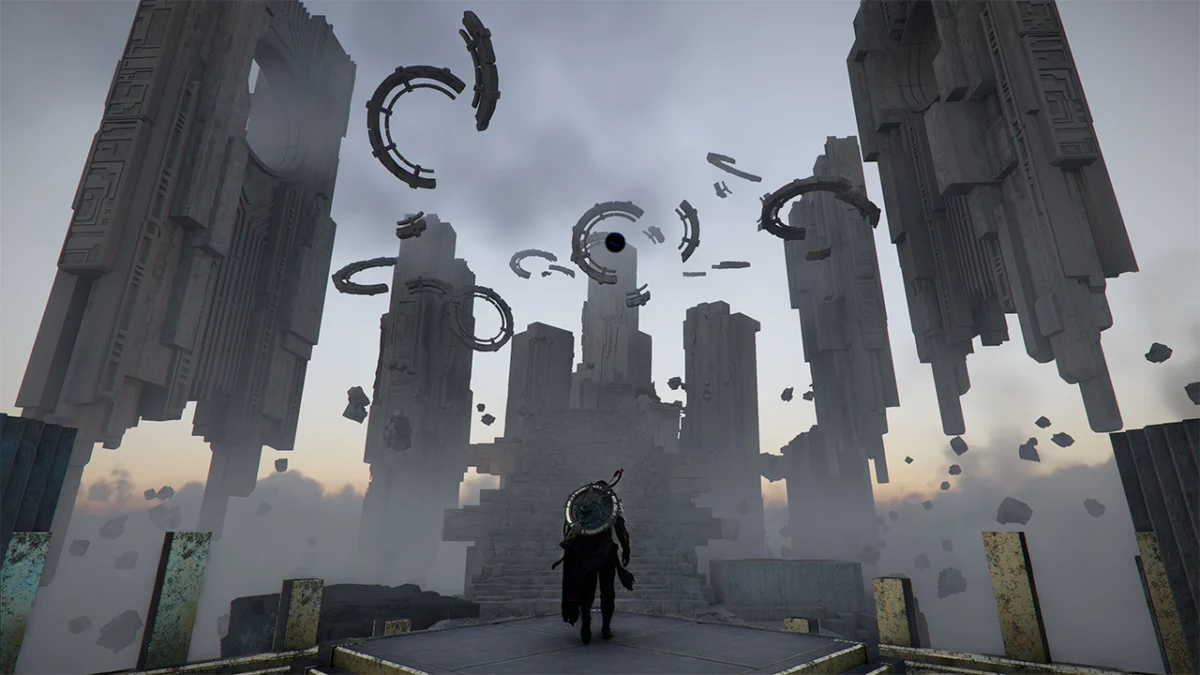
Pearl Abyss has long been a prominent name in the global gaming landscape, particularly known for its visually stunning and expansive MMORPG, Black Desert Online. The studio has cultivated a reputation for pushing graphical boundaries and delivering rich, immersive experiences. Crimson Desert, first unveiled in 2020, was positioned as their next-generation flagship title, a spiritual successor to Black Desert Online but with a stronger focus on single-player narrative and open-world action. Anticipation for the game has been exceptionally high, with fans eagerly awaiting its detailed world, intricate combat systems, and captivating story. The game has undergone several development cycles, with Pearl Abyss often showcasing its proprietary "BlackSpace Engine" as a testament to its technological prowess and commitment to high-fidelity graphics. The revelation of AI-generated content, however unintentional, introduces a new layer of complexity to the perception of a game that has been marketed on its artisanal craftsmanship and cutting-edge in-house technology.
The Discovery and Community Reaction
The issue came to light not through an official announcement from Pearl Abyss, but rather through the diligent observations and subsequent reports from the Crimson Desert community itself. Players, keen-eyed for details in trailers, promotional materials, or early access builds, began to identify visual elements that exhibited characteristics commonly associated with generative AI output – particularly certain patterns, stylistic inconsistencies, or artifacts that deviate from traditional hand-crafted assets. While the specific nature of these "2D visual props" has not been exhaustively detailed by the studio, such assets often include environmental textures, background elements, minor decorative items, or UI components. The community’s immediate reaction was a mix of disappointment, concern, and a demand for clarity, reflecting a broader skepticism within the gaming audience regarding AI’s place in creative endeavors. This sentiment underscores a growing expectation for full transparency from developers, especially concerning technologies that raise ethical questions about artistic integrity and labor displacement.
Pearl Abyss’s Official Apology and Explanation
In its statement on X, Pearl Abyss acknowledged the community’s reports and took full responsibility for the oversight. The studio clarified that "experimental AI generative tools" were indeed utilized during the "early stages of production" for Crimson Desert. The primary purpose, according to the developers, was to "rapidly explore tone and atmosphere" by generating various "2D visual props." This approach is not uncommon in the initial concept phase of game development, where speed and iteration are crucial for ideation. However, Pearl Abyss stated its explicit intention was to remove all such AI-generated assets before the game’s final release, ensuring the finished product adhered strictly to its "quality standards and creative direction," which presumably entails exclusively human-crafted art.
"Following reports from our community, we have identified that some of these assets were unintentionally included in the final release. This is not in line with our internal standards, and we take full responsibility for it," the statement read. "We also acknowledge that we should have clearly disclosed our use of AI. While these tools were primarily used during early production, with the expectation that these assets would be replaced prior to release, we recognize that this does not excuse the lack of transparency." This admission highlights a critical failure in their internal asset management and quality assurance processes, allowing placeholder content to persist into a public-facing build. The studio emphasized that a "comprehensive audit" of all in-game assets is now underway, with a commitment to replacing any affected content through upcoming patches. Furthermore, Pearl Abyss pledged to review and strengthen its internal processes to ensure "greater transparency and consistency in how we communicate with players moving forward."
The Broader Context of AI in Game Development
The incident involving Crimson Desert is far from isolated and reflects a significant, ongoing tension within the video game industry regarding the adoption of generative AI. The technology, capable of producing text, images, audio, and even 3D models from simple prompts, promises to revolutionize development pipelines by accelerating content creation, prototyping, and asset generation. Proponents argue that AI can free up artists and designers from repetitive tasks, allowing them to focus on higher-level creative work and potentially reduce development costs and timelines.
However, the rapid integration of generative AI has been met with considerable resistance and ethical concerns from various stakeholders, particularly artists, writers, and voice actors. The latest GDC State of the Industry survey, published earlier in 2026, revealed a stark division among game developers: while approximately one-third reported using generative AI tools in their work, nearly half believe the technology is detrimental to the industry. The primary concerns cited include the potential for job displacement, the degradation of artistic quality, and the ethical implications of training AI models on existing copyrighted works without proper attribution or compensation. Many creatives express worries that an over-reliance on AI could lead to a homogenization of artistic styles, dilute creative originality, and ultimately devalue human artistry. The Crimson Desert situation exemplifies these fears, demonstrating how even "experimental" or "placeholder" use can erode trust if not handled with utmost transparency.
Industry Precedents: Other Studios’ AI Controversies
Pearl Abyss is not the first major studio to face scrutiny over its undisclosed use of generative AI. In the preceding year, similar apologies were issued by other prominent developers, underscoring a recurring pattern of "seek forgiveness, not permission" within the industry.
- Ubisoft and Anno 117: Pax Romana: In late 2025, Ubisoft, a titan in the gaming world, apologized after AI-generated placeholder artwork was discovered in promotional materials for Anno 117: Pax Romana. The images, intended for internal concepting, accidentally slipped into public view, drawing criticism from fans and artists alike. Ubisoft also stated its intention was to replace these assets with human-created art but admitted to a lapse in oversight.
- 11 Bit Studios and The Alters: Around the same time, Polish developer 11 Bit Studios, known for critically acclaimed titles like This War of Mine, issued an apology for not disclosing its use of generative AI in The Alters. While the extent of AI use was described as minimal and primarily for early concepting, the studio recognized the importance of transparency and committed to better disclosure practices moving forward.
These incidents, alongside Pearl Abyss’s, illustrate a systemic challenge within the industry: the rapid adoption of new, powerful tools without clear guidelines, ethical frameworks, or robust internal controls for their public-facing deployment. They highlight a growing disconnect between developers’ internal experimental use of AI and the public’s expectation for authenticity and transparency in creative works.
The Legal and Ethical Quagmire of Generative AI
Beyond the immediate concerns of transparency and artistic integrity, the use of generative AI in creative industries, including gaming, is deeply entangled in complex legal and ethical debates, particularly concerning intellectual property and copyright. The core issue revolves around how AI models are trained. Many prominent generative AI tools, including those from major purveyors like OpenAI (ChatGPT, DALL-E), Microsoft (Copilot), and Anthropic (Claude), have been trained on vast datasets scraped from the internet, often including copyrighted books, articles, images, and code, without explicit permission from the original creators.
This practice has led to a wave of high-profile lawsuits. Dictionaries, newspaper consortiums, and individual artists have sued OpenAI, Microsoft, and others, alleging copyright infringement. They argue that the AI models are essentially creating derivative works based on stolen content, or that the act of training on copyrighted material itself constitutes infringement. While some cases have seen settlements, such as Anthropic’s agreement with certain authors, the legal landscape remains largely unsettled, with courts grappling with novel questions of AI authorship, fair use, and digital rights.
The Crimson Desert incident, even if the AI use was limited to "2D visual props" and unintentional, contributes to this broader legal and ethical uncertainty. Players and artists are increasingly demanding to know the provenance of AI-generated assets: were the tools used trained on ethically sourced data? Is the studio inadvertently incorporating content derived from copyrighted material? These questions underscore the need for developers to not only disclose AI use but also to be transparent about the AI tools themselves and their training methodologies.
Implications for Player Trust and Studio Transparency
The Pearl Abyss apology, much like those from Ubisoft and 11 Bit Studios, serves as a stark reminder of the fragile nature of player trust. In an era where authenticity and creator transparency are highly valued, the clandestine use of generative AI, however minor or unintentional, can significantly damage a studio’s reputation. Players invest not just money, but also emotional energy and loyalty, into the games they love and the studios that create them. Discovering that parts of a highly anticipated title might have been generated by AI, particularly when human artistry is celebrated, can feel like a betrayal.
This incident is likely to intensify calls for industry-wide standards regarding AI disclosure. While there are currently no universal regulations, pressure from player communities, artist guilds, and potentially even regulatory bodies could lead to mandates for clear labeling of AI-generated content in games, similar to how content warnings or age ratings are applied. Such transparency would empower players to make informed decisions about the games they support and allow them to differentiate between purely human-crafted experiences and those that integrate AI. For studios, proactively establishing clear policies and openly communicating about AI use, even experimental use, will be crucial for maintaining credibility and fostering a positive relationship with their audience.
Looking Ahead: Audits, Patches, and Policy Changes
Pearl Abyss’s commitment to a "comprehensive audit" and subsequent replacement of AI-generated assets via "upcoming patches" is a necessary step towards rectifying the situation. This process will likely be labor-intensive, requiring meticulous review of potentially thousands of assets and the creation of new, human-made replacements. The speed and quality of these replacements will be critical in demonstrating the studio’s sincerity and commitment to its artistic standards.
In parallel, the promise to "review and strengthen our internal processes" suggests that this incident may serve as a catalyst for significant policy changes within Pearl Abyss. This could involve implementing stricter protocols for asset vetting, mandatory disclosure requirements for AI tools, and enhanced quality assurance checks to prevent similar slip-ups in the future. The broader game development community will undoubtedly watch these developments closely, as Pearl Abyss’s response could set a precedent for how other studios manage and communicate their own AI strategies.
Conclusion: The Evolving Landscape of Game Creation
The Crimson Desert AI controversy encapsulates a pivotal moment in the video game industry’s evolution. Generative AI offers undeniable efficiencies and new creative avenues, but its integration is fraught with ethical dilemmas, legal complexities, and potential threats to artistic integrity and player trust. As technology continues to advance, the dialogue around AI in game development must shift from merely acknowledging its existence to establishing robust frameworks for ethical use, transparency, and accountability. Studios like Pearl Abyss, in navigating these challenges, have an opportunity to lead by example, demonstrating that innovation can coexist with respect for human artistry and a deep commitment to player transparency. The future of game creation will undoubtedly be shaped by AI, but how it is shaped – ethically, transparently, and with human creativity at its core – remains a collective responsibility.
About the Author