The 56th iteration of the globally recognized game development competition, Ludum Dare, concluded on October 7th, 2024, challenging thousands of developers worldwide to craft original games within a stringent 48- or 72-hour timeframe. With the evocative theme "Tiny Creatures," the event sparked an outpouring of creativity, resulting in over 800 new titles submitted and tagged #LudumDare56 on the indie game platform itch.io. Following an initial wave of recommendations, itch.io has unveiled a second curated selection, highlighting ten additional games that exemplify the diverse and innovative interpretations of the jam’s central theme. This latest showcase underscores the vibrant ingenuity within the independent game development community and itch.io’s pivotal role in amplifying these emerging works.
The Enduring Legacy of Ludum Dare: A Crucible for Creativity
Ludum Dare, Latin for "to make a game," stands as one of the longest-running and most influential game jams in the world. Originating in 2002, the event has grown from a small online gathering to a biannual phenomenon, attracting tens of thousands of participants globally. Its core philosophy revolves around rapid prototyping, encouraging developers to conceive, design, and implement a game from scratch within an extremely limited timeframe. This intense pressure often leads to highly focused, innovative, and sometimes surprisingly polished experiences, serving as a powerful incubator for new ideas and talent.
The competition typically operates under two main categories: the "Compo" and the "Jam." The Compo is the more restrictive category, demanding solo development within 48 hours, with all assets created during the jam. The Jam, by contrast, offers a more flexible 72-hour window, allowing for team participation and the use of pre-existing assets, provided they are declared. Both categories share the common goal of interpreting a secret theme, revealed at the start of the event, which for Ludum Dare 56 was "Tiny Creatures." This theme, intentionally broad yet evocative, prompted developers to explore concepts ranging from literal interpretations of microscopic life and small-scale ecosystems to metaphorical explorations of minimal impact or the significance of the seemingly insignificant.
For many aspiring and established developers, Ludum Dare is more than just a competition; it’s a community event, a learning experience, and a chance to push creative boundaries. It provides a unique opportunity to test new mechanics, experiment with unconventional narratives, and build a portfolio piece in a high-pressure, collaborative environment. The immediate feedback loop from peers and the broader gaming community, often facilitated through platforms like itch.io, is invaluable for refining design principles and understanding player reception.
itch.io: A Haven for Indie Innovation
itch.io has cemented its position as a vital platform for independent game developers, offering a user-friendly marketplace and a robust community infrastructure. Its open nature, developer-centric policies, and strong support for game jams make it a natural home for Ludum Dare submissions. The platform’s commitment to showcasing diverse voices and experimental projects aligns perfectly with the spirit of game jams, allowing both established and nascent creators to share their work directly with a global audience.
The platform’s dedicated tag system, exemplified by #LudumDare56, facilitates easy discovery and navigation of the hundreds of games produced during the event. itch.io’s editorial team regularly curates and highlights noteworthy titles, playing a crucial role in bringing deserving games to a wider audience. These curated lists, like the current one, not only celebrate individual achievements but also provide valuable insights into prevailing trends, innovative design choices, and the collective creative output of the jam.
A Deeper Dive into the "Tiny Creatures" Universe: itch.io’s Second Wave of Recommendations
The following ten games, meticulously selected by itch.io, represent a fascinating cross-section of genres and interpretations of the "Tiny Creatures" theme. From existential puzzles to strategic simulations, each title demonstrates the profound creativity that can blossom under tight constraints.
1. Creature Packets by Kenforest:
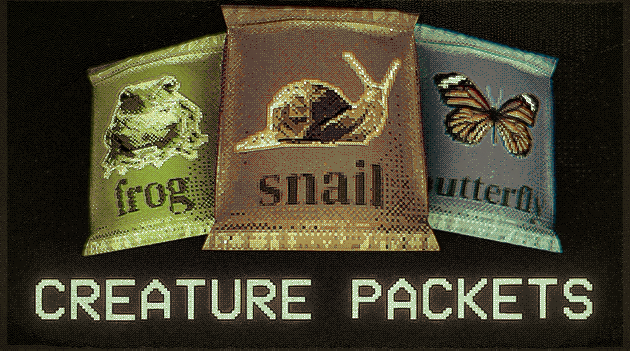
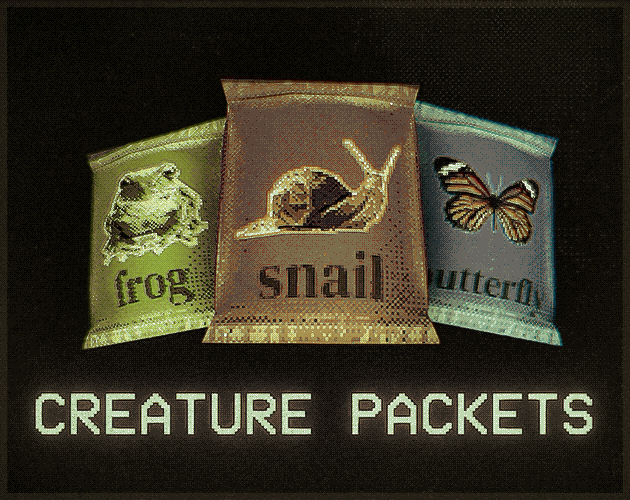
This game plunges players into a distinct PS1-era aesthetic, creating a nostalgic yet unsettling experience centered around the act of "cooking" tiny creatures. Players interact with a microwave to bring these packet-bound entities to life, then use a blender to combine substances, unlocking new creature recipes and pushing the boundaries of genetic experimentation. The game’s low-poly graphics and atmospheric sound design contribute to a uniquely eerie and experimental atmosphere. The "Tiny Creatures" theme is directly addressed through the literal manipulation and creation of small, often grotesque, organisms, inviting players to ponder the ethical implications of playing god with miniature life forms. Creature Packets is currently available for Windows.
2. Build The Sun by Punkcake:
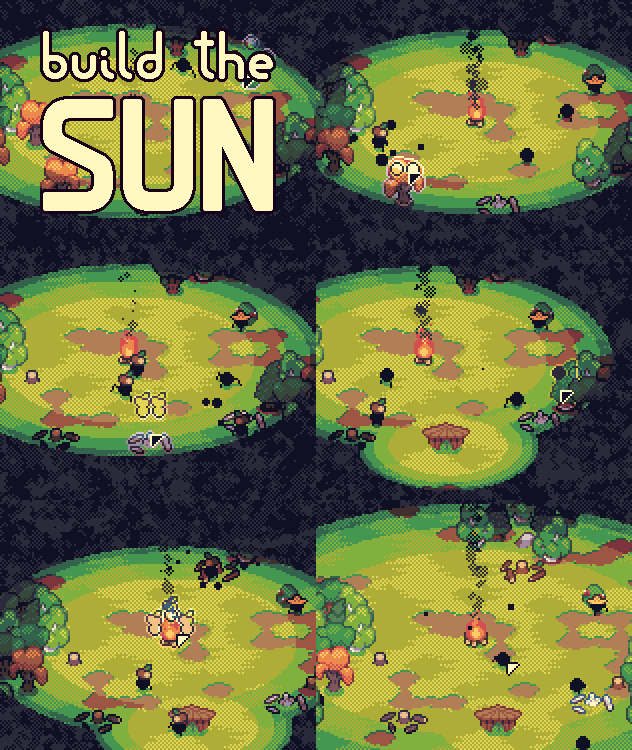
Build The Sun offers an ambitious "god game" experience, scaling from the microscopic to the cosmic. Players begin by nurturing a humble fire, exploring a nascent world, establishing settlements, and gathering resources. The ultimate objective is to continuously upgrade this initial flame until it evolves into a celestial body – a sun. The pixel-art aesthetic is both charming and effective, allowing for clear visual progression as the player’s influence expands. This game ingeniously interprets "Tiny Creatures" not just as literal beings, but as the initial, small-scale elements that, through strategic nurturing and expansion, can lead to the creation of something immensely grand and powerful. It’s a compelling narrative of growth from insignificance to cosmic dominance. Build The Sun supports Windows, macOS, and Linux.
3. Maginot by Vfqd:
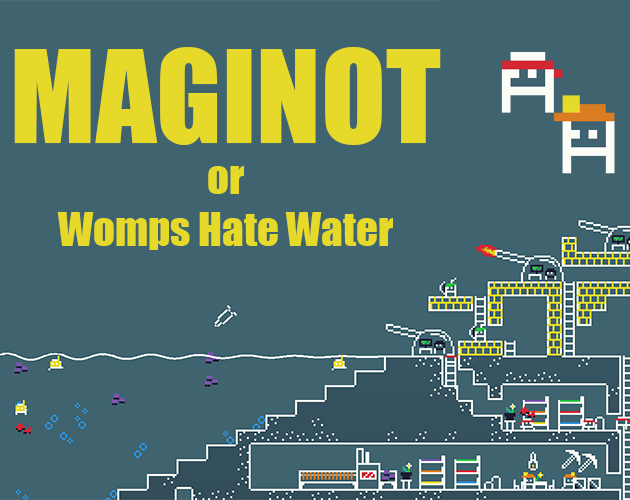
An incremental colony builder, Maginot tasks players with constructing a subterranean fortress while fending off the relentless encroachment of the sea. Players dig deep to unearth vital minerals, expand their colony’s infrastructure, and attract new "Womps" – the game’s titular tiny creatures who form the backbone of the workforce. The strategic depth lies in resource management and defensive planning against an ever-present environmental threat. The "Tiny Creatures" theme is embodied by the Womps, small but essential beings whose collective effort drives the colony’s survival and ultimate goal: the obliteration of the encroaching ocean. Maginot is a browser-playable experience.
4. Headquarters by Yogurtthehorse:
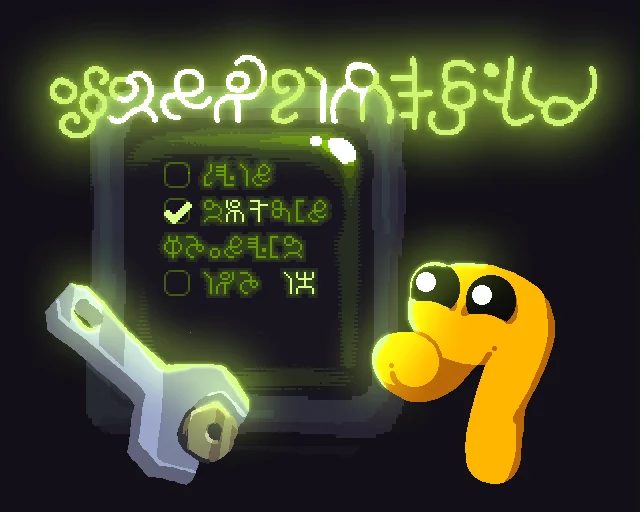
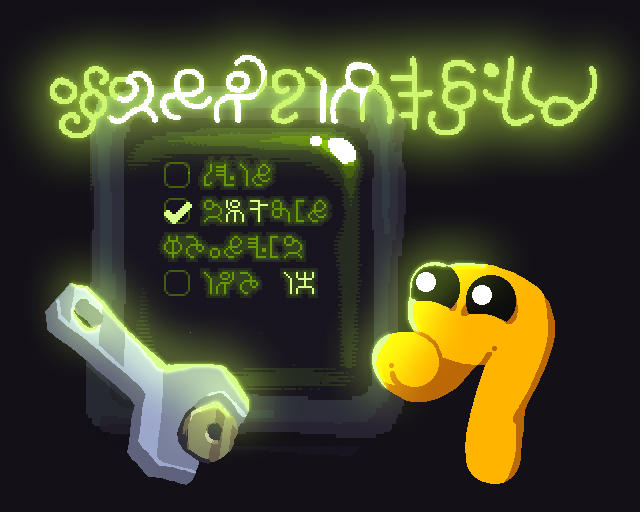
Headquarters deviates significantly from the more literal interpretations of the theme, presenting a mysterious point-and-click simulation game focused on deciphering an unknown alphabet. The game challenges players with cryptic puzzles and an evolving sense of discovery as they attempt to unlock the secrets embedded within a strange linguistic system. While not featuring explicit "tiny creatures," the game’s essence lies in the meticulous observation of small details, the incremental understanding of complex systems, and the idea that even the smallest units of information (like letters) can form the basis of vast meaning. The player’s role might be interpreted as a "tiny" agent attempting to comprehend a massive, alien intelligence. Headquarters is playable in browsers and available for Windows, Linux, and macOS.
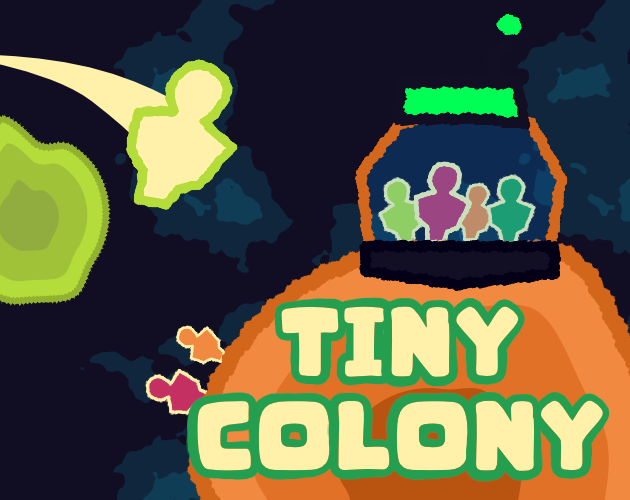
5. Tiny Colony by Mreliptik:
Tiny Colony delivers a unique blend of planetary colonization and slingshot-based physics. Players are tasked with sending their "tiny creatures" across vast interplanetary distances using a clever gravitational slingshot system. Success hinges on mastering orbital mechanics, utilizing the gravity of celestial bodies to accelerate and direct creatures while skillfully avoiding obstacles and the perilous void of space. The game beautifully juxtaposes the "tiny" scale of the creatures with the immense, unforgiving expanse of space, emphasizing precision and strategic planning in navigation. Tiny Colony is accessible via browser and available for Windows, Linux, and Android.
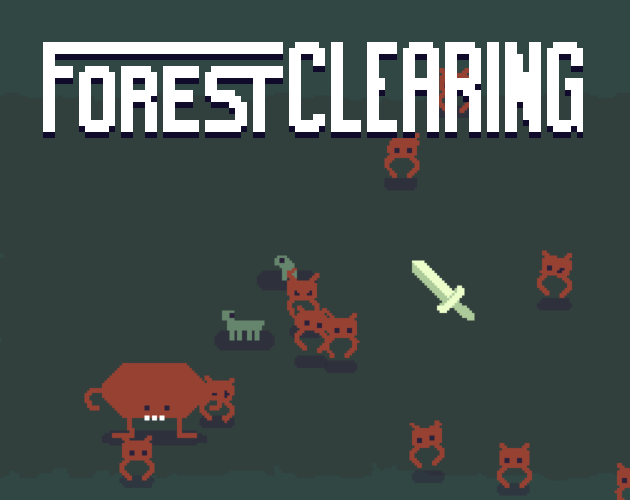
6. FOREST CLEARING by Jefvel:
This action-oriented game presents players with a stark moral dilemma: protect your small forest friends or harvest them for sustenance. Wielding a sword, players must defend their vulnerable companions from threats, but every inevitable death provides meat that can be used to purchase upgrades. This cycle of protection, sacrifice, and growth forms the core loop. The "Tiny Creatures" theme is quite literal here, with the player directly interacting with and making decisions about the fate of small, defenseless beings. The game explores themes of survival, resource management, and the difficult choices inherent in maintaining a fragile ecosystem. FOREST CLEARING is browser-playable and available for Windows.
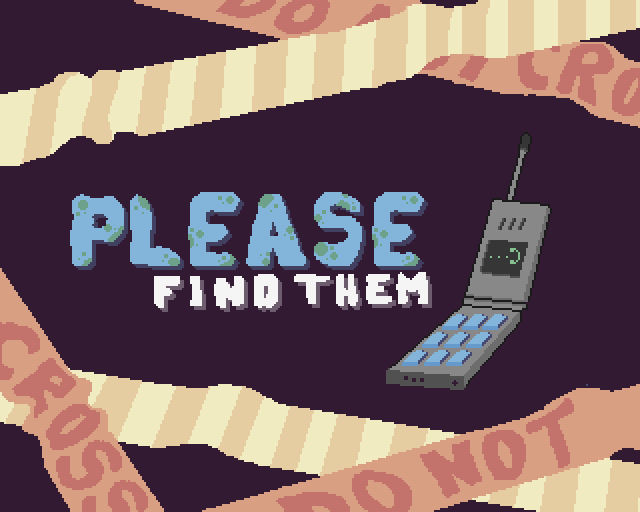
7. Please Find Them by Adamlenglen:
Please Find Them is a charming hidden object game that puts players in the role of an exterminator. However, instead of traditional pests, the objective is to locate small creatures that have mysteriously shrunk within people’s houses. The game leverages the "Tiny Creatures" theme to create intricate, detailed environments where players must meticulously scan for cleverly concealed entities. The challenge lies in keen observation and the ability to spot the minute differences that betray the creatures’ hiding spots, offering a delightful and engaging test of visual acuity. Please Find Them is a browser-based game.
8. Fear of the Ungnome by Scottts:
This first-person exploration and puzzle game sends players on a whimsical quest to locate their Great Aunt’s elusive gnome. Featuring procedurally generated elements, Fear of the Ungnome ensures a fresh experience with each playthrough, as environments and puzzle layouts shift. The "Tiny Creatures" theme is personified by the gnome itself – a small, mythical being that is central to the narrative. The game’s procedural generation emphasizes the idea of a small, hidden entity that can be found in a multitude of unpredictable locations, enhancing the sense of discovery and mystery within the household environment. Fear of the Ungnome is playable in browsers and available for Windows.
9. Mini Beasts by Cassowary:
Mini Beasts offers a straightforward yet addictive puzzle experience. Players are presented with a grid of colorful critters and challenged to rearrange them to match specific color patterns. The game’s simplicity belies its strategic depth, requiring careful planning and spatial reasoning to achieve optimal solutions. The "Tiny Creatures" theme is explicitly represented by the "critters" themselves, which serve as the core manipulative elements of the puzzle. The game focuses on the small-scale interaction and logical arrangement of these miniature beings, providing a satisfying mental exercise. Mini Beasts is a browser-playable title.
10. Vox Regis by Sheepolution:
In Vox Regis, players assume the role of a medieval king with a unique and unconventional tool for governance: their own voice. The game is a strategy title where the king’s task is to maintain control by creating chaos and keeping rebellious factions "small in size." Using voice commands, players lay blame on different groups, manipulating the populace and preventing any single faction from growing too powerful. This game offers a highly metaphorical interpretation of "Tiny Creatures," where the "tiny" refers to the controlled size of political dissent. The voice-controlled mechanic adds an innovative layer of interaction, making the player’s direct command feel potent and personal in shaping the fate of their kingdom. Vox Regis is browser-playable and available for Windows, macOS, and Linux.
The Broader Implications: Fostering Innovation and Community
The remarkable variety and quality of games emerging from Ludum Dare 56, as evidenced by itch.io’s ongoing recommendations, highlight several key aspects of the contemporary indie game development landscape. Firstly, game jams continue to be incredibly fertile ground for innovation. The imposed constraints, far from stifling creativity, often force developers to think outside conventional paradigms, leading to novel mechanics and compelling narratives. The "Tiny Creatures" theme, in particular, proved versatile enough to inspire everything from literal creature manipulation to abstract political strategy.
Secondly, the role of platforms like itch.io is indispensable. By providing an accessible platform for submission, discovery, and community engagement, itch.io acts as a crucial bridge between creators and players. Its curated lists not only give well-deserved exposure to individual projects but also serve as a vital resource for players seeking unique and experimental gaming experiences that might otherwise go unnoticed. This symbiotic relationship fosters a robust ecosystem where creativity is celebrated and supported.
Finally, the sheer volume of high-quality submissions—over 800 for Ludum Dare 56 alone—underscores the health and dynamism of the global indie game development community. Developers, whether veterans or newcomers, continue to embrace the challenge of rapid prototyping, using events like Ludum Dare to hone their skills, collaborate with peers, and contribute to a vibrant tapestry of digital entertainment. These games, born from intense creative sprints, often carry the seeds of larger, more ambitious projects, and their initial reception during the jam period can be instrumental in shaping their future development.
As the Ludum Dare 56 rating period continues and more players delve into these imaginative creations, the community eagerly anticipates which games will ultimately rise to prominence. The continued dedication of platforms like itch.io ensures that the fruits of these intense creative endeavors reach the widest possible audience, solidifying the game jam’s place as a cornerstone of modern game development. Players are encouraged to explore the full spectrum of Ludum Dare 56 games on itch.io to discover their own favorites and support the burgeoning talent within the independent scene.
About the Author