Microsoft’s Xbox division and streaming giant Netflix are actively engaged in discussions regarding potential subscription bundles, a move that could see Xbox Game Pass integrated with Netflix’s popular entertainment service. This exploration of a synergistic partnership was revealed by Netflix co-CEO Greg Peters during a recent conversation with The Information, highlighting a strategic convergence between two titans of the digital content landscape. Peters confirmed multiple meetings with Asha Sharma, the newly appointed head of Xbox, since her ascension to the leadership role in February, indicating a serious consideration of how their respective companies might collaborate on subscription offerings.
Strategic Alignment Amidst Leadership Transitions
The discussions come at a pivotal time for both companies, particularly for Xbox, which is navigating significant leadership changes. Asha Sharma stepped into the role of Xbox boss in February, reportedly succeeding Phil Spencer. Her appointment is part of a broader shake-up within the Xbox leadership team, which has seen several high-profile departures. Sarah Bond, former Xbox president, resigned, followed by Lori Wright, VP of partnerships, business development, and marketing, and Haiyan Zhang, general manager of gaming AI at Xbox. These transitions underscore a period of re-evaluation and strategic realignment for Microsoft’s gaming division, with Sharma at the helm, reportedly tasked with charting a new course.
Netflix co-CEO Greg Peters praised Sharma’s forward-thinking approach, stating that her philosophy is "all about, how do we do more?" This sentiment resonates with the exploratory nature of the bundle discussions, suggesting a shared vision for expanding consumer value and market reach through innovative partnerships. While Peters confirmed that "ideas have been kicked around" for how their companies could partner on subscription bundles and noted they "wouldn’t eliminate any possibilities," he also clarified that there are no concrete plans for a Netflix-Game Pass deal currently in place. Any potential collaboration would need to be structured in a way that "works for the consumer and works for both companies," a complex balancing act that requires careful consideration of pricing, content integration, and user experience. Peters also acknowledged that Microsoft is "still trying to figure out how to make the Game Pass bundle work for Microsoft," implying ongoing internal optimization efforts for their core gaming subscription service.
A History of Collaboration and Future Ambitions
The idea of a deeper partnership between Xbox and Netflix is not entirely new, as the two companies have a history of collaboration. A notable ongoing project is an upcoming Netflix animated series based on Mojang’s globally renowned video game, Minecraft. This existing creative synergy provides a foundation for more extensive strategic alliances, particularly in the realm of subscription services. The potential bundle represents a significant evolution of this relationship, moving beyond content licensing to a more integrated service offering.
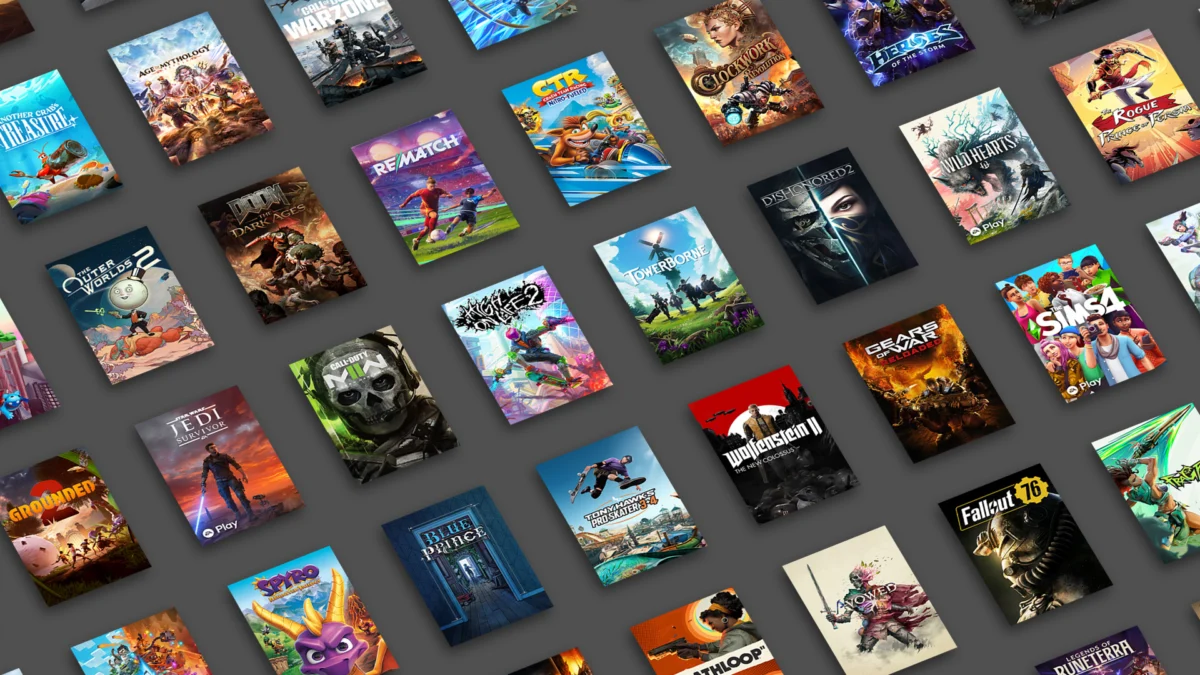
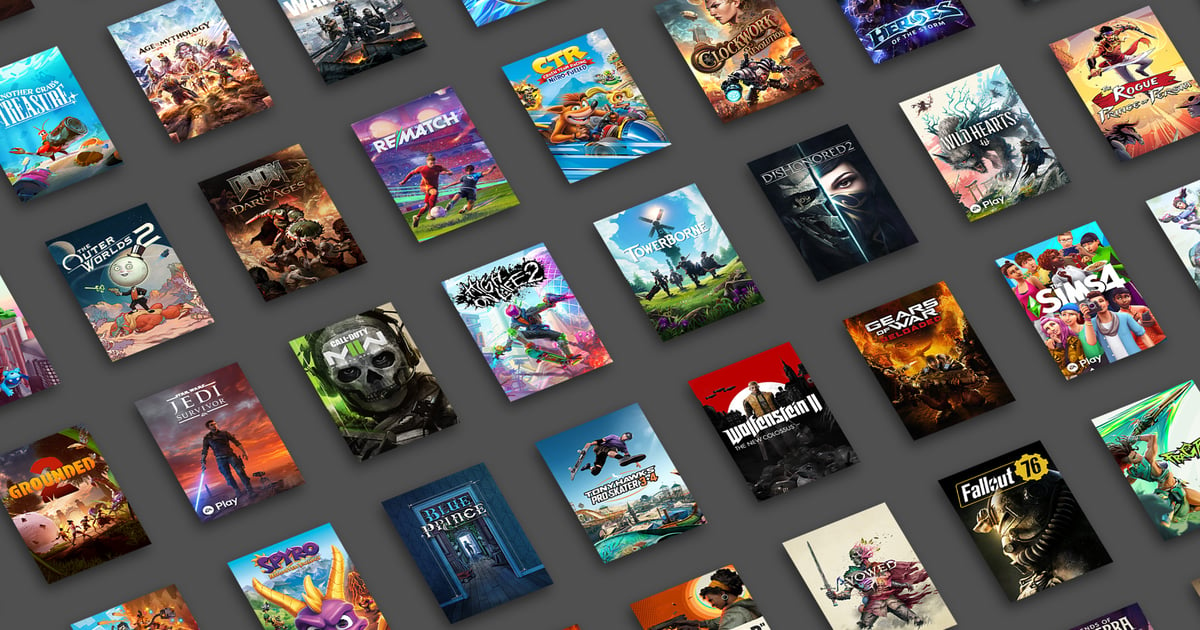
For Xbox, Game Pass has been a cornerstone of its strategy, aiming to be the "Netflix of gaming." Launched in June 2017, Game Pass offers subscribers access to a rotating catalog of games, including new first-party titles on day one. It has steadily grown its subscriber base, exceeding 33 million subscribers as of early 2024, though official precise figures are not consistently disclosed. The service has evolved through various tiers, with the ‘Ultimate’ tier providing access to PC games, cloud gaming, and an EA Play membership. This growth underscores the success of the subscription model in gaming, mirroring the trajectory of video streaming services.
Evolving Game Pass Pricing and Market Dynamics
The Information’s report also suggests that Asha Sharma is considering a revamp of the Xbox Game Pass pricing structure, potentially introducing lower-priced tiers. This consideration follows a significant pricing adjustment in October 2025, when Microsoft reworked Game Pass’s tiers, increasing the cost of the ‘Ultimate’ tier by 50 percent, from $19.99/month to $29.99/month. This price hike was justified by Microsoft as an effort to "offer more flexibility, choice, and value to all players." However, such increases can sometimes lead to subscriber churn or make the service less accessible to new users.
The potential introduction of lower-priced tiers under Sharma’s leadership could be a strategic move to broaden the appeal of Game Pass, attracting a wider demographic of players who might be hesitant to commit to the higher-priced Ultimate tier. This strategy aligns with Peters’ observation that Microsoft is still optimizing Game Pass. A more flexible pricing model could make Game Pass more attractive for bundling with a service like Netflix, allowing for diverse package options that cater to different consumer needs and budgets. For instance, a basic Game Pass tier could be bundled with a basic Netflix subscription, offering an entry point for casual gamers and streamers alike.
Netflix’s Expanding Gaming Footprint
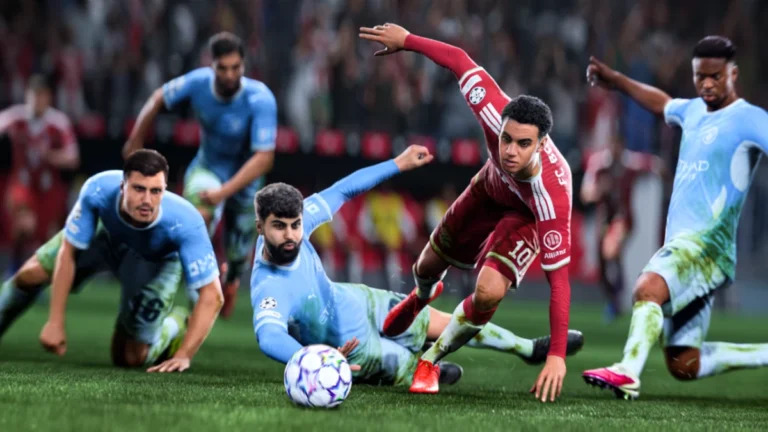
Concurrently, Netflix has been making significant strides in its own gaming division. Initially focusing on mobile games included with subscriptions, Netflix’s gaming strategy is evolving towards a more ambitious "cloud-first strategy." Greg Peters explained that the streamer’s video game division will prioritize bringing cloud-based titles to television screens in 2026. This expansion includes the addition of new titles such as a recently announced soccer simulator from Delphi Interactive and FIFA, indicating a move towards more premium and interactive gaming experiences.
Netflix’s pivot towards cloud gaming on TVs is a clear signal of its intent to become a more serious player in the gaming industry. By leveraging its vast subscriber base (exceeding 270 million globally as of Q1 2024) and established streaming infrastructure, Netflix aims to differentiate its offering in a crowded entertainment market. However, building a robust cloud gaming platform and an extensive library of high-quality games from scratch is a capital-intensive and time-consuming endeavor. Partnering with Xbox Game Pass could provide Netflix with an immediate, mature, and diverse library of games, significantly accelerating its cloud gaming ambitions without incurring the full development costs. Furthermore, it could potentially leverage Microsoft’s Azure cloud infrastructure, which already powers Xbox Cloud Gaming, offering a seamless technical integration path.
The Potential Implications of a Mega-Bundle
The exploration of an Xbox Game Pass and Netflix bundle carries profound implications for both companies and the broader digital entertainment industry.
For Xbox and Microsoft:
- Expanded Reach and Subscriber Growth: A bundle with Netflix, which boasts a global subscriber base many times larger than Game Pass, could significantly expand Game Pass’s reach to new audiences, including those who are primarily consumers of video entertainment but might be open to gaming. This could translate into a substantial increase in Game Pass subscribers.
- Enhanced Value Proposition: Combining two popular subscription services could create an exceptionally compelling value proposition for consumers, potentially reducing subscription fatigue by offering a comprehensive entertainment package at a competitive price.
- Competitive Advantage: Such a bundle would differentiate Xbox Game Pass from competing gaming subscription services like PlayStation Plus and Nintendo Switch Online, which do not currently offer integrated video streaming services of Netflix’s caliber.
- Synergy with Cloud Strategy: Leveraging Netflix’s streaming expertise and potentially integrating with its TV-centric cloud gaming strategy could further solidify Xbox’s position in the evolving cloud gaming market.
- IP Cross-Pollination: Beyond Minecraft, future bundles could open doors for more extensive cross-promotion of intellectual properties, leading to Netflix series based on popular Xbox game franchises and vice versa.
For Netflix:
- Accelerated Gaming Growth: Access to the extensive Game Pass library would instantly elevate Netflix’s gaming offering, making it a serious contender in the gaming subscription space without the need to build a massive first-party content library from the ground up.
- Stronger Differentiator: In an increasingly competitive streaming market, a Game Pass bundle could be a powerful differentiator, attracting new subscribers and reducing churn by offering a unique combination of video and gaming content.
- Leveraging Existing Infrastructure: A partnership could potentially allow Netflix to tap into Microsoft’s established cloud gaming infrastructure (Azure), significantly reducing the technical hurdles and investment required to scale its cloud gaming ambitions.
- New Revenue Streams: While the specifics of revenue sharing would be complex, a successful bundle could create new revenue streams for Netflix, diversifying its business beyond traditional video streaming.
- Combating Churn: Offering such a robust entertainment package could significantly improve subscriber retention, a key metric in the highly competitive streaming industry.
Challenges and Considerations:
Despite the numerous potential benefits, forging such a mega-bundle presents several challenges:
- Pricing Complexity: Determining a pricing model that is attractive to consumers while providing fair revenue sharing for both companies will be intricate. The bundle must offer clear value over subscribing to each service individually.
- Technical Integration: Ensuring a seamless user experience across different platforms and devices (consoles, PCs, mobile, smart TVs) for both Game Pass and Netflix will require significant technical coordination.
- Brand Identity and Marketing: Maintaining distinct brand identities while promoting a unified bundle could be challenging. Clear messaging will be essential to avoid confusion among consumers.
- Regulatory Scrutiny: Given the size and market influence of both Microsoft and Netflix, any major partnership could attract regulatory attention, particularly concerning competition and market dominance.
- Content Rights and Exclusivity: Managing content rights and potential exclusivity arrangements for games and shows within the bundled offering will add layers of complexity.
Broader Industry Impact:
Should an Xbox Game Pass and Netflix bundle materialize, it would represent a significant precedent for cross-platform entertainment offerings. This trend towards "super bundles" could reshape consumer expectations, pushing other technology and entertainment companies to explore similar integrated services. It signals a move towards comprehensive entertainment ecosystems, where the lines between gaming, video, and other digital content continue to blur. This strategic move could intensify competition across both the gaming and streaming sectors, forcing rivals to innovate or seek out their own synergistic partnerships.
Conclusion: A Glimpse into the Future of Entertainment
The discussions between Xbox and Netflix, while still in their nascent stages, offer a compelling glimpse into the future of digital entertainment. Under Asha Sharma’s new leadership, Xbox appears poised to explore innovative avenues for growth and expansion, while Netflix continues its ambitious push into gaming. The convergence of these two entertainment powerhouses through a potential subscription bundle could redefine consumer expectations for value and convenience, signaling a new era of integrated digital experiences. As both companies continue to navigate competitive landscapes and evolving consumer demands, their willingness to "kick around ideas" for such a groundbreaking partnership underscores a shared vision for pushing the boundaries of what a subscription service can offer. The industry will undoubtedly watch closely as these preliminary discussions potentially evolve into concrete plans that could forever alter how we consume games and entertainment.
About the Author