The personal computer landscape, long dominated by incremental performance gains, has witnessed a significant shift, with a veteran builder noting an eleven-year span for a primary PC case and a five-year hiatus since a major upgrade. This sentiment, echoing earlier observations that "the PC is over," underscores a perceived stagnation in conventional PC upgrades, driving innovation towards new paradigms. The current evolution of desktop computing is not solely defined by raw speed, though performance improvements remain a factor, but increasingly by the ability to package formidable power into remarkably compact footprints. This trend toward Small Form Factor (SFF) builds represents a pivotal moment, challenging traditional notions of what a high-performance PC can be.
The Evolving Landscape of PC Upgrades
For decades, the allure of PC ownership was inextricably linked to the relentless cycle of upgrades, each promising a tangible leap in processing power, graphics capability, or storage capacity. Enthusiasts eagerly anticipated new CPU architectures, faster RAM generations, and more powerful graphics cards, driving a dynamic market. However, as computing power reached unprecedented levels and software demands stabilized for many users, the necessity for frequent, significant upgrades began to wane. The author’s personal experience, maintaining a PC case since 2011 and foregoing a major overhaul since 2015, is emblematic of this broader trend. While individual components like CPUs and GPUs still offer generational improvements, the overall user experience for everyday tasks has matured, leading to a perception that PC upgrades have become "really boring." This shift has compelled both manufacturers and consumers to seek new value propositions beyond sheer horsepower, with aesthetics, space efficiency, and integration into modern living environments gaining prominence. The market has diversified, catering not just to raw performance but also to specialized niches, including professional workstations, media centers, and, crucially, compact gaming rigs and productivity machines. This re-evaluation of PC value has paved the way for the SFF movement, which focuses on performance density rather than just peak performance.
The Rise of Small Form Factor (SFF) PCs
The concept of Small Form Factor PCs is not entirely new, but its recent surge in popularity marks a significant inflection point in desktop computing. SFF refers to personal computers built into cases significantly smaller than traditional mid-tower or full-tower ATX enclosures, typically ranging from under 10 liters to around 20 liters in internal volume. The primary drivers behind this movement are multi-faceted: a growing demand for minimalist aesthetics that blend seamlessly into modern homes and offices, the need for space-saving solutions in increasingly compact living spaces, and the desire for portable yet powerful computing platforms. Historically, achieving high performance in small cases was fraught with compromises, primarily concerning thermal management and component compatibility. However, advancements in hardware miniaturization have drastically altered this landscape. The widespread adoption of M.2 NVMe SSDs has eliminated bulky 2.5-inch and 3.5-inch drives, while the development of efficient SFX and SFX-L power supplies provides ample power in a smaller footprint. Furthermore, graphics card manufacturers have begun offering compact versions of their high-end GPUs, specifically designed to fit into SFF enclosures without sacrificing significant performance. This confluence of technological advancements has allowed SFF PCs to move beyond niche enthusiast projects to a viable and increasingly attractive option for mainstream users seeking powerful, elegant, and space-efficient desktops. Market analysis indicates a steady growth in the SFF segment, with consumers actively seeking out these optimized designs.

Case Study: A Deep Dive into SFF Chassis Design
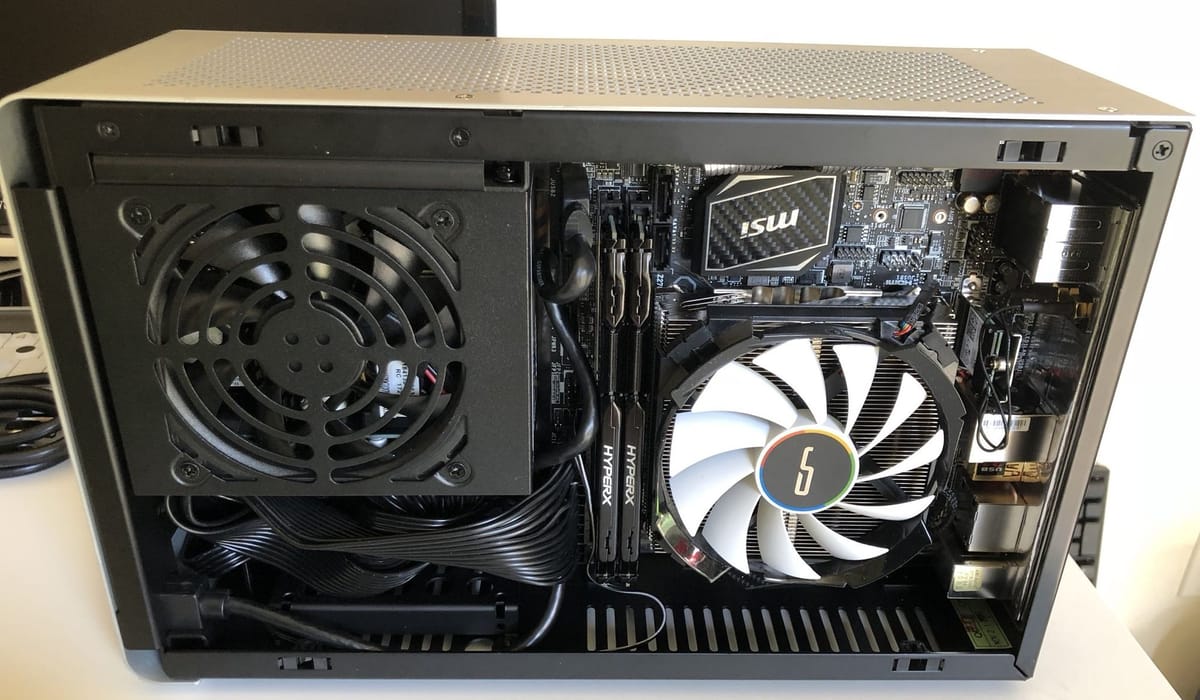
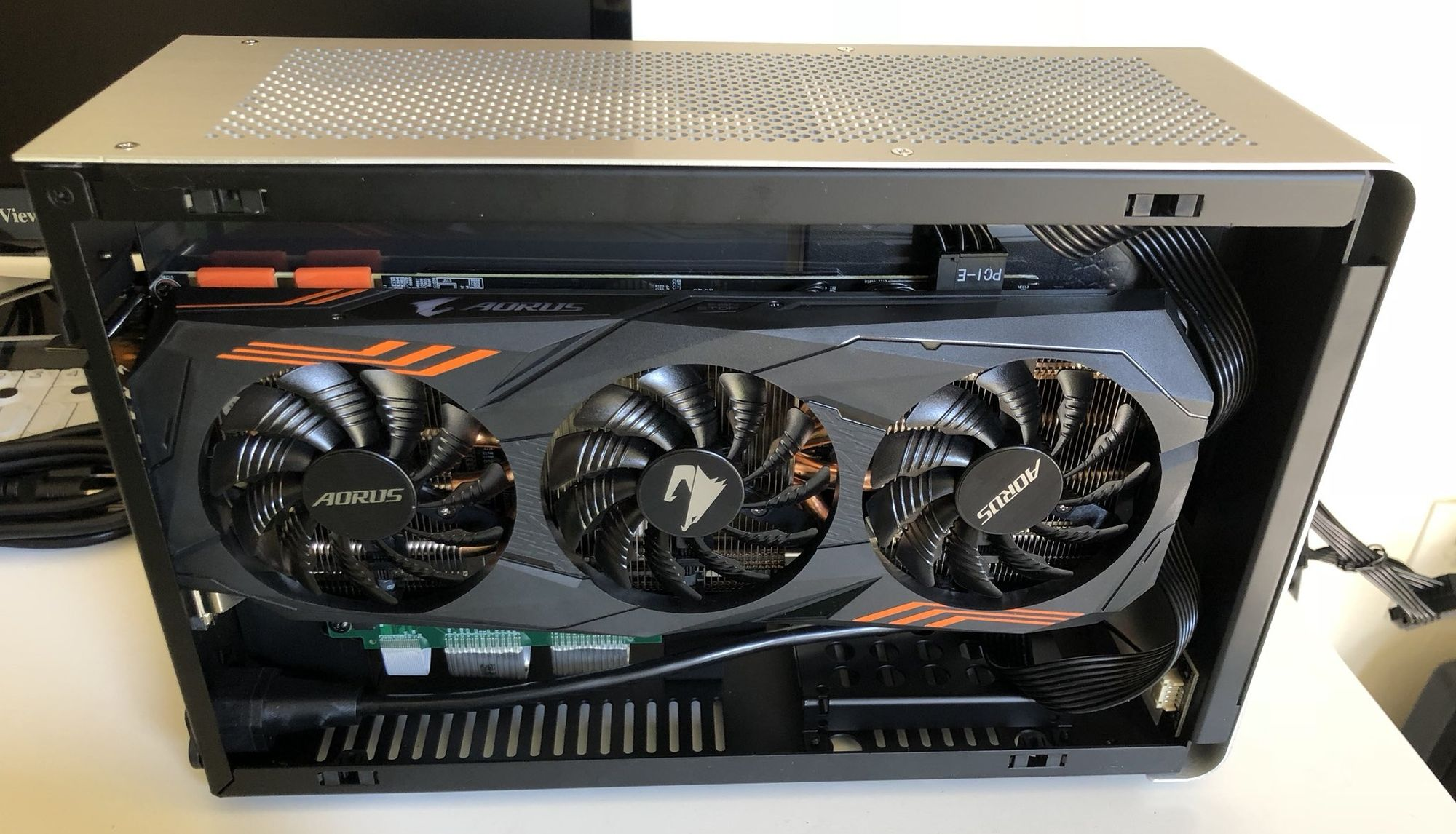
The current iteration of SFF design is exemplified by innovative cases like the Dan A4 SFX and the Streacom DA2, which prioritize "maximum power in minimum size." The Dan A4 SFX, a marvel of engineering, represents the extreme end of compact ITX systems. Measuring just 200mm x 115mm x 317mm, it boasts a minuscule internal volume of approximately 7.3 liters. Its design philosophy is uncompromising: to fit a full-size graphics card and a standard mini-ITX motherboard into the smallest possible enclosure, often requiring a PCIe riser cable to mount the GPU behind the motherboard. This ultra-compact nature makes it a benchmark for what is physically achievable without resorting to custom components, appealing to users who prioritize the absolute smallest footprint without sacrificing gaming or productivity power.
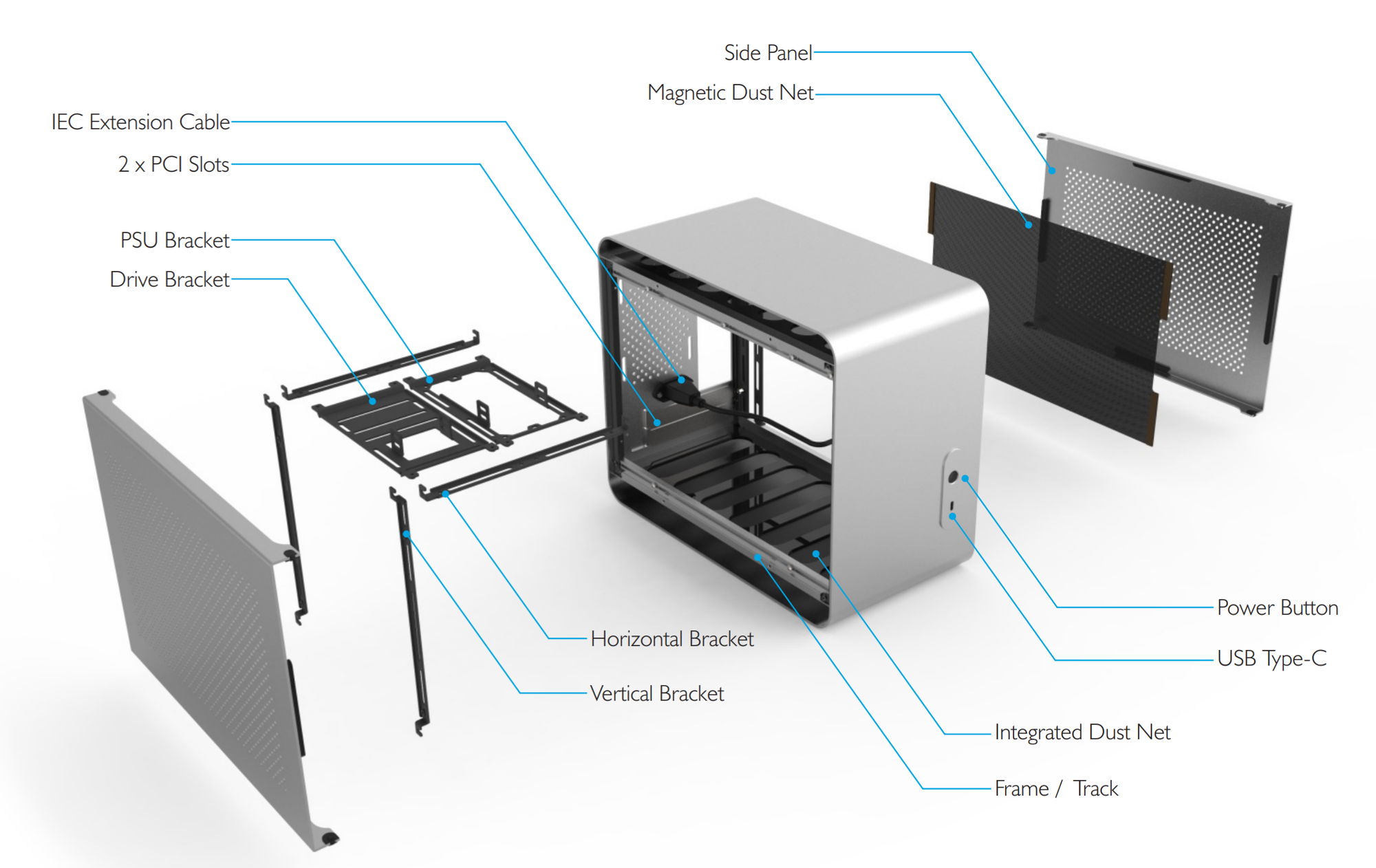
In contrast, the Streacom DA2, while still firmly in the SFF category, offers a more accommodating design. With dimensions of 180mm x 286mm x 340mm, it occupies around 17.5 liters. This slightly larger volume provides substantially more room for robust CPU cooling solutions and additional fans, making it an ideal choice for users pushing the limits of high-performance components within a compact build. The DA2 distinguishes itself with a clever "hybrid open-air design" featuring perforated top and bottom panels, complemented by a highly versatile horizontal and vertical bracket system interior. This modular interior, detailed in the official manual, allows builders unprecedented flexibility in component placement, optimizing for different cooling configurations or specific hardware dimensions. The captured nut and bolt design further simplifies assembly and modification, enhancing the user experience.
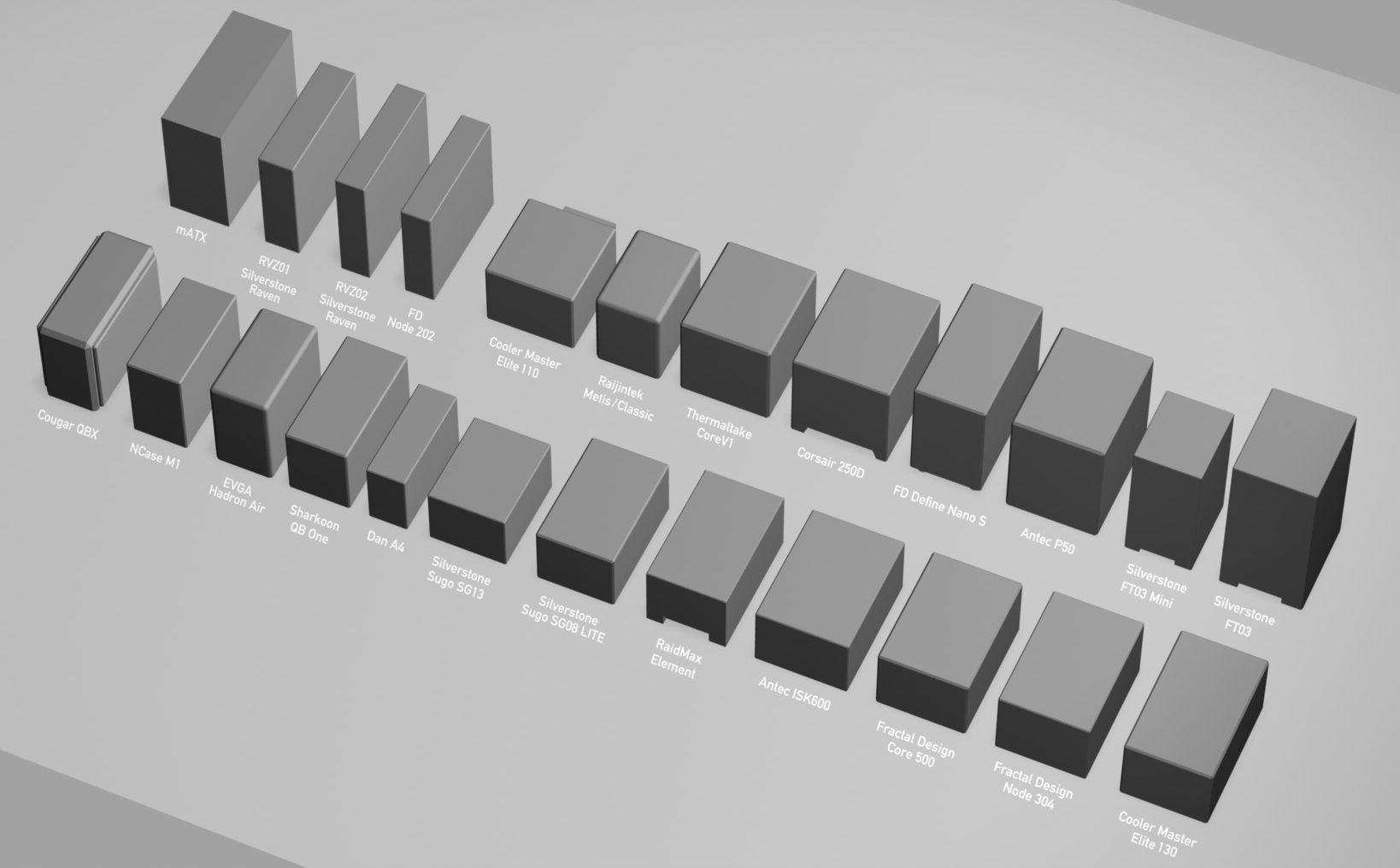
Comparing these cases to other popular SFF options provides further context: the Silverstone RVZ02/ML08 series, at 12.2 liters (380mm x 87mm x 370mm), offers a console-like horizontal form factor, while the nCase M1, a community-driven design measuring 240mm x 160mm x 328mm for 12.6 liters, is renowned for its premium build quality and excellent component support. When contextualized against gaming consoles, the value proposition of SFF PCs becomes even clearer. A PlayStation 4 Pro occupies 5.3 liters, and an Xbox One S measures 4.3 liters. Achieving more than double the processing and graphics power in a case like the Dan A4 SFX (7.3 liters) or even the Streacom DA2 (17.5 liters) represents a significant advancement in power density, offering superior performance for a relatively modest increase in physical volume. The choice of the Streacom DA2 for a personal build underscores the recognition that while ultra-compact designs like the A4 SFX are impressive, the slightly larger DA2 provides the necessary thermal headroom and flexibility for truly powerful, enthusiast-grade components without excessive compromise.
Component Selection for Compact Powerhouses
The selection of components for a high-performance SFF build is a meticulous process, balancing raw power with thermal efficiency and physical compatibility. For this particular upgrade, moving from a 2015-2017 system featuring a slightly overclocked Intel i7-7700k, the new build represents a substantial generational leap. The core components include a modern, high-core-count CPU (likely a contemporary Intel Core i9 or AMD Ryzen 9 series, given the performance aspirations), offering at least twice the number of cores and significantly faster instruction-per-cycle (IPC) performance, coupled with higher clock rates. This translates to a dramatic improvement in multi-threaded workloads, gaming performance, and overall system responsiveness.
Memory capacity has also been doubled, moving from what was likely 16GB or 32GB to 64GB or more. This expanded RAM pool is crucial for demanding applications, extensive multitasking, and future-proofing the system. Furthermore, the storage subsystem has been upgraded, now featuring at least two M.2 NVMe slots compared to the single slot in the previous build. This allows for increased high-speed storage capacity and improved data redundancy or separation of operating systems and applications.
While the specific GPU model is not detailed, it is inferred to be a high-end card, given the emphasis on "truly powerful system" and the need for adequate cooling. Modern high-performance GPUs, despite their compact versions, still generate substantial heat, making their integration into SFF cases a primary design consideration. The overall component strategy reflects a deliberate choice to maximize computing and graphical horsepower within the constraints of a small footprint, leveraging advancements in silicon efficiency and miniaturization across the board. This careful selection ensures that the SFF PC is not just small, but also a formidable computing machine capable of handling intensive tasks and modern gaming without compromise.
Thermal Management in Constrained Environments
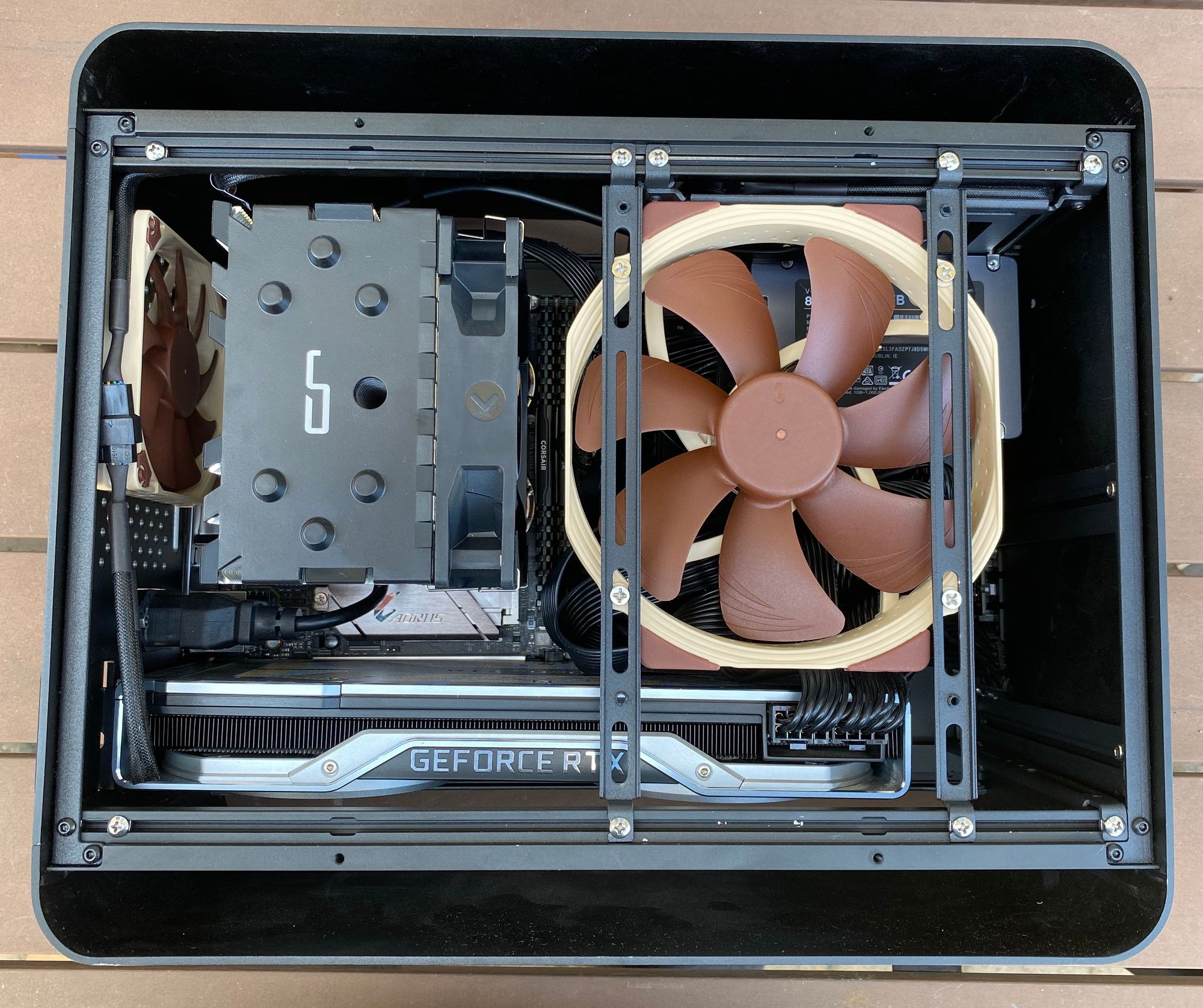
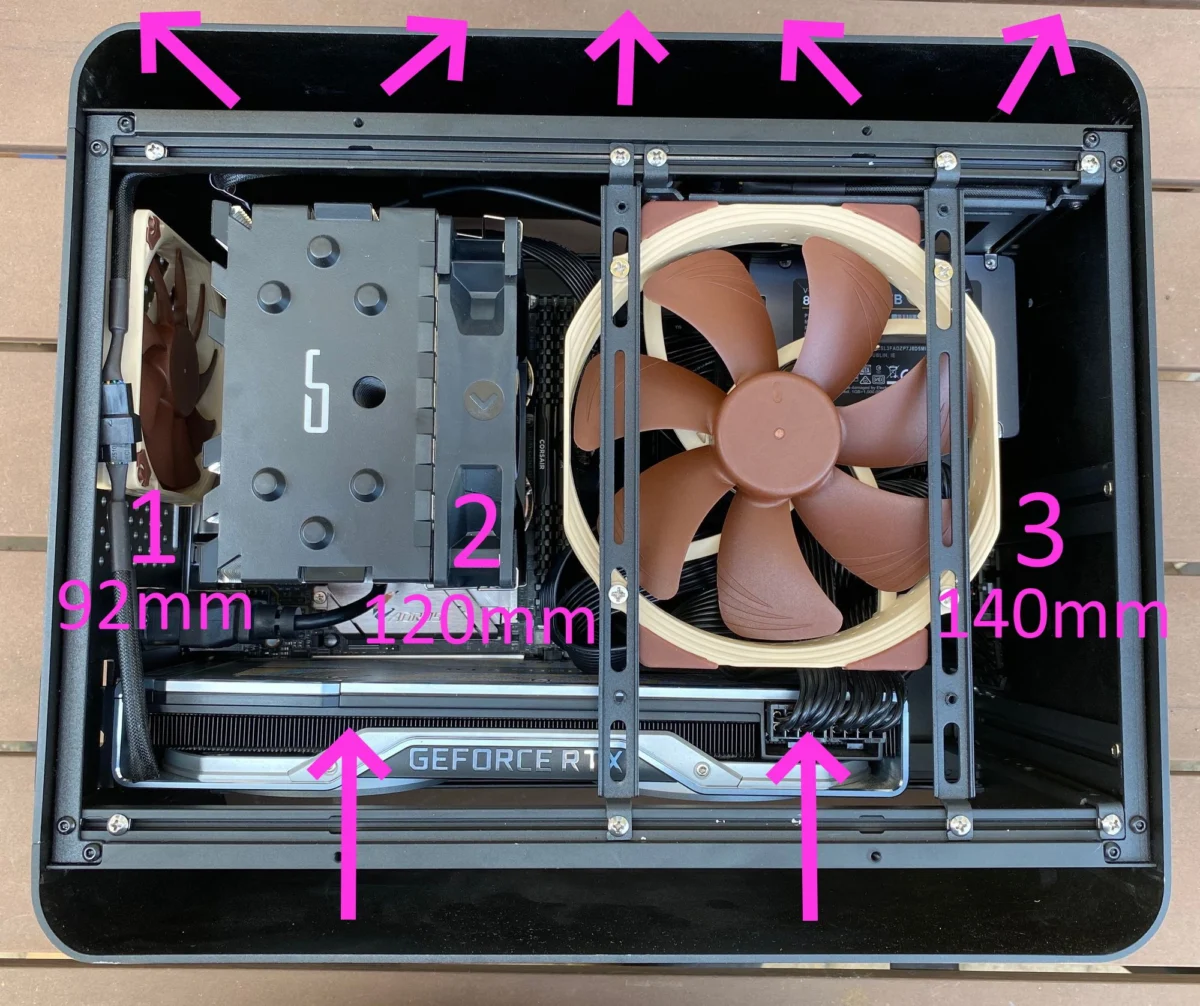
Thermal management is arguably the most critical challenge in designing and building Small Form Factor PCs. The confined spaces within these cases naturally restrict airflow and heat dissipation, potentially leading to higher operating temperatures, thermal throttling, and reduced component longevity if not properly addressed. The Streacom DA2, with its unique "hybrid open-air design," attempts to mitigate these issues through strategic ventilation. The case features perforated top and bottom panels, which are crucial for establishing an effective convection current. The builder’s experience highlighted the importance of removing the internal acrylic pieces and mesh dust filters from these panels, noting "dramatically better temperatures" after doing so. This modification allows the case to "fully breathe" through its natural vertical airflow path, which is especially vital given the DA2’s completely solid front panel, offering no direct air intake.
The recommended fan configuration for the DA2 involves a total of three fans, strategically placed to optimize airflow. Typically, this would include one or two intake fans positioned at the bottom to draw cool air into the chassis, and one or two exhaust fans at the top to expel hot air, creating a positive or neutral pressure environment. This setup ensures a constant flow of air over critical components like the CPU and GPU. For builders considering liquid cooling, the DA2’s design accommodates a 140mm radiator in the designated space, offering an alternative for extreme thermal loads. However, the author explicitly states a preference for air cooling, citing negative experiences with fluid leaks in the past.
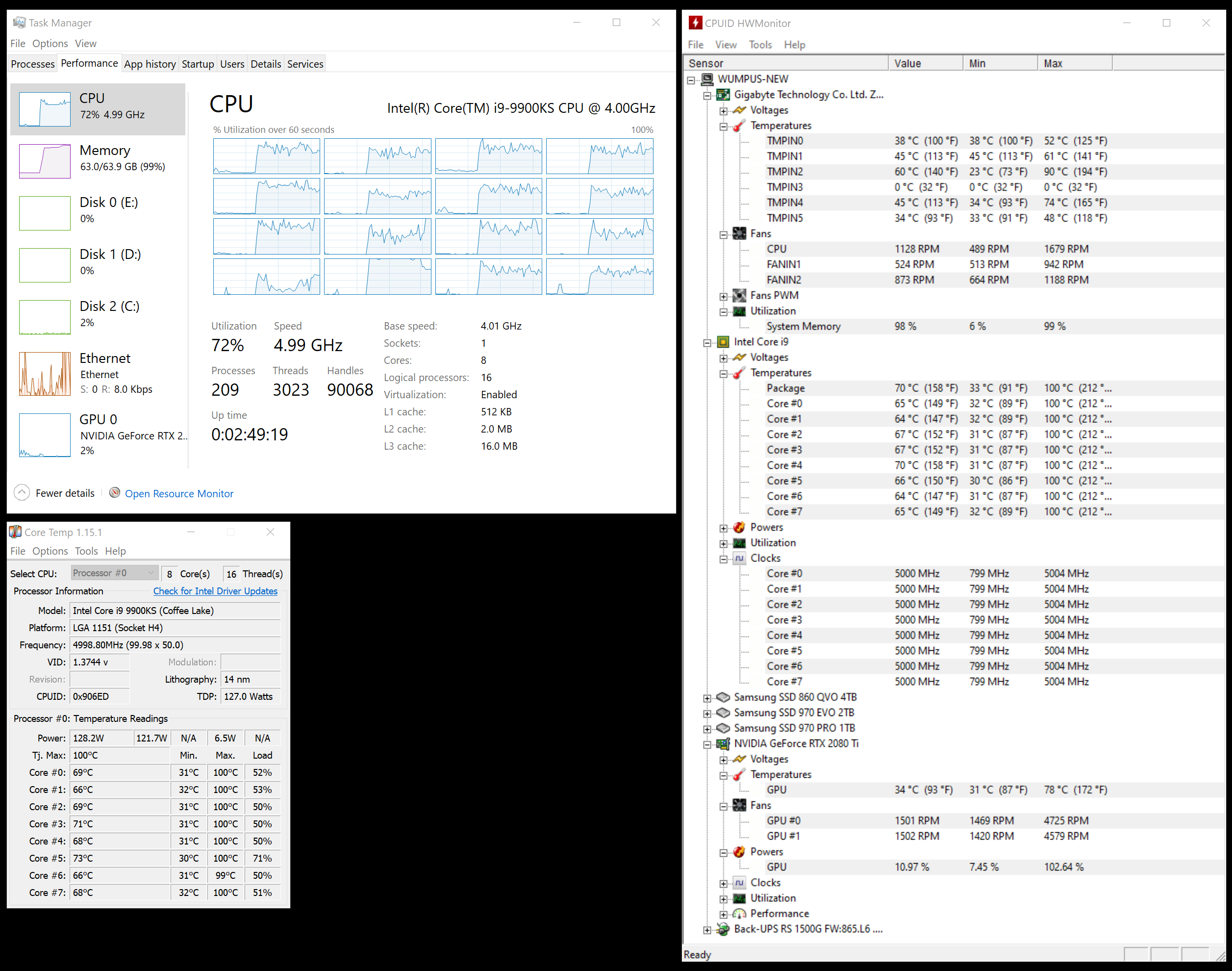
Rigorous "burn-in testing" is an essential step for validating the stability and thermal performance of any high-performance PC, particularly SFF builds. This involves subjecting the system to sustained, maximum CPU and GPU loads to ensure it operates within safe temperature limits without throttling or instability. While air cooling can be highly effective, the inherent space constraints of SFF cases mean that builders pushing the absolute limits of component power might need to consider custom water cooling solutions for sustained full loads or opt for slightly less powerful components to maintain optimal temperatures with air cooling. This delicate balance between component power, cooling capacity, and case volume defines the art and science of SFF PC construction.
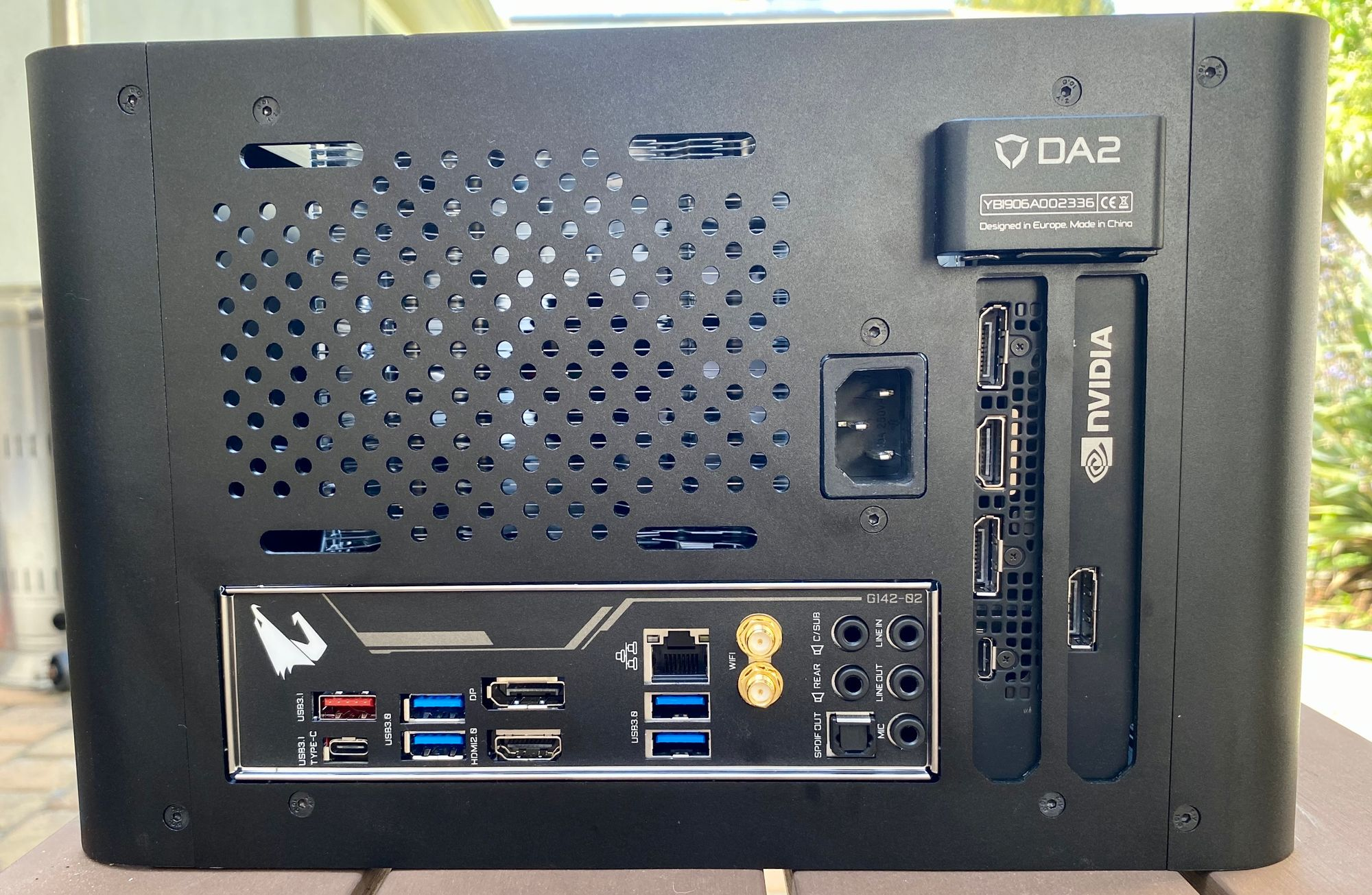
Ease of Assembly and Accessibility
Contrary to the perception that compact PC builds are inherently more complex, the current generation of hardware and SFF case designs has made the assembly process remarkably straightforward. The author notes that "if you haven’t built a PC system recently, it’s easier than it has ever been." This simplification is attributable to several factors across the industry. Motherboards now feature integrated M.2 slots for solid-state drives, eliminating the need for separate SATA cables and power connectors, which significantly reduces internal clutter. Memory modules simply click into place, and modern CPU coolers, especially air coolers, are often designed for user-friendly installation.
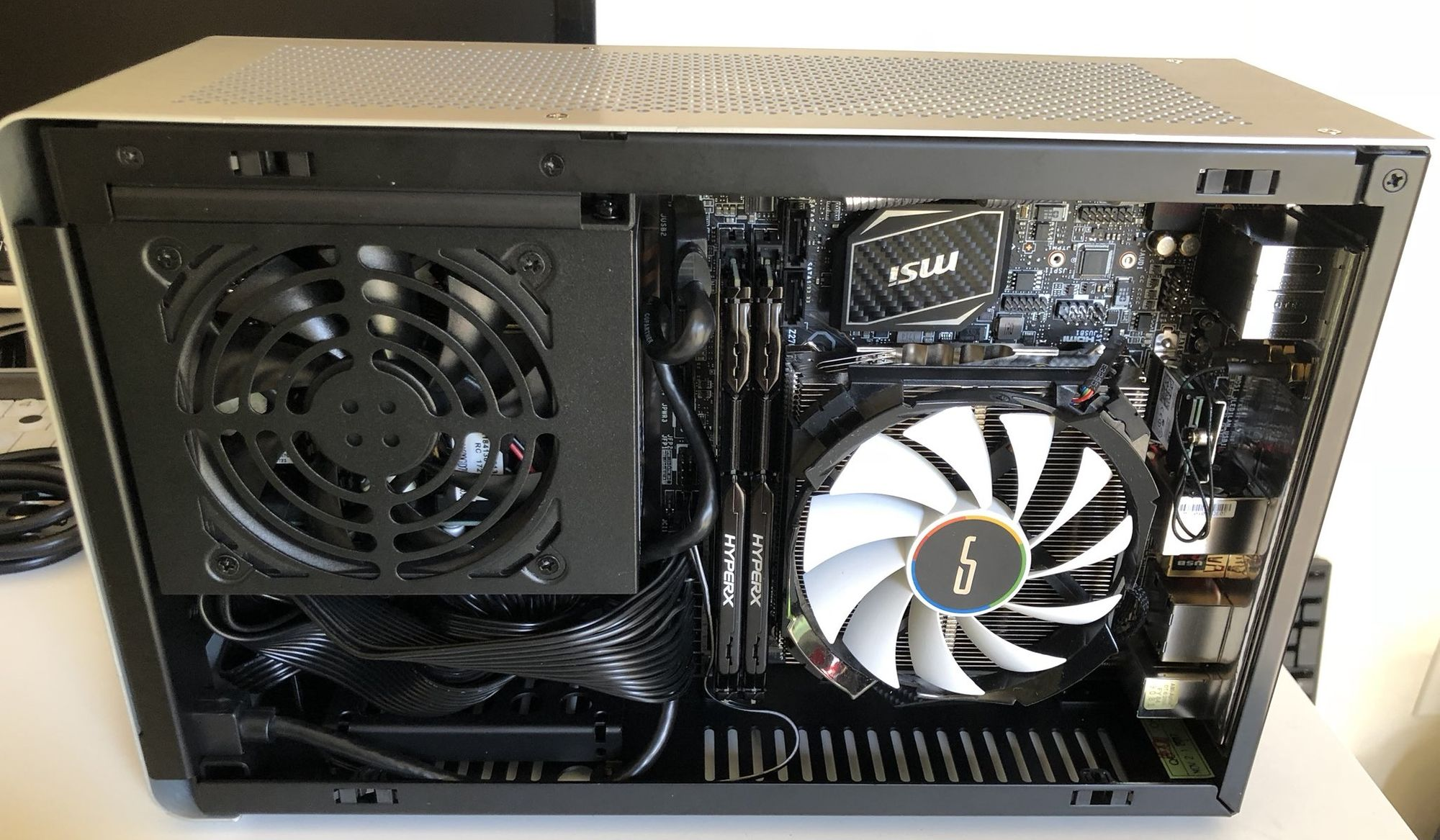
The modular nature of many components, such as SFX power supplies, further streamlines the process by allowing for tailored cable management. In the context of cases like the Streacom DA2, the thoughtful design elements contribute significantly to ease of assembly. Its versatile horizontal and vertical bracket system, coupled with a captured nut and bolt design, allows builders to manipulate and secure components with minimal fuss. This flexibility in mounting options means that components can be installed in the most accessible order, rather than being forced into a rigid sequence. The ability to easily remove top and bottom panels for better access during the build process also enhances the experience. Once the core components—M.2 drives, memory, CPU, and cooler—are installed on the motherboard outside the case, much of the foundational work is complete, leaving only the power supply, GPU, and final cable routing inside the chassis. This streamlined process democratizes PC building, making it more accessible to a wider audience, including those new to custom system integration.
Market Trends and Industry Perspectives
The burgeoning interest in Small Form Factor PCs is not merely an enthusiast niche but a significant market trend reflecting broader shifts in consumer preferences and technological capabilities. The industry is responding with a growing array of specialized components and chassis designs tailored for compact builds. Manufacturers are increasingly producing SFX and SFX-L power supplies, which deliver high wattage in a smaller footprint than traditional ATX PSUs. Graphics card vendors are developing "mini" or "ITX" versions of their high-performance GPUs, designed with shorter PCBs and more compact cooling solutions to fit into tight enclosures. Motherboard manufacturers continue to innovate in the Mini-ITX form factor, packing advanced features and connectivity into tiny boards.
Beyond individual components, the SFF case market itself is flourishing, with new designs constantly emerging, pushing the boundaries of aesthetics and functionality. Companies like Yuel Beast Designs, with products such as the Motif Monument, exemplify the extreme end of this innovation, creating open-air, minimalist SFF solutions that double as sculptural pieces. This indicates a market that values not just performance but also unique design and integration into the user’s personal space. Industry analysts and designers often infer that SFF is becoming a significant driver of innovation, forcing engineers to rethink cooling solutions, power delivery, and component density. Statements from leading manufacturers suggest a long-term commitment to this segment, recognizing that many consumers no longer desire large, obtrusive desktop towers. The focus has shifted to performance density – how much power can be packed into a given volume – which is becoming a key metric for modern PC design.
The Broader Implications for Desktop Computing
The ascendance of Small Form Factor PCs carries significant implications for the future of desktop computing, impacting consumers, manufacturers, and the very definition of a "personal computer." For consumers, SFF offers an attractive blend of high performance, aesthetic appeal, and space efficiency. It means powerful gaming rigs or professional workstations no longer need to dominate a desk or room, instead becoming discreet elements that integrate seamlessly into minimalist living or working environments. This increased flexibility in placement and reduced physical footprint enhances the overall user experience, making desktop PCs more palatable for modern homes and offices where space is at a premium.
For manufacturers, the SFF trend drives innovation across the component ecosystem. It necessitates more efficient power delivery, compact cooling solutions, and optimized component layouts. This competitive pressure fosters advancements in miniaturization and thermal engineering that benefit the entire PC industry. The emphasis on design and aesthetics also pushes case manufacturers to explore new materials, finishes, and construction techniques, moving beyond purely functional enclosures to products that are also design statements.
Conceptually, SFF PCs challenge the traditional desktop paradigm. They blur the lines between consoles, all-in-one PCs, and traditional towers, offering a modular yet compact solution. This push towards "packing all that power into less than 20 liters of space" represents a fundamental re-evaluation of what constitutes a desirable desktop computer in the 2020s and beyond. It suggests that the future of the PC lies not just in ever-increasing raw specifications, but in intelligent design that maximizes performance while minimizing physical presence. The long-term implication is a more diverse and adaptable PC market, where form factor and integration are as important as raw processing power, leading to a new era of personal computing that is both powerful and elegantly understated. The era of the monolithic tower may not be over, but its dominance is certainly being challenged by a new generation of compact, high-performance machines.
About the Author