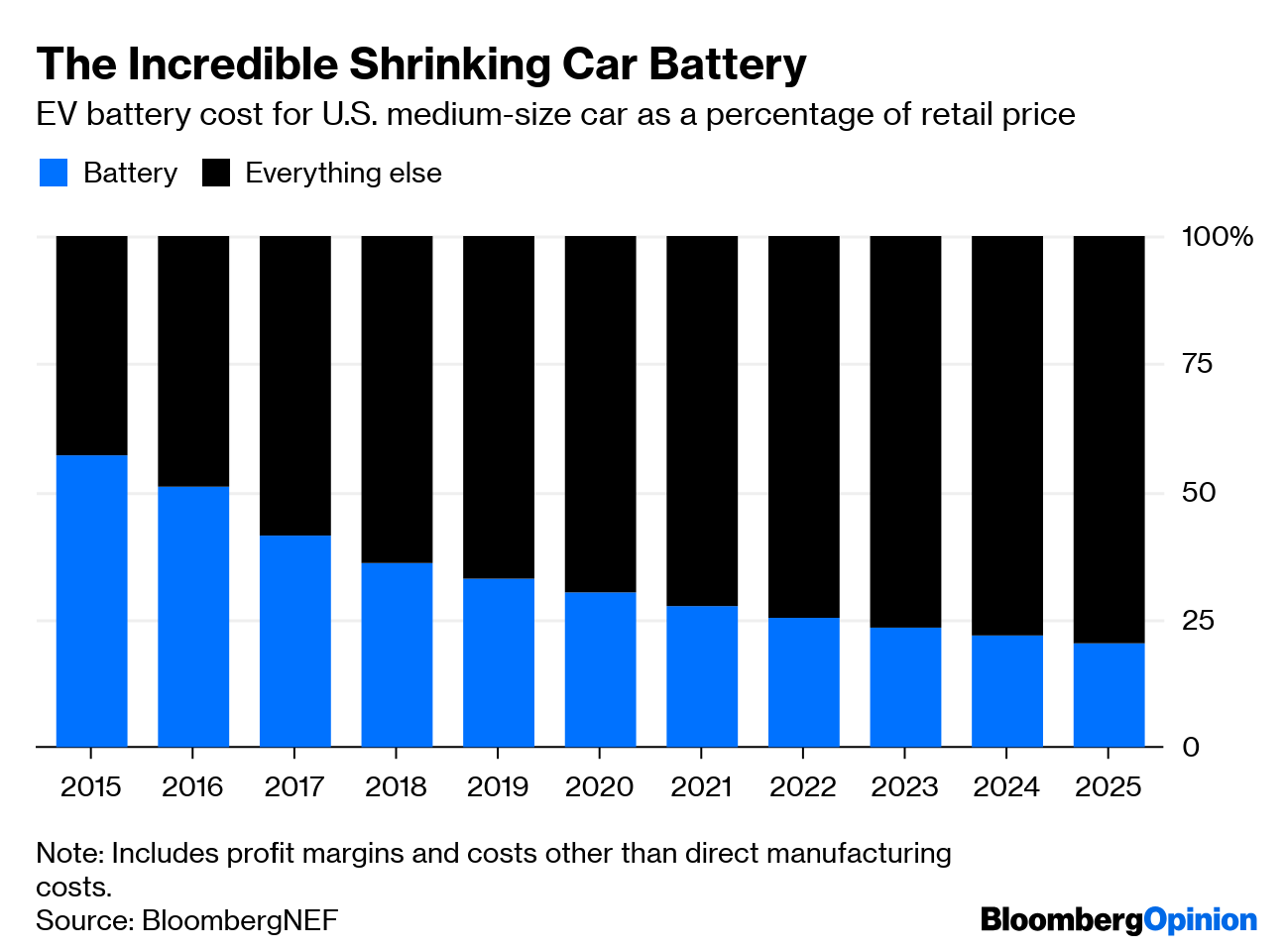
The rapid decline in battery manufacturing costs has emerged as a pivotal factor in the affordability and widespread adoption of electric vehicles, a trend particularly pronounced in the burgeoning electric scooter market. While the substantial battery pack remains a major component of the price for electric cars, its influence on the total cost of lightweight, compact, and simpler machines like electric scooters is even more dramatic. The decreasing cost of electric vehicles broadly, as observed in recent years, is inextricably linked to the reduction in battery expenses, far more so than any significant decline in the cost of fabricating traditional automotive materials such as rubber, aluminum, glass, and steel.
The Genesis of Modern Electric Vehicles: From Lead-Acid to Lithium-Ion

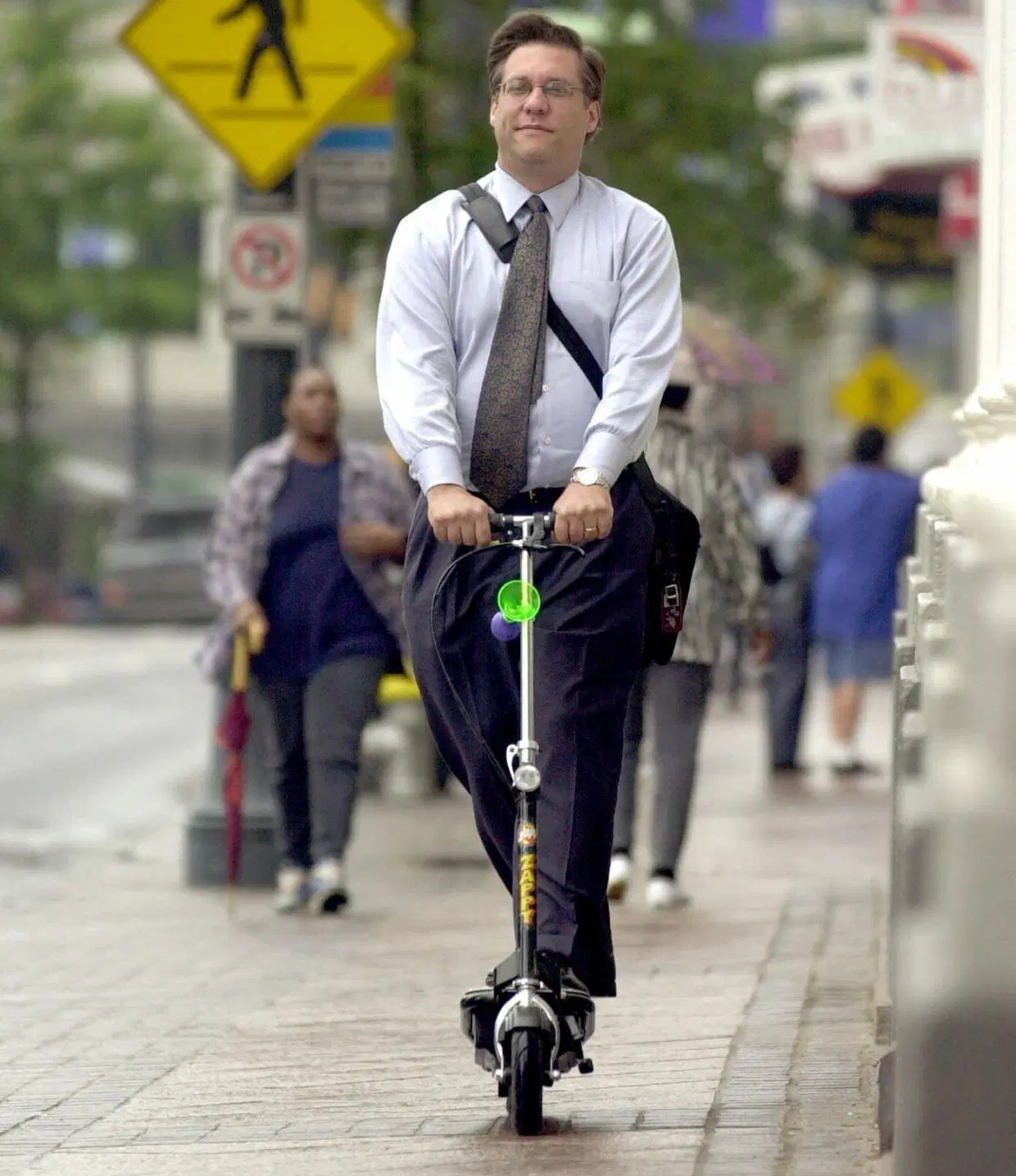
The concept of personal electric mobility is not new. Decades ago, rudimentary electric scooters, like the Zappy, made fleeting appearances, much like early electric cars. However, these pioneering efforts were consistently hampered by a critical bottleneck: the limitations of lead-acid battery technology. These batteries were excessively heavy, delivered insufficient power, offered meager range, and required prohibitively long charging times. In essence, the battery technology of the era was inadequate to make electric personal transportation viable or appealing to a broad consumer base.
The landscape fundamentally shifted with the maturation of lithium-ion battery technology. Developed in the 1980s and commercialized in the early 1990s, lithium-ion batteries offered a revolutionary leap forward. They boasted significantly higher energy density, allowing for lighter vehicles with extended range. Their ability to deliver consistent power output enabled more dynamic performance, and their faster charging capabilities dramatically improved user convenience. This technological advancement was the linchpin that transformed the viability of not just electric cars and scooters, but virtually all portable electronic devices.
The impact of lithium-ion’s development on cost has been equally profound. According to BloombergNEF, the average price of a lithium-ion battery pack, which stood at over $1,100 per kilowatt-hour (kWh) in 2010, plummeted to an estimated $132/kWh by 2021. Projections indicate a continued downward trend, with prices potentially dropping below $100/kWh in the coming years. This unprecedented cost reduction is primarily due to economies of scale in manufacturing, advancements in battery chemistry, and intense competition among producers. It is this fundamental economic shift in energy storage that underpins the current electric vehicle revolution.

The Economic Transformation of Electric Scooters
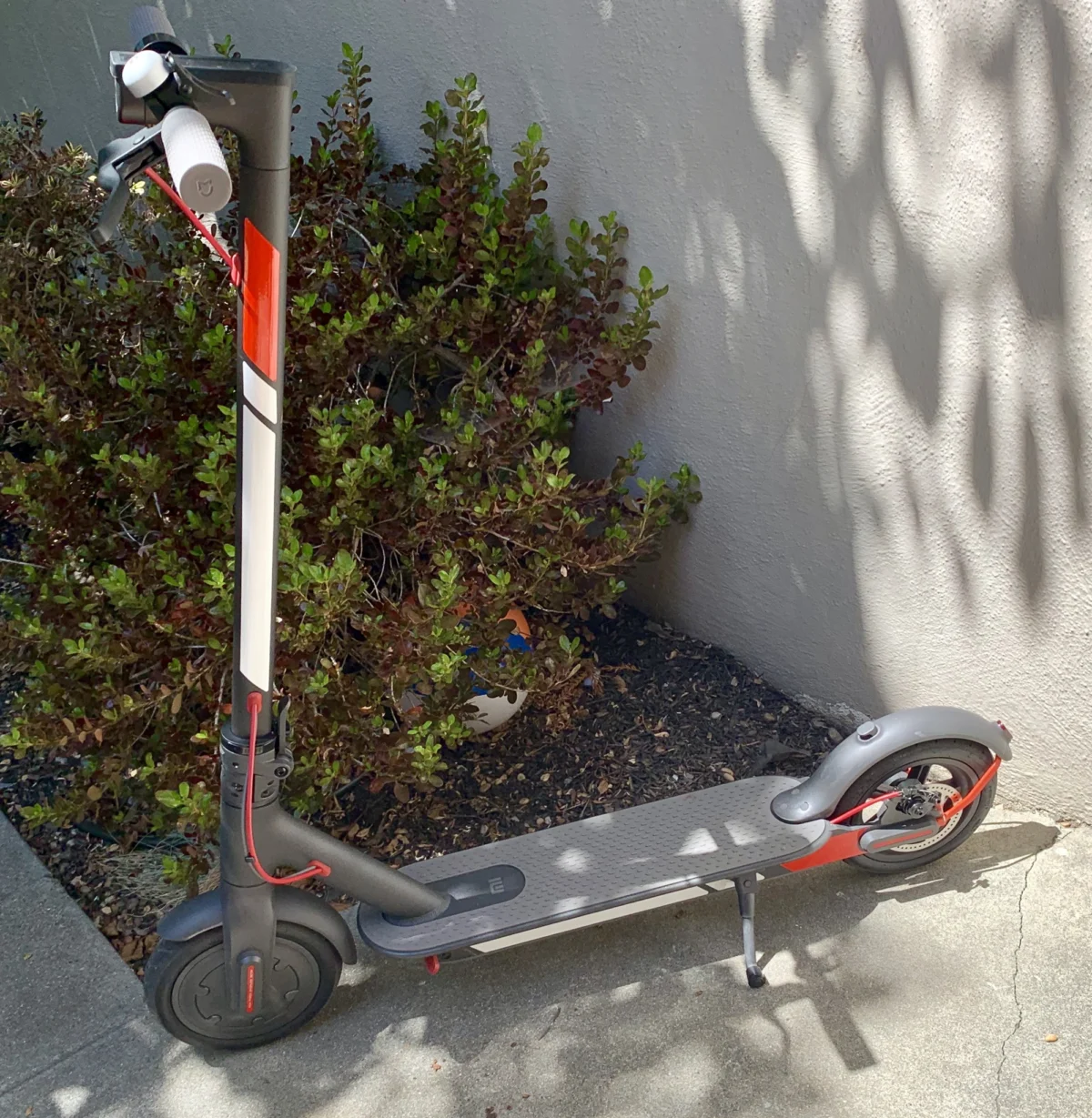
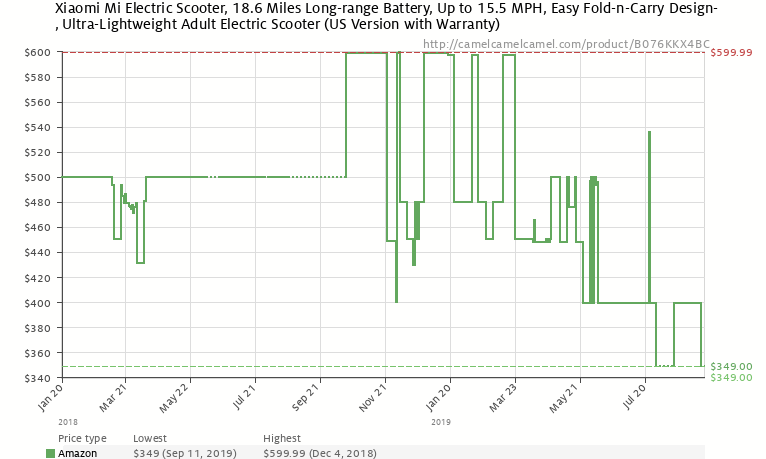
To gauge the general trend of lithium-ion battery price decreases, independent of the complexities of automotive manufacturing, the electric scooter market provides a clear and compelling case study. One of the most popular and influential models, the Xiaomi Mi M365, serves as an excellent benchmark. When it first entered the U.S. market in early 2017, its price hovered around $800. Over a mere three-year period, by 2019, the retail price of this widely adopted electric scooter had effectively halved, settling into the $300-$400 range.
This dramatic price reduction for a product where the battery constitutes a substantial portion of the total bill of materials is a strong indicator of the underlying decline in battery cell costs. Unlike larger vehicles where other components like sophisticated infotainment systems, advanced driver-assistance features, and luxurious interiors can influence pricing, the relatively simple construction of an electric scooter makes its price acutely sensitive to battery cost fluctuations. This affordability has democratized electric personal transport, making it accessible to a much wider demographic than previously imagined.
The Micro-mobility Phenomenon: Rental Services and Urban Integration
The rapid decrease in electric scooter prices from 2016 to 2019 coincided with, and indeed fueled, the explosive growth of the quasi-legal electric scooter rental industry. Companies like Bird, Lime, Skip, Spin, and Scoot rapidly deployed fleets of scooters, initially relying heavily on readily available and affordable models. Early versions of Bird scooters, for instance, were often slightly modified Xiaomi M365s, adapted for rental use. This demonstrated the robustness and cost-effectiveness of mass-produced consumer scooters as the foundation for a burgeoning sharing economy.
However, the rental industry soon faced its own set of challenges, including high rates of theft, vandalism, and intense maintenance requirements. By late 2018, many of these companies began migrating towards custom-built, ruggedized scooters specifically designed for the demanding rental market, featuring enhanced durability, integrated GPS, and improved security. The business models also evolved, with some companies experimenting with monthly rental subscriptions ($25 per month for a Xiaomi M365, for example) in addition to the traditional per-minute charges, in a bid to improve profitability and reduce operational complexities.
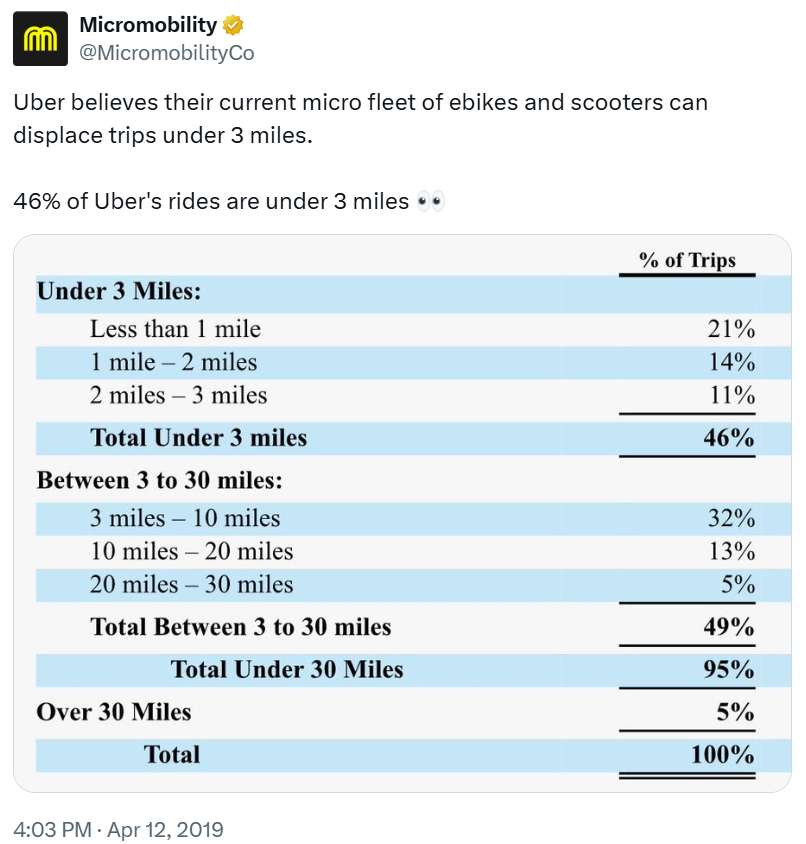
Beyond the business models, the rise of electric scooters and other micro-mobility solutions addresses a fundamental urban transportation challenge: the "last-mile problem." This refers to the difficulty of covering short distances (typically under 3 miles) between public transport hubs and final destinations, or for quick local errands. Traditional cars are often overkill, inefficient, and contribute to congestion and pollution for such short trips. Ride-sharing giant Uber, despite its focus on cars, recognized this inefficiency, noting that nearly half (46%) of its rides are under 3 miles, indicating a significant potential for micro-fleets of e-bikes and scooters to displace these short car journeys. Electric scooters offer a flexible, efficient, and environmentally friendly alternative, capable of navigating congested urban environments with relative ease.
Navigating the Regulatory Labyrinth and Safety Imperatives
Despite their growing popularity and evident utility, electric scooters have presented a significant challenge to urban planners and local governments, which have struggled to establish consistent and effective regulatory frameworks. The legal status of electric scooters varies wildly by jurisdiction, often lacking consistency or apparent logic. For example, in some parts of California, laws enacted require riders to possess a valid driver’s license—a restriction not applied to electric bicycles—and prohibit their use on sidewalks. These regulations are often seen by advocates as onerous and potentially hindering the adoption of a sustainable transport alternative.
However, one aspect of regulation that garners broad consensus is the imposition of speed restrictions. A maximum speed of 15 miles per hour is widely considered a reasonable and safe top speed for an adult riding a standing scooter without specialized safety equipment. Anything faster significantly increases the risk of severe injury in the event of an accident. This becomes critically apparent when considering high-performance models, such as those capable of reaching speeds of 40 miles per hour or more, often equipped with dual motors and advanced suspension systems. While such devices represent engineering prowess, they necessitate full motorcycle safety gear and an entirely different approach to rider skill and public safety, positioning them outside the realm of general micro-mobility solutions.
Safety remains a paramount concern for electric scooters. Accidents involving riders, pedestrians, and other vehicles have highlighted the need for improved infrastructure, rider education, and clear rules of the road. Urban planners and public safety advocates consistently call for dedicated lanes, better enforcement of traffic laws, and campaigns promoting helmet use to mitigate risks. The inherent vulnerability of scooter riders compared to those in enclosed vehicles underscores the importance of a comprehensive approach to safety that balances user convenience with public welfare.
Beyond the Basics: Diversity and Innovation in Electric Scooter Design
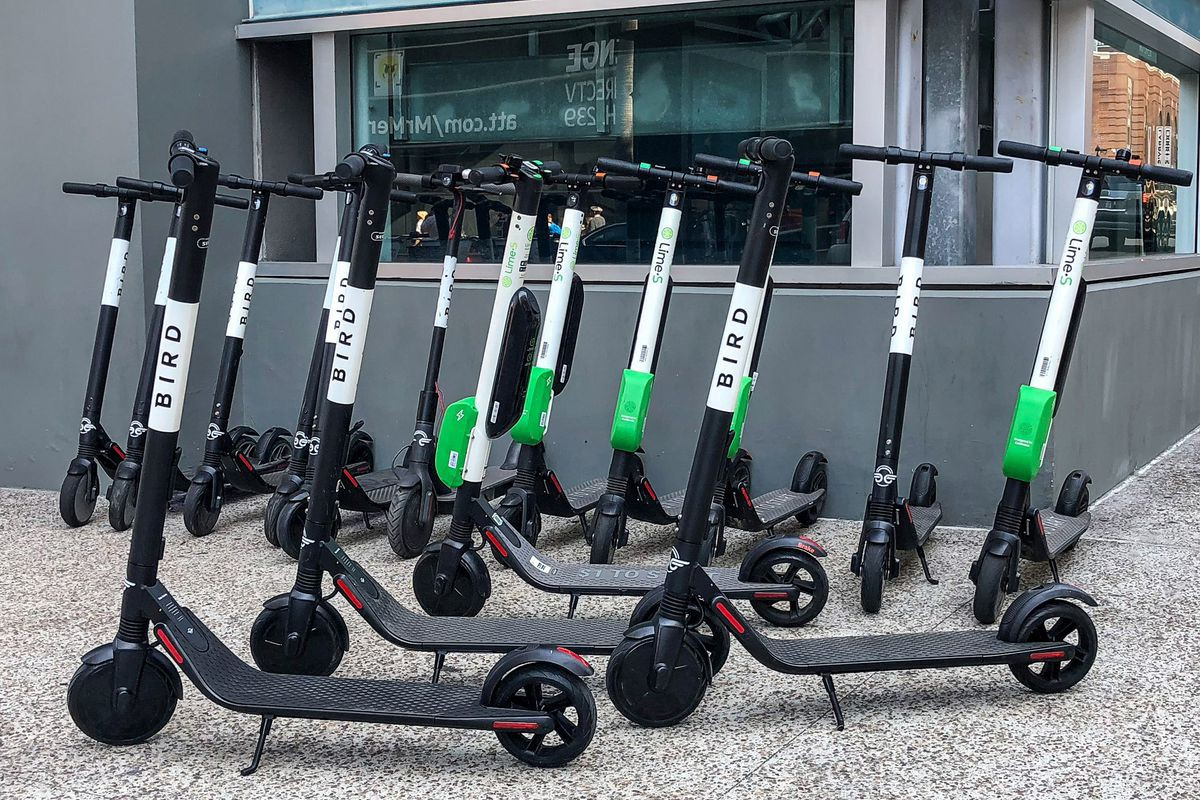
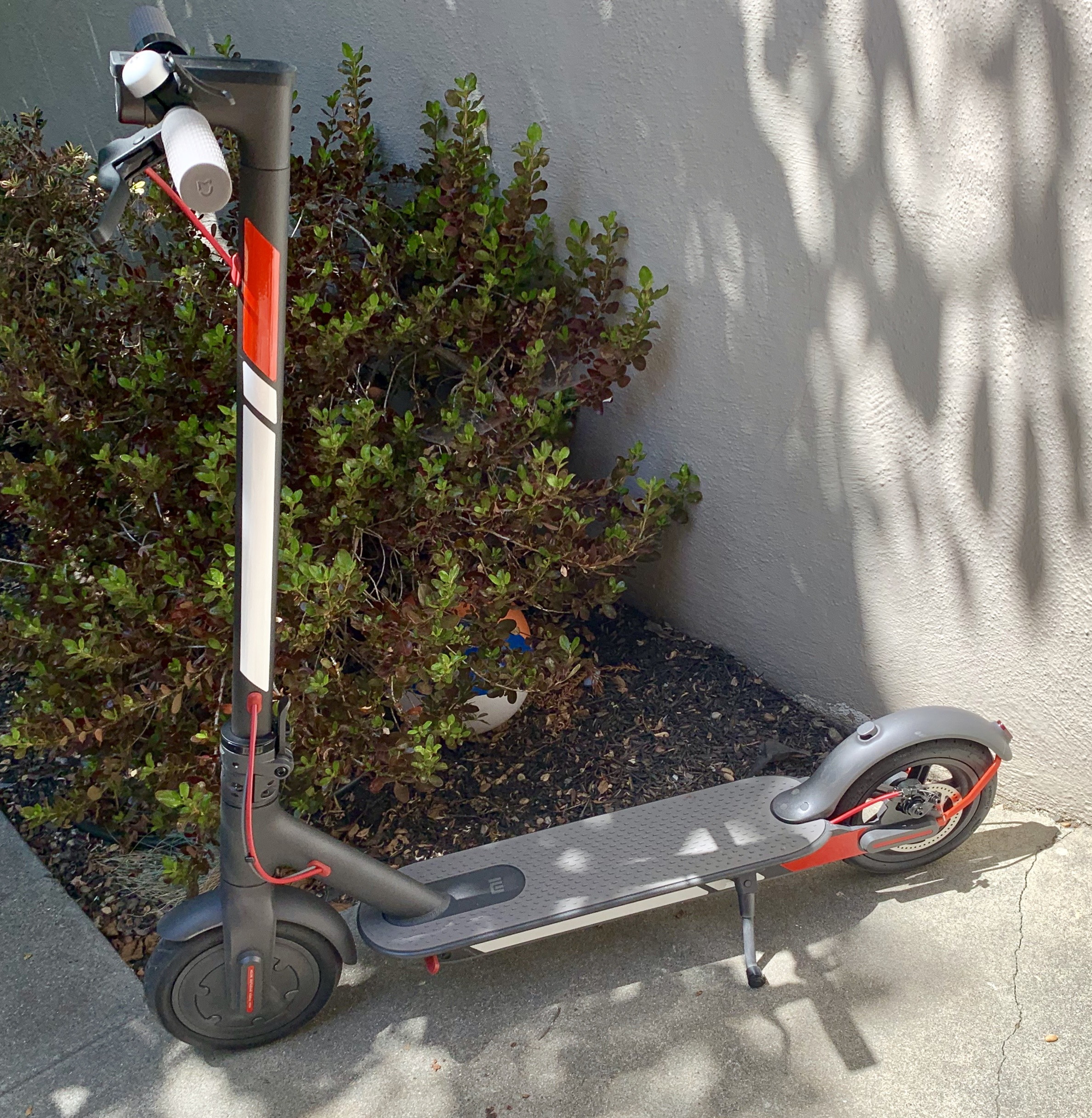
The market for electric scooters has rapidly diversified beyond the entry-level models. While the Xiaomi M365 remains a popular, inexpensive, and well-reviewed option, often described as the "Honda Civic" of electric scooters, a wide array of specialized models has emerged to cater to diverse consumer preferences and needs. The market now features luxury electric scooters, such as those offered by Unagi, which prioritize sleek design and premium materials. Ultralight models, like the Fluidfreeride Mosquito, emphasize portability for commuters who need to carry their scooter onto public transport. For adventurers, rugged off-road electric scooters, like the Widewheel, provide enhanced suspension and robust construction for challenging terrains. This growing diversity underscores the versatility and expanding utility of these minimalistic electric vehicles.
Technological advancements continue to drive innovation. The successor to the M365, the Xiaomi M365 Pro, introduced incremental but welcome improvements. These include a larger battery for extended range, an upgraded disc brake for enhanced stopping power, a more informative display, and an improved latch mechanism for greater security and durability. While these "Pro" enhancements improve the user experience, their initial price point, often double that of the standard M365, sometimes offsets the value proposition for budget-conscious consumers. The ongoing evolution of these devices also highlights their inherently digital nature, featuring Bluetooth connectivity, companion apps for customization and monitoring, and even the potential for firmware modification, reflecting the deep integration of software and hardware in modern electric vehicles.
Practical considerations for electric scooter ownership also continue to evolve. For instance, the vulnerability to flat tires on small wheels is a common complaint, leading many owners to adopt preventative measures like tire sealants (e.g., Slime) or even opting for solid tubeless tires, albeit at the cost of some ride comfort. These user-driven adaptations and the continuous improvement in design and features illustrate a dynamic market responding to real-world usage and feedback.
The Broader Implications: Redefining Urban Mobility
The transformation brought about by affordable electric scooters is far-reaching, promising to redefine urban mobility. Environmentally, the displacement of short car trips by electric scooters contributes to reduced carbon emissions, improved urban air quality, and decreased noise pollution, aligning with global sustainability goals. Economically, they offer a highly cost-effective mode of transport for individuals, bypassing fuel costs, parking fees, and often public transport fares, particularly for daily commutes. The burgeoning micro-mobility sector also creates new job opportunities in maintenance, logistics, and technology development.
From an urban planning perspective, the widespread adoption of electric scooters necessitates a rethinking of infrastructure. Cities are increasingly exploring solutions like dedicated scooter lanes, integrated charging stations, and designated parking zones to manage their presence safely and efficiently. The integration of scooters into existing public transportation networks, as a first-mile/last-mile solution, holds significant promise for creating more seamless and multimodal urban transit systems.
Comparing the current electric scooter phenomenon to past innovations offers valuable perspective. The Segway, launched in 2001 with immense hype, was envisioned as a world-changing personal transporter. Priced at $5,000 at its debut, which translates to approximately $8,700 in 2024 inflation-adjusted dollars, it failed to live up to its lofty promises, largely due to its prohibitive cost, cumbersome design, and often-awkward public perception. In stark contrast, today’s affordable $200-$300 electric scooters are arguably fulfilling the transformational role the Segway was meant to play. They are practical, accessible, and increasingly integrated into the fabric of urban life.
While the future of urban transportation will undoubtedly be diverse, electric scooters are poised to be a significant component. Their affordability, convenience, and environmental benefits position them as a compelling solution for a substantial portion of daily urban travel. However, their continued success hinges on the collaborative efforts of manufacturers, policymakers, and users to address persistent challenges related to regulation, safety, and infrastructure, ensuring their harmonious integration into the complex ecosystems of modern cities. The journey has been long, taking two decades to fully realize the potential of personal electric mobility, but the trajectory is clear: electric scooters are steering us towards a more sustainable and efficient urban future.
About the Author