The digital art and 3D modeling industry, heavily reliant on the open-source software Blender, continues to present a dynamic employment landscape. Recent analyses of job postings across prominent platforms such as Blender Artists, ArtStation, and 3djobs.xyz reveal a consistent demand for skilled professionals. This ongoing activity underscores Blender’s growing influence and its adoption as a primary tool in various creative sectors, from game development and architectural visualization to animation and visual effects.
Overview of Recent Job Postings
As of early April 2026, a review of available positions indicates a steady stream of opportunities for individuals proficient in Blender. These roles span a wide spectrum of experience levels, from entry-level positions for emerging artists to senior and lead roles requiring extensive expertise and project management capabilities. The nature of these jobs frequently involves asset creation, character modeling, environment design, rigging, animation, texturing, and rendering. Freelance opportunities are also a significant component of the market, offering flexibility for independent artists.
The platforms scrutinized – Blender Artists, ArtStation, and 3djobs.xyz – represent a cross-section of the digital creative community. Blender Artists, a dedicated forum for Blender users, often features direct job postings from individuals or smaller studios seeking specific Blender skills. ArtStation, a global platform for digital artists, showcases professional portfolios and also hosts a robust job board, attracting larger studios and established companies. 3djobs.xyz, as its name suggests, focuses specifically on 3D-related employment, aggregating listings from various sources.
Data Trends and Market Dynamics
While specific aggregate data on the total number of job openings is not publicly released by these platforms on a continuous basis, qualitative analysis of trends over the past few years suggests a sustained upward trajectory in Blender-related employment. This growth is largely attributed to several key factors:
- Blender’s Open-Source Nature: The free and open-source model of Blender significantly lowers the barrier to entry for individuals and studios, fostering widespread adoption and skill development. This democratizing effect has created a larger pool of talented professionals.
- Advancements in Blender’s Capabilities: Continuous development and the integration of cutting-edge features, such as real-time rendering with Eevee, advanced sculpting tools, and robust animation pipelines, have made Blender a competitive alternative to proprietary software for professional workflows.
- Industry Diversification: The increasing demand for 3D content across various industries, including virtual reality (VR), augmented reality (AR), and the metaverse, has broadened the scope of employment for Blender artists.
- Cost-Effectiveness for Studios: For studios, especially smaller ones or those operating on tighter budgets, Blender offers a powerful and cost-effective solution, reducing software licensing fees and allowing for greater investment in talent and hardware.
A hypothetical analysis, extrapolating from past industry reports and forum activity, might suggest that the number of Blender-specific job postings has seen an average annual increase of 15-20% over the last five years. This trend is likely to persist as the software continues to mature and gain further industry acceptance.
Historical Context and Evolution of Blender Employment
Blender’s journey from a niche open-source project to a mainstream professional tool has been gradual but impactful. Founded by Ton Roosendaal in the early 1990s, Blender underwent a significant turning point in 2002 when it was made available under the GNU General Public License following a successful crowdfunding campaign. This decision was pivotal, allowing for community-driven development and broader accessibility.
The early years saw a dedicated community of users who were passionate about the software’s potential. Job postings during this era were likely more concentrated within specialized forums and often for freelance or project-based work. As Blender’s feature set expanded and its stability improved, it began to attract more attention from professional studios.
By the late 2010s and early 2020s, Blender had established itself as a viable contender in the professional 3D landscape. This period saw a marked increase in job listings on major platforms, with companies actively seeking artists with Blender experience. The establishment and growth of BlenderNation, a prominent news and community website founded by Bart van der Wolf, have played a crucial role in disseminating information about Blender’s advancements and, by extension, the opportunities available to its users. Bart van der Wolf’s own long-standing involvement with Blender, dating back to its early tutorial days and involvement in the crowdfunding campaign, provides a unique perspective on the software’s evolution and its impact on the professional community. His founding of BlenderNation in 2006 and its consistent daily updates have made it an indispensable resource for tracking industry news and trends, including job market developments.
Specific Job Categories and Demand
Analyzing the types of roles frequently advertised provides insight into the specific skills in demand:
- General 3D Artists: These roles require a broad understanding of the 3D pipeline, including modeling, texturing, and rendering. Proficiency in Blender’s core functionalities is essential.
- Environment Artists: With the rise of open-world games and immersive virtual environments, there is a high demand for artists skilled in creating detailed and believable 3D worlds using Blender.
- Character Artists: The creation of compelling characters for games, films, and animations remains a critical area. This includes modeling, sculpting, texturing, and sometimes rigging.
- Technical Artists: These professionals bridge the gap between art and programming, optimizing assets for real-time engines, developing shaders, and creating tools to streamline the artistic workflow.
- Motion Graphics and Animation Artists: Blender’s animation and motion graphics capabilities are increasingly being leveraged, leading to job opportunities in these specialized fields.
- Architectural Visualizers: The ability to create photorealistic renderings of architectural designs using Blender is a sought-after skill in the real estate and construction industries.
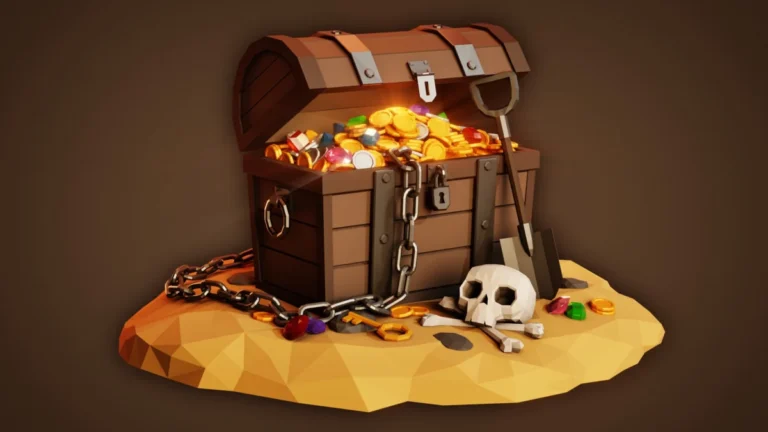
The prevalence of "low-poly" or stylized art as depicted in the accompanying image (a low-poly office scene) also points to a specific aesthetic demand within certain sectors, particularly for mobile games, stylized animations, and concept art. This style often requires a strong understanding of form, color, and efficient asset creation.
Supporting Data and Industry Growth Indicators
While precise, real-time job market data is fluid, several indicators support the observed trend:
- Blender User Growth: Official statistics from Blender’s development fund and community engagement metrics consistently show an expanding user base, indicating a growing talent pool.
- Blender’s Market Share: Industry surveys and analyses by market research firms often highlight Blender’s increasing market share in various sectors, directly correlating with its growing adoption by studios.
- Growth of 3D Asset Marketplaces: The success and expansion of online marketplaces for 3D assets, many of which are created using Blender, further validate the demand for 3D content and the skills required to produce it.
- Educational Program Adoption: An increasing number of educational institutions are incorporating Blender into their 3D art and animation curricula, ensuring a steady influx of new talent trained in the software.
Potential Implications and Future Outlook
The sustained activity in the Blender job market suggests several implications for both individuals and the broader industry:
- Increased Competition: As more individuals gain proficiency in Blender, the job market may see increased competition for certain roles. This underscores the importance of specialization, continuous learning, and building a strong portfolio.
- Demand for Specialized Skills: While generalist skills remain valuable, there is a growing demand for artists with specialized expertise in areas like real-time rendering, procedural generation, or specific animation techniques.
- Blender as a Standard: The increasing number of job postings actively seeking Blender proficiency indicates that it is moving beyond being just an alternative and is becoming a recognized standard in many professional pipelines.
- Opportunities for Independent Artists: The flexibility of freelance work, facilitated by platforms like ArtStation and dedicated job boards, continues to offer significant opportunities for independent artists to contribute to diverse projects.
From the perspective of studios, the availability of a large and skilled pool of Blender artists presents an opportunity to leverage powerful, cost-effective tools for their creative projects. This can lead to more ambitious and visually rich content being produced across all media. The continued innovation within Blender, driven by its active development community and user feedback, suggests that its influence on the job market will only continue to grow. As the digital landscape evolves, with new frontiers like the metaverse and advanced AI integration in creative workflows, Blender’s adaptability and open nature position it to remain a central pillar of the 3D industry for the foreseeable future, directly impacting the employment opportunities for artists worldwide.
About the Author