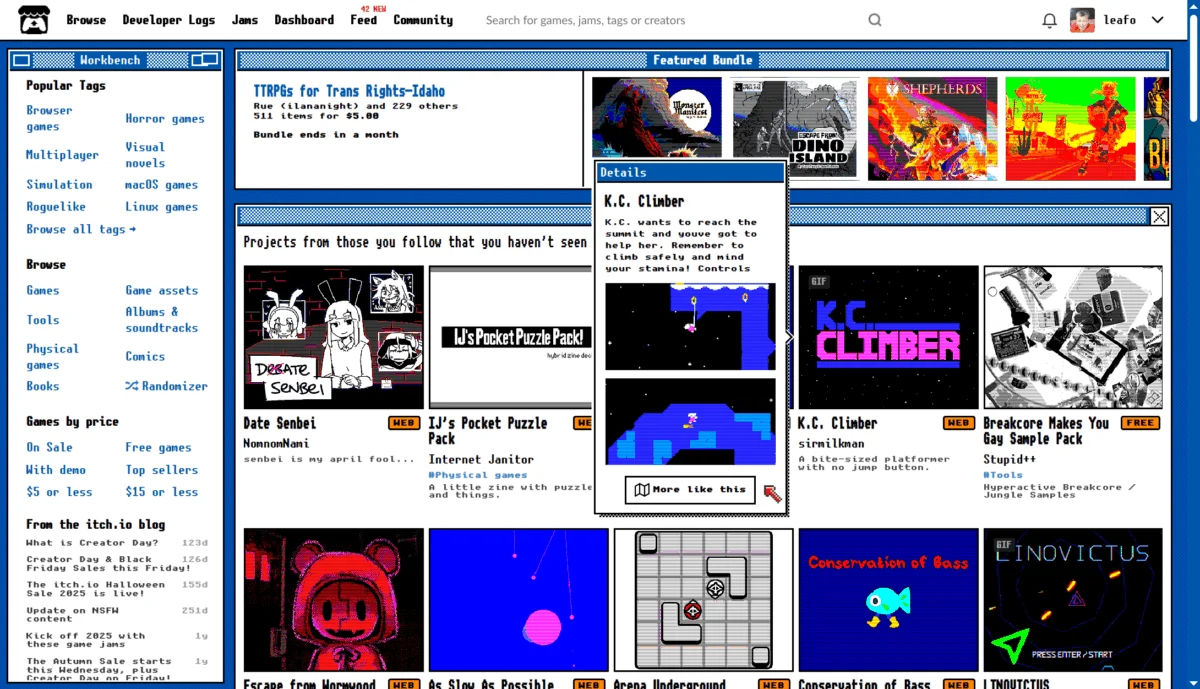
The independent game marketplace itch.io has officially concluded its "Ameyega mode," a distinctive retro-themed interface that transformed its homepage into a pixelated, vintage computing aesthetic for April Fool’s Day. While the temporary visual overhaul was intended as a lighthearted seasonal prank, its implementation ignited a fervent discussion among the platform’s diverse user base, drawing both enthusiastic praise for its nostalgic charm and significant criticism regarding usability and web accessibility. The event highlighted the delicate balance modern digital platforms must strike between creative expression, community engagement, and inclusive design principles.
The Genesis of Ameyega Mode: A Nostalgic Nod
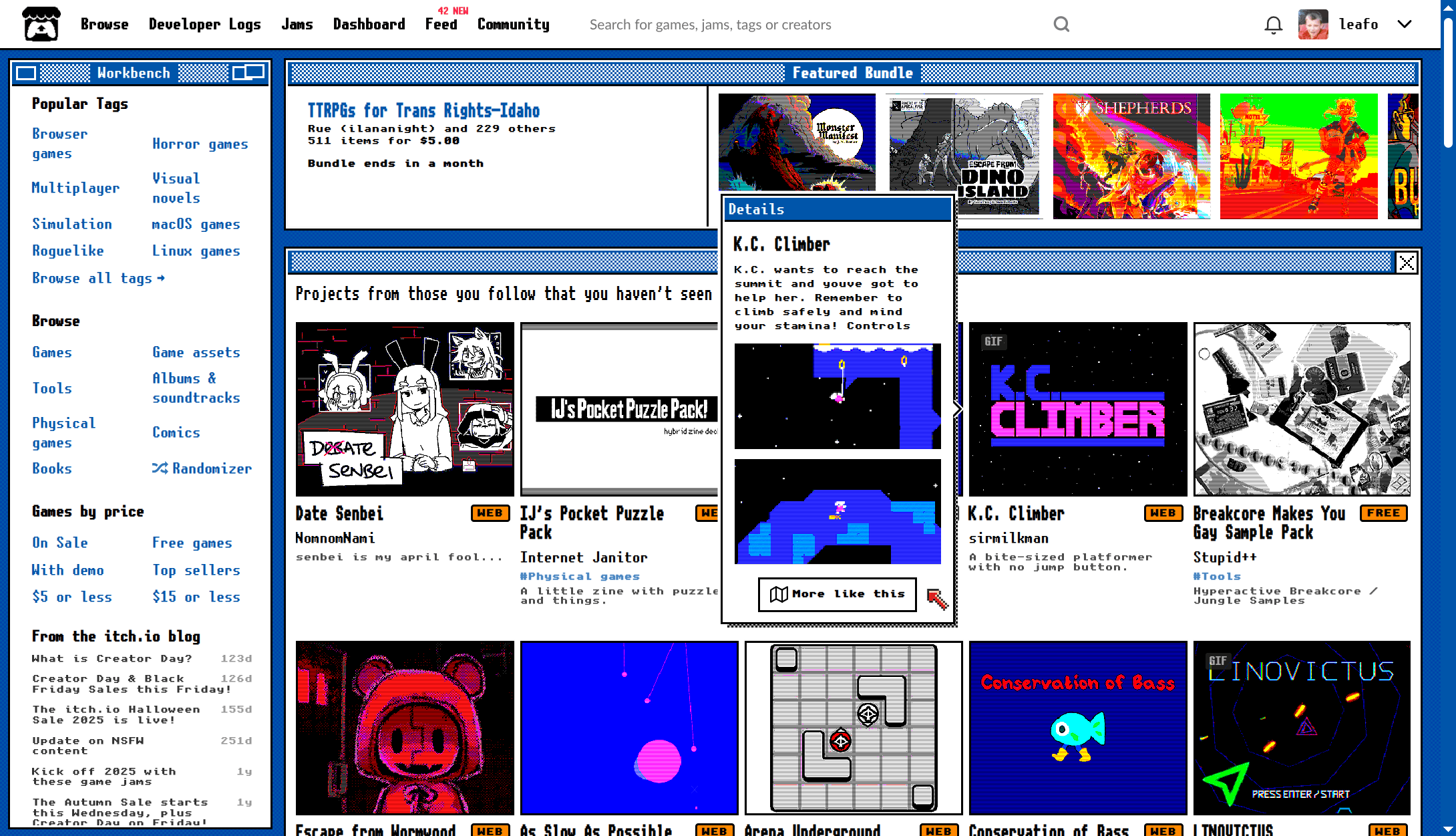
Launched on April 1st, albeit with a slight delay according to the platform’s own admission, "Ameyega mode" was itch.io’s unique take on the annual tradition of digital pranks. The mode reimagined the contemporary itch.io homepage with a distinctive low-resolution, pixel-art style, evoking the graphical interfaces of classic 8-bit and 16-bit computers, most notably the Amiga — a popular home computer system from the 1980s and early 1990s, revered for its multimedia capabilities and gaming prowess. The name "Ameyega" itself is a playful portmanteau, clearly referencing this iconic machine and its distinctive visual output. The chosen font, credited to Viznut’s unscii project, further amplified this retro authenticity, transporting users back to an era of limited color palettes and blocky text.
For itch.io, a platform celebrated for its commitment to independent game developers and experimental digital content, such a prank resonated deeply with a segment of its audience. The indie game scene often embraces retro aesthetics, pixel art, and chiptune music as a stylistic choice, paying homage to the foundational eras of video gaming. This shared cultural appreciation for vintage computing seemed to be the underlying premise for the Ameyega mode, aiming to connect with users through a shared sense of nostalgia and playful subversion of modern web design norms. The platform’s decision to run the prank "a bit longer" than a single day further indicated an appreciation for the niche appeal it was designed to tap into.
Chronology of an Internet Prank and its Aftermath
The Ameyega mode was rolled out on April 1st, aligning with the global tradition of April Fool’s Day jokes. While many online entities revert their pranks by the end of the day, itch.io opted to extend the duration, allowing more users to experience the unique interface. The company’s blog post, published as the mode concluded, thanked participants and provided a persistent URL (https://itch.io/?ameyega) for logged-in users to revisit the retro homepage. This archival decision suggests an understanding of the mode’s appeal to certain users and a desire to preserve the temporary experience.
However, the period during which Ameyega mode was active was not without its technical challenges. Multiple users reported issues with the site’s Dark Mode functionality, a crucial accessibility feature for many. Comments from the community highlighted that the front page, under the Ameyega aesthetic, no longer respected the Dark Mode setting, leading to glaring white backgrounds that could cause discomfort or strain for users accustomed to darker themes. This technical oversight was swiftly addressed, with one user noting an edit to their comment four hours after posting, confirming that Dark Mode had been restored to proper functionality on the front page. This quick resolution underscores itch.io’s responsiveness to immediate technical feedback and its commitment, even during a prank, to maintaining core user experience functionalities.
Aesthetics vs. Usability: The User Experience Divide
The reception to Ameyega mode was starkly divided, creating a microcosm of the ongoing debate in web design regarding aesthetics, functionality, and accessibility. On one side, a significant portion of the community embraced the retro theme with enthusiasm. Users expressed delight at the nostalgic trip, some even suggesting that the pixelated font made the site "SO much easier to read." Comments like "I would like for itch.io to change to it permanently," "Please please please make an option to keep this," and "I adore this, is there any way to keep it like this or any other different themes available?" flooded the comments section, demonstrating a strong desire for the mode to become a permanent, optional feature. For these users, Ameyega mode was a refreshing, charming, and even ergonomically beneficial alternative to conventional web design. It spoke to a segment of the user base that values uniqueness and a departure from homogenized digital aesthetics, resonating with the platform’s indie spirit.
Conversely, a vocal contingent of users found the Ameyega mode to be a significant detriment to their browsing experience. Critics described the interface as "hard to navigate," "hurting my eyes," and "unusable." Beyond personal preference, several comments highlighted critical accessibility concerns. One user explicitly stated, "Oh so cool, i’m disabled and I CAN’T WATCH THIS! How do you get this crap off?!" Such feedback underscores the fact that design choices, even temporary and playful ones, can have profound impacts on users with diverse needs. For individuals with visual impairments, cognitive differences, or other disabilities, drastic changes in font, color contrast, and layout can render a website inaccessible. The absence of an immediate, user-facing option to disable the mode further exacerbated these frustrations for those who found it difficult or impossible to use. The complaints extended to perceived functional regressions, with users noting that "several things that people used a lot like the feed option" seemed to be missing or harder to access, indicating a disruption to established navigational patterns.
This dichotomy of reactions brings into sharp focus the challenges of designing for a broad digital audience. What one user perceives as a delightful retro tribute, another experiences as a barrier to essential functionality. The incident serves as a practical example of the principles outlined in the Web Content Accessibility Guidelines (WCAG), which emphasize perceptibility, operability, comprehensibility, and robustness in web design to ensure inclusivity for all users. While the prank was temporary, the strong negative feedback from some users signals that even short-term deviations from accessibility best practices can alienate a portion of the user base and potentially damage trust.
Addressing Technical Glitches and Community Feedback
One of the more immediate and tangible issues arising from the Ameyega mode’s deployment was the disruption of the Dark Mode setting. Dark Mode, a feature increasingly offered across digital platforms, is not merely an aesthetic choice but a crucial accessibility tool for many. It reduces eye strain, particularly in low-light environments, and can be vital for users with certain visual conditions such as photophobia or migraines. The fact that Ameyega mode initially overrode this setting on the homepage prompted swift and critical feedback from the community.
The prompt resolution of this Dark Mode issue, as noted by users, is a testament to itch.io’s active monitoring of its platform and its responsiveness to user concerns. While the prank itself may have caused temporary inconvenience, the company’s apparent quick action to rectify a functional impairment demonstrates a commitment to user experience beyond the humor of the April Fool’s joke. This responsiveness is critical for a platform like itch.io, which thrives on its community and direct engagement with developers and players. By addressing technical glitches quickly, itch.io reinforces its image as a platform that listens to its users, even when rolling out unconventional features.
The sheer volume and intensity of comments, both positive and negative, also serve as valuable feedback for itch.io’s future design considerations. The comments section of the blog post effectively transformed into a live focus group, providing unfiltered insights into user preferences and pain points.
The Broader Implications for Digital Platforms
The "Ameyega mode" incident offers several broader implications for digital platforms, particularly those with a strong community focus and a unique brand identity.
Firstly, it underscores the power of community engagement through playful and experimental features. While divisive, the prank generated significant conversation and attention around itch.io, reinforcing its brand as a quirky, developer-friendly platform unafraid to experiment. For a platform competing with larger, more corporate entities, maintaining a distinct personality and fostering direct community interaction can be a vital differentiator. The temporary nature of the prank allowed for creative freedom without committing to a permanent change that might alienate a larger audience.
Secondly, the incident highlights the ongoing tension between unique design aesthetics and universal accessibility. In a world increasingly conscious of inclusive design, even temporary visual overhauls must consider their impact on users with varying needs. The strong demand for an "opt-out" option or the ability to keep the retro theme as a permanent choice suggests that platforms could benefit from offering greater customization. The comments reveal a clear desire for user-selectable themes, allowing individuals to tailor their browsing experience to their preferences and accessibility requirements. This aligns with broader industry trends where platforms like Discord, Twitter, and even operating systems offer extensive customization for themes, fonts, and display settings.
Thirdly, the episode offers a valuable lesson in risk assessment for user experience design. While April Fool’s pranks are generally understood as temporary and lighthearted, the potential for significant user frustration or accessibility barriers must be carefully weighed. For itch.io, a platform known for fostering a supportive indie ecosystem, maintaining a positive user experience is paramount. The quick fix for the Dark Mode issue demonstrates an awareness of this, but the initial oversight serves as a reminder that even seemingly minor changes can have outsized impacts.
Finally, the discussion around Ameyega mode reinforces itch.io’s identity within the broader indie game culture. The platform serves as a hub for creativity, experimentation, and often, nostalgia. The ability to embrace a retro aesthetic, even temporarily, speaks to the roots of many indie developers and players. It allows itch.io to connect with its core audience on a cultural level, beyond mere transactional interactions. The company’s mention of keeping the mode available "until the next time we make substantial changes to the homepage" suggests an ongoing evolution of the platform’s design, perhaps hinting at future themed options or broader interface updates that could incorporate lessons learned from this particular experiment.
In conclusion, itch.io’s "Ameyega mode" was more than just an April Fool’s prank; it was a fascinating social experiment in digital design and user engagement. It successfully generated buzz and delighted a segment of its community with a nostalgic trip down memory lane. Simultaneously, it exposed critical considerations regarding web accessibility and the importance of user choice in platform design. As itch.io continues to evolve its platform, the lessons gleaned from the Ameyega mode — balancing creative flair with universal usability — will undoubtedly inform its future decisions, shaping an experience that caters to both the niche sensibilities of indie culture and the diverse needs of its global user base.
About the Author