A year after issuing a nationwide "Pledge to Share the American Dream," tech entrepreneur and philanthropist Jeff Atwood, co-founder of Stack Overflow, has announced a substantial $50 million commitment to establish the Rural Guaranteed Minimum Income Initiative (RGMII). This long-term investment is designed to address systemic poverty and inequality across the United States, building on an initial $21 million in immediate aid distributed to various non-profit organizations earlier in 2025. The initiative, championed by Atwood and his wife Betsy, seeks to implement targeted direct cash transfer programs in underserved rural counties, with the ambitious goal of expanding to all 50 states and generating critical data to inform future policy.
From Tech Acumen to Philanthropic Vision: The Journey of Jeff Atwood
Jeff Atwood, widely recognized for his contributions to the software development community through his popular blog Coding Horror and as the co-founder of the influential Q&A platform Stack Overflow, transitioned significantly into philanthropy following the acquisition of Stack Overflow in 2021 for a reported $1.8 billion by Prosus. This pivotal moment prompted Atwood and his family to deeply contemplate the concept of "enough" and their responsibility given their newfound wealth. The shift from a highly successful tech career to a focused philanthropic endeavor underscores a growing trend among tech magnates to reinvest wealth into societal betterment, often through innovative and data-driven approaches.
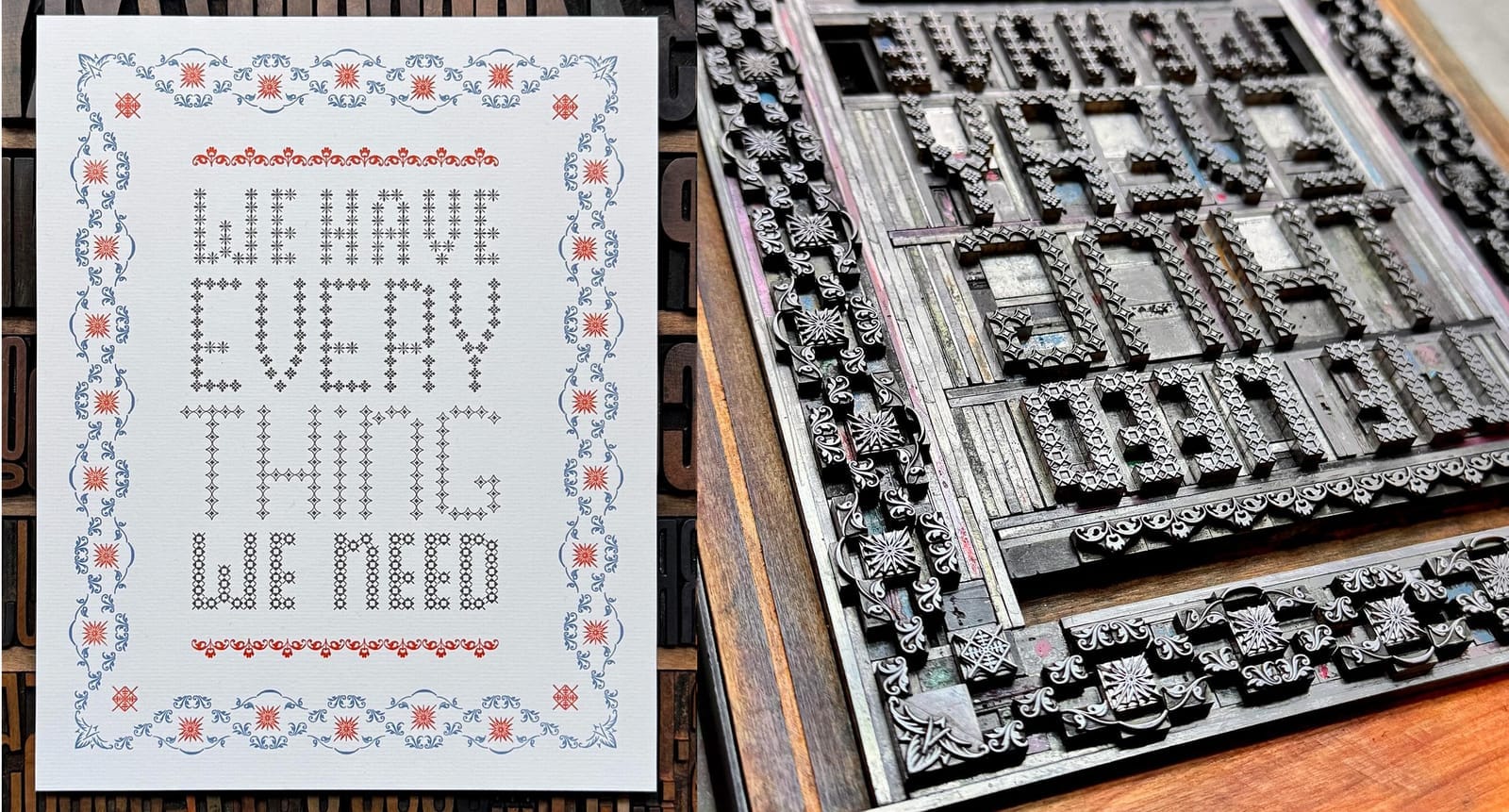
Atwood’s philanthropic philosophy is heavily influenced by the profound quote attributed to Mary Gates, mother of Microsoft co-founder Bill Gates: "From those to whom much is given, much is expected." This sentiment, famously articulated by Gates Sr. regarding his son’s responsibilities, has resonated deeply with the Atwoods. As Betsy Atwood articulated in a recent podcast, their family believes they "have everything we need," leading to the fundamental question: "How do we make sure everybody has what they need?" This principle extends beyond personal comfort to encompass basic human necessities such as comfortable housing, sufficient food, and access to healthcare, which they identify as foundational for anyone to thrive. The Atwoods’ motivation is rooted in the belief that fundamental opportunities should be universally accessible, driving their decision to commit a significant portion of their wealth to these causes.
The "Share the American Dream" Pledge: A Chronology of Action

The initial "Pledge to Share the American Dream," launched a year prior, outlined a two-pronged approach to philanthropy. The first pillar focused on immediate support for organizations "effectively helping those most in need across America right now." The second, more ambitious goal involved contributing "public dedications of time or funds towards longer term efforts to keep the American Dream fair and attainable for all our children" within five years.
In early 2025, the Atwoods swiftly acted on the first part of their pledge, initially donating $1 million to eight carefully vetted non-profit charities. Recognizing the escalating urgency of societal needs, they rapidly augmented this commitment with an additional $13 million in donations over the subsequent months, bringing the total immediate aid to $21 million. While specific recipient organizations were not detailed in the announcement, it can be inferred that these funds targeted critical areas such as emergency housing, food security initiatives, direct poverty relief, and healthcare access programs, addressing acute crises across various communities. This immediate, substantial injection of funds highlights a proactive and responsive approach to alleviate pressing hardships, demonstrating a commitment to addressing symptomatic issues while simultaneously developing a long-term strategy.
Tackling Root Causes: The $50 Million Commitment to Systemic Change
The Atwoods recognized that addressing immediate needs, while crucial, represented a continuous "firefighting" effort that would never fully resolve underlying societal issues. Their long-term vision necessitated a shift towards "fire abatement" – tackling the root causes of poverty and inequality to prevent future crises. This strategic pivot led to the $50 million pledge, representing half of their remaining wealth, dedicated to fostering systemic improvements.
Initial discussions for this long-term endeavor explored various models, including the establishment of a new organization akin to the original RAND Corporation, but modernized with mechanisms like Lever for Change to empower experts in charting a realistic path toward a more equitable American Dream. By March 2025, a consensus emerged around a specific, evidence-backed solution: Guaranteed Minimum Income (GMI). This decision was formalized and announced in a blog post titled "The Road Not Taken is Guaranteed Minimum Income," signaling a decisive direction for their philanthropic efforts.
Guaranteed Minimum Income (GMI): A Targeted Approach to Poverty Alleviation

Guaranteed Minimum Income (GMI) is presented by the Atwoods as an evolution of the more widely known concept of Universal Basic Income (UBI). While UBI typically involves providing a regular, unconditional cash payment to all citizens, GMI distinguishes itself by being targeted. It directs financial support specifically towards individuals and families who are most in need, particularly those trapped in cycles of generational poverty. This targeted approach aims to maximize the impact of every dollar by channeling resources to where they are most critically required, ensuring that the intervention directly addresses acute economic vulnerability.
Supporting Data and Efficacy of Direct Cash Transfers:
The decision to focus on GMI is rooted in a growing body of evidence supporting the effectiveness of direct cash transfers as a poverty alleviation tool. Studies from various pilot programs worldwide have demonstrated that providing unconditional or minimally conditioned cash assistance can lead to significant positive outcomes. For instance, evaluations of UBI and GMI programs have often shown:

- Improved Health Outcomes: Recipients frequently report better physical and mental health, reduced stress, and increased access to healthcare as financial stability improves.
- Enhanced Financial Stability: Participants are better able to pay bills, reduce debt, and save for emergencies, leading to greater long-term economic resilience.
- Increased Agency and Dignity: Direct cash allows individuals to determine their own most pressing needs, fostering a sense of autonomy and respect often absent in traditional welfare programs.
- No Significant Disincentive to Work: Contrary to common misconceptions, many studies indicate that recipients often maintain or even increase their engagement in work, using the funds to pursue education, vocational training, or reliable transportation necessary for employment.
- Improved Child Outcomes: Families with GMI often report better nutrition, educational opportunities, and overall well-being for their children.
- Local Economic Stimulus: The money is typically spent within local communities, boosting small businesses and local economies.
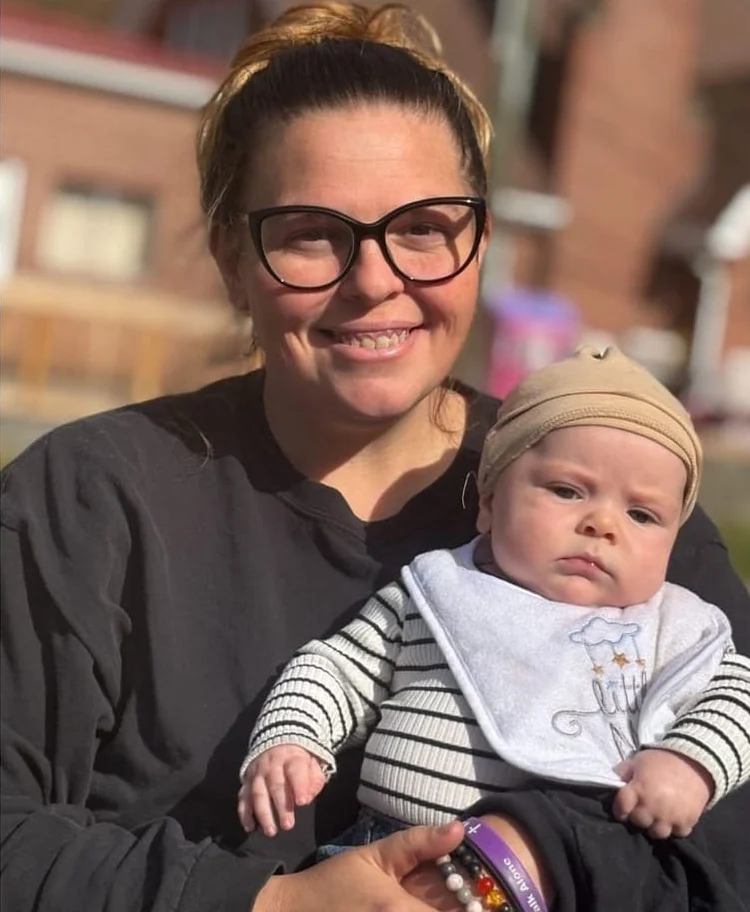
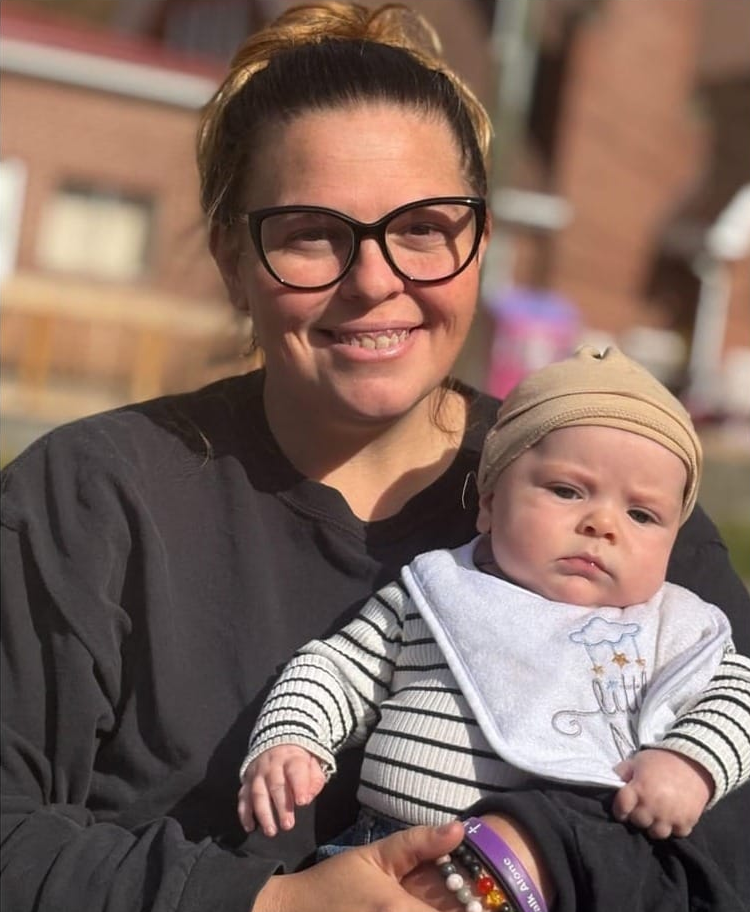
The personal narrative of Stacy D., a RISE recipient in West Virginia, powerfully illustrates the tangible impact of GMI. Facing an unexpected pregnancy and the breakdown of her family’s only vehicle, Stacy found herself isolated and without a support network. The GMI allowed her to cover essential needs, including critical car repairs necessary for childcare, appointments, and daily living. Her testimony — "This is gonna… it’s going to do a lot!" — encapsulates the profound relief and empowerment that direct cash assistance can provide, enabling individuals to overcome immediate crises and build a more stable future.
The Rural Guaranteed Minimum Income Initiative (RGMII): A Focused Approach
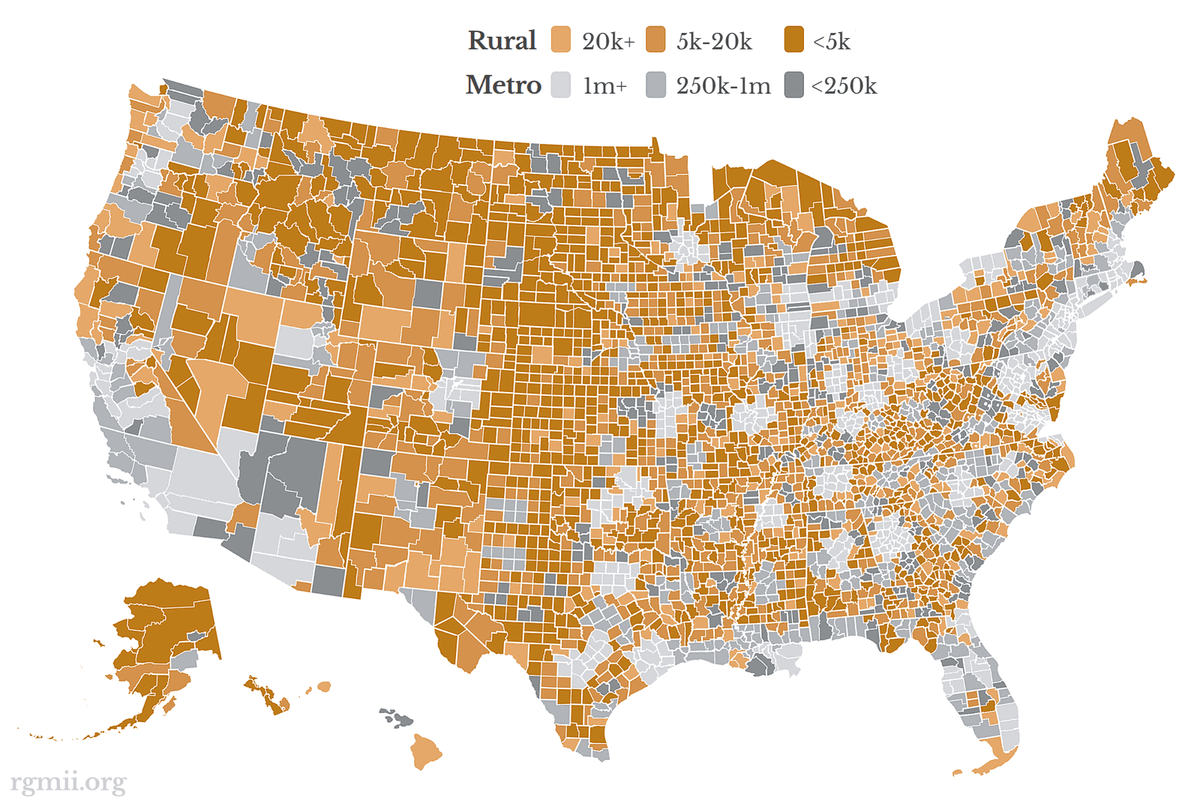
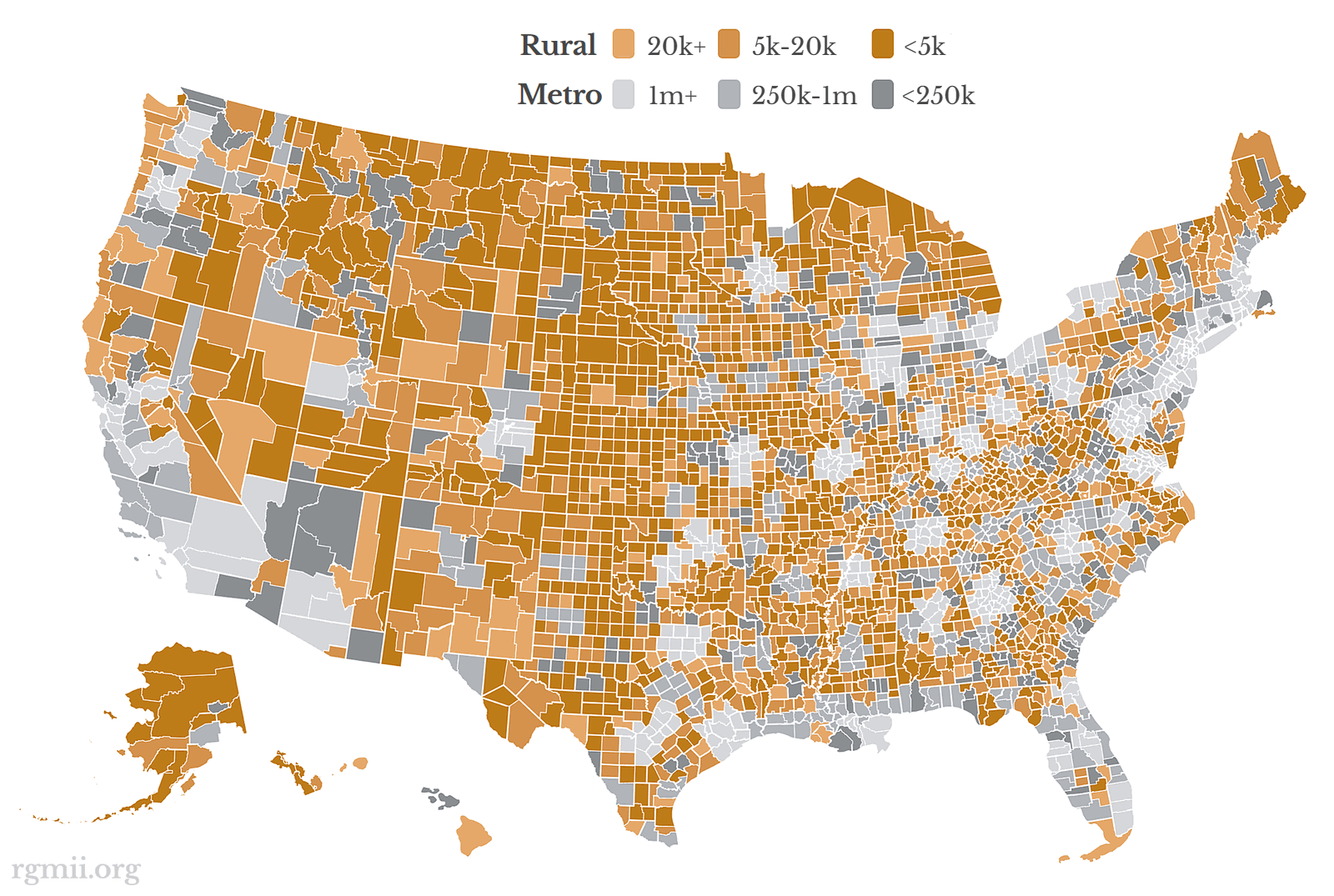
The RGMII is a direct manifestation of the Atwoods’ commitment to GMI, with a strategic focus on rural counties. This targeted approach is deliberate and well-reasoned:
- Economic Efficiency: Dollars tend to go further in rural areas due to a generally lower cost of living compared to urban centers, allowing the initiative to assist more people effectively.
- Pervasive Poverty: Many rural regions across the U.S. grapple with higher rates of poverty, limited economic opportunities, and inadequate access to resources, making them prime candidates for intervention.
- Smaller Populations for Study: The demographic characteristics of rural counties often lend themselves to tighter, more manageable studies, facilitating robust data collection and analysis on the impacts of GMI.
- Overlooked Communities: Rural America is frequently marginalized in large-scale philanthropic and governmental programs, leaving significant untapped talent and potential. The RGMII aims to spotlight these areas and demonstrate their capacity for revitalization.
- Personal Connection: Jeff Atwood’s own background in rural America reinforces his belief in the inherent value and potential within these communities, making the focus deeply personal and informed.
The RGMII has already launched three county-level pilot programs in Mercer County, West Virginia; Beaufort County, North Carolina; and Warren County, Mississippi. These counties represent diverse rural challenges and opportunities, ranging from post-industrial economic transitions to agricultural communities facing structural shifts. Each program is designed to provide financial support to thousands of individuals over a 16-month period. Crucially, a core component of these pilots is the transparent sharing of data and results with the broader public and research community. This commitment to open science aims to build a comprehensive evidence base for GMI, demonstrating its efficacy and informing future policy decisions.
Broader Impact and Implications
The Rural Guaranteed Minimum Income Initiative represents more than just a philanthropic endeavor; it embodies a novel approach to poverty alleviation with significant broader implications:
- Innovative Philanthropic Model: The Atwoods are eschewing the traditional "foundation" model in favor of directly advancing the concept of direct cash transfer. This focuses on proving and scaling a specific, evidence-based intervention rather than managing a diverse portfolio of charitable giving. This model could inspire other philanthropists to adopt more targeted, scientific approaches to their giving.
- Policy Influence: The robust data collected from the RGMII pilot programs is intended to serve as a powerful tool for policy advocacy. By demonstrating tangible improvements in economic stability, health, and community well-being, the initiative aims to influence state and federal lawmakers to consider GMI as a viable and effective component of social safety nets and economic development strategies. It provides real-world evidence to counter misconceptions and build political will.
- Economic Revitalization of Rural Areas: Direct cash injections can act as a localized stimulus, empowering residents to support local businesses, invest in their homes, and access services that might otherwise be out of reach. This could foster a bottom-up economic revitalization in areas often struggling with depopulation and decline.
- Challenging Narratives on Poverty: The initiative, through its transparent data sharing and focus on recipient dignity, seeks to challenge prevailing narratives that often stigmatize poverty. It reinforces the idea that financial insecurity is often a systemic issue, not a personal failing, and that direct support can unlock human potential.
- The "Path of Love": Atwood frames this work as taking the "path of love" in American history, acknowledging its difficulty but asserting its necessity for a survivable future. This philosophical underpinning elevates the initiative beyond mere economic aid to a moral imperative for shared prosperity and communal well-being.
The long-term goal of the RGMII is highly ambitious: to extend GMI studies and support to all 50 states. This vision requires significant collaboration and additional funding. The Atwoods have issued an open invitation for everyone to participate, from sharing study results and educating others about GMI’s history to engaging with elected representatives. Crucially, they are calling upon "those to whom much is given" – high-net-worth individuals and organizations – to join them in sponsoring county-scale GMI studies, thereby expanding the reach and impact of the initiative.
As Coding Horror transitions back to its traditional technical content, all future GMI-related updates and data will be housed on a dedicated platform, signaling the launch of a distinct and enduring endeavor. Jeff Atwood views this as his "third and final startup," not aimed at personal profit, but at fundamentally reshaping how society approaches poverty. The belief that "dreams, like happiness, are only real when shared" serves as the guiding principle for an initiative poised to make a lasting difference in the lives of thousands and potentially reshape national conversations on economic justice. The RGMII, accessible at rgmii.org and staygold.us, stands as a testament to a deeply held conviction that directly empowering those most in need is perhaps the most impactful and radical act of love possible.
About the Author