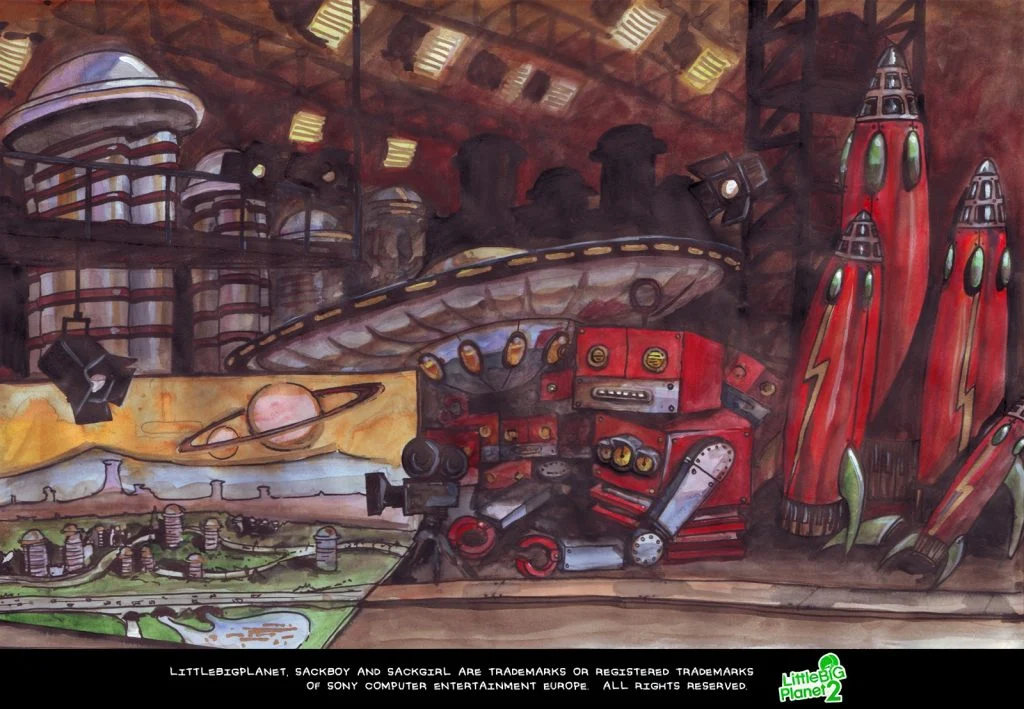
A decade has passed since the whimsical world of LittleBigPlanet 2 first graced our screens, a milestone that invites a retrospective look at the game’s intricate design, particularly its groundbreaking licensed soundtrack. This anniversary provides a unique opportunity to explore the creative process behind the game’s audio, moving beyond the familiar melodies to uncover the extensive musical landscape that was meticulously curated, considered, and ultimately, brought to life. The game, released in January 2011, was a significant evolution from its predecessor, aiming to expand the creative possibilities for players and, by extension, the sonic palette used to define its distinct environments.
The Genesis of a Sonic Vision: From Concept to Reality
The journey of LittleBigPlanet 2‘s soundtrack began with a clear thematic directive. While LittleBigPlanet was characterized by a "journey around the world" concept, its sequel embraced a more abstract yet ambitious theme: "science through the ages" or "science fiction through the ages." This shift presented a unique challenge and opportunity for the sound design team. The expansive nature of science and its evolution across millennia offered a rich tapestry of potential musical styles, from the rudimentary sounds of early discovery to the futuristic soundscapes of advanced technology.
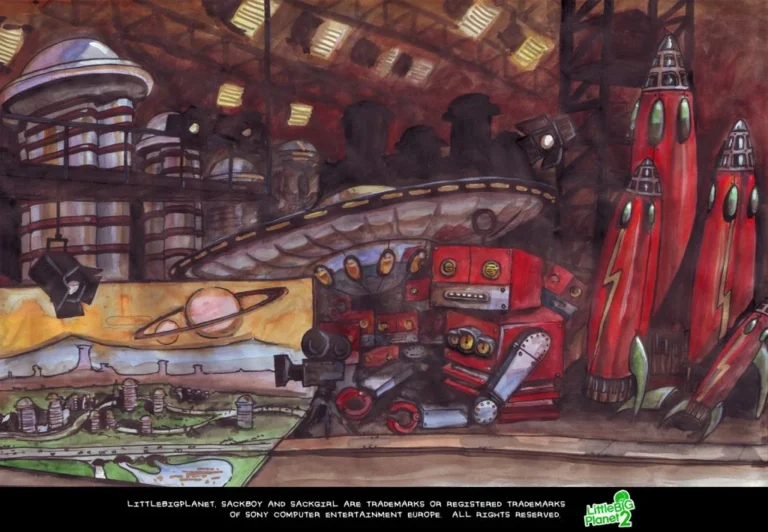
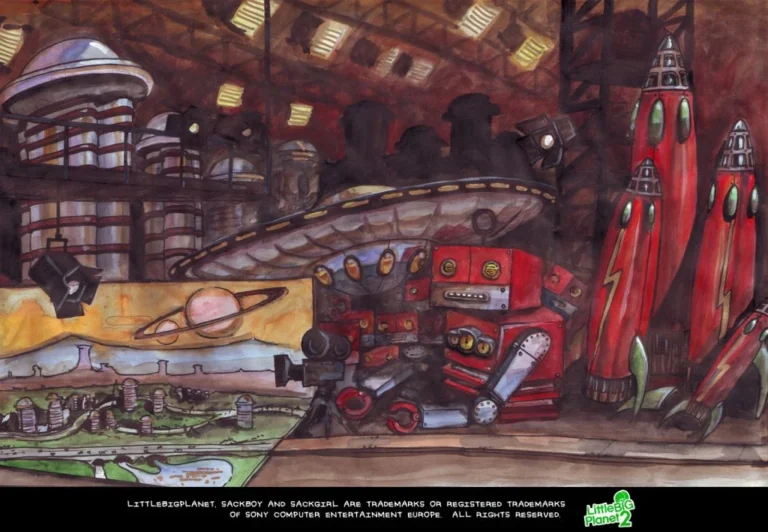
The initial conceptualization phase, around May 2009, involved creating music montage videos. These early prototypes were instrumental in translating the game’s visual art direction and thematic ideas into an auditory experience. By pairing concept art for each game area with work-in-progress licensed music selections, the team could collaboratively assess how different sonic elements might evoke specific feelings and reinforce the visual design. This iterative process was crucial for establishing a cohesive artistic vision before full production commenced.

A key strategic decision early in the development was to avoid a purely electronic soundtrack, despite the strong science fiction leanings. The target of "no more than 50% of the soundtrack being electronic in nature" was a deliberate choice to accommodate the diverse aesthetic preferences of player-created levels. This foresight ensured that the game’s licensed music would offer a broad palette, allowing players to draw inspiration from a wide range of genres for their own creations. The goal was to retain the "unexpected" edge that defined the first game’s soundtrack while forging a new, distinct identity for LittleBigPlanet 2.
Navigating the Soundscape: Playlists of Possibilities
To commemorate the 10th anniversary, a comprehensive exploration of the licensed soundtrack has been undertaken, categorizing the music into three distinct playlists. This approach illuminates the extensive vetting process and the vast array of musical talent considered for the game.
1. The LittleBigPlanet 2 Licensed Soundtrack: This playlist features the tracks that ultimately made it into the final game. It’s important to note that LittleBigPlanet 2 inherited the licensed music from its predecessor to ensure backward compatibility for player-created levels. However, for clarity, this playlist focuses solely on the music specifically licensed for LittleBigPlanet 2. The author highlights that certain versions of tracks, such as instrumentals, remixes, and edits that were not officially released, are not included, even if they were considered during development. This adherence to official releases underscores the integrity of the curated experience. The absence of eight tracks on the Spotify playlist is attributed to the availability of different versions, with a preference for the in-game renditions.
2. The LittleBigPlanet 2 Alternate Universe Soundtrack: This collection represents the music that was carefully considered for the game but did not make the final cut. The vast majority of these tracks were excluded due to creative decisions, with only one instance of a desired track being unobtainable due to licensing issues. This playlist offers a fascinating glimpse into the alternative sonic directions the game could have taken, showcasing the depth of exploration undertaken by the team.

3. The LittleBigPlanet 2 ‘Brief Says No’ Soundtrack: This playlist comprises tracks that, while possessing merit, did not align with the evolving creative brief for the game. Often originating from the early stages of the project, these songs might have been suitable for linear mock-ups but lacked the necessary energy or thematic resonance as the game’s direction became more refined. Despite their exclusion from the final product, these tracks are recognized for their quality and are recommended for a listen, demonstrating that even rejected ideas can hold significant artistic value.
A Decade of Evolution: From "Mary Road" to Full Production
The development timeline for LittleBigPlanet 2‘s soundtrack was as dynamic as the game’s creative ambition. By December 2009, a year before the game’s eventual release, the initial concepts had evolved significantly. The original eight thematic areas were streamlined into six, a process that involved merging overlapping ideas and adjusting content requirements as the full team came onboard for full production. This consolidation reflected a growing clarity in the game’s design and a more focused approach to its sonic identity.
During this period, specific areas presented unique sonic challenges. Clive’s Factory required a blend of Soviet and Hollywood influences, while Eve’s Asylum grappled with the juxtaposition of "organic" themes and high-intensity gameplay. The Cosmos, in particular, needed to incorporate an 8-bit aesthetic, for which a music sequencer gadget was planned but had not yet seen progress. These evolving needs directly influenced the music selection process, pushing the team to seek out increasingly suitable and innovative tracks.
At this juncture, approximately 10 out of the 21 tracks that would eventually be licensed were in contention. While not yet considered definitive, their presence indicated a strong alignment with the project’s direction. The licensing process itself had not yet begun, meaning that the suitability of any track was contingent on securing the rights. This necessitated an "overprovision" of suitable music to ensure a robust selection of "Plan B" options.

A Collaborative Symphony: The Power of Collective Input
The selection of music for LittleBigPlanet 2 was a profoundly collaborative effort. Unlike the first game, where suggestions were more centralized, LittleBigPlanet 2 saw a significant increase in team member contributions. This broader engagement was likely fueled by the success of the original game and the desire to contribute to a project that had already established such a strong identity.
The author, alongside colleagues Dan, John, and Rex from Media Molecule (Mm), and Martin Hewett from Sony, played pivotal roles in evaluating and suggesting music. However, the creative process was enriched by input from a wider circle of individuals, including Alex, Costa, Jim, Jonatan, Mark, Martin, and Tom from within Mm. External contributions from Sony colleagues, such as Jo, further broadened the scope of musical exploration. This distributed approach fostered a vibrant and inclusive environment, where every suggestion, whether it ultimately made it into the game or not, contributed to refining the overall brief and solidifying the game’s sonic character. This emphasis on a "real team effort" underscores the communal spirit that defined the development of LittleBigPlanet 2.
The Announcement and the Road to Release
The collaboration with Sony Music Licensing intensified as the game’s announcement approached, significantly expanding the pool of reviewed material. This timing proved fortuitous, as the project’s direction had sufficiently solidified for Sony’s expertise to be highly targeted and productive.
A standout moment from this period was Rex’s suggestion of Passion Pit’s "Sleepyhead" for the announcement trailer. The track was selected for its ability to encapsulate the emotional tone required for the trailer: a sense of community, achievement, and forward momentum into a new project, while also acknowledging the sequel’s more digital aesthetic. While an initial "Plan A" track was pursued, "Sleepyhead" ultimately proved to be the perfect fit, its dynamic ebb and flow ideal for building anticipation and maintaining audience engagement. The pitched-up voices in the track, particularly the Irish Gaelic ones, also resonated with the charming Sackfolk characters.

Although "Sleepyhead" was a superb choice for the trailer, its suitability for direct gameplay was less pronounced. This led to the initial attempt to license a track that more closely aligned with the game’s interactive energy. However, the strong association of "Sleepyhead" with the project’s marketing made its inclusion in the game desirable. Ultimately, it found a meaningful place in the game’s end credits, a testament to its impact and its ability to evoke the project’s spirit.
The final months of development were marked by a crucial decision: to delay the game’s release from the competitive Christmas market to January 2011. This strategic postponement, driven by the need for further refinement, proved beneficial for the soundtrack. Several tracks, including one that took a challenging six months to clear, were not finalized until as late as October 2010. This extension provided essential breathing room for the licensing process, ensuring that the final audio experience was as polished as possible.
Enduring Legacy: The Power of Music Beyond the Game
The enduring impact of LittleBigPlanet 2‘s soundtrack is evident in the heartfelt feedback from players who recall the game as a significant part of their childhoods. Many continue to listen to the soundtrack regularly, a testament to the music’s ability to transcend the gaming experience. In an era where older gaming platforms can become increasingly inaccessible, music serves as a powerful conduit for preserving memories and invoking the spirit of beloved games and their communities.
The diverse and meticulously curated licensed soundtrack played an integral role in defining LittleBigPlanet 2‘s unique identity. It not only enhanced the gameplay experience but also contributed to the game’s lasting appeal, allowing players to connect with its imaginative worlds and vibrant community long after their initial adventures concluded. The anniversary of LittleBigPlanet 2 is not just a celebration of a game, but a recognition of the profound and lasting impact of its sonic artistry.
About the Author