The tenth anniversary of LittleBigPlanet 2‘s release has prompted a retrospective look at the game’s acclaimed licensed soundtrack, revealing the intricate process behind its curation and highlighting a treasure trove of music that narrowly missed the final cut. This exploration delves into the creative decisions, thematic evolution, and collaborative efforts that shaped the sonic identity of the beloved PlayStation title, offering a comprehensive overview of its musical journey.
A Decade of Sonic Craftsmanship: The LittleBigPlanet 2 Soundtrack Retrospective
The anniversary of LittleBigPlanet 2, a game that left an indelible mark on the platforming genre, serves as an opportune moment to revisit its distinctive soundscape. While the game’s original score was integral to its narrative and character development, the licensed soundtrack played a crucial role in defining the atmosphere and unique flavor of its diverse worlds. This examination focuses exclusively on the licensed music, charting its evolution from early concept stages to the final product, and importantly, sheds light on the extensive selection process that led to the exclusion of numerous compelling tracks.
The author, who was deeply involved in the sound and audio aspects of the project, emphasizes that this retrospective will not delve into the game’s original score or personal contributions beyond music selection. Instead, the focus remains squarely on the licensed music, providing a clear and detailed account of its journey. The celebration of LittleBigPlanet 2‘s tenth anniversary has inspired the creation of several playlists that showcase not only the music that made it into the game but also a substantial collection of tracks that were considered but ultimately not selected, offering fans a deeper appreciation for the sonic tapestry that could have been.
Curating a Sonic Universe: The LittleBigPlanet 2 Licensed Soundtrack
The licensed soundtrack of LittleBigPlanet 2 is a carefully curated collection of tracks that defined the game’s distinct aesthetic. Technically, this also encompassed all licensed music from its predecessor, LittleBigPlanet, to ensure backward compatibility for user-generated content. However, for clarity and focus in this retrospective, the author has chosen to exclude any music solely present due to this requirement.
A notable aspect of the soundtrack’s development was the licensing of instrumental versions, remixes, and edits of popular songs. These specific iterations, often only available through unofficial channels such as YouTube, were crucial for achieving the precise mood and gameplay integration desired by the development team. This meticulous approach to licensing underscores the commitment to sonic excellence that characterized the project.
For those seeking to experience the curated music, Spotify playlists have been made available. It is important to note that these playlists may be missing approximately eight tracks. This discrepancy arises because the versions found within the game are sometimes unique edits or arrangements not commercially available on streaming platforms. The decision to exclude these alternative versions from the public playlists is a testament to the author’s dedication to presenting the most authentic representation of the game’s sonic experience.

An Alternate Reality of Sound: The LittleBigPlanet 2 Alternate Universe Soundtrack
Beyond the music that resonated through the final game, a significant body of work was considered but ultimately not incorporated into LittleBigPlanet 2. The "Alternate Universe Soundtrack" playlist offers a glimpse into this parallel sonic dimension. These tracks represent a crucial stage in the creative process, where ideas were explored and refined before settling on the final selections.
The majority of tracks featured in this playlist were not included due to creative divergence. The development team meticulously evaluated each piece, aligning it with the evolving artistic direction and gameplay mechanics. In rare instances, the team encountered challenges in securing the licensing rights for specific tracks they were particularly keen on, a situation that reportedly caused considerable disappointment at the time. This playlist serves as a testament to the vast creative exploration undertaken during the game’s development, showcasing the depth of musical considerations.
Both the YouTube and Spotify versions of this "Alternate Universe Soundtrack" may contain tracks unavailable on either service, further highlighting the unique and sometimes exclusive nature of the music considered for the game. This collection provides a fascinating insight into the road not taken, revealing the breadth of sonic possibilities that were explored.
The "Brief Says No" Soundtrack: Exploring Unconventional Paths
The "Brief Says No" playlist compiles tracks that, while possessing merit and appropriateness in certain contexts, ultimately did not align with the overarching creative brief for LittleBigPlanet 2. Many of these selections originated from the early stages of the music search, where linear video mock-ups were used to convey initial ideas.
As the project’s vision solidified and the creative brief was refined, these tracks were re-evaluated. Some were set aside as the game’s direction became more focused, while others were deemed to lack the necessary energy to effectively support gameplay. Despite their exclusion from the final product, these songs are recognized for their inherent quality and artistic value, making this playlist a worthwhile listen for enthusiasts of the game and its musical direction. It represents a crucial phase of elimination and refinement, demonstrating the rigorous standards applied to ensure every sonic element served the game’s ultimate purpose.
The author expresses a deep appreciation for the music featured in these latter two playlists, noting that many of the tracks continue to evoke strong emotional responses, reminiscent of the intended player experience. This enduring power of music, even for tracks that did not make the final cut, underscores its profound impact on the creative process and the lasting memories it can forge.
A Decade of Sonic Evolution: The Divergent Paths of LittleBigPlanet and LittleBigPlanet 2
The creation of LittleBigPlanet 2‘s licensed soundtrack differed significantly from that of its predecessor. While the first game’s thematic direction was broadly defined as "a journey around the world," LittleBigPlanet 2 embraced a more abstract and ambitious concept: "science through the ages" or "science fiction through the ages." This shift presented a more complex challenge for the music selection process, requiring a deeper engagement with thematic resonance and artistic interpretation.

The science and science fiction themes provided a rich foundation for the art department but necessitated a more nuanced approach to music selection. The strategy employed was to connect the music choices directly to the specifics of the art direction, the emotions it evoked, and to find musical analogies that supported these visual and conceptual elements. While the game’s original score focused on characterization, drama, and narrative exposition, the licensed soundtrack was tasked with providing a distinct sonic identity that complemented, rather than duplicated, these efforts. This division of sonic labor simplified the selection process for the licensed music.
Navigating Genre Tropes: The Sci-Fi Influence and Musical Diversity
A primary concern during the initial stages of LittleBigPlanet 2‘s development was to acknowledge the established musical tropes of the science fiction genre without succumbing to pastiche. To achieve this balance, a target was set to ensure that no more than 50% of the soundtrack would be electronic in nature. This decision was strategic, recognizing that player-created levels would not be bound by such aesthetic restrictions, thus necessitating a broader musical palette to inspire and accommodate diverse creations.
The overarching goal was to retain the successful elements of the first game’s soundtrack while imbuing LittleBigPlanet 2 with its own unique flavor and identity. A key strategy involved playing against or subverting genre conventions, a technique that helped preserve the element of surprise and the "unexpected" edge that had characterized the first game’s soundtrack.
Early Sonic Explorations: The Music Montage and Thematic Development
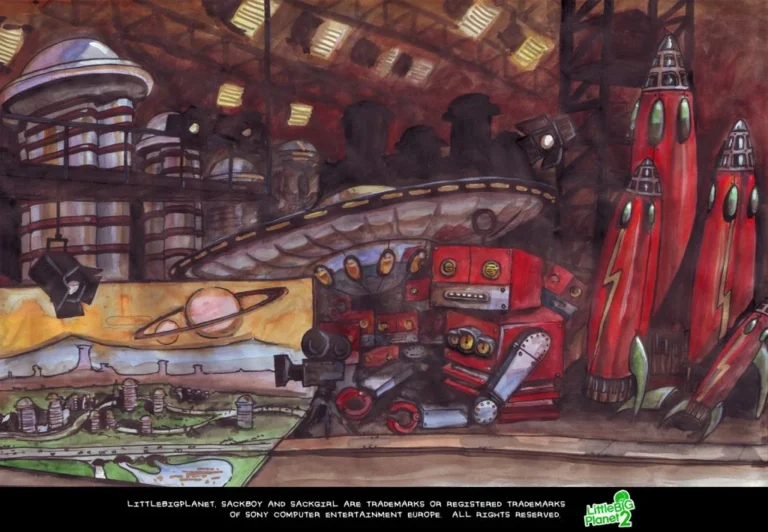
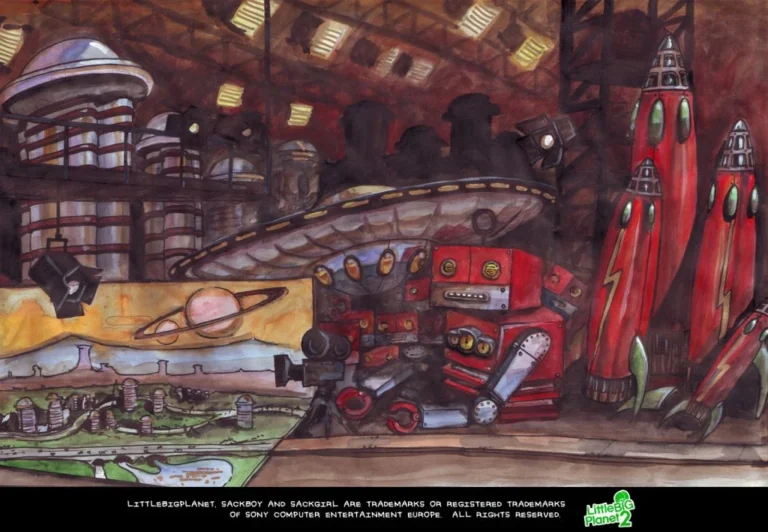
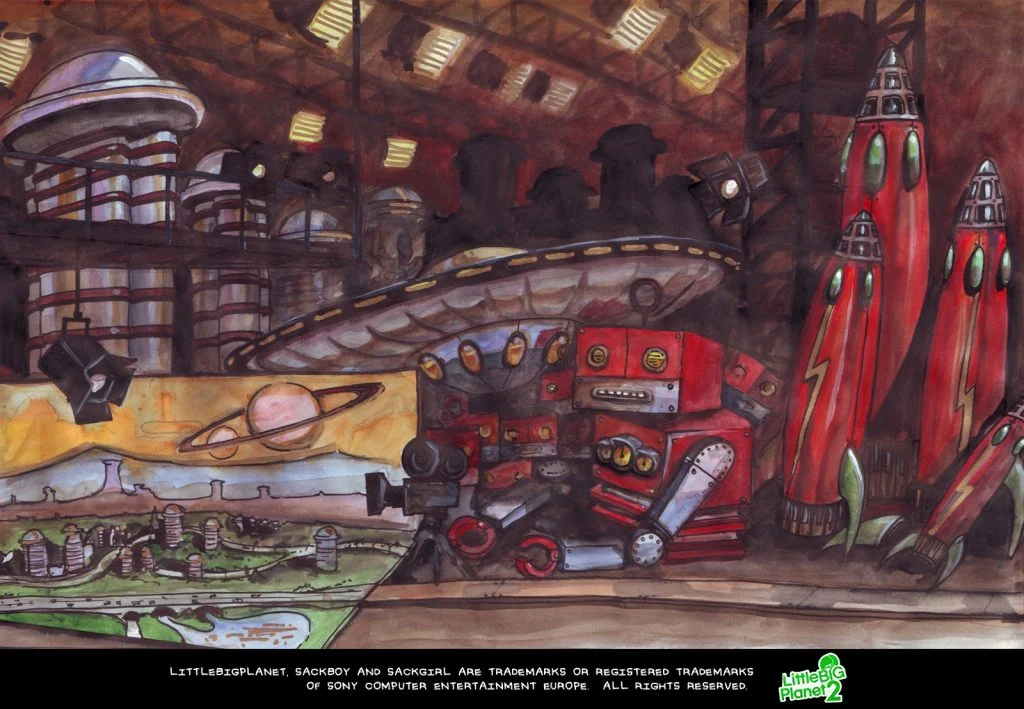
As early as May 2009, during the game’s pre-production phase, a music montage video was created. This innovative tool paired concept art for each game area with work-in-progress licensed music ideas. Though described as "quick and dirty," this montage proved instrumental in initiating the creative dialogue and establishing a shared vision. The high-level direction for each area, heavily influenced by the art direction, was as follows:
- The Gardens: Initially envisioned with a pastoral and somewhat whimsical feel, this area aimed for music that evoked a sense of gentle exploration and discovery.
- The Factory: This industrial setting suggested a more mechanical and rhythmic soundscape, perhaps with elements of industrial or electronic music.
- The Cosmos: A realm of space and wonder, this area called for music that conveyed a sense of vastness, mystery, and cosmic exploration.
- The Victoria Gardens: A more refined and elegant setting, this area likely inspired music with a classical or orchestral influence.
- The Sackbot Factory: A more specialized area, its music would have needed to reflect its unique purpose within the game’s narrative.
- The Collector’s Lair: This antagonist’s domain would have required music that conveyed menace, intrigue, or a sense of foreboding.
- Eve’s Asylum: A potentially more serene or melancholic environment, its music might have leaned towards ambient or introspective themes.
- The Museum: This area, focused on history and discovery, could have been supported by music that evoked a sense of learning and intellectual curiosity.
From this initial selection, only Ladytron’s "Ghosts" made it into the final game. However, artists like Squarepusher and Röyksopp were also considered at this early stage, albeit with different tracks than those ultimately chosen. This illustrates the iterative nature of the music selection process, where initial ideas often pave the way for more refined selections.
The author highlights a critical challenge in using linear video for music concepting: the stark contrast between its static presentation and the dynamic interactivity of a game. While a track that works well in a video might not translate effectively to gameplay, the process remains invaluable. In the absence of a fully realized game, these music concept videos function as a "mood board," providing a tangible starting point for discussion, inspiration, and the communication of aural and visual ideas to the team. This particular montage marked a significant milestone, as it was the first instance where all the visual and aural concepts coalesced into a cohesive experience.
Refining the Sonic Palette: From Pre-Production to Full Production
By December 2009, approximately a year before the game’s release, the musical concepts had evolved significantly, moving closer to the vision of the finished product. The number of distinct themes had been reduced from eight to six. This consolidation was a result of merging overlapping ideas rather than simple eliminations, though the reduction in content requirements was also a factor as the full development team became engaged in the project.

The music direction also underwent refinement. The author identified even more suitable musical ideas and adjusted selections to better support gameplay as it began to manifest. However, certain areas still presented creative hurdles. The "Soviet/Hollywood mashup" component of Clive’s Factory remained somewhat undefined. The concept of "organic" for Eve’s Asylum, particularly in relation to its high-intensity gameplay, presented a juxtaposition that required careful musical consideration. Furthermore, progress on the music sequencer gadget, intended to cover the 8-bit aesthetic for The Cosmos, had not yet begun.
At this juncture, 10 out of the 21 tracks ultimately licensed for the game were in consideration. While these were not yet considered definitive "keepers" due to the early stage, their presence indicated a strong direction. This period also coincided with the author’s positive assessment of the project’s trajectory, emphasizing the need to continue the search for suitable music. Crucially, the licensing process itself had not yet commenced. This meant that securing permission to use any of the selected music was not guaranteed. A robust strategy of "overprovision" – sourcing more suitable music than strictly necessary – was therefore essential to ensure backup options, or "Plan B’s," were readily available.
A Collaborative Symphony: The Role of Team Input and Sony Licensing
Up to this point, music suggestions had primarily originated from within the development team. Compared to the first game, a greater number of individuals contributed to the selection process, a trend that was highly encouraging. Having navigated the soundtrack curation process once before, and recognizing its significant contribution to the first game’s identity and reception, team members were eager to be involved. They were less deterred by the perceived restrictions of the author’s process and the considerable effort required to meet the criteria.
Every track evaluated served to refine the creative brief, whether by testing assumptions, reaffirming existing ideas, or introducing new perspectives. The final licensed soundtrack features contributions from various individuals, including the author, Dan, John, and Rex from Media Molecule (Mm), as well as Martin Hewett from the Sony side. Numerous other valuable suggestions, many of which can be found in the curated playlists, came from a wide array of team members such as Alex, Costa, Jim, Jonatan, Mark, Martin, and Tom. External contributions also played a role, with suggestions from Sony colleagues like Jo. This collaborative spirit, a true team effort, was fundamental to the soundtrack’s success.
Expanding Horizons: The Impact of Sony Music Licensing
As the game’s announcement approached, closer collaboration with Sony Music Licensing significantly broadened the scope of music being reviewed and considered. This timely engagement proved highly beneficial, as the creative direction had been sufficiently refined to allow Sony’s extensive resources and expertise to yield focused and productive suggestions.
A standout contribution during this period, reminiscent of the first game’s development, came from Rex. His suggestion of Passion Pit’s "Sleepyhead" for the announcement trailer proved to be an inspired choice. The selection of a trailer song is a delicate act, requiring a piece that encapsulates the appropriate emotional tone, reinforces the sense of community and shared achievement as a new project embarks on its journey, and acknowledges the sequel’s more digital aesthetic. Despite initial attempts to license an alternative track as the primary option, "Sleepyhead" ultimately proved to be the perfect fit.
The dynamic structure of "Sleepyhead," with its smooth build-ups and sharp descents, was ideally suited for the trailer’s narrative arc. This ebb and flow allowed the trailer to effectively shift gears, expanding its messaging and maintaining viewer engagement. The pitched-up vocal samples, particularly the Irish Gaelic ones, also harmonized remarkably well with the game’s iconic Sackfolk characters.

While "Sleepyhead" was a resounding success for the trailer, its direct suitability for LittleBigPlanet 2‘s gameplay was a point of consideration. This led to the initial exploration of a more gameplay-consistent track. However, the importance of a strong announcement trailer took precedence, and the decision was made to proceed with "Sleepyhead." Recognizing its perfect fit for the trailer’s purpose, the team eventually found an appropriate and meaningful place for it within the game’s end credits, ensuring its legacy within the project.
Navigating the Final Stretch: Schedule Adjustments and Licensing Hurdles
Towards the latter stages of development, a difficult but necessary decision was made to postpone the game’s release. The original plan to target the crucial Christmas market was revised, with the game rescheduled for January 2011. This adjustment was made because the game was not yet sufficiently polished. This schedule slip, though challenging, ultimately benefited the soundtrack’s finalization.
The extended timeline proved advantageous as several tracks were not cleared until as late as October 2010, a remarkably tight deadline even with the revised release date. One particular track experienced a protracted clearance process, taking six months to finalize. This extended period was not attributed to any specific issue but rather to the inherent complexities and sometimes lengthy timelines associated with securing music licensing rights. The phrase "sometimes, that’s just how long it can take for someone to say ‘Oh, go on then’" aptly captures the unpredictable nature of this crucial aspect of game development.
The Enduring Resonance of LittleBigPlanet 2‘s Soundtrack
The author notes the touching sentiment expressed by LittleBigPlanet 2 players in recent years, many of whom recall the game as a significant part of their childhoods and continue to listen to its soundtrack regularly. Music possesses a remarkable ability to transcend its original context, offering enjoyment long after the interactive experience has concluded. This enduring relevance becomes even more pronounced as gaming platforms age and become less accessible.
The memories of the game and its vibrant community are effectively invoked and sustained through the contributions of the artists whose music formed the soundtrack. These musical selections were instrumental in shaping LittleBigPlanet 2‘s unique identity, contributing significantly to what made the game so special.
The tenth anniversary of LittleBigPlanet 2 is not just a celebration of a milestone in gaming history, but also a testament to the power of music to create lasting emotional connections and preserve cherished memories. The exploration of its licensed soundtrack, including the music that was considered but ultimately not used, offers a profound appreciation for the intricate creative processes that underpin beloved interactive experiences.
About the Author